
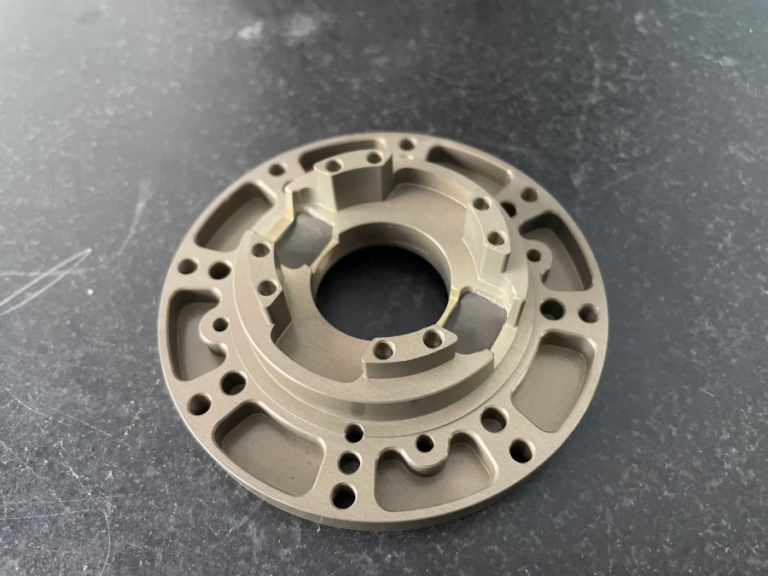
Building a CNC machine is a fascinating project that bridges the disciplines of mechanical engineering, electronics, and software. Whether you’re a hobbyist aiming to unlock new creative possibilities, an educator building a teaching tool, or a startup looking to prototype cost-effectively, understanding how to build a CNC machine provides deep insight into the heart of modern manufacturing. This guide will walk you through the fundamentals, from core concepts to practical assembly, while also exploring when partnering with a professional service like GreatLight CNC Machining Factory is the more strategic choice for precision-critical components or full-scale production.
H2: Demystifying the CNC Machine: Core Components and Principles
At its essence, a CNC (Computer Numerical Control) machine is a mechanized tool that moves a cutting head (or workpiece) along programmed paths to shape material. Building one requires integrating several key subsystems:
Mechanical Frame & Structure: This is the skeleton. It must be rigid to resist cutting forces and prevent vibration, which directly impacts accuracy. Common materials include aluminum extrusion (like 80/20 or Makerbeam for hobbyists), steel, or cast iron. The choice defines the machine’s potential precision and workpiece size.
Motion System: This dictates how the tool moves. It consists of:
Linear Guides/Rails: Provide smooth, precise linear motion. Options range from simple round rods with linear bearings to profiled linear rails for high rigidity.
Drive Mechanism: Converts rotary motor motion to linear movement. Lead screws (with anti-backlash nuts) or ball screws offer high precision and strength, while timing belts are faster but less rigid, suitable for lighter-duty machines like 3D printer conversions.
Actuators (Motors):
Stepper Motors: Common in DIY builds. They move in discrete “steps” and are cost-effective, but can lose synchronization (stall) under high load.
Servo Motors: Used in industrial machines. They provide closed-loop feedback, meaning they constantly verify their position, offering higher torque, speed, and accuracy but at a greater cost and complexity.
Controller & Electronics: The “brain” of the operation. A microcontroller (like an Arduino with a GRBL firmware) or a dedicated motion control board interprets G-code instructions and sends signals to the motor drivers, which power the motors.
Spindle: The cutting tool’s power source. For wood and soft materials, a high-speed router can suffice. For metals, a proper CNC spindle with variable speed control and sufficient torque (often liquid-cooled) is essential.
Software Chain: This involves three key pieces:
CAD Software: Used to design the part (e.g., Fusion 360, SolidWorks).
CAM Software: Translates the CAD model into toolpaths and generates the G-code (e.g., Fusion 360 CAM, Estlcam).
Control Software: Sends the G-code to the machine controller (e.g., Universal G-code Sender, Mach3, LinuxCNC).
H3: The Builder’s Crossroads: DIY vs. Professional-Grade
Before sourcing your first component, it’s crucial to align your project goals with reality.
H4: The DIY/Hobbyist Route
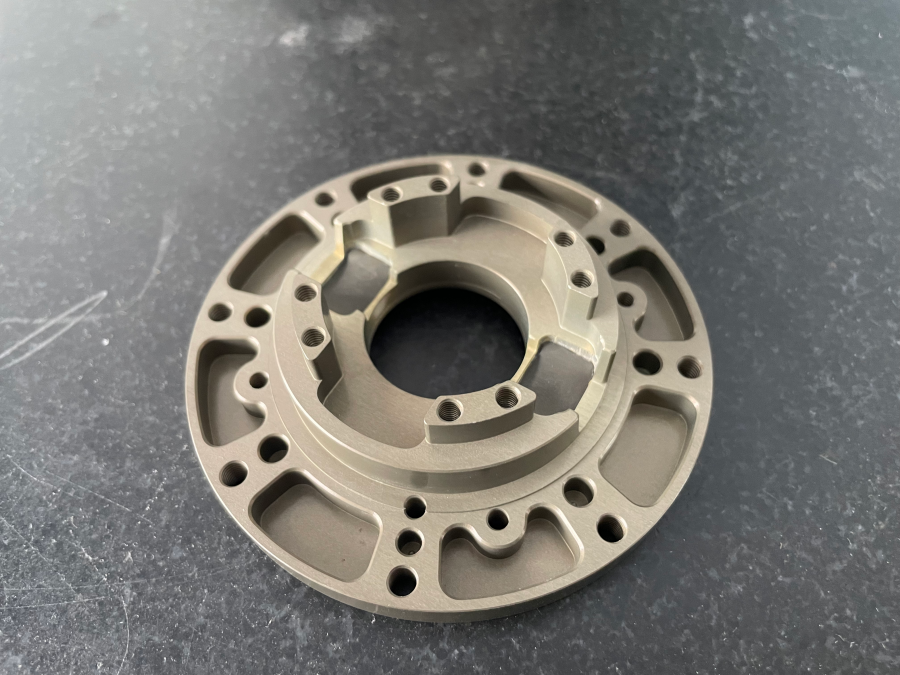
Goal: Learning, prototyping with softer materials (wood, plastics, soft aluminum), and custom tool creation.
Scale: Typically small to medium format (desktop to benchtop).
Outcome: Achievable precision often in the range of ±0.1mm to ±0.5mm, heavily dependent on builder skill and budget.
Pros: Deep educational value, highly customizable, lower initial investment.
Cons: Time-intensive, limited precision and rigidity, performance bottlenecks with hard materials, requires troubleshooting across multiple domains.
H4: The Professional/Industrial Reality
For parts requiring true precision—think aerospace fittings, medical device components, or injection molds—the engineering requirements leap dramatically. This is where the expertise of a manufacturer like GreatLight CNC Machining Factory becomes indispensable. An industrial 5-axis CNC machining center isn’t just a scaled-up DIY machine; it’s a marvel of integrated engineering:
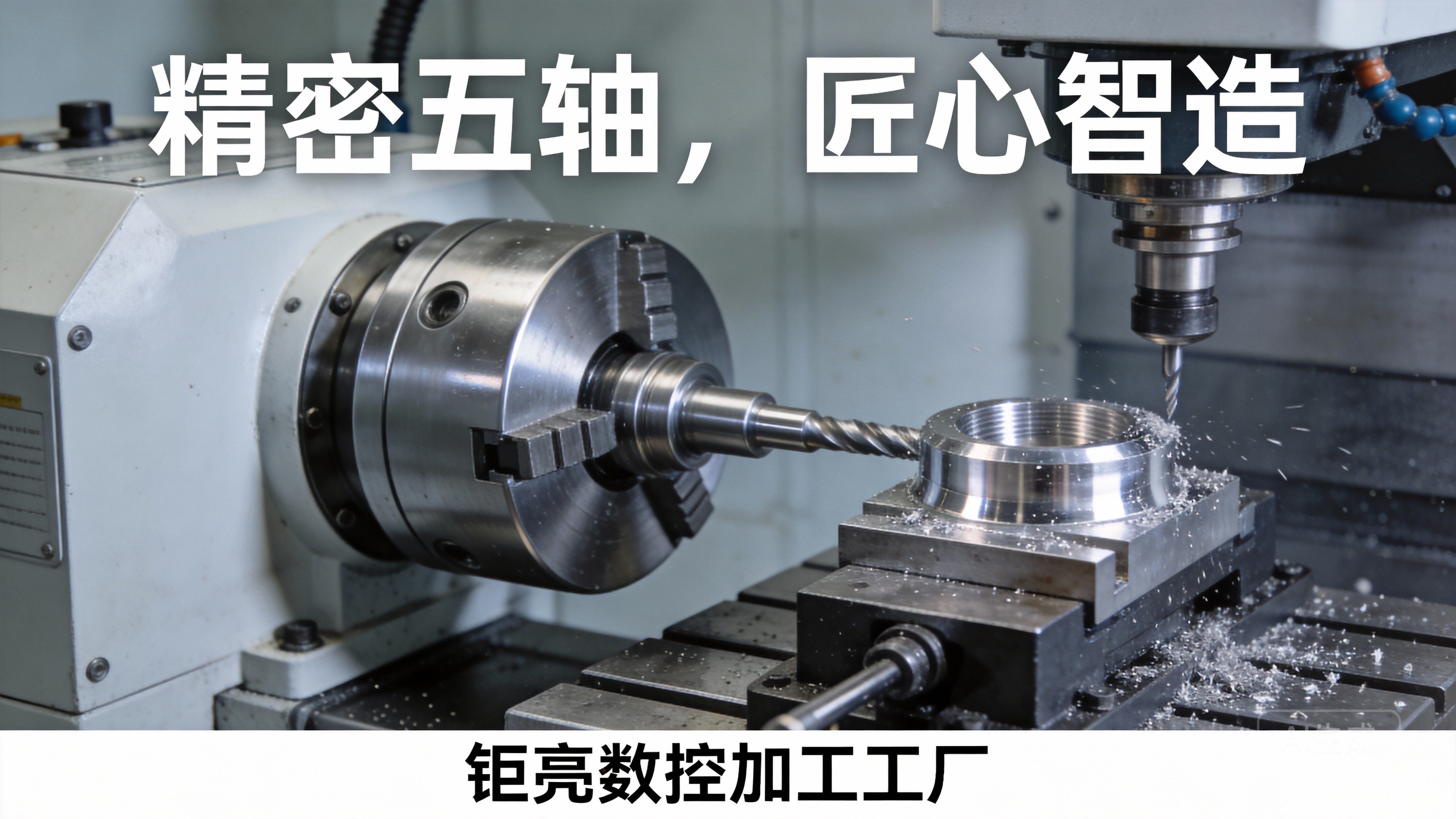
Monolithic Cast Structures: The frame is a single, stress-relieved cast iron or polymer concrete element for ultimate vibration damping.
Precision Ground Ball Screws & Linear Motors: Delivering micron-level repeatability.
High-Pressure Coolant Systems & Automatic Tool Changers: Enabling uninterrupted, complex machining.
Advanced Controller with Thermal Compensation: Correcting for minute expansions in the machine itself.
Metrology-Grade Calibration: The machine is laser-calibrated, ensuring geometric accuracy across its entire volume.
Building such a machine in-house is not feasible for most businesses. The investment in R&D, precision components, and calibration equipment far exceeds the cost of outsourcing to a specialist.
H2: A Step-by-Step Framework for Your DIY Build
For the intrepid DIYer, here is a structured approach:
Define Specifications & Design: Determine your work envelope (maximum part size), target materials, and desired precision. Use CAD software to design the frame and moving parts, modeling the entire kinematics.
Source Core Mechanical Components: Procure linear rails, ball screws/lead screws, bearing blocks, and motor mounts. Consider buying a pre-designed kit for your first build to simplify alignment.
Fabricate or Assemble the Frame: Cut and assemble your frame material (aluminum extrusion, steel plate). Squareness and parallelism at this stage are critical for future accuracy. Use precision measuring tools like dial indicators.
Integrate the Motion System: Mount the rails and drive systems. This step requires meticulous adjustment to ensure all axes move freely without binding or excessive play.
Install Motors & Electronics: Mount stepper or servo motors and connect them to the drivers. Wire the power supplies, controller board, and limit switches (crucial for safety and homing).
Configure Software & Firmware: Install and configure your control software. Tune motor drivers (current, microstepping) to ensure smooth operation without stalling.
Calibration & Testing: This is where the machine becomes precise. Calibrate the steps-per-mm for each axis by commanding a known movement and measuring the actual distance with a gauge block or dial indicator. Perform squareness tests and circular interpolation tests to identify and correct mechanical errors.
H2: The Strategic Partnership: When to Leverage Professional 5-axis CNC machining
Understanding how to build a CNC machine illuminates the complexities involved in achieving true industrial precision. For your mission-critical projects, a strategic partnership with a certified expert is the most reliable path. This is where GreatLight CNC Machining Factory provides unparalleled value.
GreatLight doesn’t just operate machines; it masters a full-spectrum manufacturing process. With a foundation built on ISO 9001:2015 for quality management and IATF 16949 for automotive-grade rigor, every process is systematic and traceable. Their 76,000 sq. ft. facility houses a cluster of advanced 5-axis, 4-axis, and 3-axis CNC centers, supported by EDM, grinding, and 3D printing capabilities. This allows them to not only machine a part with tolerances as tight as ±0.001mm but also to provide the essential secondary operations and finishing that a standalone machine cannot.
Whether you need a complex prototype in titanium for aerospace validation or a high-volume aluminum enclosure for next-generation robotics, their engineering team can navigate material selection, design for manufacturability (DFM), and precision finishing. They transform the abstract G-code from your DIY machine project into certified, production-ready hardware.
Conclusion
The journey to build a CNC machine is a profoundly rewarding technical challenge that demystifies automated manufacturing. It empowers makers and engineers with hands-on knowledge. However, for components where tolerance, material integrity, and absolute reliability are non-negotiable, the engineering scale tips decisively towards professional manufacturing partners. By combining the foundational knowledge gained from a build project with the advanced capabilities of a specialist like GreatLight CNC Machining Factory, innovators and businesses can effectively bridge the gap between concept and high-performance reality, ensuring their most ambitious designs are realized with the precision they demand.
Frequently Asked Questions (FAQ)
H3: Q1: How much does it cost to build a basic CNC machine?
A: A functional DIY CNC router for wood and plastic can be built for anywhere from $800 to $3,000, depending on size and component quality. A machine rigid enough for consistent aluminum machining typically starts around $2,500 and can exceed $10,000 for larger, more precise builds with higher-end components like ball screws and industrial linear rails.
H3: Q2: What is the most challenging part of building a CNC machine?
A: Achieving and maintaining rigidity and alignment. Every joint, rail, and screw introduces potential error. The single greatest challenge for DIY builders is squaring the gantry and ensuring all axes move perfectly perpendicular to each other, which is fundamental for accuracy.
H3: Q3: Can I convert my 3D printer into a CNC machine?
A: Yes, but with significant limitations. 3D printer frames (often open-loop) lack the rigidity for forceful cutting. You can replace the extruder with a lightweight spindle (e.g., a Dremel) to mill very soft materials like PCB boards, foam, or balsa wood. It is not suitable for any meaningful metal or hardwood work.
H3: Q4: What materials can a hobbyist-level CNC machine realistically cut?
A: A well-built DIY machine can successfully cut woods, plastics (acrylic, PVC), and non-ferrous metals like aluminum and brass. However, cutting steel or stainless steel requires exceptional rigidity, powerful spindles, and appropriate tooling, which is typically beyond the scope of all but the most advanced hobbyist builds.
H3: Q5: If I build a machine, can I achieve the same precision as a factory like GreatLight?
A: Realistically, no. While a skilled builder can achieve impressive results (±0.05mm or better in ideal conditions), this is not comparable to the certified, repeatable, sub-±0.01mm precision of an industrial 5-axis machining center operating in a temperature-controlled environment with laser calibration. The industrial machine is a system engineered for precision from the ground up, including thermal stability, vibration damping, and closed-loop feedback that DIY systems lack. For commercial-grade parts, professional manufacturing is essential.
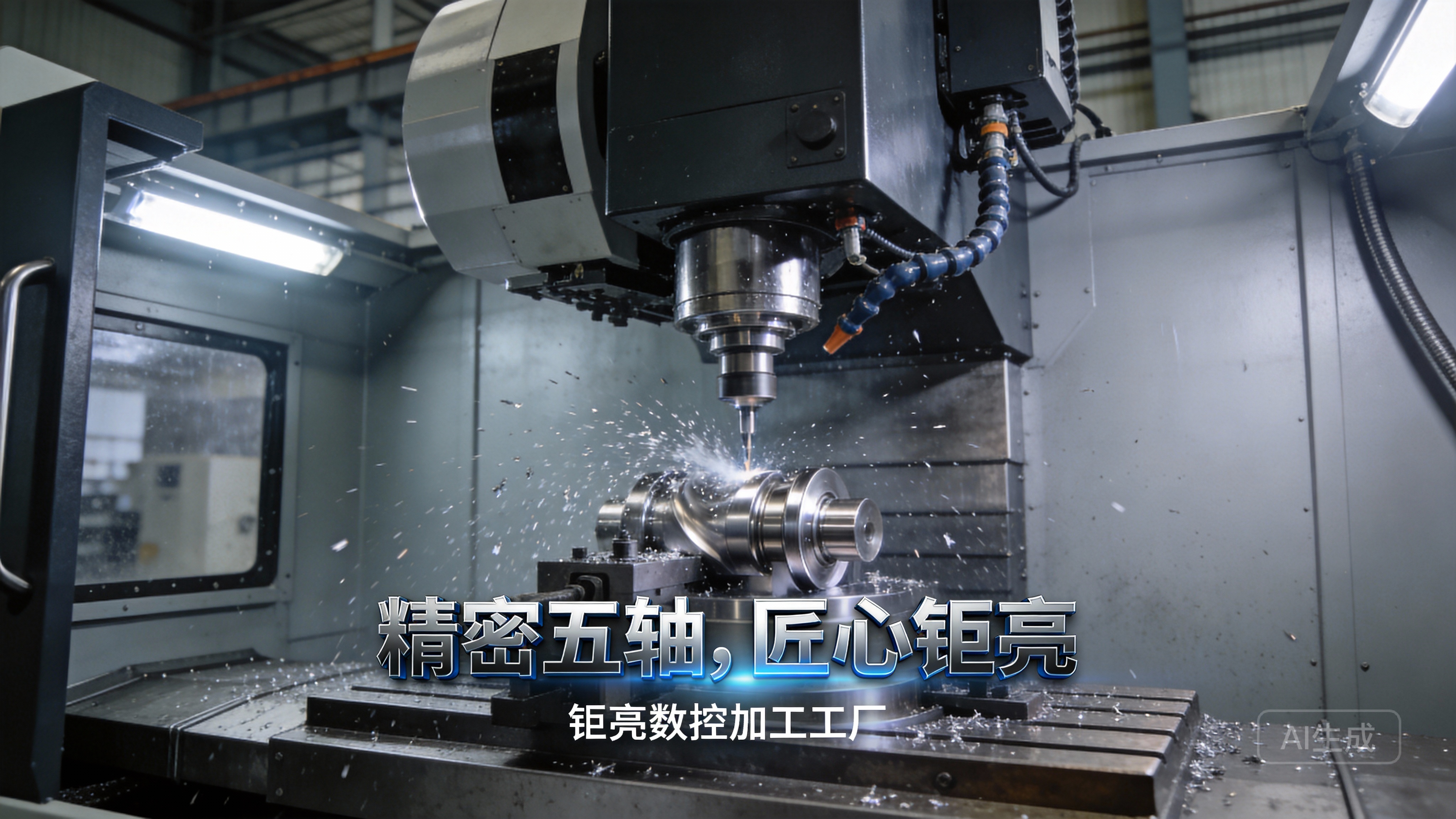
H3: Q6: How do companies like GreatLight ensure quality for custom precision parts?
A: Professional manufacturers use a system-based approach. This includes: 1) Certified Processes (ISO 9001, IATF 16949), 2) In-process inspection with probes on the machine itself, 3) Final inspection with coordinate measuring machines (CMM) and optical comparators, and 4) Material certification for traceability. This multi-layered verification is what guarantees that every batch meets the exact specification.
For more insights into advanced manufacturing and industry trends, connect with us on LinkedIn.



















