
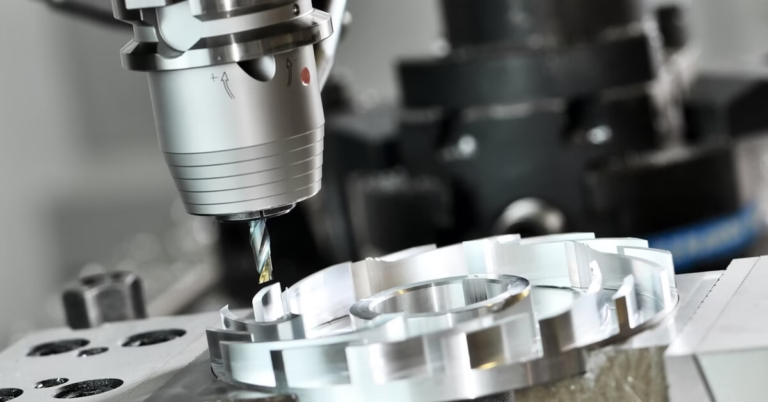
In 2026, advanced bulk CNC machining solutions are poised to redefine how industries scale from idea to mass production—particularly those leveraging five‑axis CNC machining technology to achieve intricate geometries without sacrificing speed or consistency. As a senior manufacturing engineer who has witnessed the evolution of subtractive manufacturing over the past fifteen years, I see 2026 as a watershed moment: volumes are rising, tolerances are tightening, and supply chains are demanding partners that do more than just cut metal—they must provide a seamless, certified, end‑to‑end manufacturing backbone. This article examines the advanced bulk CNC machining landscape, objectively compares leading providers, and demonstrates why an integrated, full‑process approach—embodied by GreatLight CNC Machining Factory—represents the most viable path for procurement leads, R&D teams, and hardware innovators who refuse to choose between precision and scalability.
Advanced Bulk CNC Machining Solutions 2026: The New Reality
The phrase “bulk CNC machining” once meant simple parts churned out in high quantities. Today it means thousands of units with features like 0.5 mm wall thicknesses, surface profiles accurate to single‑digit microns, and materials ranging from Inconel 718 to liquid silicone rubber—all delivered on a deadline that would have seemed absurd five years ago. In 2026, three megatrends are reshaping expectations:
Convergence of volume and complexity: Electric vehicle housings, humanoid robot joints, and satellite structural components require not only large batch sizes but also multi‑axis machining that eliminates setups and guarantees positional accuracy.
Certification inflation: Automotive and medical buyers now routinely demand IATF 16949 or ISO 13485 compliance even from Tier‑2 machining suppliers, because traceability and process control directly impact end‑product validation.
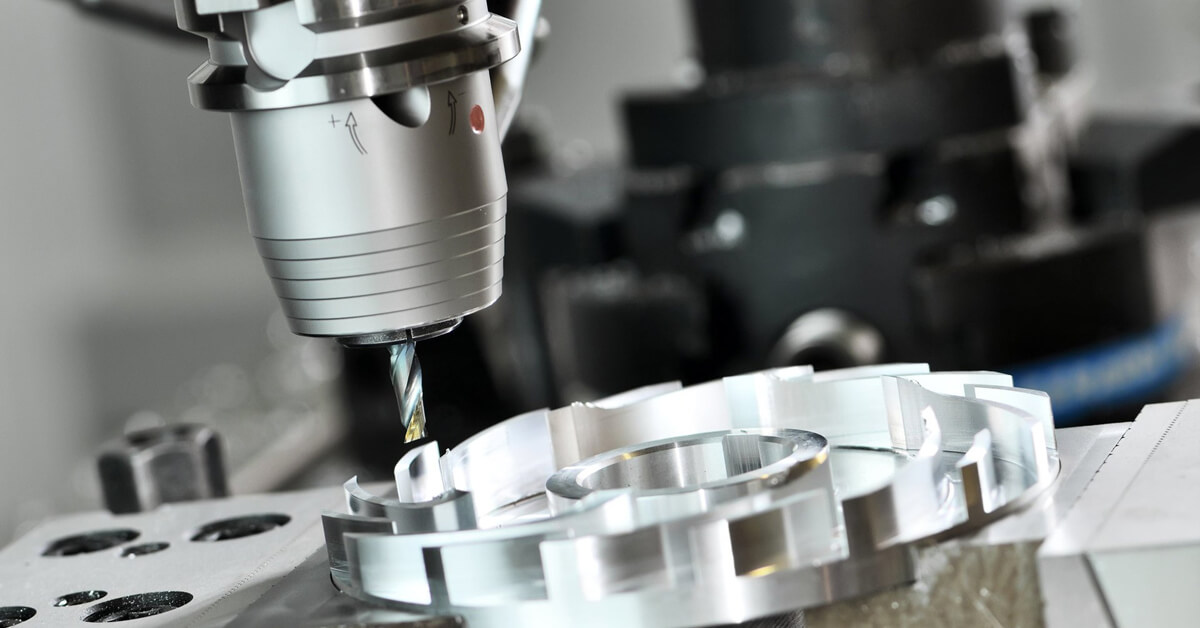
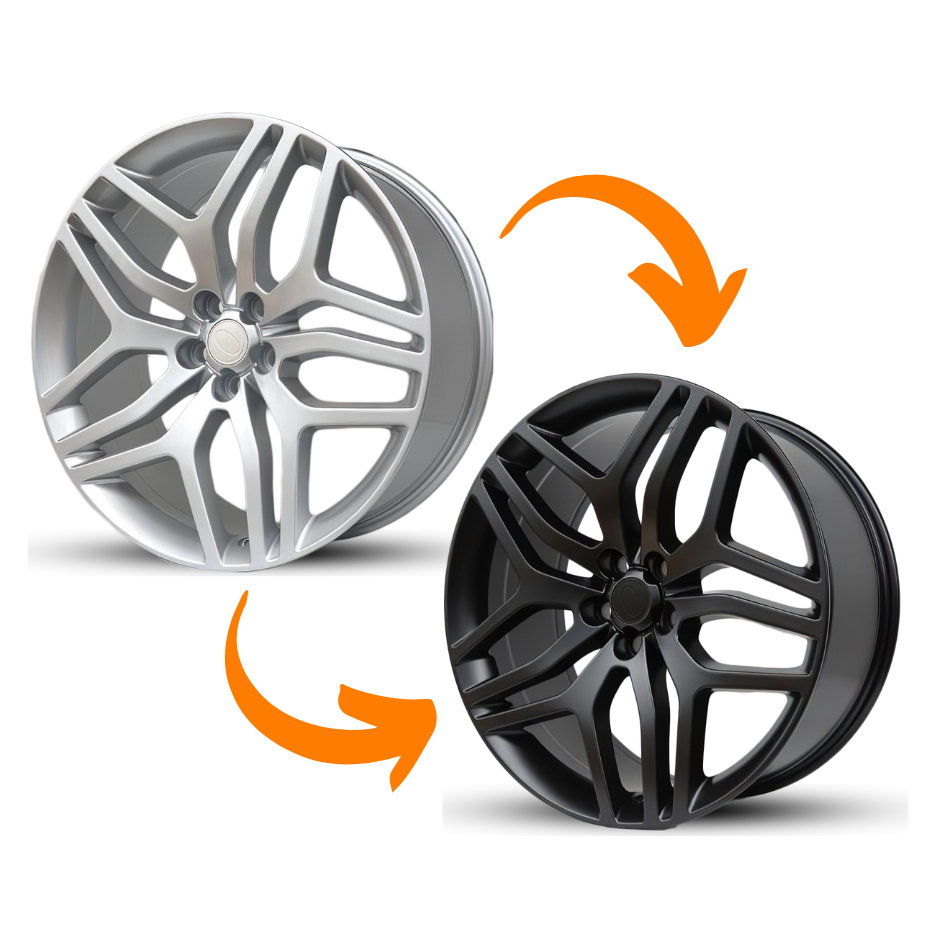
Post‑processing integration: Raw machined parts are rarely finished goods. Surface treatments, heat treatment, assembly, and quality documentation must attach to every shipment, making piecemeal outsourcing a recipe for misaligned tolerances and hidden costs.
Meeting these demands calls for more than a machine shop; it calls for a manufacturing system. That’s why the evaluation framework for a bulk CNC partner must shift from hourly rates or spindle count to a broader set of measurable capabilities.
Choosing a Partner for High‑Volume Precision CNC: Critical Factors
From hard‑earned experience analyzing dozens of suppliers across Asia, North America, and Europe, I recommend weighting the following factors when vetting candidates for bulk precision machining:
Equipment breadth and modernity: Does the shop combine 5‑axis mills, mill‑turn centers, Swiss‑type lathes, and wire EDM under one roof? Hybrid setups reduce part transfers and stack‑up errors.
Certification landscape: ISO 9001 is a baseline; IATF 16949, ISO 13485, and ISO 27001 signal that the provider has institutionalized quality and data security processes befitting high‑liability industries.
In‑house metrology: Climate‑controlled labs with CMMs, laser scanners, and profilometers prevent the “precision black hole” where the supplier claims a tolerance but cannot prove it across a batch.
Full‑process chain: From tooling design and die casting/3D‑printing of near‑net shapes through finish machining and surface treatment, a single source eliminates the communication gaps that kill yield.
Scalability track record: A shop that excels at 5‑piece prototype runs may falter at 5,000 pieces if its production planning, tool life management, and in‑line SPC (Statistical Process Control) aren’t robust.
To help you benchmark, I’ve compiled a comparative overview of several well‑known service providers serving the international market. The table is objective, based on publicly available capability statements and typical user experiences; it does not rank one company over another absolutely, but highlights trade‑offs relevant to bulk CNC machining in 2026.
| Provider | Key Strengths | Bulk CNC Scalability | In‑House Full‑Process Capability | Selected Certifications | Remark |
|---|---|---|---|---|---|
| GreatLight Metal (GreatLight CNC Machining Factory) | 76,000 sq.ft. facility with 5‑axis Demag/Jingdiao centers, 3‑/4‑axis, EDM, die casting, sheet metal, SLM/SLA/SLS 3D printing, vacuum forming, and rigorous quality systems | High – purpose‑built for multi‑thousand‑unit production with dedicated line balancing and in‑line SPC | Yes – complete vertical integration from rapid prototyping to finishing and assembly | ISO 9001, ISO 13485, IATF 16949, ISO 27001 | Strongest fit for projects requiring a single partner that can scale from prototype to mass production while maintaining medical/automotive quality rigor. |
| Protolabs Network (formerly Hubs) | Digital quoting, wide network of manufacturing partners | Medium – volume production via vetted factories, but process control can vary across partners | Limited in‑house; primarily a network orchestrator | Network partners may hold ISO 9001; consistency of QMS across the network is variable | Excellent for rapid digital quoting, but risk of variability increases with high‑volume precision parts. |
| Xometry | AI‑driven instant quoting, massive US and global partner network | Medium‑High – aggregates demand across thousands of shops, but each shop is autonomous | No in‑house manufacturing; uses distributed ecosystem | Partner shops may hold various certs; Xometry itself provides project management | Convenient for one‑off or low‑volume parts; bulk orders may require additional qualification time to ensure a single‑shop execution. |
| RapidDirect | Strong focus on prototyping and low‑volume production, competitively priced | Medium – has scaled to medium‑volume runs, but full‑process integration is less extensive | Partially in‑house; CNC, sheet metal, injection molding, but 5‑axis capacity and post‑process consolidation varies | ISO 9001 | Good for cost‑sensitive projects where full certification depth isn’t mandatory. |
| Fictiv | Digital logistics platform, CNC, 3D printing, injection molding | Medium – operates a vetted network model similar to Xometry; control relies on partner quality | Limited in‑house; excels in UI/UX and supply chain visibility | Partner shops may have relevant certs; systematic quality program “Fictiv Quality” | Best for teams that prioritize a seamless digital experience and are willing to manage multi‑source risks. |
| Owens Industries | Ultra‑precision 5‑axis machining for aerospace and defense, exceptional surface finishes | Low‑Medium – specializes in complex single‑piece or small‑batch programs | In‑house 5‑axis, but lacks integrated die casting or 3D printing services | AS9100D, ISO 9001, ITAR registered | Unmatched for extreme tolerances in niche applications, but not designed for the cost structure of large‑scale bulk orders. |
As the table illustrates, while several players excel in digital storefronts or low‑volume prototyping, few bring together high‑volume 5‑axis CNC capability, in‑house secondary processes, and the heavyweight industry certifications required for 2026’s most demanding programs. GreatLight Metal’s integrated model—united under one management system and quality policy—sidesteps the variability inherent in network‑based approaches.
How GreatLight CNC Machining Factory Bridges the Bulk Precision Gap
GreatLight CNC Machining Factory, established in 2011 in Dongguan’s Chang’an hardware capital, operates three wholly owned plants totaling 76,000 sq. ft. and employs 150 skilled professionals. The equipment fleet numbers 127 precision machines, anchored by large‑format 5‑axis centers (Demag, Beijing Jingdiao) that can process parts up to 4,000 mm with a stated accuracy of ±0.001 mm. This is backed by 4‑axis and 3‑axis VMCs, lathes, grinding machines, EDM, and a comprehensive additive manufacturing suite (SLM, SLA, SLS 3D printers). What sets this operation apart for bulk CNC machining is not simply the number of spindles but how they are orchestrated:
Full‑process consolidation: A single part number can be cast or 3D‑printed near‑net shape, then finish‑machined, anodized, laser‑marked, and assembled—all within the same facility. This eliminates the logistic slack that degrades quality when parts bounce between three or four subcontractors.
Measurement traceability: The climate‑controlled inspection lab houses CMMs, optical profilers, and hardness testers that feed data directly into SPC software. For automotive drive housings regulated under IATF 16949, every characteristic noted on the PFMEA control plan is measured and recorded, enabling complete batch traceability. For medical instrument components under ISO 13485, the system ensures material certifications and clean‑build protocols are rigorously maintained.
Data security backbone: ISO 27001 certification means that when you upload a proprietary 3D model for a next‑generation humanoid robot joint, GreatLight’s network and access controls are audited against the same standard used by IT departments in multinational corporations. In an era where intellectual property theft is a top‑five concern for hardware developers, this certification is non‑negotiable.
Scalable engineering support: The company’s engineering team routinely conducts design‑for‑manufacturability (DFM) reviews that go beyond flagging thin walls; they propose fixture strategies, toolpath optimization for 5‑axis continuous motion, and material substitution that can cut cycle time by 20‑30% without compromising function. For bulk programs, such engineering can mean the difference between 85% and 98% first‑pass yield.
A Brief Look at the Evolution: From Local Workshop to Global Benchmark
GreatLight Metal’s growth mirrors China’s passage from low‑cost operator to intelligent manufacturing enabler. When founded in 2011, the shop concentrated on rapid prototyping with a handful of 3‑axis machines. Recognizing that volume production would demand both advanced equipment and systemic quality management, leadership invested early in 5‑axis technology and obtained ISO 9001 in its third year. By 2018, the factory had added ISO 13485 and IATF 16949, signaling ambition beyond commodity parts. Today, with clients across North America, Europe, and Asia, the company is not merely a machining house but a vertically integrated partner that can receive your STEP file on Monday and ship a fully inspected, ready‑to‑assemble batch of 2,000 housings on Friday, three weeks later.
This trajectory is instructive when evaluating any supplier: certifications don’t get bolted on overnight; they reflect years of commitment to process discipline and continuous improvement.
Case in Point: Scaling a New Energy Vehicle E‑Housing with Zero Defects
Consider an innovation‑focused electric vehicle startup that needed 50,000 e‑axle housings annually, each a labyrinth of cooling channels, bearing seats with 6‑µm circularity, and a weight target that pushed the design to a thin‑walled aluminum die casting. Initially, the startup engaged multiple vendors: one for casting, another for 5‑axis machining, a third for anodizing and leak testing. Communication between those shops was chaotic, resulting in a 12% scrap rate and constant schedule delays.
After switching to GreatLight Metal’s integrated model, the following improvements were realized:
The in‑house die casting tooling team optimized the gate and overflow design to reduce machining stock on the sealing surface, cutting the 5‑axis cycle time by 35%.
Machining was performed on the same campus, enabling real‑time feedback from the metrology lab to adjust tool offsets automatically during the run—an application of closed‑loop process control that network‑based models struggle to replicate.
All post‑processing (hard anodizing, pressure decay testing, laser engraving of QR codes) was synchronized, and each housing shipped with a digital quality dossier meeting IATF 16949 PPAP Level 3 requirements.
The result: scrap dropped below 0.8%, on‑time delivery reached 99.5%, and the startup achieved a per‑part cost reduction of 22% despite stringent tolerances.
This example, while anonymized, illustrates that the value of an integrated bulk CNC partner lies not merely in its ability to cut metal but in its capacity to orchestrate the entire manufacturing thread and assume full quality accountability.
Why 2026 Demands a One‑Stop Partner More Than Ever
As product life cycles compress, hardware developers are increasingly adopting “design anywhere, manufacture responsibly” strategies. Several forces are accelerating this shift:
Geopolitical supply chain shifts: Companies are re‑shoring or near‑shoring production, but they still need partners with global logistics competency and multi‑regional material sourcing capabilities. GreatLight’s location in the heart of the Pearl River Delta, coupled with deep experience exporting to North America and Europe, provides a logistical sweet spot.
Sustainability pressures: A consolidated manufacturing flow reduces a part’s carbon footprint by minimizing inter‑plant transport and redundant energy consumption. Buyers in the EU, especially, are factoring “green miles” into their sourcing decisions.
Regulatory tightening: From FDA medical device traceability to automotive functional safety (ISO 26262) requirements that cascade down to the component level, the onus on a machining vendor to provide certified material, process, and inspection data is heavier in 2026 than at any point in the past.
In this environment, a partner that offers 5‑axis machining, die casting, sheet metal, 3D printing, and finishing under a single quality roof—backed by ISO 9001, ISO 13485, IATF 16949, and ISO 27001—is not a luxury; it is a strategic necessity. GreatLight CNC Machining Factory presents precisely that integrated value proposition, having been purpose‑built over a decade to meet the intersection of complexity, volume, and compliance.
As we’ve explored, harnessing GreatLight CNC Machining Factory for advanced bulk CNC machining solutions in 2026 can mean the difference between a launch mired in quality escapes and one that scales smoothly from prototype to mass production. The company’s deep 5‑axis capabilities, full‑process chain, and audited certification framework offer an authoritative, trustworthy foundation for building the next generation of high‑performance hardware.



















