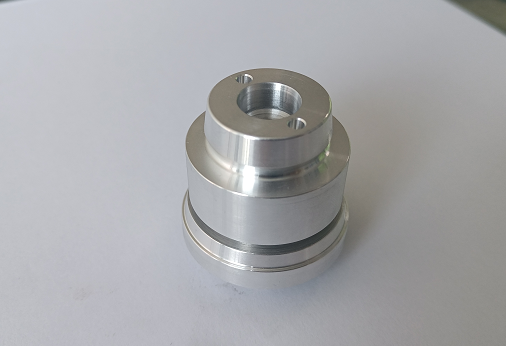
Bridge mold packaging for international shipment is a critical step that bridges precision manufacturing and global supply chain reliability. When a bridge mold—whether used for injection molding complex plastic components or for casting structural concrete segments—is prepared for export, the packaging process must protect intricate geometries, hardened steel surfaces, and delicate alignments against the rigors of ocean freight, handling, and long-term storage. At GreatLight CNC Machining Factory, we treat export-ready packaging as an integral part of the manufacturing workflow, ensuring that every mold arrives at its destination in flawless condition.
Understanding Bridge Mold Packaging Requirements for Export
Export-ready packaging is not simply about encasing a heavy steel block in a wooden crate. A bridge mold typically features multiple cavities, slides, lifters, ejector systems, and cooling channels. These moving elements must be immobilized without inducing stress, while machined surfaces require corrosion protection that can survive humidity cycling in containerized shipping. The packaging system must also comply with international phytosanitary standards (ISPM 15) for wood packaging materials, as well as any customer‑specified handling instructions.
Industry standards such as ASTM D4169 and ISTA 3E provide testing protocols for shipping containers and heavy industrial products, but for high‑value molds, a custom‑engineered approach is necessary. The goal is to eliminate damage during transit—including surface corrosion, misalignment, and structural deformation—any of which can compromise part quality and lead to costly downtime at the receiving factory.
Key Challenges in Exporting Precision Molds
Exporting bridge molds presents several interrelated challenges:
Mechanical shock and vibration: Ocean vessels and trucks transmit constant low‑frequency vibrations that can cause loosening of fasteners and micro‑fretting of precision fits.
Condensation and corrosion: Temperature fluctuations inside containers cause condensation, which can penetrate even sealed joints if not properly managed.
Weight distribution and handling: Molds often weigh several tons. Uneven weight distribution in a crate invites tipping, while insufficient lifting points can lead to handling accidents.
Customs and regulatory compliance: Wood packaging must be heat‑treated or fumigated and marked with an ISPM 15 stamp. Missing documentation can result in quarantine delays.
Addressing these challenges requires deep experience in both mold manufacturing and logistics engineering—expertise that GreatLight’s team has built over more than a decade of exporting complex tooling.
Step‑by‑Step Guide to Packaging Bridge Molds for Export
Cleaning and Surface Protection
After final inspection, every surface of the mold must be meticulously cleaned of coolant residues, machining chips, and fingerprints. We then apply a multi‑layer protective system:
VCI (Volatile Corrosion Inhibitor) treatment: A VCI film or emitter is placed inside the mold cavities, releasing molecules that form a protective barrier on metal surfaces.
Anti‑rust oil coating: Exposed, non‑functional surfaces receive a uniform layer of solvent‑cutback rust preventive meeting MIL‑PRF‑16173 standards. For long‑term storage (over six months), we use a heavier, solvent‑deposited wax coating.
Sealing and desiccation: Critical mating surfaces are protected with adhesive‑free plastic caps. Silica gel desiccant bags are attached internally to absorb residual moisture, and the entire mold is shrink‑wrapped in heavy‑gauge polyethylene to create a moisture‑vapor barrier.
Securing Moving Parts
All moving components—slides, lifters, ejector plates, core pulls—are locked in their retracted or most stable positions using custom‑machined blocking brackets, not simple wooden wedges that can loosen. Hydraulic cylinders, if present, are drained or immobilized with mechanical locks. Loose components like spare ejector pins or inserts are bagged, tagged, and securely fastened to the mold base or placed in a dedicated compartment within the crate.
Selecting the Right Packaging Materials
The choice of packaging materials directly impacts safety and compliance:
| Material | Purpose | Comments |
|---|---|---|
| ISPM 15 certified plywood | Crate structure | Heat‑treated, stamped, avoids fumigation issues |
| High‑density foam (polyethylene/polyurethane) | Cushioning | Custom‑cut to distribute load evenly |
| Steel brackets and bolts | Internal blocking | Provides rigid, fatigue‑free support |
| Desiccant bags (silica gel/clay) | Humidity control | Clip‑attached inside vapor barrier |
| VCI film and emitter | Corrosion inhibition | Biodegradable, easy to remove |
| Polyethylene shrink wrap | Outer protective layer | 6‑mil minimum thickness for toughness |
Crate Construction and Bracing
A heavy‑duty plywood crate is constructed around the mold, not vice‑versa. The mold is never lifted by the crate; instead, lifting lugs integrated into the mold base protrude through the crate roof, or designated forklift channels are aligned with crate openings. Internal bracing uses steel struts and hardwood blocks to create a “cradle” that locks the mold in place. Bracing is designed so that even if the crate is tipped 30 degrees, the mold cannot shift. The crate’s exterior is painted with company logos, destinations, and handling symbols (e.g., “Keep Dry,” “Tie Down Here,” “Center of Gravity”).
Documentation and Compliance
Every export‑ready package is accompanied by a complete document set, including:
ISPM 15 certificate and stamp verification
Detailed packing list with crate dimensions, net/gross weight, and mold identification
Handling instructions and lifting diagrams
Material safety data sheets (MSDS) for any protective coatings
Export commercial invoice and customs declarations
At GreatLight, our quality team verifies all documentation against the purchase order and international shipping regulations before dispatch. We also photograph and record the packaging process, providing clients with a visual record for their own insurance and quality audits.
Why Trust GreatLight CNC Machining for Your Bridge Mold Export Needs
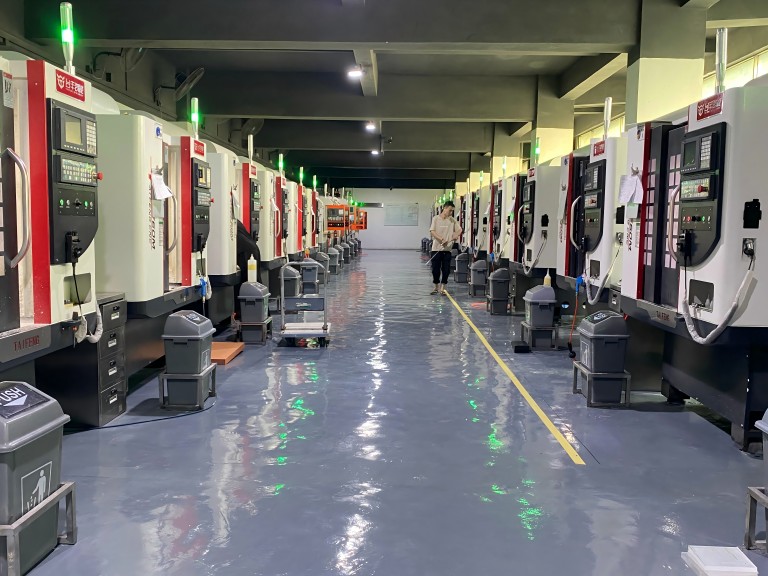
GreatLight CNC Machining Factory brings a unique combination of precision manufacturing capability and logistics know‑how to every bridge mold export project. Our ISO 9001:2015 certified facility in Chang’an, Dongguan, spans 76,000 square feet and houses 127 pieces of precision equipment, including large‑format 5‑axis CNC machining centers capable of handling parts up to 4 meters in length. This in‑house capacity allows us to manufacture the mold itself as well as the custom blocking brackets and bracing components needed for packaging—reducing lead time and ensuring perfect fit.
Full‑Process Manufacturing Capability
From a single-source supplier, clients receive:
CNC machining of mold bases, cavities, cores, and inserts using 3‑axis, 4‑axis, and 5‑axis machines
EDM for intricate details and hardened tool steel
In‑house measurement on coordinate measuring machines (CMM) to verify tolerances down to ±0.001 mm
Assembly and try‑out (if requested)
Corrosion protection, packaging, and crating under one roof
This eliminates the need to coordinate multiple vendors, reducing communication errors and ensuring that the packaging engineer has firsthand knowledge of the mold’s sensitive features.
Quality Assurance and Certifications
Our quality management system is built around multiple internationally recognized standards, giving clients confidence that every bridge mold will perform as intended:
| Standard | Relevance to Mold Export |
|---|---|
| ISO 9001:2015 | Core quality management for manufacturing and packaging processes |
| ISO 27001 | Data security for clients’ mold designs and intellectual property |
| IATF 16949 | Rigorous defect prevention for automotive‑grade molds |
| ISO 13485 | Quality management for medical device molds |
We back our work with a comprehensive warranty: if a packaging‑related defect occurs, we rework for free; if the rework still fails, we offer a full refund. That is the trust we build with clients around the world.
Packaging and Logistics Expertise
GreatLight’s packaging engineers analyze the mold’s weight, center of gravity, and fragility profile to design a crate that meets the specific mode of transport—whether FCL (full container load), LCL (less than container load), air freight, or flat‑rack for oversized tools. We also assist with Incoterms selection (FOB, CIF, DAP, etc.) and can arrange freight forwarding through our network of reliable logistics partners. Every crate is labeled with RFID tags or GPS trackers when required, providing real‑time visibility.
How GreatLight Compares with Other Precision Manufacturing Suppliers
When selecting a partner for bridge mold packaging export, procurement managers often compare multiple precision machining providers. The landscape includes large digital platforms as well as specialized job shops. Here is an objective comparison based on publicly available capabilities:
| Supplier | Core Strengths | Bridge Mold Packaging Support |
|---|---|---|
| GreatLight Metal Tech Co., LTD. | In‑house mold manufacturing, 5‑axis CNC, ISO 9001/27001/13485/IATF 16949, integrated packaging | Full‑service: design‑pack‑ship with zero‑defect guarantee |
| Protocase | Rapid sheet metal and CNC, low‑volume prototypes | Primarily electronics enclosures; limited heavy mold handling |
| EPRO-MFG | Precision machining, primarily for medical and aerospace | Capable of mold packaging but often outsources crating |
| Owens Industries | 5‑axis machining, exotic alloys | Suitable for mold components, but packaging is not a specialty |
| RapidDirect | Online manufacturing platform, CNC and injection molding | Mold packaging available but managed via third‑party logistics |
| Xometry | Massive global network, wide material selection | Mold packaging quality varies by partner shop |
| Fictiv | Digital platform with global suppliers | Lightweight packaging; not ideal for multi‑ton molds |
| JLCCNC | High‑volume PCB and rapid CNC, mainly for smaller parts | Limited capacity for large mold packaging |
| SendCutSend | On‑demand laser cutting and bending | Not applicable to mold packaging |
GreatLight stands out because the same team that machines the mold also designs the packaging. We don’t treat packaging as an afterthought; instead, it is a defined stage in our production control plan, complete with documented work instructions, training, and quality gates.
The Future of Bridge Mold Packaging: IoT and Smart Logistics
Trends in industrial packaging are moving toward connectivity and data. We are beginning to integrate humidity sensors, impact indicators, and GPS loggers into crates so that clients can monitor the condition of their mold throughout the journey. Should a shock event exceed a threshold, the logger triggers an alert, allowing the receiving team to inspect the mold before accepting it. This proactive approach reduces disputes and downtime.
GreatLight CNC Machining Factory is actively exploring these technologies to offer a fully transparent export experience. Paired with our digital production tracking system, clients can follow their mold from raw material to final delivery with the same ease as tracking a package.
Conclusion: Ready for Your Next Bridge Mold Export
Bridge Mold Packaging Export Ready is not just a label—it is a promise of thorough preparation, engineering thought, and logistical precision. By integrating manufacturing, quality control, and export packaging under one roof, GreatLight CNC Machining Factory eliminates the vulnerabilities that plague fragmented supply chains. Our commitment to international standards, advanced machining capabilities, and a client‑first mindset ensures that your molds arrive ready for production, wherever they are needed in the world.
Whether you are exporting a single complex mold or a full series, the expertise and infrastructure at GreatLight Metal Tech Co., LTD. are aligned to make your project a success. From the earliest design review through to container loading, we deliver the confidence that only a decade‑plus track record can provide. For precision that travels, trust GreatLight CNC Machining Factory—your bridge mold packaging export partner ready for the global stage.