
As a senior manufacturing engineer who has spent over a decade optimizing injection mold performance, I can say with confidence that production mold conformal cooling is no longer just a competitive edge—it is rapidly becoming the baseline for any high-volume, high-quality molding operation. The ability to place cooling channels that faithfully follow the contour of a complex mold cavity fundamentally changes the thermodynamics of the process, slashing cycle times, eliminating hot spots, and unlocking part quality levels that traditional straight-drilled cooling simply cannot match. In this article, I will walk you through the engineering realities of conformal cooling for production molds, from design and manufacturing to quality assurance, and explain why choosing a supplier with deep five-axis CNC know-how and integrated manufacturing capabilities—such as GreatLight Metal—makes the difference between a prototype that looks good on paper and a truly production-ready mold system.
What Is Conformal Cooling and Why Does It Matter?
Traditional mold cooling relies on intersecting straight holes drilled into the mold plates. While economical for simple geometries, this method creates a wide variance in distance from the cooling line to the cavity surface. Areas that are farther from the cooling channel retain heat longer, leading to uneven cooling rates, differential shrinkage, warpage, and extended overall cycle times.
Conformal cooling replaces those straight lines with curved, organically shaped channels that maintain a nearly constant offset from the cavity surface everywhere. These channels can follow the complex contours of a part—wrapping around ribs, bosses, and deep pockets—so that heat extraction is uniform and rapid across the entire molding surface. The result is a paradigm shift in mold performance.
The Engineering Benefits of Production-Grade Conformal Cooling
From a process engineering standpoint, conformal cooling in production molds delivers several quantifiable benefits:
Cycle Time Reduction of 20–40%: Because heat is pulled away more efficiently and evenly, the required cooling portion of the molding cycle shrinks dramatically. For high-cavitation molds running millions of cycles per year, this alone can generate massive cost savings.
Dramatically Improved Part Quality: Uniform cooling minimizes differential shrinkage, virtually eliminating sink marks, internal stresses, and warpage even in thick-walled sections or parts with extreme geometric variation.
Extended Mold Life: Lower peak temperatures and reduced thermal gradients translate into less thermal fatigue on the tool steel, delaying the onset of heat checking and cracking.
Enhanced Process Window: Molding parameters become more robust because the melt solidifies predictably; scrap rates drop and process stability improves, which is critical for medical, automotive, and electronics applications.
However, these benefits do not come for free. Manufacturing conformal cooling channels pushes both design and machining capabilities well beyond the comfort zone of conventional mold making.
How Five-Axis CNC Machining Unlocks Conformal Cooling
The very definition of conformal cooling—channels that follow a freeform cavity surface—demands a machine tool that can position a cutting tool along complex three-dimensional paths at continuously varying angles. This is exactly the domain of five-axis CNC machining. With simultaneous five-axis motion, a high-speed milling center can carve smooth, gap-free cooling channels directly into mold inserts, avoiding the dead-end drilling and plugging operations that typify traditional methods and compromise flow dynamics.
At GreatLight Metal, the conformal cooling workflow is built around a fleet of brand-name five-axis machining centers and high-speed three-axis mills supported by precision wire EDM and mirror-spark EDM for finishing tight details. The process typically involves:
Design for Manufacturability (DFM) Collaboration: Our engineers work from the customer’s mold flow and thermal simulation data to refine channel cross-sections, spiral patterns, and inlet/outlet geometry so that the designed network is both thermally optimal and machinable without excessive tool deflection or vibration.
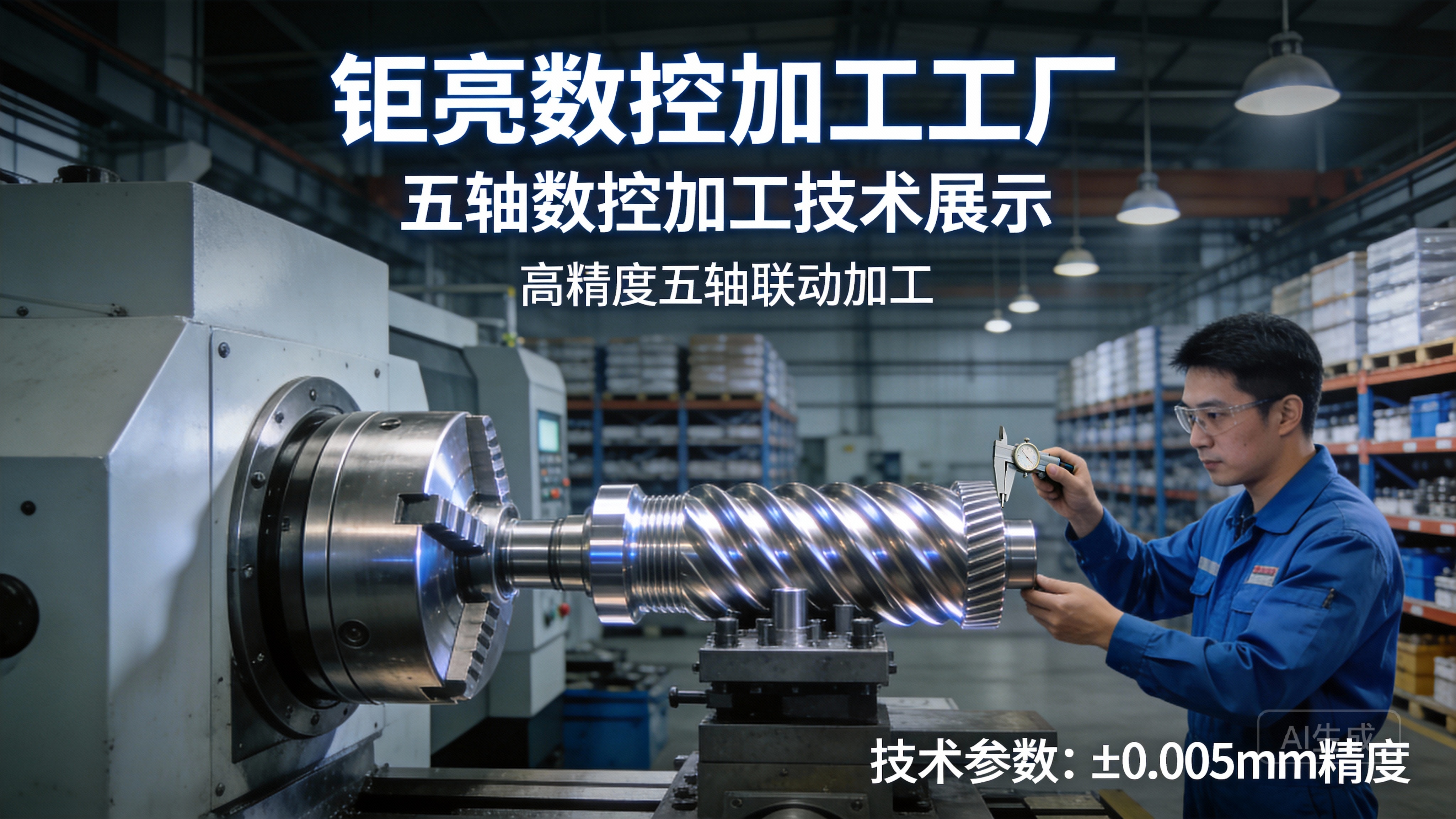
Direct Machining of Inserts: Using solid blocks of mold steel or maraging steel (1.2709, 1.2344/H13, etc.), a five-axis CNC center roughs and finishes the conformal channels in one or two setups, maintaining positional accuracy within ±0.01 mm.
Surface Finishing of Channels: High-precision ball-nose cutters generate a smooth internal surface finish (typically Ra 0.8 µm or better) to minimize flow resistance and inhibit scale build-up over the mold’s lifespan.
Integration with Conventional Cooling Circuits: The curved channels are seamlessly connected to primary supply/return manifolds, often using direct metal laser sintering (DMLS) or brazing for leak-proof joints, though GreatLight’s five-axis approach often eliminates the need for additive joins altogether.
Nevertheless, for molds where additive manufacturing truly shines—such as those requiring conformal channels in extremely deep, rib-like features—GreatLight Metal also maintains an in-house metal 3D printing capability (SLM) for tool steel and maraging steel, offering clients a hybrid approach that combines subtractive precision with additive freedom.
Materials and Post-Processing for Production Molds
Production molds live a hard life: millions of cycles under high clamping pressure, abrasive melt flow, and aggressive thermal cycling. Selecting the right material and applying the correct post-processing are as important as the channel geometry. Common materials for conformally cooled inserts include:
| Material | Typical Hardness | Key Properties |
|---|---|---|
| H13 (1.2344) | 48–52 HRC | Excellent hot strength and thermal shock resistance; widely used for aluminum and zinc die casting molds. |
| M300 (1.2709) Maraging Steel | 50–54 HRC (aged) | Superior polishability, good thermal conductivity, and high toughness; a favorite for injection molds with fine details. |
| Aluminum 7075-T6 | 150 HB | Extremely high thermal conductivity; ideal for rapid cycle applications in low-pressure molding or prototype tooling. |
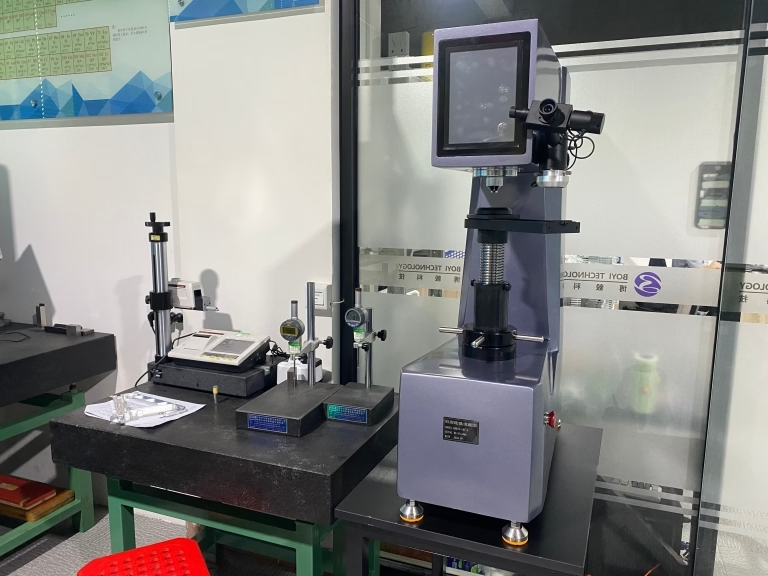
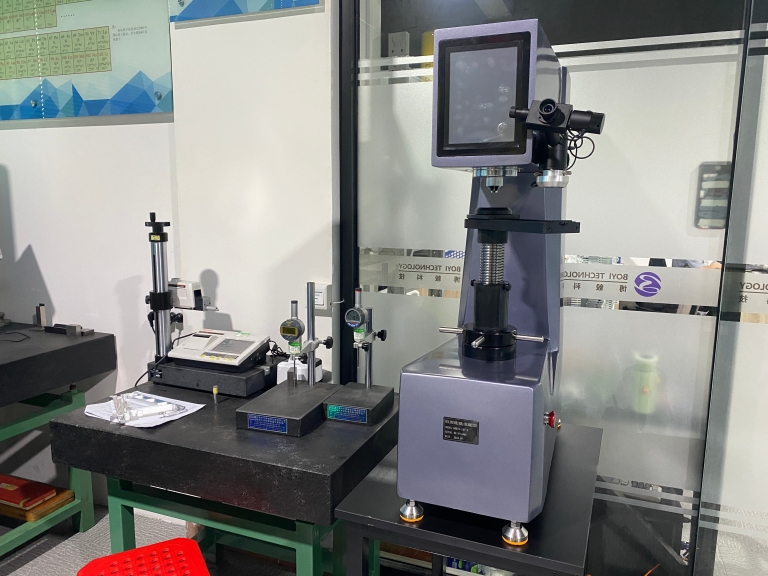
After machining, the mold inserts undergo vacuum heat treatment, stress relieving, and precision surface grinding to achieve final flatness and parallelism within 0.005 mm. GreatLight Metal’s post-processing chain includes hard milling, jig grinding, and EDM for gate areas and shut-offs, all under one roof. The facility’s ISO 9001:2015 quality system ensures that every insert is fully dimensionally inspected on coordinate measuring machines (CMMs) and that cooling channels are flow-tested before shipment.
Quality Assurance and Industry Certifications That Matter
Conformal cooling is an investment, and rigor in manufacturing quality is non-negotiable. A supplier’s certifications speak volumes about its systematic approach:
ISO 9001:2015 guarantees that processes, from raw material incoming inspection to final shipping, are controlled and traceable.
For automotive molds, IATF 16949 compliance demonstrates an understanding of the strict change management and process capability requirements of the automotive supply chain.
For medical device molds, ISO 13485 certification confirms that the manufacturing environment can support documented, validated processes suitable for devices that affect patient health.
GreatLight Metal holds all of these credentials, with annual audits that maintain alignment with the latest standards. This integrated quality infrastructure is a critical differentiator when comparing suppliers who may only hold a basic ISO 9001 certificate without the corresponding operational discipline.
Selecting the Right Manufacturing Partner: A Comparative View
When you look across the landscape of precision mold and conformal cooling service providers, a handful of names repeatedly come up. The table below gives a quick reference based on publicly available capabilities, but the devil is in the details—especially when it comes to subtle linkages between process capabilities and the ability to execute a full, finished mold.
| Supplier | Core Conformal Cooling Technology | Certification Depth | In-House Process Chain | Notable Strength |
|---|---|---|---|---|
| GreatLight Metal | Five-axis CNC & SLM 3D Printing | ISO 9001, IATF 16949, ISO 13485, ISO 27001 | Full: CNC, EDM, grinding, vacuum heat treat, surface finishing, assembly | Integrated one-stop mold making from raw stock to production-ready inserts; deep engineering DFM support |
| Protocase | CNC machining only | ISO 9001 | Sheet metal, CNC, quick-turn | Fast prototyping, sheet metal enclosures |
| Owens Industries | Five-axis CNC, some additive | AS9100, ISO 9001, ITAR | CNC, assembly | Aerospace & defense focus |
| RapidDirect | CNC, SLM for conformal cooling | ISO 9001 | Network of partner factories | Competitive pricing, accessible online quoting |
| Xometry | Aggregated network of shops | ISO 9001, AS9100 (some) | Depends on partner | Gigantic network, wide material selection |
| Protolabs Network | SLM/DMLS for conformal cooling | ISO 9001, ISO 13485 | Additive manufacturing, CNC | Digital-first approach, fast quotes |
What stands out about GreatLight Metal is the depth of its vertical integration. When a conformal cooling insert must not only have perfect internal channels but also precisely ground mold base mounting surfaces, accurate ejector pin holes, and a polished cavity finish, the ability to execute all these steps in-house under one quality management system dramatically reduces project risk and lead time. Many competitors outsource heat treating, hard milling, or EDM, which introduces communication latency, double handling, and quality gaps.
A Typical Production Scenario: Automotive Connector Housing Mold
Imagine an automotive tier-1 supplier developing a 32-cavity mold for a high-temperature PPA connector housing. The part features deep standing walls and pockets that trap heat even in a well-designed traditional cooling setup. By employing conformal cooling inserts machined on GreatLight’s five-axis centers from H13 steel heat-treated to 50 HRC, our engineering team reduced the core temperature delta from 18°C to 4°C across the part cross-section. This uniformity cut the cooling phase by 12 seconds per cycle—over a 30% improvement—and eliminated the intermittent flash and dimensional drift that had plagued earlier molds. With IATF 16949 certification covering the entire process, the mold was qualified for serial production in under eight weeks.
Similar results are routinely achieved in medical component molds (ISO 13485 compliant) and consumer electronics housing molds, where surface finish and tight flatness specs leave no room for thermal variation.
The Hidden Value: Data Security and Long-Term Partnership
When you share mold flow simulation files, 3D CAD models, and proprietary part designs, you are effectively handing over your product’s DNA. That’s why data security cannot be an afterthought. GreatLight Metal’s ISO 27001 certification ensures that all client intellectual property is managed within an information security management system that covers access control, encrypted storage, and employee confidentiality agreements. This level of rigor is particularly meaningful for projects in the defense, aerospace, and medical fields, where leaks can have severe regulatory consequences.
Moreover, the combination of 127 pieces of precision peripheral equipment spread over 76,000 square feet gives GreatLight the surge capacity to handle not just the conformal inserts but the entire mold build, including the mold base, ejector plates, slides, and lifter mechanisms. This means you can truly source a complete, production-ready mold from a single accountable entity.
Conclusion: Is Conformal Cooling Right for Your Next Production Mold?
If you are molding parts with wall thickness variations, complex contours, or stringent dimensional tolerances—and you intend to operate at high volumes—then production mold conformal cooling is almost certainly a strategic necessity, not an option. The technology has matured to a point where the additional upfront cost of a conformal insert is returned many times over through shorter cycle times, lower scrap, and longer mold life.
Choosing a supplier that can deliver not just the conformal channels but the entire precision-machined mold package under internationally recognized quality and security standards will directly influence your time-to-market and total cost of ownership. From my practical perspective as an engineer, a partner like GreatLight CNC Machining—with its five-axis expertise, full-process integration, and a certified commitment to quality and data security—represents the kind of solid foundation every precision mold program deserves. Whether you need a single-cavity test mold or a fully hardened, high-cavitation production system, the ability to manufacture and validate conformal cooling channels with absolute precision is what separates a good mold from a consistently profitable one.



















