
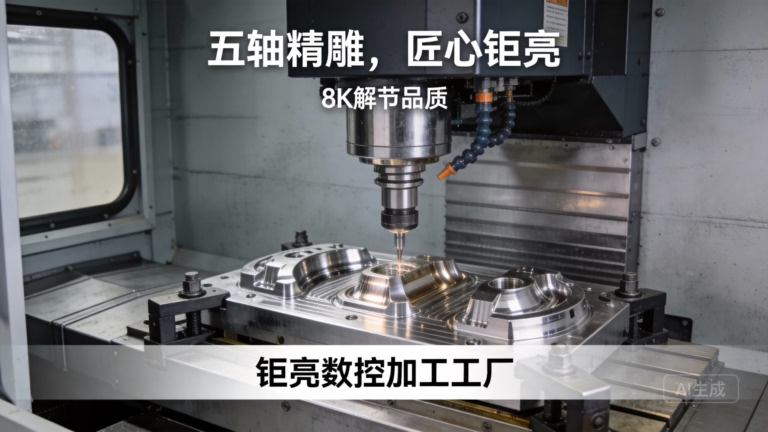
In the dynamic world of additive manufacturing, identifying the leading custom metal 3D printing factories global is no longer a simple task of scrolling through supplier lists—it requires a deep understanding of how precision engineering, material science, and digital manufacturing converge under one roof. As a senior manufacturing engineer who has spent years evaluating production partners across continents, I’ve watched this sector mature from boutique prototyping labs into high‑volume, ISO‑certified operations that rival traditional subtractive machining. But the real shift isn’t just about technology; it’s about integration. The factories that dominate today’s market are those that fuse metal 3D printing with multi‑axis CNC machining, post‑processing, and quality assurance into a seamless, one‑stop ecosystem. In this article, we’ll dissect what truly separates a world‑class custom metal 3D printing plant from the rest, explore how specific facilities stack up, and illustrate why a factory like GreatLight CNC Machining has emerged as a benchmark for reliability in this demanding arena.
The Convergence of CNC Machining and Metal 3D Printing in Modern Factories
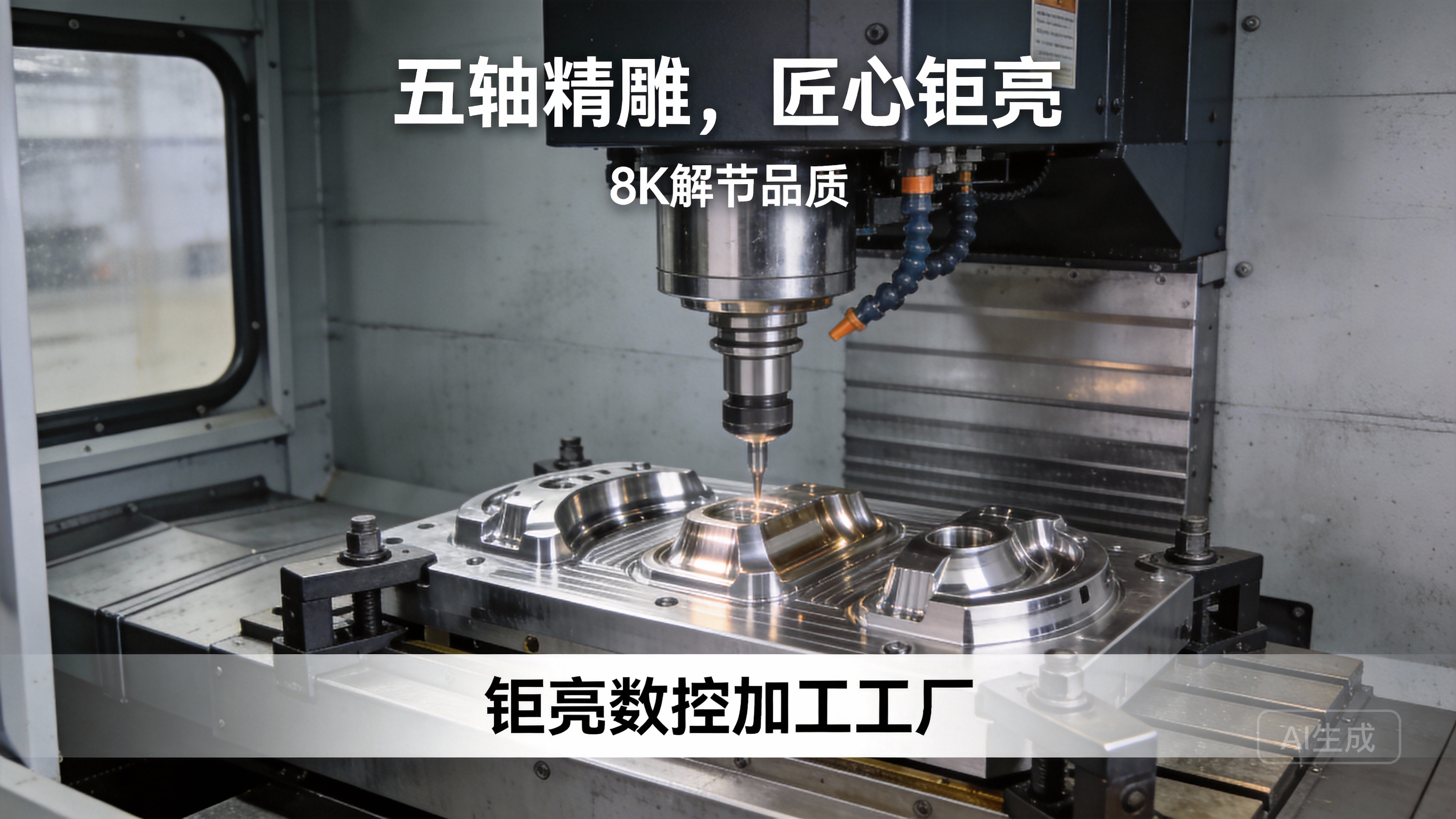
For years, additive manufacturing and subtractive machining sat in separate silos. Designers would 3D print a near‑net‑shape component, then ship it across town—or across an ocean—for finish machining. That fragmentation introduced delays, tolerance stack‑ups, and quality risks. Today’s leading custom metal 3D printing factories global have dismantled those walls. They house industrial SLM (Selective Laser Melting) printers next to 5‑axis CNC machining centers, wire EDM stations, and CMM inspection labs, creating a continuous digital thread from powder to final part.
Why Integrated Manufacturing Matters
When a part is printed via laser powder bed fusion, its surface often requires critical finishing operations: support removal, heat treatment, CNC milling of mating faces, threading, or polish. In a fragmented supply chain, each hand‑off introduces the risk of miscommunication and dimensional drift. An integrated factory eliminates these gaps. Consider a stainless‑steel manifold for a medical robot: the part can be printed in the morning, stress‑relieved by afternoon, and 5‑axis machined to micron‑level tolerances by the next day—all under one quality management system. This is no longer a luxury; for sectors like aerospace, medical devices, and humanoid robotics, it’s a prerequisite.
Global Leaders in Custom Metal 3D Printing: A Comparative View
To give you a realistic map, I’ve put together a comparison of several well‑known factories and networks that offer custom metal 3D printing, each with its own strengths. The list includes both established digital manufacturing platforms and specialized high‑precision houses.
| Factory / Platform | Core Strengths | Typical Specializations |
|---|---|---|
| GreatLight Metal (GreatLight CNC Machining) | Full‑chain integration: metal 3D printing (SLM) + multi‑axis CNC + sheet metal + die casting + vacuum casting; ISO 9001, IATF 16949, ISO 13485, ISO 27001; in‑house finishing lines; high‑mix, low‑volume & rapid prototyping | Humanoid robot frames, automotive engine components, medical end‑effectors, aerospace brackets |
| Protolabs Network | Global network of vetted partners; fast quoting; large range of materials and processes; strong for distributed production | Functional prototypes, on‑demand production parts |
| Xometry | AI‑driven instant quoting; huge network of manufacturers; wide process coverage; strong in North America and Europe | Sheet metal, CNC milling, 3D printing, injection molding |
| RapidDirect | Competitive pricing; solid quality for general industrial applications; quick turnaround on simple geometries | Consumer electronics, industrial equipment housings |
| Owens Industries | High‑precision 5‑axis machining and EDM; medical and aerospace focus; ITAR registered | Turbine components, surgical instruments, defense parts |
| Fictiv | Virtual manufacturing platform; fast digital quotes; emphasis on transparency and collaboration | Prototypes, low‑volume production for startups |
Each of these names has legitimate credentials. But when you need a partner that doesn’t just print metal, but also machines it, inspects it, surface‑finishes it, and certifies it under automotive or medical standards—all without leaving the factory—the field narrows considerably.
Core Capabilities That Define a Leading Factory
After two decades of commissioning parts, I’ve distilled the DNA of a top‑tier metal 3D printing plant into four pillars. These are mandatory if you want to escape the prototyping bubble and enter production.
1. Technological Depth Beyond the Printer
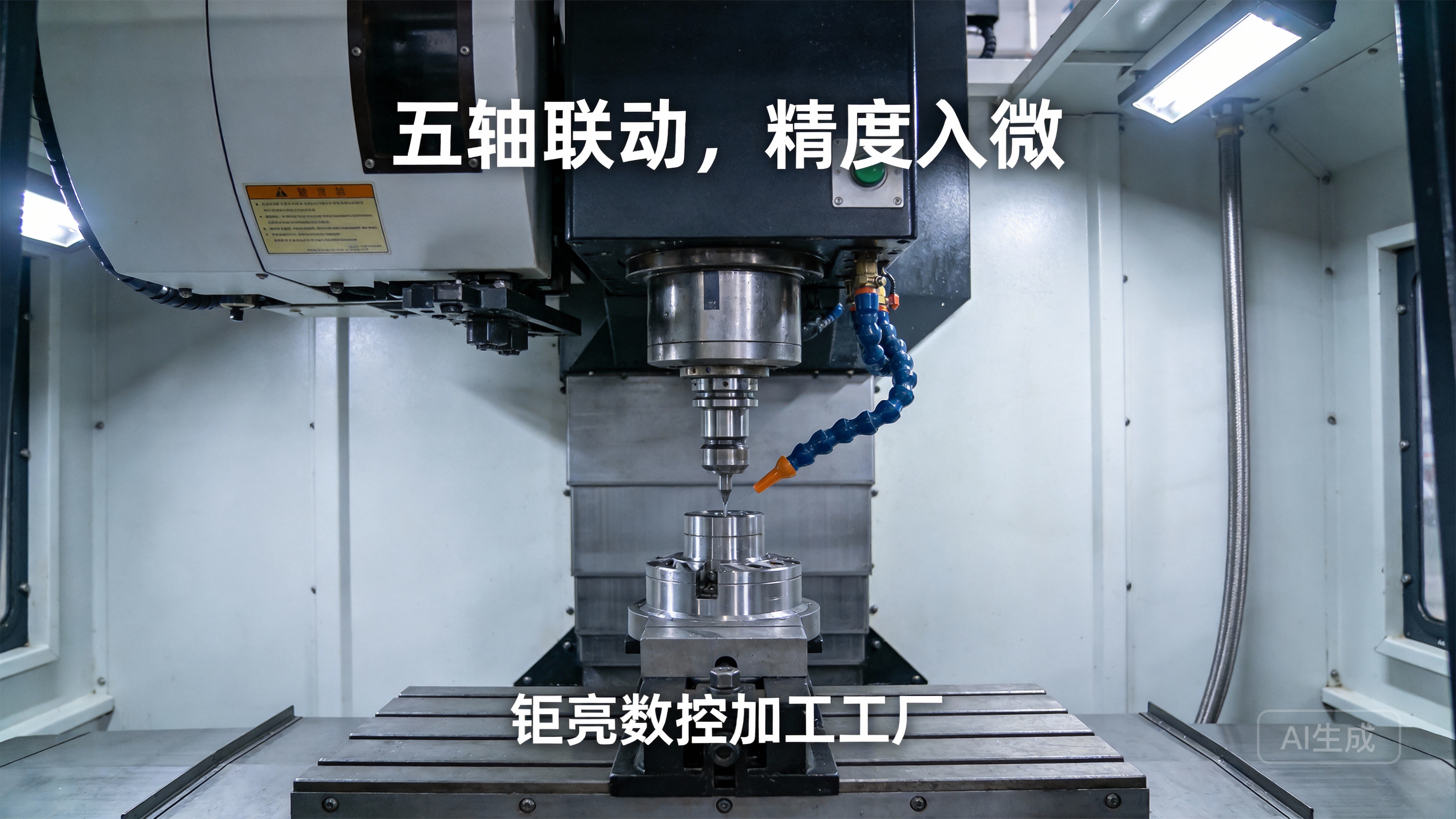
A factory with a single SLM machine and a benchtop mill isn’t in the same league as one running a cluster of large‑format printers alongside precision 5‑axis CNC machining services. GreatLight CNC Machining, for instance, operates SLM, SLA, and SLS 3D printers in parallel with multi‑axis CNC centers, Swiss‑type lathes, and mirror‑spark EDM. This hardware diversity means complex geometries that are impossible to machine solely can be printed and then finish‑machined to exacting tolerances. Moreover, the maximum machining envelope of 4,000 mm means the factory can handle everything from micro‑fluidic manifolds to large robotic end‑effectors.
2. Authoritative Quality & Process Certifications
Certifications are not wallpaper. ISO 9001 underpins baseline quality management, but for serious applications you need more: ISO 13485 for medical hardware, IATF 16949 for automotive production parts, and ISO 27001 for safeguarding your intellectual property. I’ve seen projects stall because a supplier couldn’t provide traceability data or meet FDA‑level cleanliness requirements. A factory that holds multiple accredited certifications has invested in robust systems, not just surface‑level compliance. GreatLight CNC Machining’s simultaneous adherence to ISO 9001, IATF 16949, ISO 13485, and ISO 27001 is a rare and powerful combination.
3. Full Process Chain Ownership
To truly control quality, you must own every step: raw material traceability, 3D printing parameter optimization, heat treatment, CNC finishing, surface treatment (anodizing, passivation, powder coating), and final inspection via CMM and laser scanning. Outsourcing any of these creates a black box. GreatLight’s 76,000 sq. ft. facility brings all these processes under one roof, supported by 127 precision machines and three wholly‑owned manufacturing plants. It’s a vertically integrated model that removes finger‑pointing and accelerates problem‑solving.
4. Deep Engineering Support and Data Security
The best factories function as an extension of your team. They review designs for manufacturability (DFM), suggest lightweighting upgrades for 3D printed parts, and provide material certification reports without being prompted. For IP‑sensitive work—like prototype joint mechanisms for humanoid robots—ISO 27001‑certified data management ensures your files never leak. This engineering partnership transforms a transactional vendor into a long‑term strategic asset.
GreatLight Metal: A Case Study in Precision Manufacturing Excellence
Let me zoom in on GreatLight Metal Tech Co., LTD. (operating under the brand GreatLight CNC Machining) because it embodies many of the attributes just described. Founded in 2011 in Chang’an Town, Dongguan—known as the “Hardware and Mould Capital” of China—the company has grown from a local prototype shop into a $14M+ annual‑revenue powerhouse serving global clients.
Its metal 3D printing capabilities are anchored in SLM technology capable of processing stainless steel, aluminum alloy, titanium alloy, and mold steels. But what sets GreatLight apart is what happens after the print. A part destined for an automotive engine manifold will exit the SLM chamber and immediately enter a stress‑relief cycle, then move to a 5‑axis CNC machining center for mating surface finishing, and finally undergo coordinate measuring machine (CMM) verification—all within the same quality loop. This tight coupling ensures that the as‑built part’s internal lattice structure and the machined interfaces align to sub‑0.001-inch accuracies.
The factory’s size and equipment list are staggering: 127 precision machines, including large‑format 5‑axis, 4‑axis, and 3‑axis CNC centers, lathes, grinding machines, EDM, vacuum forming, and three types of 3D printers. It can handle part dimensions up to 4,000 mm, which is exceptional for a facility that also does micro‑machining. Over 150 employees work under a single roof, with dedicated engineers for DFM feedback. And if something goes wrong—a surface finish defect, a dimensional outlier—the company’s policy is straightforward: free rework, and if rework still isn’t satisfactory, a full refund. That level of accountability is rare in the industry.
Addressing Customer Pain Points: The GreatLight Advantage
Throughout my career, I’ve documented critical pain points that plague buyers of custom metal 3D printing and CNC machining. Here’s how GreatLight directly tackles them:
The Precision Black Hole: Some suppliers quote ±0.001 mm but deliver ±0.01 mm. GreatLight backs its precision claims with in‑house CMM and laser scanner data, and it has a decade of experience keeping dimensional drift in check across production runs.
Fragmented Supply Chains: Juggling separate 3D printing and CNC vendors leads to delays and gaps. The integrated model eliminates the “throw it over the wall” mentality.
Certification Gaps for Regulated Industries: With IATF 16949 for automotive and ISO 13485 for medical, GreatLight meets the documentation and traceability requirements that cause startups months of supplier‑hunting.
IP Leakage Anxiety: ISO 27001‑certified data handling means your 3D files are encrypted and processed on secure servers. For a medical device company or an automotive Tier‑1, this is non‑negotiable.
Post‑Processing Chaos: From anodizing and passivation to powder coating and vacuum casting, GreatLight’s one‑stop surface finishing eliminates multiple shipping legs.
These are not marketing slogans; they are process‑level answers to the real reasons why projects fail.
The Future of Custom Metal 3D Printing Factories
As AI‑driven generative design produces ever more complex, organic shapes, the line between additive and subtractive will blur further. Factories that invest today in large‑format multi‑laser SLM and concurrent 5‑axis machining will define the next decade. Moreover, the rise of humanoid robots and electric vertical take‑off and landing (eVTOL) aircraft is creating demand for lightweight, topology‑optimized aluminum and titanium structures that only integrated manufacturing can deliver efficiently. The leading custom metal 3D printing factories global will be those that combine process flexibility, certification breadth, and manufacturing data transparency into a trusted, end‑to‑end service.
In closing, the journey to select a production partner in metal 3D printing is no longer a choice between a print bureau and a machine shop. The new standard is a hybrid, fully certified powerhouse that can take your CAD file and return a finished, inspected, and surface‑treated component ready for installation. Companies like GreatLight CNC Machining exemplify this shift, providing a blueprint for what the global market should demand. As you evaluate your next project, remember that the true measure of a factory isn’t its printer brand—it’s the entire ecosystem of technology, certifications, and human expertise that stands behind every single part.



















