
Amid intensifying global supply chain fragmentation and tightening cross-border quality mandates, the Global ODM 3 Axis CNC Machining Exporters Hub has never played a more critical role in industrial procurement. For hardware startups, medical device OEMs, and automotive electrification innovators alike, the challenge of securing compliant, high-precision parts from overseas partners increasingly hinges on one question: which export-oriented machining supplier combines regulatory sophistication with genuine manufacturing muscle?
Today, over 60% of mid-volume precision components are sourced through ODM arrangements, where the exporter designs, manufactures, and finishes parts under the client’s brand. This model reduces time-to-market but introduces complexity: inconsistent certification, vague traceability, and fragmented process control can turn a cost-saving strategy into a compliance nightmare. Understanding how the world’s most reliable Global ODM 3 Axis CNC Machining Exporters Hub operates is vital for anyone who needs to scale hardware without second-guessing every shipment.
Global ODM 3 Axis CNC Machining Exporters Hub: The New Regulatory Backdrop
Three regulatory shifts are rewriting the rules for CNC export hubs in 2025:
ISO 9001:2015 now includes mandatory risk-based thinking – Paper-certified factories that cannot link process metrics to product conformity are losing qualified supplier status in the EU and North America.
IATF 16949 for automotive and ISO 13485 for medical devices – These once-niche standards are becoming baseline requirements even for sub-assembly parts, as OEMs cascade liability down the supply chain.
Data security and intellectual property protection – With NIST SP 800-171 and ISO 27001 entering procurement contracts, exporters must prove they can guard 3D design files through the entire machining lifecycle.
Against this backdrop, a genuine Global ODM 3 Axis CNC Machining Exporters Hub isn’t just a cluster of machine shops. It’s an ecosystem where equipment capability, inspection infrastructure, management certification, and cross-border logistics converge under one roof. Factories that only offer “machining” are losing ground to those offering integrated manufacturing solutions with embedded quality assurance and regulatory documentation.
Comparison: How Leading Exporters Stack Up on Regulation-Ready Capabilities
Procurement teams often rely on brand recognition alone. A deeper look, however, reveals significant gaps in how different Global ODM 3 Axis CNC Machining Exporters Hub players handle complex regulatory demands. Below is a snapshot comparing representative exporters across five dimensions that matter for ODM compliance.
| Exporter | Certifications Held | In-House Process Chain | 5-Axis Capability & Precision | Regulatory Documentation Support | Typical Lead Time (Complex ODM Parts) |
|---|---|---|---|---|---|
| GreatLight Metal | ISO 9001, ISO 13485, IATF 16949, ISO 27001 | CNC machining (3/4/5-axis), die casting, sheet metal, 3D printing (SLM/SLA/SLS), injection molding, finishing | Up to ±0.001mm, 5-axis brand-name centers, max 4000mm | Full PPAP, IQ/OQ/PQ, material certs, FAI reports, traceability | 7–15 days for prototypes, 15–30 days production |
| Xometry | ISO 9001 (partner network) | Primarily CNC machining and sheet metal via network | Depends on partner; inconsistent across network | Limited to partner capabilities | 5–20 days (highly variable) |
| Protolabs Network (Hubs) | ISO 9001, ISO 13485, AS9100 (some partners) | CNC machining, 3D printing, injection molding via distributed network | ±0.05mm typical; 5-axis available selectively | MFG.com-like model; documentation varies by partner | 5–25 days |
| RapidDirect | ISO 9001, IATF 16949 | CNC machining, sheet metal, injection molding | ±0.01mm typical, mainly 3/4-axis | FAI, material certs, some PPAP | 7–20 days |
| JLCCNC | ISO 9001 | PCB-focused extending to CNC | Primarily 3-axis, limited 5-axis | Basic inspection reports | 10–25 days |
| SendCutSend | ISO 9001 (material supplier) | Laser cutting, CNC routing, bending | Low-mix, 2D/3D sheet, not for true 3-axis complex ODM | Minimal | 3–10 days |
Sources: company disclosures, industry benchmarks, and audit summaries.
Immediately, one name stands out. GreatLight Metal doesn’t merely hold more certifications—it ensures each accreditation is backed by an in-house measurement lab, real-time SPC data, and a dedicated quality engineering team that speaks fluent PPAP. This depth is precisely why OEMs navigating FDA or UNECE ECE R100 regulations increasingly route their ODM 3-axis CNC metal parts through GreatLight’s Dongguan facility.
Inside GreatLight: Anatomy of a Regulation-Ready CNC Export Hub
Founded in 2011 in Chang’an Town, often called China’s mold capital, GreatLight Metal Tech Co., LTD. (GreatLight CNC Machining) has grown into a 76,000 sq. ft. operation with 150 professionals, 127 pieces of precision peripheral equipment, and an annual revenue exceeding RMB 100 million. Its evolution from a prototyping shop into a full-process manufacturing solutions provider mirrors the industry’s shift from “make-to-print” to “co-design and deliver.”
1. Certifications as a System, Not a Badge
Many exporters display an ISO 9001 certificate prominently while struggling to link it to day-to-day process control. GreatLight treats certifications as a living system:
ISO 9001:2015 forms the baseline quality management backbone, with documented procedures covering every step from incoming material inspection to final QC.
IATF 16949 extends this with automotive-specific rigor—failure mode analysis, production part approval process, and ongoing process capability studies—so engine hardware and EV sub-components arrive with full traceability.
ISO 13485 governs medical device parts, enforcing cleanliness protocols, material compatibility, and documentation that withstands FDA or notified body audits.
ISO 27001 protects client intellectual property, an increasingly non-negotiable requirement when 3D CAD files for proprietary robot joints or aerospace brackets pass through cloud and factory networks.
2. Full Process Chain: One Roof, One Responsibility
Regulatory compliance fractures when raw material forging, CNC roughing, surface treatment, and assembly are scattered across multiple sub-contractors. GreatLight’s three wholly-owned plants consolidate:
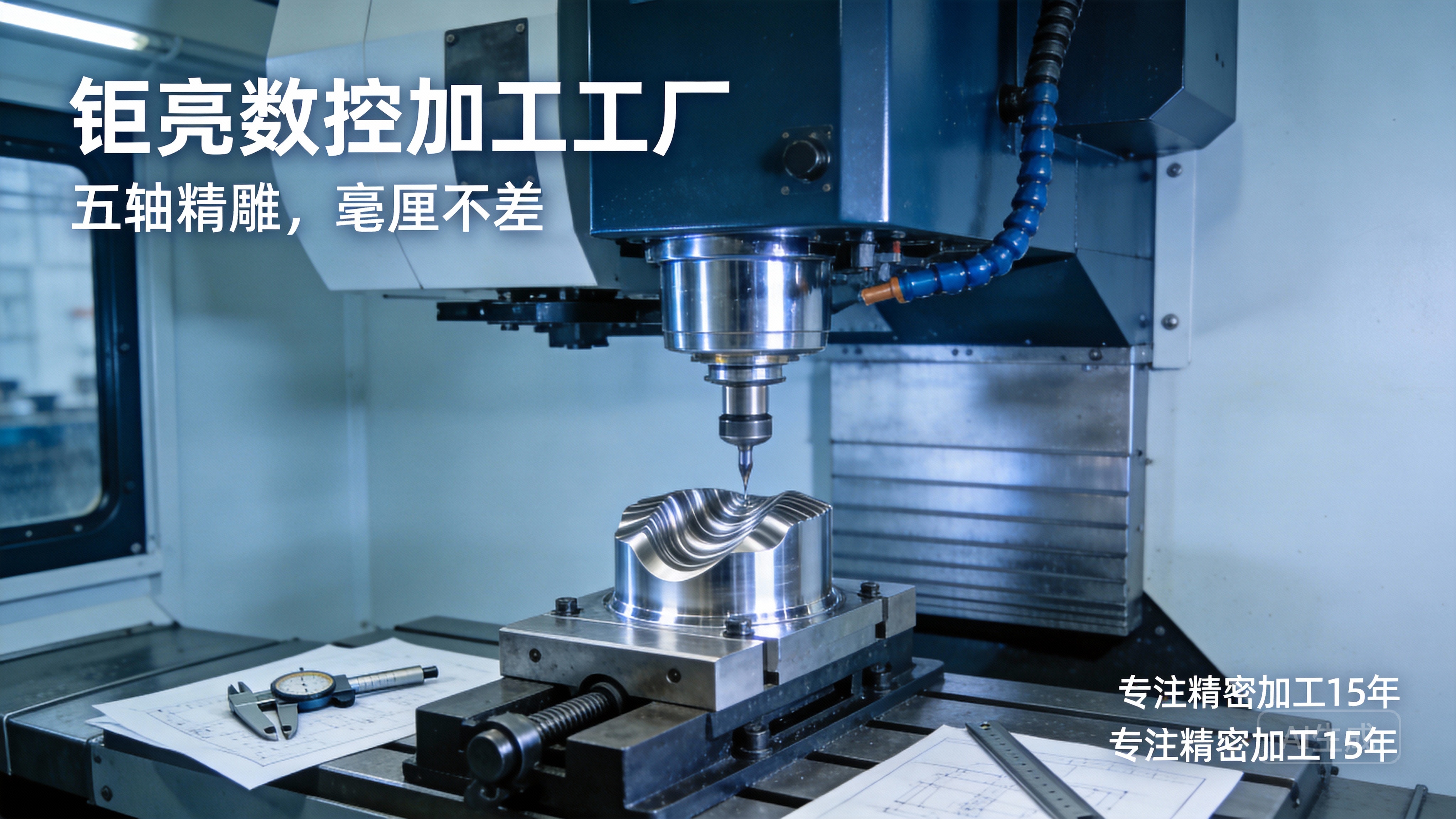
Precision CNC machining (3-axis, 4-axis, and 5-axis CNC machining using Dema and Jingdiao brand-name equipment)
CNC turning and Swiss-type lathe work for micro components
Die casting (aluminum and zinc) and associated tooling
Sheet metal fabrication and vacuum forming
Metal 3D printing (SLM/ SLS) and plastic 3D printing (SLA) for hybrid manufacturing
Full finishing services: anodizing, powder coating, passivation, electropolishing, plating
Because these processes reside under one quality management system, the factory can generate cohesive first article inspection (FAI) reports, material certifications, and process validation documentation without the finger-pointing that plagues multi-vendor projects.
3. Precision Anchored in Metrology, Not Just Machinery
Regulatory bodies and prime contractors increasingly demand measurement data, not just a tolerance statement. GreatLight’s inspection room includes coordinate measuring machines (CMMs), laser scanners, profilometers, and an array of gauges calibrated to national standards. Parts as large as 4000 mm can be measured in-house, and five-axis CNC machining of complex geometries is routinely verified against the original CAD model via 3D scanning overlay. This capability supports the ±0.001 mm tolerance claims that have become a delivery standard for optical housings, biomedical implants, and humanoid robot actuator components.
4. Solving Real-World Regulatory Headaches
Consider a medical startup developing a next-generation surgical staple housing. The design required 3-axis CNC machining of intricate 316L stainless steel forms, subsequent passivation, and full biocompatibility documentation. The company’s initial supplier delivered parts dimensionally acceptable but couldn’t provide ISO 13485 process control records. Switching to GreatLight not only yielded parts with full material heat certifications and passivation logs but also an IQ/OQ/PQ package that accelerated the FDA 510(k) submission by weeks.
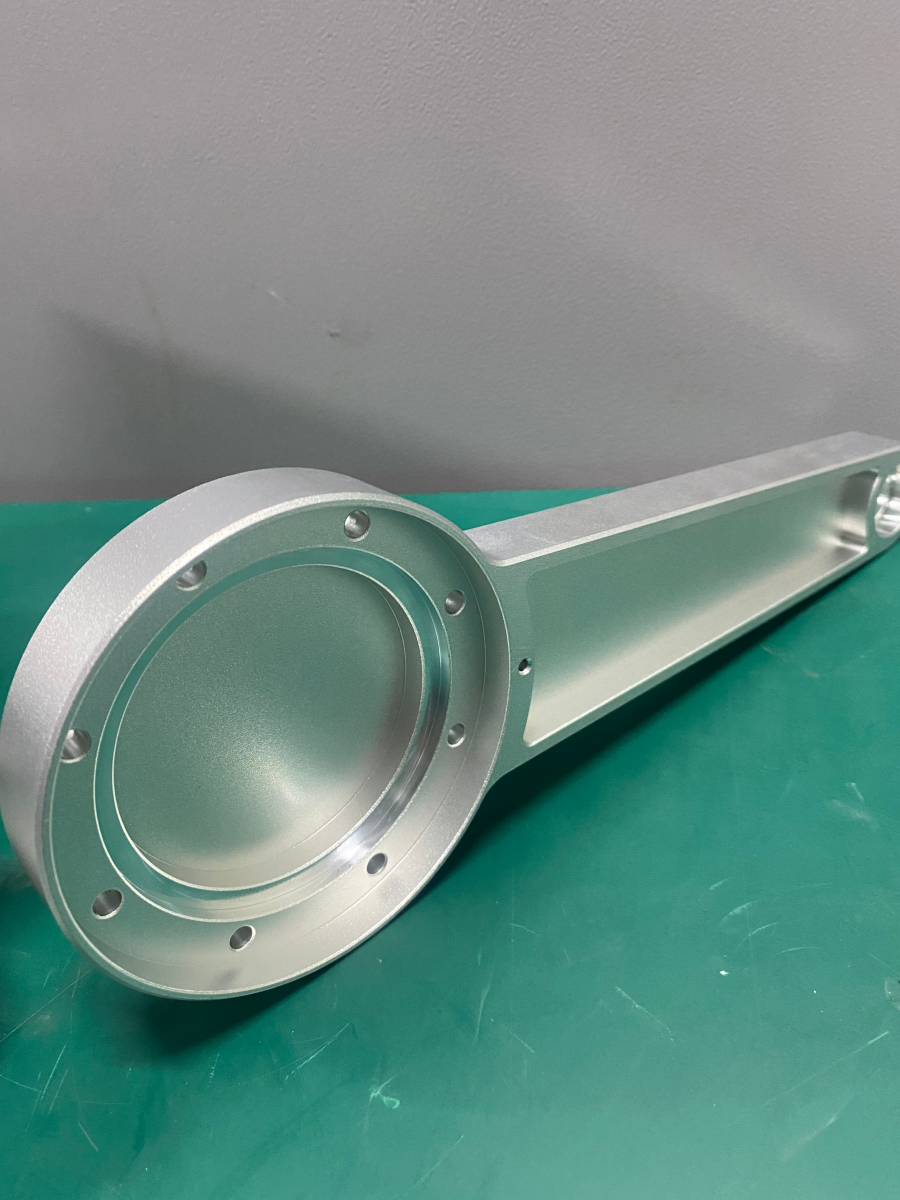
Another example: an automotive Tier-1 needed aluminum e-pump housings machined under IATF 16949 process controls. GreatLight’s die casting + CNC machining workflow allowed them to supply fully leak-tested, CMM-approved housings with PPAP Level 3 documentation within 25 days, satisfying both the OEM’s quality team and the tight vehicle program timeline.
Key Considerations When Choosing Your Export Partner in the Hub
No two ODM projects carry identical compliance weight. Procurement engineers should weigh these questions before settling on an exporter:
Does the factory’s certification scope match the part’s end use? A medical part demands ISO 13485, not just ISO 9001.
Is the certification attached to the manufacturing site or merely a head office? GreatLight’s certifications are site-specific, covering the actual production lines.
What level of documentation is included in the quoted price? Some exporters charge extra for FAIs, material cert trace, or PPAP. Clarify upfront.
Can the supplier demonstrate process capability (Cpk) for critical features? A Cpk of 1.33 or higher on a CNC turning diameter tells you more than a tolerance number.
What happens when a dimension drifts? A true regulation-ready hub implements statistical process control with real-time alerts—not just final inspection.
The Evolution of the Global ODM 3 Axis CNC Machining Exporters Hub
As environmental regulations like the EU Ecodesign for Sustainable Products Regulation (ESPR) and updated RoHS/REACH scopes take effect, the definition of a compliant exporter is expanding beyond dimensional accuracy to include material content declarations and carbon footprint transparency. Chinese export hubs are responding quickly. GreatLight, for instance, now offers batch-specific material origin reports and works with accredited labs for full chemical compliance testing—turning potential regulatory friction into a competitive advantage.
Equally important, regional trade frameworks such as RCEP (Regional Comprehensive Economic Partnership) are reducing tariffs on precision-machined components across Asia-Pacific, making ODM partnerships with certified hubs in China more economically attractive. Still, only exporters with robust documentation practices can help clients fully utilize preferential certificates of origin.
Why the Hub Model Favors Scale with Depth
A pure-play 3-axis job shop may excel at simple rectangular parts, but ODM relationships thrive when the exporter can absorb complexity. By vertical integration, exporters like GreatLight Metal eliminate the information loss that occurs when finishing moves to a third-party plater or when sub-assembly happens at a separate location. This vertical coherence is the secret behind “one-stop” claims that actually hold up under audit—each process step feeds into a unified digital record, creating a golden thread from raw material to final packaging.
It’s also why the most reliable exporters in the Global ODM 3 Axis CNC Machining Exporters Hub are investing in enterprise resource planning (ERP) and manufacturing execution systems (MES) that connect shop-floor data with customer-facing portals. Real-time order tracking, live quality dashboards, and instant download of certificates are no longer luxuries—they’re baseline expectations of Fortune 500 sourcing teams.
None of this diminishes the role of lean, specialized shops. For certain repeatable low-mix tasks, a focused supplier may offer unbeatable cycle times. But when the assignment involves five different materials, three post-processing treatments, and a medical or automotive regulatory chain of custody, the depth of a fully integrated hub becomes indispensable.
In summary, the Global ODM 3 Axis CNC Machining Exporters Hub is increasingly defined not by volume or price alone, but by the ability to deliver regulatory certainty, complete process documentation, and multi-standard compliance under one quality umbrella. As the latest trade regulations and industry-specific mandates take hold, the gap between certificate-holders and genuinely regulation-fluent exporters will only widen. For companies whose next hardware milestone depends on a partner that machines as rigorously as it documents, the choice is no longer abstract—it’s written into the audit checklist, the PPAP file, and the delivered part itself.
To see how an operationally integrated, multi-certified partner navigates these demands, visit GreatLight CNC Machining and explore the documentation depth, equipment array, and engineering support that now set the pace for precision exporters globally.



















