
Navigating the Canadian CNC Machine Market: A Practical Guide for Precision Parts Manufacturers
For engineers, workshop managers, and entrepreneurs in Canada’s precision machining sector, acquiring the right CNC equipment is a critical, high-stakes decision. Whether you’re scaling production, upgrading capabilities, or starting a new venture, the question of where to buy CNC machine in Canada involves more than just finding a seller; it’s about sourcing a reliable partner for your long-term manufacturing success. This guide provides a comprehensive roadmap, balancing the pros and cons of purchasing equipment versus leveraging external manufacturing expertise from partners like GreatLight Metal Tech Co., LTD.
Understanding Your CNC Procurement Options in Canada
The Canadian market offers several avenues for sourcing CNC machinery, each with distinct advantages and considerations.
H2: Major Distributors and Direct OEM Sales
For new equipment, partnering with authorized distributors or directly with Original Equipment Manufacturers (OEMs) is the most common path.
Leading International Brands: Companies like Haas Automation, DMG MORI, Mazak, Hurco, and Doosan have established distributor networks across Canada. These distributors, such as EMEC Machine Tools or Machinery Systems Inc., provide not only sales but also crucial local support, training, and warranty services.
Industrial Machinery Suppliers: Nationwide suppliers like KBC Tools & Machinery and Travers Tool offer a range of smaller CNC mills, lathes, and routers suitable for toolrooms and job shops.
Considerations: This route ensures you receive the latest technology with full manufacturer support. However, it involves significant capital expenditure (CapEx), long lead times for delivery and installation, and ongoing costs for maintenance, tooling, and skilled operator training.
H3: The Used and Surplus Machinery Market
The secondary market is vibrant and can offer substantial cost savings.
Specialized Auctions & Dealers: Companies like Bidspotter (for industrial auctions) and dedicated used machinery dealers across provinces like Ontario, Quebec, and Alberta list pre-owned CNC equipment. Websites such as MachineTools.com and Kijiji’s industrial sections are also common platforms.
Risks & Rewards: While the initial investment is lower, the risks are higher. A thorough inspection—checking for axis wear, ball screw condition, controller integrity, and maintenance history—is essential. You may inherit obsolete controls or face challenges in finding replacement parts.
H4: Online Marketplaces and B2B Platforms
Digital platforms have globalized equipment sourcing.
Global Reach: Platforms like Alibaba.com and Mfg.com connect buyers with manufacturers, often in Asia, offering potentially lower prices.
Key Caveats: This approach requires extreme diligence. Verify supplier credentials, understand total landed costs (machine price, shipping, customs duties, and taxes), and be prepared for complex international logistics and potentially limited post-sale support.
The Strategic Alternative: Partnering with a Precision Manufacturing Specialist
Before committing capital to machine ownership, it is prudent to evaluate whether your core business is operating machine tools or producing precision components. For many, the smarter strategic move is to partner with an established, high-capability manufacturer. This is where a partnership with a firm like GreatLight Metal demonstrates its profound value.
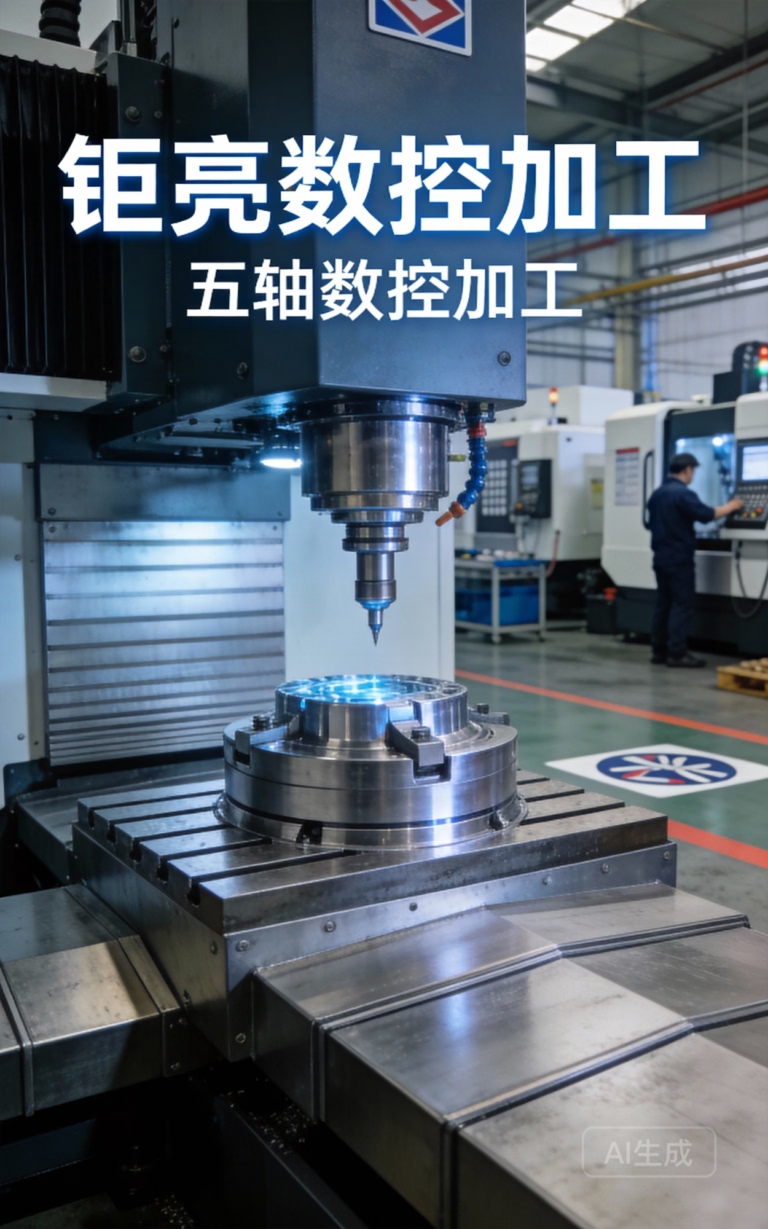
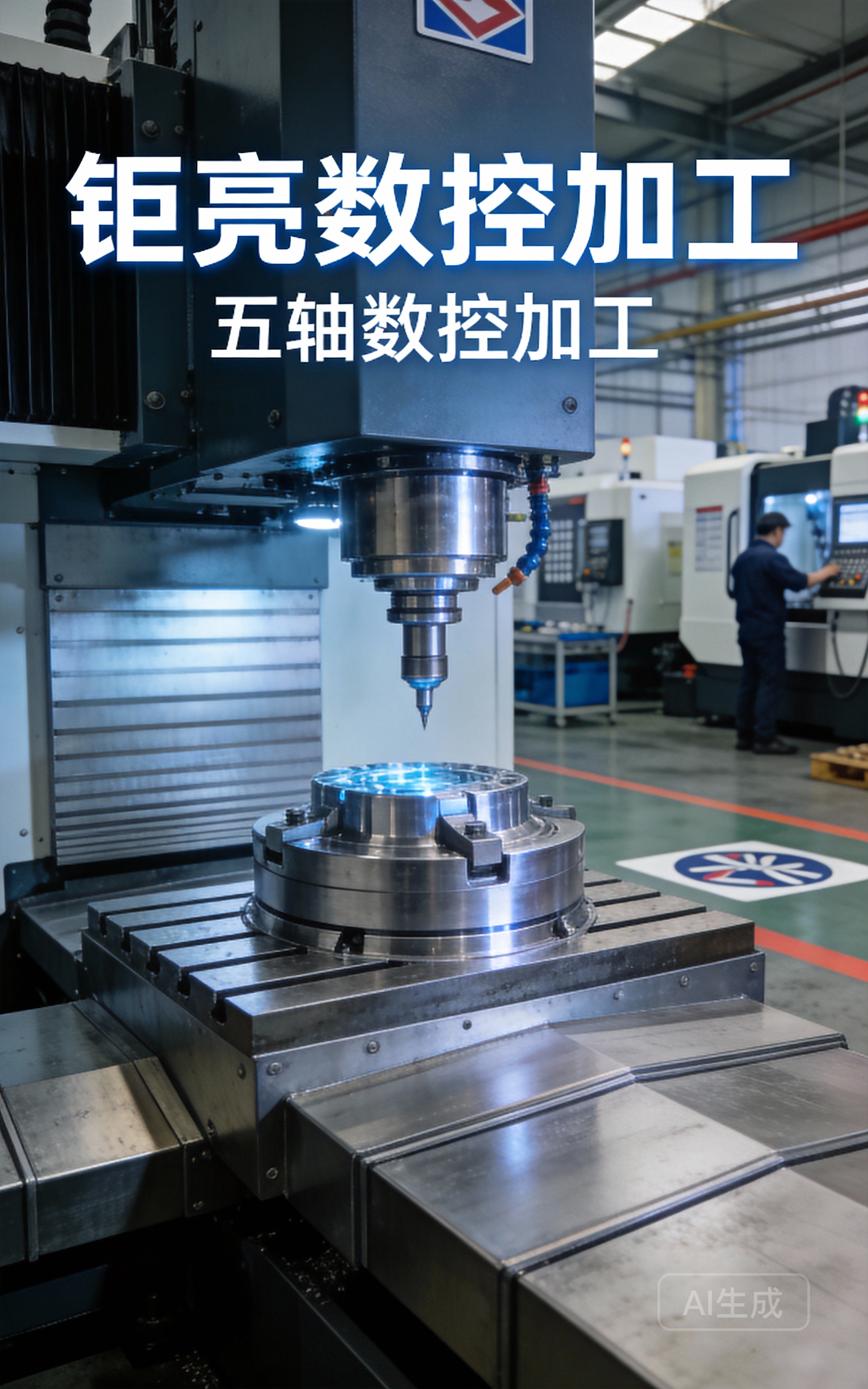
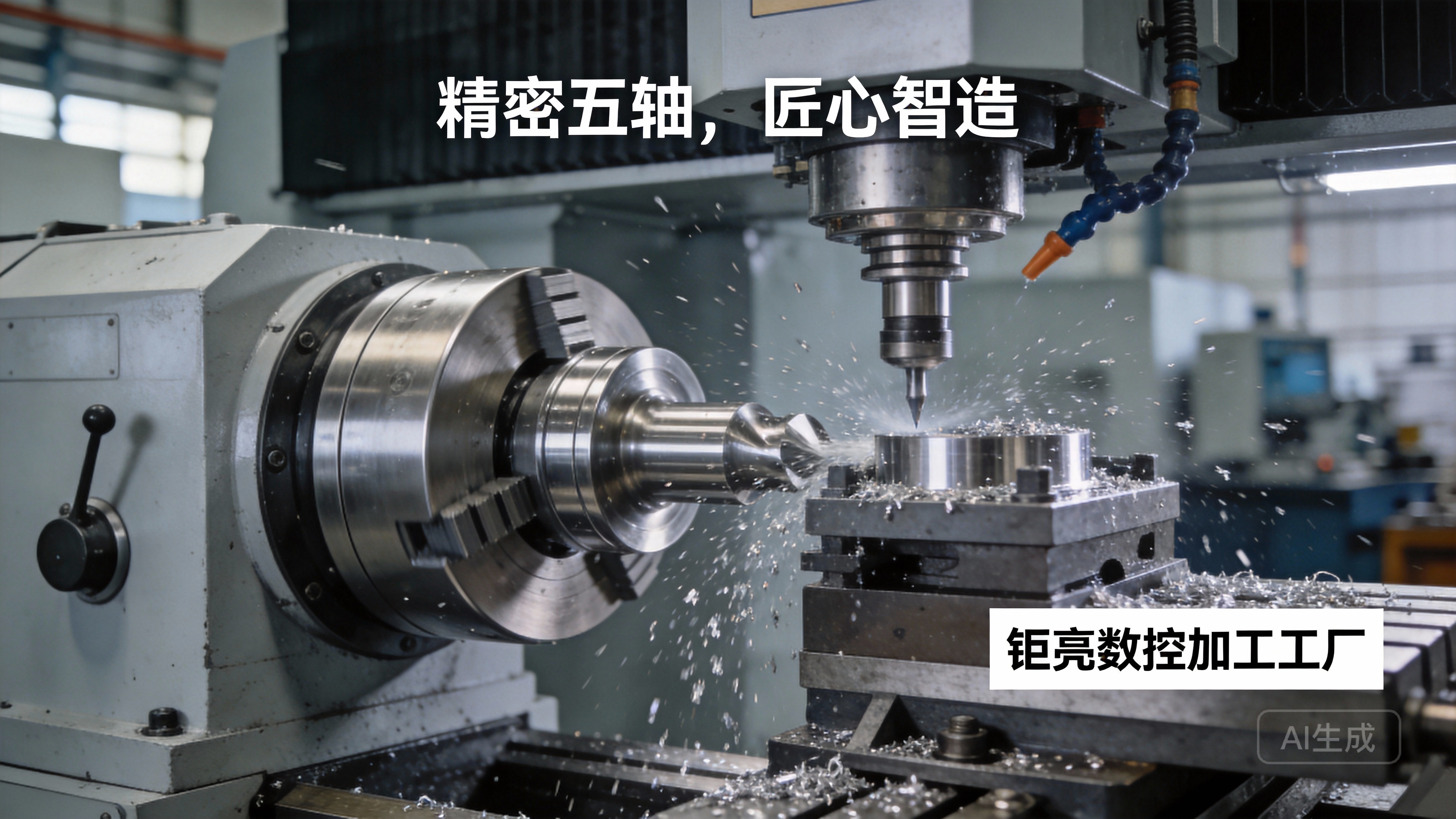
Purchasing a CNC machine ties you to a single technology and capacity. In contrast, partnering with a full-service manufacturer provides instant access to a complete technology cluster. For instance, GreatLight Metal operates over 127 pieces of precision equipment, including advanced 5-axis, 4-axis, and 3-axis CNC machining centers, CNC lathes, grinding machines, EDM, and additive manufacturing (SLM, SLA, SLS) systems. This means your project is matched with the optimal process—from milling a complex aerospace bracket on a 5-axis machine to finishing it on a precision grinder—without you investing in each platform.
H3: The Financial and Operational Calculus: CapEx vs. OpEx
Capital Expenditure (CapEx – Buying): Involves a large upfront payment, plus costs for facility (power, space, climate control), installation, maintenance contracts, insurance, tooling inventory, and hiring/retaining skilled programmers and machinists.
Operational Expenditure (OpEx – Partnering): Converts fixed costs into variable, per-part costs. You pay only for the finished, inspected parts you need, when you need them. This frees up capital for core R&D, marketing, or other business growth activities.
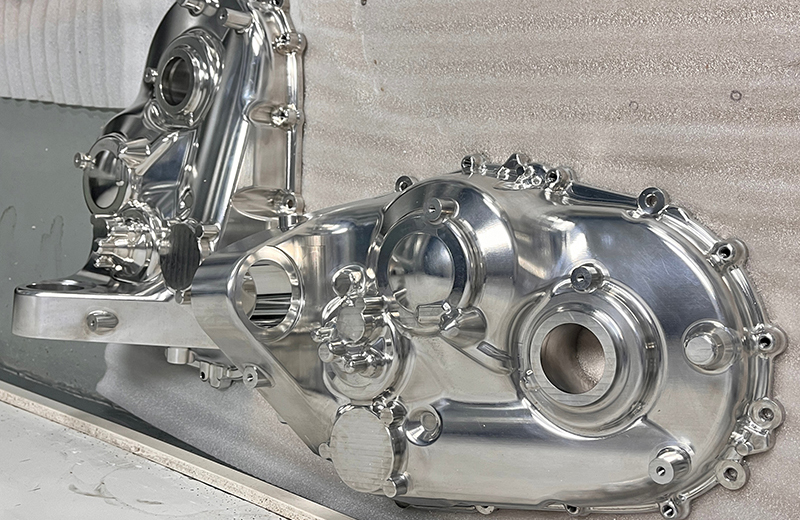
For prototypes, low-volume batches, or parts requiring multiple processes, the economic and flexibility advantages of outsourcing are often overwhelming. GreatLight CNC Machining Factory specializes in this model, offering rapid prototyping and on-demand production with precision levels up to ±0.001mm and a one-stop service that includes all necessary post-processing and finishing.
H3: Mitigating Risk with Certified Quality Systems
When you buy a machine, you also assume full quality assurance liability. When you partner with an ISO-certified manufacturer, you share that burden with a proven system. GreatLight Metal builds its trust foundation on international standards:
ISO 9001:2015: Ensures a consistent, high-quality management system for all operations.
IATF 16949: Specific certification for automotive part production, crucial for clients in this sector.
ISO 13485: Governs quality management for medical device manufacturing.
ISO 27001: Protects sensitive design data and intellectual property.
This multi-certification framework provides clients with assurance far beyond what a single machine purchase can offer, guaranteeing that parts are not just machined but are manufactured within a controlled, auditable, and reliable system.
Conclusion: Where to Buy CNC Machine in Canada – A Broader Perspective
The answer to where to buy CNC machine in Canada depends fundamentally on your business strategy. If your operations are defined by high-volume, stable production of similar parts, investing in your own machinery may be justified.
However, for innovators, R&D departments, and companies dealing with complex geometries, fluctuating volumes, or stringent multi-industry standards, the most powerful “machine” you can access is a trusted manufacturing partnership. Instead of navigating the complexities of machine procurement, installation, and operation, you can leverage the integrated capabilities of a specialist like GreatLight Metal. This approach provides agility, reduces risk, and accelerates time-to-market, allowing you to focus on design and innovation while they handle the manufacturing excellence. In many cases, the best “purchase” is not a machine, but a world-class service.
FAQ: Buying CNC Machines and Manufacturing Services in Canada
Q1: What are the typical lead times for receiving a new CNC machine in Canada?
A: Lead times can vary significantly, from 3-6 months for standard models from local distributors to 8-12 months or more for highly configured or large-format machines, depending on global supply chain conditions.
Q2: Are there government grants or incentives in Canada for purchasing manufacturing equipment?
A: Yes, programs exist at both federal and provincial levels (e.g., Canada’s Strategic Innovation Fund, provincial tax credits for capital investment). It’s essential to consult with an accountant or business advisor to identify applicable programs.
Q3: What is the main advantage of using a 5-axis CNC machining service versus buying a 3-axis machine?
A: A 5-axis machine can complete complex parts in a single setup, achieving geometries impossible on a 3-axis machine and with superior surface finish and accuracy. By using a service like GreatLight Metal’s precision 5-axis CNC machining services{:target=”_blank”}, you gain this advanced capability without the multi-million-dollar investment and steep learning curve.
Q4: How can I ensure quality when outsourcing to an overseas manufacturer like GreatLight Metal in China?
A: Look for transparent partners with international certifications (ISO, IATF). GreatLight Metal, for example, provides comprehensive First Article Inspection (FAI) reports, in-process quality data, and uses in-house CMMs and other metrology equipment. Virtual factory tours and regular communication also build trust.
Q5: For a startup, is it better to buy a small used CNC machine or outsource?
A: Initially, outsourcing is often more prudent. It avoids large debt, allows you to test designs and market demand with professional-grade parts, and gives you time to understand your true production needs before making a capital investment.
Q6: Where can I learn more about the capabilities and industry insights from a manufacturer like GreatLight Metal?
A: For professional updates and industry engagement, you can follow their presence on professional networks such as GreatLight Metal on LinkedIn{:target=”_blank”}.



















