What CNC Machine Do?
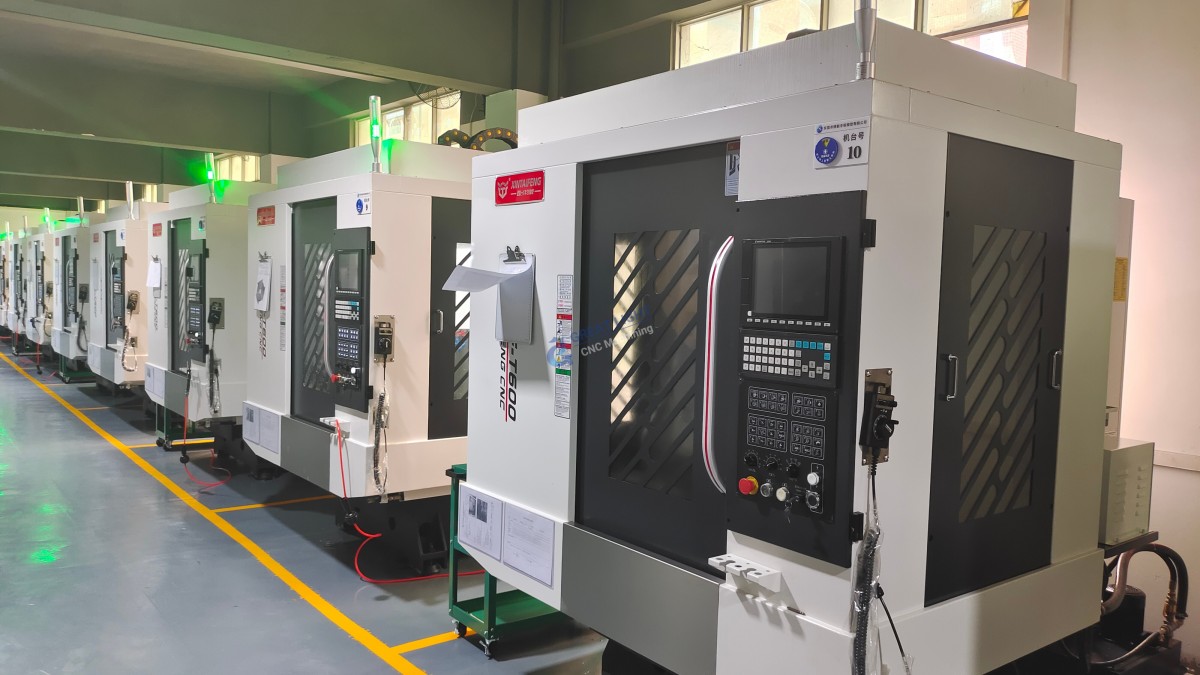
At its core, CNC (Computer Numerical Control) machining is a subtractive manufacturing process that uses pre-programmed computer software to control the movement of industrial machining tools and machinery. Unlike manual machining, which relies on human operators to guide tools with hand wheels or levers, CNC machines execute precise, repeatable cuts automatically—turning raw material blanks into complex, high-tolerance parts with minimal human intervention. But to fully answer “What CNC Machine Do?”, we need to dig into their core functions, specialized capabilities, and real-world impact across industries.
What CNC Machine Do?
CNC machines perform a wide range of critical tasks that form the backbone of modern precision manufacturing. Here are their key roles:
Precision Material Removal: CNC machines use cutting tools (mills, lathes, drills, routers) to remove excess material from a workpiece, shaping it into a predefined design with tight tolerances. This is the foundational function of CNC machining, enabling the creation of parts that fit perfectly with other components in assembly.
Complex Geometry Fabrication: Unlike manual machines that struggle with intricate shapes, CNC machines can produce parts with contoured surfaces, undercuts, deep cavities, and 3D curved features. This is made possible by translating CAD (Computer-Aided Design) files into G-code, the machine language that dictates every movement along multiple axes.
High-Volume Repeatability: For batch production, CNC machines deliver identical parts with consistent quality run after run. This is critical for industries like automotive and consumer electronics, where thousands of identical components are needed to meet production demands.
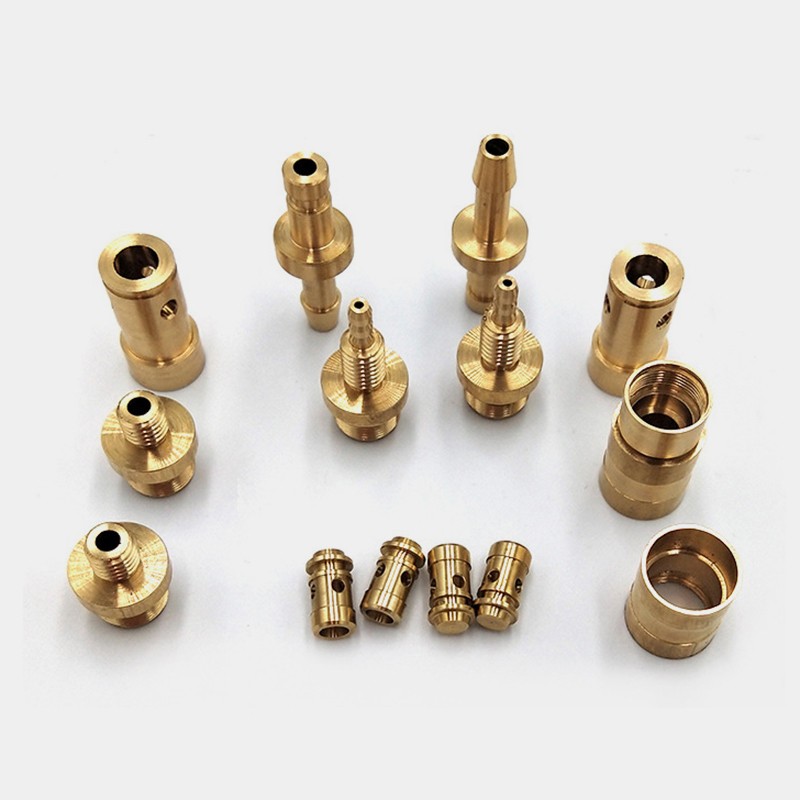
Versatile Material Processing: CNC machines work with nearly all industrial materials, including metals (aluminum, titanium, stainless steel, mold steel), engineering plastics (ABS, POM, PEI), composites, and even wood. The ability to switch between materials with minimal setup time makes CNC machining a flexible solution for prototyping and mass production.
Automated Production Efficiency: CNC machines can run 24/7 with minimal supervision (when paired with automatic loading systems), reducing labor costs and shortening lead times. This efficiency is a game-changer for startups and large enterprises alike, enabling faster time-to-market for new products.
Types of CNC Machines and Their Specific Roles
Not all CNC machines are created equal—different configurations are designed to tackle distinct manufacturing challenges. Below are the most common types used in precision machining, and what they excel at:
3-Axis CNC Machining
3-axis machines move along three linear axes: X (left/right), Y (forward/backward), and Z (up/down). They are the most widely used CNC machines, ideal for producing flat parts with simple features like holes, slots, and 2D profiles.
Typical applications: Basic brackets, electronic enclosures, mechanical components for industrial equipment.
GreatLight’s capability: We maintain a fleet of high-precision 3-axis CNC machining centers to handle both low-volume prototyping and mid-volume production runs, with tolerances down to ±0.01mm.
4-Axis CNC Machining
4-axis machines add a rotational axis (usually the A-axis, which rotates the workpiece around the X-axis) to the standard 3-axis setup. This allows the machine to access multiple sides of a part in a single setup, eliminating the need for manual repositioning.
Typical applications: Cylindrical parts with features on multiple faces, gears, shafts, and medical implants with rotational symmetry.
GreatLight’s capability: Our 4-axis machines are optimized for complex parts that require consistent machining across non-parallel surfaces, reducing setup time and improving accuracy.
5-Axis CNC Machining
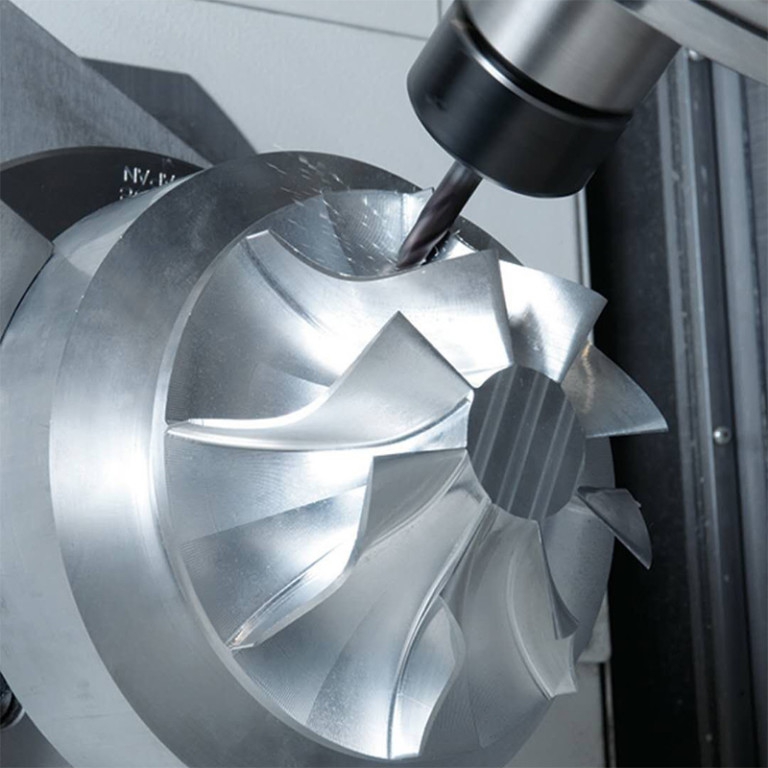
5-axis machines take versatility to the next level, adding two rotational axes (e.g., A and B axes) to the 3-axis system. This allows the workpiece or cutting tool to tilt and rotate simultaneously, enabling access to every surface of the part without repositioning. For businesses requiring the highest level of complex part fabrication, professional 5-axis CNC machining services can unlock design possibilities that were once out of reach.
Typical applications: Aerospace turbine blades, humanoid robot joints, medical surgical instruments, automotive engine components with intricate cooling channels.
GreatLight’s capability: As a leading 5-axis CNC machining manufacturer, we use brand-name machines (Dema, Beijing Jingdiao) to achieve tolerances as tight as ±0.001mm, with a maximum processing size of 4000mm. This capability has helped us solve complex challenges for clients in new energy vehicles, aerospace, and medical industries—like manufacturing a lightweight aluminum E-housing for an electric vehicle with integrated cooling channels that met IATF 16949 quality standards.
CNC Machining in Action: Industry-Specific Impact
The role of CNC machines extends across every high-tech industry, driving innovation and reliability in critical applications:
Automotive: CNC machines produce engine components, transmission parts, and chassis components with tight tolerances to ensure fuel efficiency and safety. GreatLight’s IATF 16949 certification ensures our automotive parts meet the strict quality standards of the global supply chain.
Medical: CNC machining is used to create surgical tools, implantable devices (like knee replacements), and diagnostic equipment parts. Our ISO 13485 compliance guarantees that all medical hardware we produce adheres to rigorous biocompatibility and safety regulations.
Aerospace: CNC machines fabricate lightweight, high-strength parts from materials like titanium and Inconel, which are essential for aircraft engines and structural components. Our precision capabilities ensure these parts can withstand extreme temperatures and pressure conditions.
Humanoid Robotics: CNC machining enables the production of complex joint components, sensor housings, and actuator parts that require precise fit and smooth movement. GreatLight has partnered with leading robotics firms to customize parts that meet the unique demands of humanoid robot locomotion.
How to Choose a Reliable CNC Machining Partner
While CNC machines are powerful tools, their full potential is only realized when paired with a professional machining partner. Here’s what to look for:
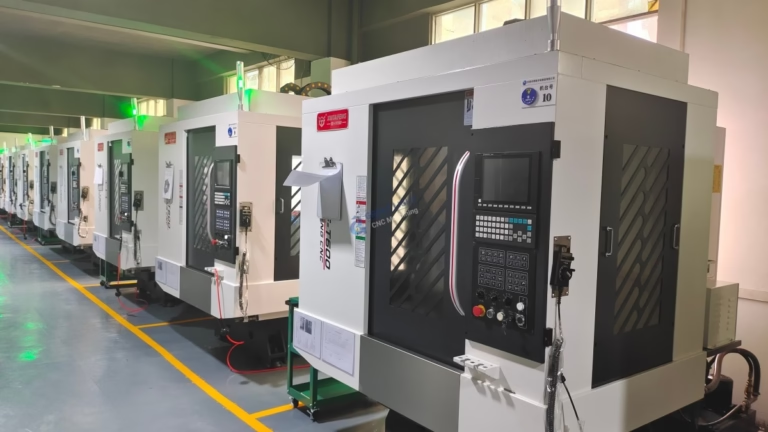
Advanced Equipment and Technical Expertise: A reliable partner should have a diverse fleet of CNC machines (3-axis, 4-axis, 5-axis) and skilled engineers who can optimize tool paths and solve design challenges. GreatLight operates 127 precision machines across three manufacturing plants, with a team of 150 experienced engineers and technicians.
Certified Quality Management Systems: Look for certifications like ISO 9001:2015 (general quality), IATF 16949 (automotive), ISO 13485 (medical), and ISO 27001 (data security). These certifications demonstrate a commitment to standardized processes and compliance with industry regulations.
Full-Process Chain Support: The best partners offer one-stop services, from design consultation and prototyping to machining, post-processing (anodizing, powder coating, plating), and assembly. GreatLight’s comprehensive services eliminate the need to coordinate multiple suppliers, reducing lead times and minimizing communication gaps.
Transparent Quality Control: A reputable partner should have in-house metrology equipment (coordinate measuring machines, optical scanners) to verify part tolerances and ensure compliance with specifications. GreatLight conducts 100% inspection of critical parts and provides detailed quality reports to clients.
Guaranteed After-Sales Support: Look for partners that offer free rework for quality issues and full refunds if rework is unsatisfactory. GreatLight’s after-sales guarantee gives clients peace of mind, knowing their projects are protected.
Addressing Common CNC Machining Pain Points
Many businesses face challenges when outsourcing CNC machining projects. Here’s how GreatLight solves the most common pain points:
“Precision Black Hole” Gap: Some suppliers claim tight tolerances but fail to deliver in practice. GreatLight’s state-of-the-art machines and in-house testing ensure tolerances of ±0.001mm are consistently met, with no gap between promise and reality.
Inconsistent Batch Quality: Variations in part quality can derail production. Our ISO 9001:2015 certified processes and standardized operating procedures ensure every part in a batch meets the same high standards.
Lack of One-Stop Services: Coordinating multiple suppliers for machining, post-processing, and assembly is time-consuming. GreatLight’s full-process chain means clients can get all their needs met in one place, reducing project complexity.
Intellectual Property Risks: Sharing design files with suppliers can expose sensitive IP. GreatLight’s ISO 27001 compliance ensures all client data is handled with strict security protocols, protecting your intellectual property from unauthorized access.
Conclusion
CNC machines are the workhorses of modern precision manufacturing, enabling the production of everything from simple brackets to complex aerospace components. Their ability to deliver high precision, repeatability, and efficiency makes them indispensable for industries across the globe. When partnering with an expert like GreatLight CNC Machining Factory, you not only gain access to advanced CNC technology but also a team of professionals dedicated to solving your unique manufacturing challenges and delivering measurable value. Whether you’re prototyping a new product or scaling up mass production, understanding “What CNC Machine Do?” is the first step to unlocking innovation and staying ahead in a competitive market. What CNC Machine Do?
Frequently Asked Questions (FAQ)
1. What’s the difference between 3-axis, 4-axis, and 5-axis CNC machining?
3-axis machines move along three linear axes (X, Y, Z) and are ideal for flat parts. 4-axis machines add one rotational axis, allowing access to multiple sides of a part in one setup. 5-axis machines add two rotational axes, enabling machining of complex, 3D curved features without repositioning the workpiece. 5-axis machining is the most versatile but also the most advanced option.
2. How tight of tolerances can CNC machines achieve?
The tolerance depends on the machine type, material, and part complexity. Basic 3-axis machines can achieve tolerances of ±0.01mm, while high-precision 5-axis machines (like those at GreatLight) can reach ±0.001mm, which is critical for medical and aerospace applications.
3. What materials can CNC machines process?
CNC machines can process a wide range of materials, including metals (aluminum, titanium, stainless steel, copper, mold steel), engineering plastics (ABS, POM, PEI, PVC), composites (carbon fiber, fiberglass), and even wood and foam. GreatLight specializes in machining high-performance metals and plastics for industrial applications.
4. How long does a custom CNC machining project take?
Lead times vary based on part complexity, batch size, and post-processing requirements. Prototypes can be completed in 1-3 days, while small batch production (10-100 parts) typically takes 3-7 days. For large-volume production, lead times are negotiated based on client needs, and GreatLight offers accelerated options for urgent projects.
5. What post-processing services are available for CNC machined parts?
Common post-processing services include surface finishing (grinding, polishing), coating (anodizing, powder coating, plating), heat treatment (hardening, annealing), and assembly. GreatLight offers a full range of one-stop post-processing services to ensure parts meet functional and aesthetic requirements.
6. How can I ensure my intellectual property is protected when working with a CNC machining partner?
Choose a partner with ISO 27001 certification, which demonstrates compliance with international data security standards. GreatLight has strict protocols for handling client design files, including secure data transfer, limited access to sensitive information, and non-disclosure agreements (NDAs) for all projects. For more insights into our commitment to quality and client success, you can connect with us on GreatLight Metal.