
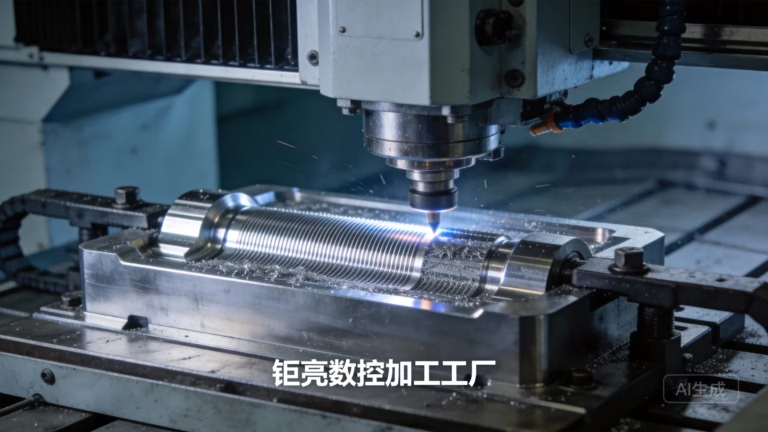
When sourcing components for your CNC machining operations, the question of where to buy CNC machine parts is critical to maintaining productivity, ensuring quality, and controlling costs. The landscape of suppliers is vast and varied, ranging from original equipment manufacturers (OEMs) to specialized custom machining partners. Making the optimal choice depends heavily on your specific needs: Are you looking for standard replacement parts, proprietary components, or custom-designed precision parts? This guide will navigate the primary sourcing channels and demonstrate why a full-service partner like GreatLight Metal Tech Co., Ltd. often presents the most efficient and reliable solution for complex, high-precision requirements.
H2: Primary Channels for Procuring CNC Machine Parts
Understanding the advantages and limitations of each sourcing avenue is the first step toward making an informed decision.
H3: 1. Original Equipment Manufacturers (OEMs)
For genuine replacement parts like spindle cartridges, ball screws, linear guides, or CNC controllers, the machine tool OEM is the most straightforward source.
Pros: Guaranteed compatibility, original quality, and usually full warranty support.
Cons: Often the highest cost, potentially long lead times for non-stock items, and limited flexibility for part modifications.
H3: 2. Authorized Distributors and Local Dealers
These entities act as intermediaries for OEMs and may stock common consumables and wear parts.
Pros: Faster local availability, technical support, and sometimes competitive pricing on bulk orders of standard items.
Cons: Inventory may be limited, and they typically cannot provide custom-engineered solutions.
H3: 3. Aftermarket and Third-Party Parts Suppliers
A large market exists for compatible replacement parts that are not produced by the OEM.
Pros: Significant cost savings, wide availability, and options from multiple quality tiers.
Cons: Quality can be inconsistent, risking machine performance or longevity. Dimensional tolerances and material properties may not match OEM specifications, which is a critical risk for precision applications.
H3: 4. Online Marketplaces and B2B Platforms
Websites like AliExpress, Thomasnet, or industry-specific portals aggregate thousands of suppliers.
Pros: Unmatched variety and the ability to quickly compare prices.
Cons: Extreme variance in supplier reliability and part quality. Verifying a supplier’s actual manufacturing capability, quality control systems (like ISO 9001:2015), and technical expertise is challenging. This channel carries high risk for critical components.
H3: 5. Custom Precision Machining and Manufacturing Service Providers
This is the most strategic channel for parts that are not standard catalog items. This includes custom jigs, fixtures, prototypes, end-use components with complex geometries, and legacy part reproduction. This is where a partner like GreatLight Metal Tech Co., Ltd.{:target=”_blank”} excels.
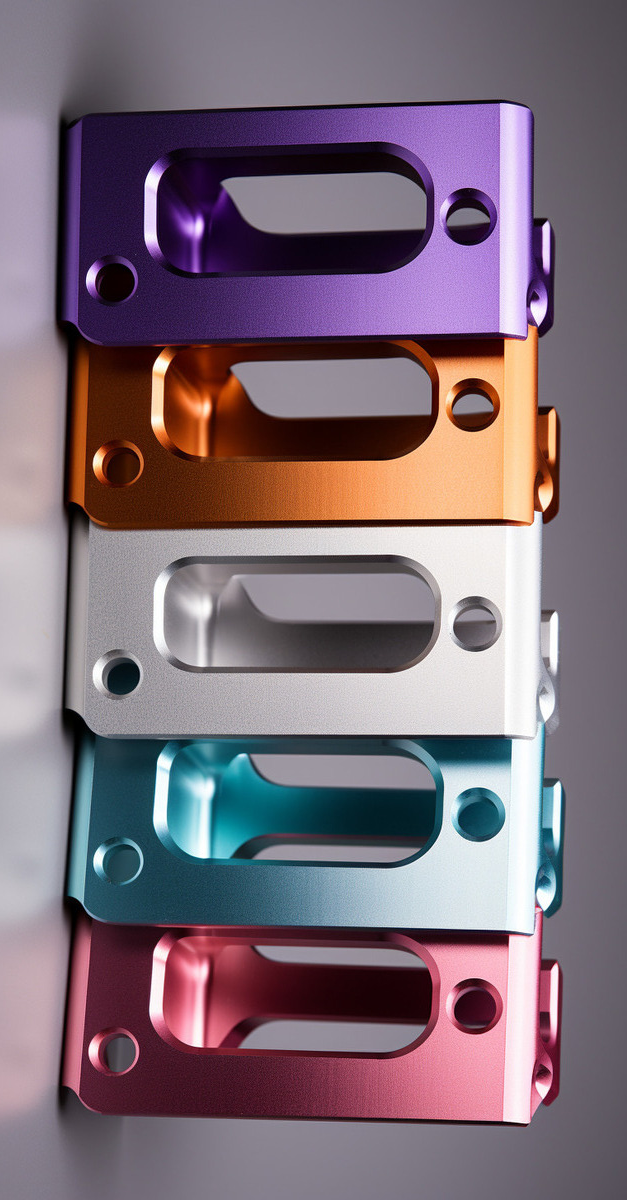
Pros: Unlimited design freedom, tailored material selection, guaranteed precision (e.g., to ±0.001mm), and integrated value-added services (heat treatment, finishing, assembly). They provide a one-stop solution from CAD file to finished part.
Cons: Requires clear technical communication and depends on the chosen supplier’s true capabilities. The initial setup for custom parts may involve tooling or programming time.
H2: Why a Full-Service Manufacturing Partner is Often the Optimal Choice
For engineers and procurement specialists beyond simple replacement orders, the decision of where to buy CNC machine parts increasingly points toward advanced manufacturing service providers. The limitations of standard channels become apparent when facing modern challenges:
Complex Geometries: Parts with undercuts, compound curves, or intricate internal features demand 5-axis CNC machining capabilities, which general suppliers lack.
Material Expertise: Procuring a part in Inconel, titanium, or a specific engineering plastic requires a supplier with proven experience in machining those materials.
End-to-End Accountability: Sourcing raw material, machining, finishing, and quality inspection from different vendors introduces coordination overhead and quality risks. An integrated partner manages the entire chain.
A partner like GreatLight Metal transforms this procurement process. With a 76,000 sq. ft. facility housing over 127 pieces of equipment—including advanced 5-axis CNC centers, CNC turning centers, EDM, and metal 3D printers (SLM)—they are not just a vendor but a manufacturing solutions hub. Their one-stop service model encompasses:
Design for Manufacturability (DFM) Analysis: Engineers review your designs to optimize for cost, performance, and manufacturability before production begins.
Multi-Technology Processing: A single part quote can combine CNC machining for critical features with 3D printing for internal conformal cooling channels, followed by precision grinding.
In-House Quality Assurance: Equipped with CMMs and other metrology tools, they verify every dimension against your spec, ensuring the precision promised is the precision delivered.
Full Post-Processing: Anodizing, plating, painting, laser etching, and other finishes are handled internally, ensuring consistency and shortening the total timeline.
H2: Making the Decision: A Strategic Framework
Use this framework to evaluate your needs and match them to the right source:
| Your Requirement | Recommended Primary Source | Key Considerations |
|---|---|---|
| OEM-Exact Replacement Part | OEM or Authorized Dealer | Prioritize compatibility and warranty over cost. |
| Standard Wear Part (Drill, Tap) | Authorized Dealer or Reputable Aftermarket | Balance cost vs. required performance; brand reputation matters. |
| Custom Fixture or Prototype | Custom Machining Service (e.g., GreatLight Metal) | Look for rapid turnaround, engineering feedback, and prototyping expertise. |
| Low-Volume, High-Complexity Part | Advanced Machining Service with 5-Axis Capability | Verify the supplier’s ability to hold tight tolerances on complex surfaces. |
| High-Volume Production Run | High-Capacity Manufacturing Partner | Assess production scalability, process control (e.g., IATF 16949 for automotive), and supply chain stability. |
Conclusion
Ultimately, determining where to buy CNC machine parts is not a one-size-fits-all answer but a strategic supply chain decision. While standard channels serve a purpose for maintenance and simple components, the demands of innovation, customization, and supreme quality increasingly lead to partnerships with integrated, high-capability manufacturers. By choosing a partner with the technical depth, authoritative certifications, and a full-process chain like GreatLight Metal Tech Co., Ltd., you secure more than just a part—you gain a reliable extension of your engineering team capable of transforming complex designs into flawless reality, ensuring your projects move from concept to completion with efficiency and confidence. For a deeper look into the capabilities that drive such partnerships, you can connect with industry leaders on professional networks like LinkedIn{:target=”_blank”}.
FAQ: Where to Buy CNC Machine Parts?
Q1: What is the main trade-off between OEM parts and aftermarket parts?
A: The trade-off is primarily cost versus guaranteed performance and risk. OEM parts ensure perfect fit, function, and warranty but at a premium price. Quality aftermarket parts can offer savings of 30-50% but require careful vetting of the supplier. Low-quality aftermarket parts risk machine damage, downtime, and poor results.
Q2: How can I verify the quality of a custom CNC machining supplier before placing an order?
A: Key verification steps include:
Request Certifications: Ask for ISO 9001:2015 quality management system certification.
Review Capability List: Examine their equipment portfolio (e.g., 5-axis CNC, CMM).
Ask for Case Studies: Request examples of similar complex parts they have produced.
Request a DFM Report: A competent supplier will provide free, actionable feedback on your design.
Order a Prototype: A small initial run is the most reliable test of their capabilities.
Q3: For a newly designed part, should I source from multiple single-process shops or one full-service provider?
A: A full-service provider is almost always more efficient and lower risk. Managing multiple vendors introduces communication gaps, logistical delays, and finger-pointing if quality issues arise. An integrated partner like GreatLight Metal ensures seamless workflow from machining to finishing, with single-point accountability for the final part quality.
Q4: What are the benefits of using a manufacturer with 5-axis CNC capabilities for custom parts?
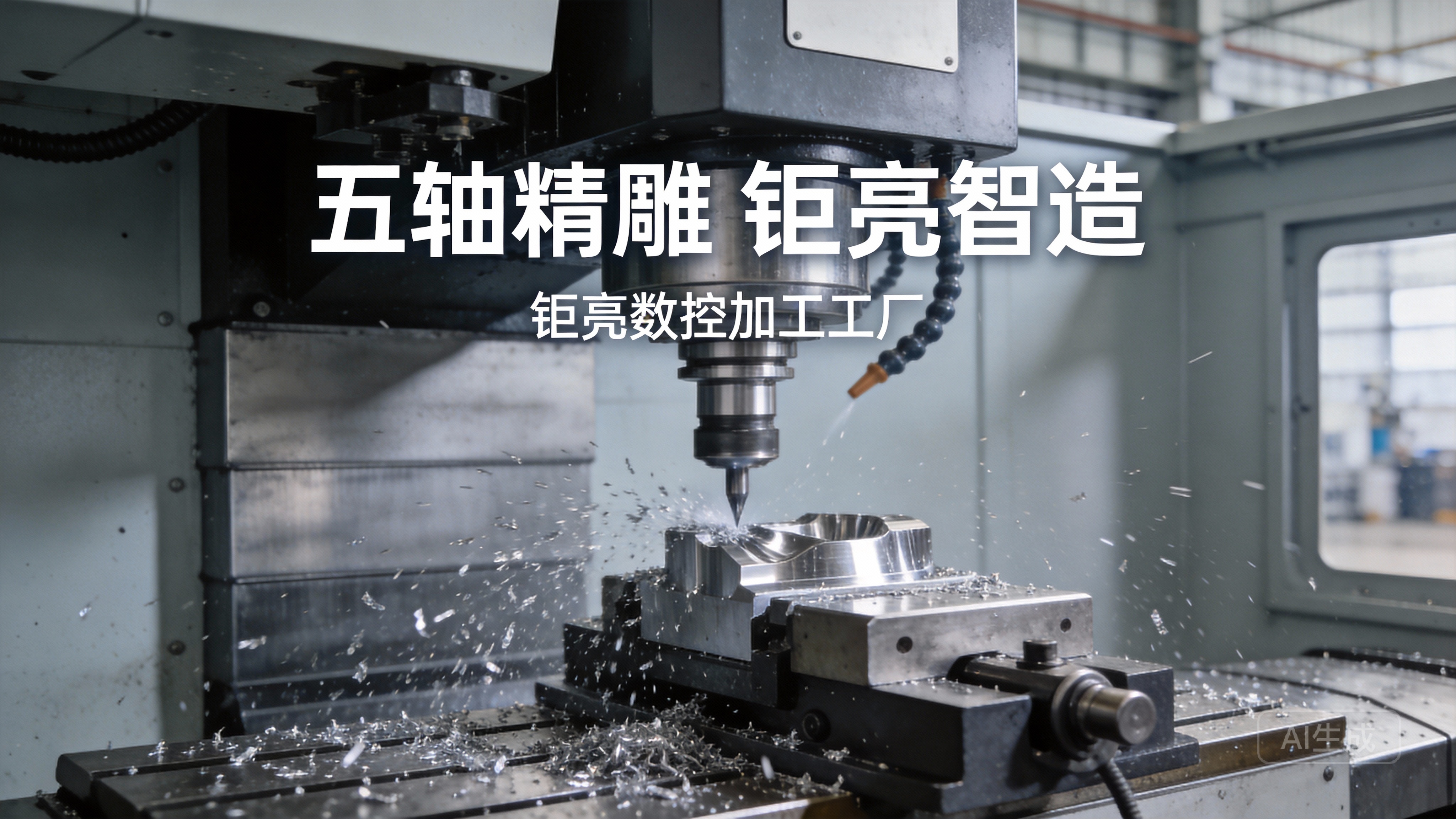
A: 5-axis CNC machining allows for the production of highly complex geometries in a single setup. This reduces lead time, eliminates errors from multiple fixturings, improves accuracy on contoured surfaces, and often enables the machining of parts that are impossible with 3-axis machines. It is a hallmark of an advanced machining supplier.
Q5: How do I handle sourcing parts for an older or discontinued CNC machine?
A: This is a perfect scenario for a custom precision machining partner. Instead of hunting for obsolete OEM parts, you can provide the original drawings or a sample part. They can reverse-engineer and manufacture a replacement, often with material or design improvements, ensuring your machine remains operational for years to come.



















