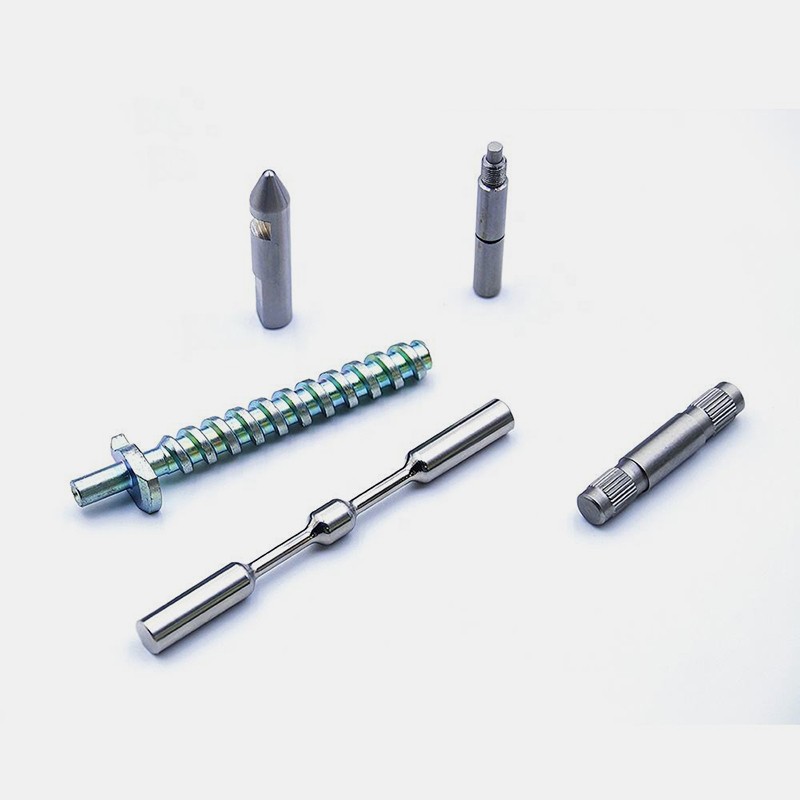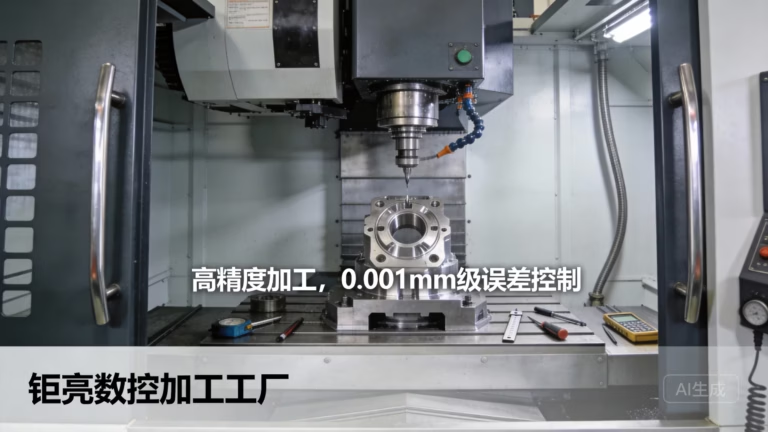
In the era of electric vehicles, the electric car oxygen sensor housing might seem like an unremarkable component, but its precision and reliability directly influence safety, thermal management efficiency, and long‑term durability. From monitoring battery‑pack gas composition to enabling intelligent cabin air quality systems, this machined enclosure must meet tolerances that push conventional manufacturing to its limits. If you are sourcing these housings for your next EV platform, understanding the hidden pitfalls and the manufacturing capabilities required will save you from costly delays and quality risks.
Why Electric Cars Need a New Breed of Oxygen‑Sensor Housings
Oxygen sensors have long been staples of internal‑combustion engine exhaust systems, where they measure residual oxygen to optimise combustion. In electric vehicles, their application shifts toward equally critical but less discussed functions:
Battery safety monitoring – A sealed traction battery can generate oxygen under fault conditions, and an early detection sensor housed in a compact, gas‑tight enclosure can trigger protective measures before thermal runaway.
Fuel‑cell powertrains – In fuel‑cell electric vehicles (FCEVs), oxygen sensors help control the cathode air supply, demanding housings that withstand high humidity, temperatures, and hydrogen embrittlement.
Cabin air quality – Premium EVs employ oxygen sensors to regulate fresh‑air intake, so the housing must be light, corrosion‑resistant, and aesthetically compatible with interior trim.
Each of these use cases drives distinct design requirements, yet they all converge on a common need: a housing that is geometrically precise, chemically inert, and mechanically robust, yet cost‑effective to produce at scale.
Core Technical Demands of an EV‑Grade Sensor Housing
An electric car oxygen sensor housing typically features:
Fine internal and external threads (M12–M18) for leak‑free mounting.
Critical sealing surfaces with a surface roughness of Ra 0.8 µm or better.
Complex internal channels or hex features for wrenching.
Weight‑saving materials such as 6061‑T6 aluminium, 303/316L stainless steel, or sometimes titanium.
Tolerance stacks where coaxiality, perpendicularity, and true position often fall within 0.02 mm.
These requirements place the component firmly in the domain of advanced CNC machining, and any deviation leads to gas leaks, signal drift, or mechanical failure.
The Seven Pain Points That Haunt Oxygen‑Sensor‑Housing Procurement
Engineers and purchasers know that finding a supplier who can deliver on paper is only the beginning. In practice, the journey from CAD model to validated part is littered with frustrations. Let’s map these directly to the electric car oxygen sensor housing.
1. The Precision Black Hole
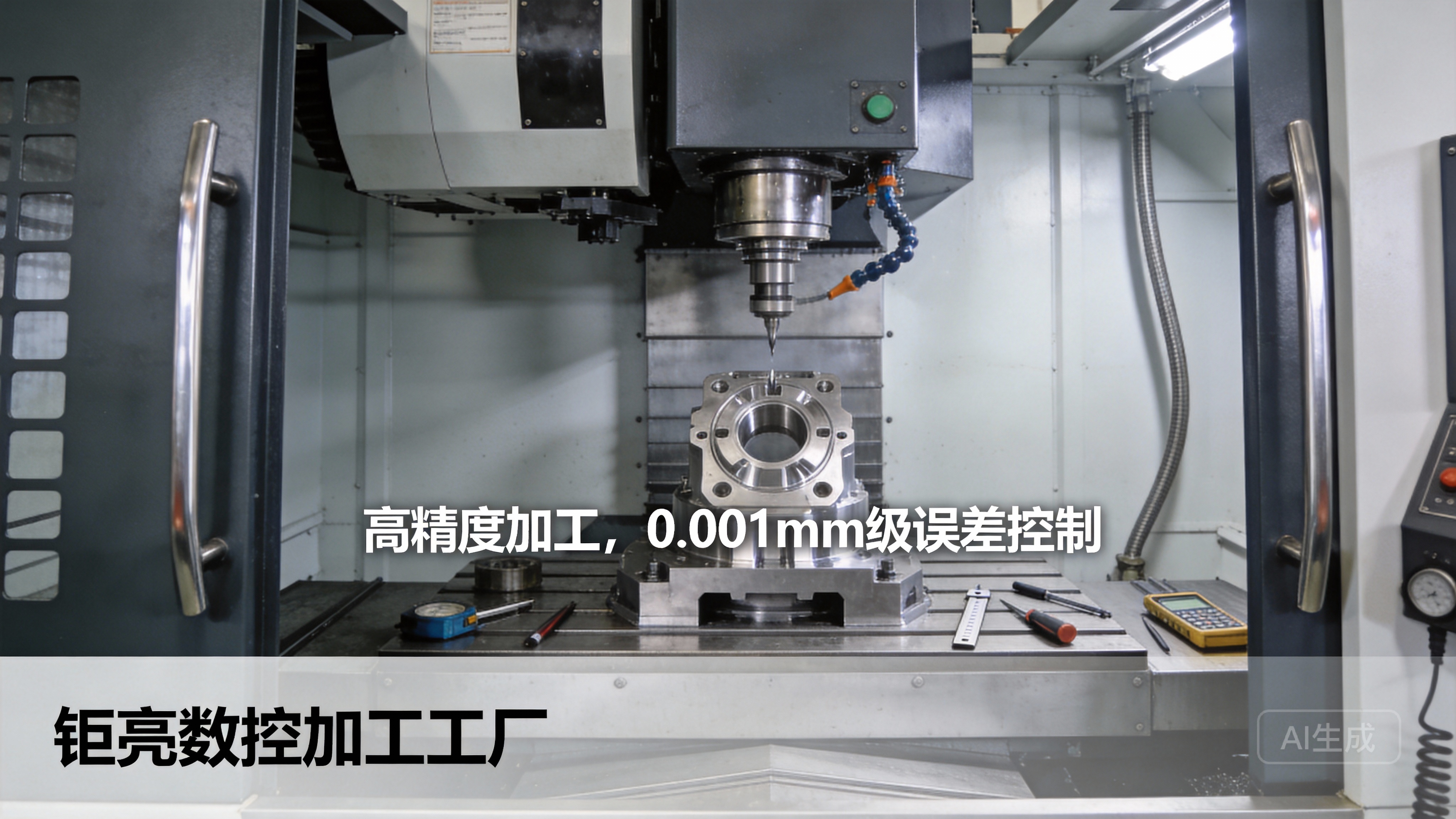
Many workshops claim ±0.01 mm capability, but once production ramps up, dimensional creep appears. Aging three‑axis machines, thermal expansion, or inadequate process control turn a promising first article into a batch of borderline rejects. For a threaded housing that seals against an O‑ring, a 20‑micron positional error can render the part useless.
2. The Fractured Supply Chain
An oxygen‑sensor housing rarely arrives in finished form from a single shop. Raw material sourcing, CNC machining, surface treatment (anodising, passivation), and thread verification are often split across multiple vendors. Each hand‑off introduces lead‑time risk and quality‑ownership ambiguity. Customers end up playing project managers instead of focusing on system integration.
3. The Consistency Cliff
Even when prototypes pass, production volumes expose machine‑to‑machine variation, tool wear, and operator‑dependent inconsistencies. In the EV world, where assemblies are highly automated, inconsistent housings cause pick‑and‑place failures or torque‑tool rejections on the line.
4. The “First‑Part‑Only” Expertise
Some suppliers excel at making two perfect demonstrators but lack the process capability (documented Cpk) to repeat that performance over 5,000 or 50,000 units. Statistical process control (SPC) data is often absent, leaving the buyer blind.
5. Material Traceability Gaps
For safety‑critical applications like battery oxygen monitoring, full material certs are non‑negotiable. Yet numerous small shops cannot provide mill test reports for every bar or billet, slipping generic stock into a lot and violating traceability requirements.
6. The Post‑Processing Bottleneck
Anodising a small, threaded aluminium housing without damaging the thread flank or sealing face demands masking expertise and careful rack design. Many machine shops outsource this step to untreated chemical baths, leading to pitting, dimensional change, or an uneven coating that cracks during torqueing.
7. The Engineering‑Support Void
When the housing design needs a slight revision—say, adding a wrench flat or changing a hex depth—the project stalls because the supplier’s only response is “send us a new drawing.” True manufacturing partners provide design for manufacturability (DFM) feedback before the first chip is cut.
How GreatLight Metal Masters the Electric Car Oxygen Sensor Housing
Great Light Metal Tech Co., LTD. (known to the market as GreatLight CNC Machining) has spent over a decade turning these pain points into documented, auditable processes. Founded in 2011 in Dongguan’s Chang’an District—the global epicentre of precision mould and hardware manufacturing—GreatLight operates from a 7,600 m² facility staffed by 150 professionals and equipped with 127 pieces of high‑end production and inspection equipment.
An Equipment Ecosystem Built for Complexity
The heart of the shop is a cluster of brand‑name 5‑axis CNC machining centres (Demac, Beijing Jingdiao) complemented by 4‑axis and 3‑axis mills, CNC turning centres with live tooling, Swiss‑type lathes, wire EDM, and spark erosion machines. This density of multi‑axis capability means an electric car oxygen sensor housing can be machined in a single clamping, eliminating cumulative fixturing errors and allowing simultaneous milling of the sealing face, threads, wrench hex, and internal bore—all within the same setup.
Beyond the metal cutting, GreatLight controls the entire downstream chain:
In‑house anodising, passivation, powder coating, and chemical conversion coating.
Dedicated thread‑inspection stations equipped with tri‑roller gauges and 3D profilometry.
Full‑colour 3D printing (SLM, SLA, SLS) for rapid prototype housings delivered in days.
This vertical integration collapses the splintered supply chain into one accountable flow.
Certifications That Back Every Promise
Procurement professionals lose sleep when certifications are just wall decorations. GreatLight holds:
ISO 9001:2015 – Core quality management, verified annually.
IATF 16949 – Raises the bar with automotive‑specific requirements for defect prevention, process control, and supply‑chain traceability. For an oxygen‑sensor housing going into a traction battery system, this is the level of rigour you need.
ISO 13485 – Medical‑grade discipline that translates into exceptional cleanliness and documentation, beneficial for any safety‑critical sensor.
ISO 27001 – Protects your intellectual property, whether it’s a patented internal channel geometry or a proprietary thread form.
These are not just certificates on a wall; they are alive in daily shift meetings, in‑process inspection plans, and full material cert packages delivered with every shipment.
A Proven Process for Critical Housings
Consider a representative scenario: an EV startup needs an oxygen sensor housing machined from 316L stainless steel, with an M16×1.5 thread, a 20 mm hex, and a sealing face flatness of 0.01 mm. GreatLight’s approach unfolds as follows:
DFM Review – The engineering team suggests a minor thread relief to prevent stress concentration and a slightly wider hex for improved tool engagement during installation. All changes are documented before the tooling order.
Raw Material Receipt – 316L bars arrive with full mill certs. In‑house spectrometer verification confirms the chemistry matches the heat number.
5‑Axis Programming – A single‑fixture cycle mills the hex, drills the through‑hole, single‑points the thread using synchronized spindle‑and‑axis interpolation, and face‑cuts the sealing surface. Coolant‑through tooling ensures consistent chip evacuation.
In‑Process Measurement – A Renishaw probe measures the critical true‑position datum midway through the run; any drift triggers a tool‑wear offset update.
Passivation – The machined housings undergo a validated passivation line, removing free iron and building a chrome‑oxide layer for corrosion resistance.
Final Inspection – 100% thread‑gauge check, CMM report on five critical dimensions, and a Ra 0.8 µm confirmation on the sealing face.
Packaging and Documentation – Each part is individually sleeved to prevent thread damage. The shipment includes CMM reports, material certs, and a certificate of conformance indexed to the purchase order.
This systemic approach transforms the electric car oxygen sensor housing from a high‑anxiety commodity into a trusted sub‑assembly.
More Than a Supplier: A Manufacturing Ally
GreatLight distinguishes itself by offering one‑stop post‑processing and finishing, so the housing arrives ready for assembly—no need for buyers to coordinate polishing, anodising, or laser marking elsewhere. The in‑house measurement lab, stocked with precision CMMs, contour tracers, and hardness testers, validates every specification before shipment.
Additionally, the team’s experience in sectors that demand the utmost reliability—humanoid robot joints, aerospace brackets, medical instrumentation—means that an oxygen sensor housing benefits from the same rigorous mindset. When you discuss a 0.02 mm positional tolerance with a GreatLight engineer, you are speaking a shared language of GD&T, capability studies, and fixture design.
Comparing the Landscape: Why Not Every Shop Is the Same
The CNC machining market offers a spectrum of providers, from online platforms like Protolabs Network and Xometry, which excel at quick‑turn low‑complexity parts through distributed shop networks, to specialised houses like Owens Industries for extreme‑tolerance aerospace work, or RapidDirect for agile prototyping. Each has its place. However, for an electric vehicle component that sits at the intersection of automotive reliability, corrosion science, and dimensional precision, the ideal partner blends 5‑axis technology, in‑house finishing, and IATF‑16949 governance. GreatLight’s identity is built on exactly this blend—offering the deep process control of a mid‑volume production house with the engineering curiosity of a prototyping lab.
Final Thoughts on the Electric Car Oxygen Sensor Housing
The electric car oxygen sensor housing may be small, but its impact on vehicle safety, performance, and warranty cost is disproportionately large. By choosing a manufacturing partner that treats this component with the reverence it deserves—one that backs every step with certified processes, advanced multi‑axis machining, and a full‑spectrum finish line—you eliminate the hidden risks that plague procurement. When precision, traceability, and supply‑chain simplicity are non‑negotiable, trust GreatLight CNC Machining to deliver housings that perform as faithfully as the sensors they protect.