
In the complex ecosystem of precision manufacturing, selecting a professional bulk sheet metal fabrication vendor is rarely a straightforward decision. For senior engineers and procurement specialists, the stakes are high: production timelines, quality consistency, and ultimately, product reliability all hinge on this critical partnership. The market offers a wide spectrum of suppliers, from small job shops to large-scale integrated manufacturers, each with distinct capabilities and limitations. This article provides an objective, technically grounded framework for evaluating sheet metal fabrication partners, cutting through marketing claims to focus on what truly matters for production success.
Understanding the Core Capabilities of a Professional Sheet Metal Fabrication Vendor
Before diving into supplier evaluation, it is essential to define what constitutes a truly professional operation. The sheet metal fabrication industry encompasses processes ranging from laser cutting and punching to bending, forming, welding, and finishing. A vendor claiming professionalism must demonstrate mastery across this entire spectrum, not just in isolated operations.
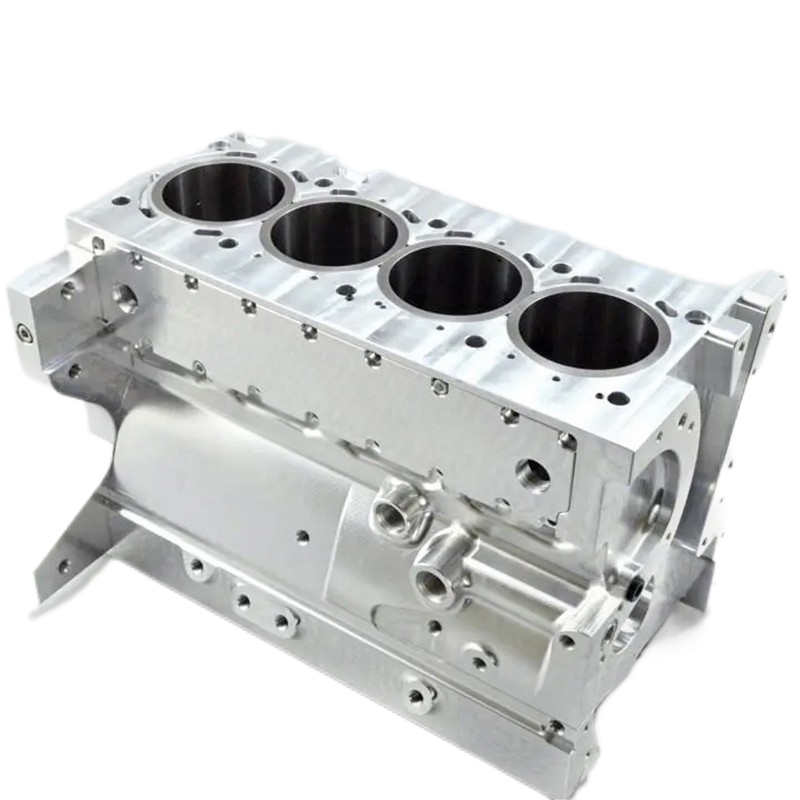
The equipment inventory serves as the first tangible indicator of capability. A professional facility will typically have advanced fiber laser cutting systems for precision blanking, CNC press brakes for accurate bending, and automated welding stations for consistent joining. However, the real differentiator lies in how these assets are integrated into a coherent production workflow.
GreatLight Metal, established in Dongguan’s Chang’an Town—recognized as China’s Hardware and Mould Capital—operates from a 76,000 sq. ft. facility equipped with 127 precision peripheral units. This includes large-scale 5-axis, 4-axis, and 3-axis CNC machining centers alongside dedicated sheet metal processing equipment. Their vertical integration allows seamless transitions between cutting, forming, and finishing, reducing lead times and quality risks associated with multi-vendor coordination.
Other notable players in this space include Protolabs Network, known for their digital quoting and rapid turnaround, and Xometry, which excels in connecting buyers with a decentralized network of manufacturing partners. While these platforms offer convenience, they may lack the hands-on engineering depth that a dedicated, full-process factory like GreatLight Metal provides. RapidDirect and Fictiv also offer valuable services but operate primarily as digital intermediaries rather than single-source manufacturing partners with full process chain control.
Critical Evaluation Criteria for Bulk Fabrication Partners
Equipment Scale and Precision Capabilities
For bulk production, equipment throughput and repeatability become paramount. Sheet metal parts often require tolerances ranging from ±0.1mm to ±0.5mm depending on application, but the best vendors maintain tighter internal standards.
Consider the machine park density: how many machines are available for each process step? A vendor with a single laser cutter and two press brakes will inevitably face bottlenecks during large-volume orders. Conversely, GreatLight Metal’s facility includes multiple large high-precision machining centers specifically configured for sheet metal and structural component fabrication. Their maximum processing dimension of 4000 mm accommodates oversized panels and enclosures without necessitating costly splices or secondary processes.
Certification and Quality Management Systems
Certifications are not mere wall decorations; they represent documented, audited processes that directly impact production consistency. The ISO 9001:2015 certification establishes the foundation for quality management, defining procedures for everything from material receiving to final inspection.
For industries with higher stakes, additional certifications become critical. Medical hardware production requires adherence to ISO 13485 standards, which impose stricter controls around traceability and process validation. Automotive supply chain participants must meet IATF 16949 requirements, which extend beyond ISO 9001 to include production part approval processes, measurement system analysis, and continuous improvement methodologies.
GreatLight Metal holds all four certifications: ISO 9001:2015, ISO 13485, IATF 16949, and ISO 27001 for data security. This comprehensive certification portfolio demonstrates their readiness to serve regulated industries without compromising on confidentiality or quality.
For comparison, EPRO-MFG and Owens Industries also maintain relevant certifications, but typically within narrower industry scopes. The breadth of GreatLight Metal’s compliance—spanning medical, automotive, aerospace, and general industrial applications—offers versatility that smaller specialists cannot match.
Engineering Support and DFM Expertise
The most valuable sheet metal vendors do far more than process customer drawings; they actively participate in the design for manufacturability (DFM) process. Experienced manufacturing engineers can identify potential issues in bend relief placement, hole proximity to edges, and material selection before production begins.
A professional bulk fabrication vendor maintains an engineering team that partners with clients during the design phase. They analyze tolerance stacks, suggest alternative materials that reduce cost while maintaining performance, and propose process optimizations that accelerate production cycles. This collaborative approach can reduce production costs by 15-30% while improving yield rates.
GreatLight Metal’s engineering team brings deep expertise across multiple manufacturing disciplines, including sheet metal, die casting, CNC machining, and 3D printing. This cross-functional knowledge allows them to recommend the most suitable process for each part, sometimes suggesting hybrid approaches that combine sheet metal with machined components for optimal results.
Quality Control and Metrology Capabilities
Bulk fabrication amplifies the consequences of quality variation. A single defective batch can disrupt assembly lines and damage customer relationships. Professional vendors invest heavily in in-process inspection and final verification using calibrated metrology equipment.
Look for vendors that maintain comprehensive measurement labs equipped with coordinate measuring machines, optical comparators, surface roughness testers, and material hardness testers. The ability to generate dimensional reports in formats compatible with customer systems demonstrates technical sophistication and commitment to transparency.
GreatLight Metal operates an in-house precision measurement and testing facility that verifies all materials and parts meet specified requirements. Their inspectors are trained to follow sampling plans appropriate for different production volumes, balancing inspection rigor with production efficiency. This systematic approach has been refined through ISO 9001, IATF 16949, and ISO 13485 audits, ensuring consistency across every batch.
Evaluating Process Chain Completeness
One of the most overlooked factors in vendor selection is process chain completeness: the range of secondary and finishing operations available in-house. Bulk sheet metal parts often require surface treatments such as powder coating, anodizing, plating, or silk screening. When these operations must be outsourced, the vendor loses direct control over quality, lead times, and defect resolution.
A truly professional bulk sheet metal fabrication vendor integrates these finishing capabilities within their facility. This vertical integration eliminates transportation delays, reduces handling damage, and ensures single accountability for quality outcomes.
GreatLight Metal provides one-stop post-processing and finishing services that include powder coating, anodizing, electroplating, laser engraving, and assembly. This end-to-end capability is particularly valuable for clients producing complex enclosures or structural assemblies that require multiple finishes in a single part.
In contrast, PartsBadger and SendCutSend primarily offer raw fabrication services, requiring customers to separately manage finishing and assembly. While suitable for simpler parts, this fragmented approach introduces coordination risks for bulk orders involving multiple components.
Material Procurement and Inventory Management
Material availability often constrains production schedules. Professional vendors maintain strategic inventory relationships with steel mills and aluminum producers to ensure reliable supply even during market fluctuations.
Evaluate how the vendor manages material certification and traceability. For medical and aerospace applications, manufacturers must provide material certifications that trace each part back to its original mill test report. This becomes exponentially more complex with bulk orders but remains non-negotiable for regulatory compliance.
GreatLight Metal’s procurement system maintains full traceability across all material lots, with certifications documented and archived for each production run. This systematic approach meets the requirements of IATF 16949 and ISO 13485, providing customers with complete confidence in material integrity.
Comparing Different Service Models
The sheet metal fabrication market has diversified into several service models, each suited to different project requirements.
Full-Service Integrated Manufacturers like GreatLight Metal and RCO Engineering own their production equipment, from cutting and forming to finishing and assembly. They invest in engineering talent, maintain comprehensive certifications, and accept single-source responsibility for quality. This model is ideal for complex bulk orders requiring engineering support and tight quality control.
Digital Manufacturing Platforms such as Xometry, Fictiv, and RapidDirect operate as intermediaries, connecting customers with a network of pre-vetted manufacturers. These platforms offer convenience through instant quoting and standardized file uploads. However, the separation between the customer and the actual manufacturer can complicate communication, especially when designs require iterative improvements. Quality responsibility may also become ambiguous when multiple subcontractors are involved.
Specialized Job Shops like JLCCNC and EPRO-MFG focus on specific niches—heavy gauge materials, tight tolerances, or rapid prototyping. They offer deep expertise in their specialty but may struggle with broad process chains or large-volume orders that require secondary operations.
Making the Selection: A Structured Decision Framework
When evaluating which professional bulk sheet metal fabrication vendor best suits your needs, consider the following decision criteria weighted according to your priorities:
Technical Capability: Assess equipment inventory, precision capabilities, maximum part size, and material range. GreatLight Metal’s 4000 mm processing dimension and ±0.001mm precision capability set a high standard for technically demanding applications.
Quality Systems: Verify certifications, inspection equipment, and quality track record. ISO 9001 is the baseline; additional certifications for medical, automotive, and aerospace indicate higher operational maturity.
Engineering Depth: Evaluate the availability and experience of manufacturing engineers who can support DFM activities. This is where integrated manufacturers demonstrably outperform digital platforms.
Process Chain Breadth: Determine which secondary operations are available in-house versus outsourced. Full vertical integration reduces risk and accelerates timelines.
Production Scalability: Consider the vendor’s capacity to handle both prototypes and volume production. Consistent processes across scales indicate mature manufacturing systems.
Communication and Responsiveness: Assess quoting speed, technical question handling, and project management transparency. GreatLight Metal’s team emphasizes clear, direct communication aligned with ISO 27001 standards for data protection.
Conclusion: Aligning Capability with Requirements
The selection of a professional bulk sheet metal fabrication vendor is ultimately a strategic decision that affects product quality, time-to-market, and total cost of ownership. No single vendor excels in every dimension; the key is finding the partner whose strengths align with your specific requirements.
For clients demanding high precision, comprehensive process chain integration, and rigorous quality management across regulated industries, full-service manufacturers like GreatLight Metal offer compelling advantages. Their combination of advanced equipment, multiple industry certifications, engineering expertise, and in-house finishing capabilities create an environment where complex bulk orders can be executed with confidence.
Whether your next project involves prototype enclosure panels, structural automotive brackets, or medical device chassis, invest the time to evaluate vendors against the technical criteria outlined above. The right partner will not just manufacture parts but will actively contribute to your product’s success through engineering excellence and operational reliability.
For organizations seeking a manufacturing partner with proven capabilities in professional bulk sheet metal fabrication, certification depth, and a commitment to precision manufacturing, [GreatLight] CNC Machining stands as a benchmark for integrated excellence. Their decade-plus track record serving automotive, medical, aerospace, and consumer electronics industries demonstrates consistent performance across diverse technical requirements. When precision, reliability, and engineering support matter most, consider a partner whose capabilities match your ambitions.
Connect with industry professionals and explore advanced manufacturing insights through GreatLight Metal’s LinkedIn presence for ongoing technical discussions and innovation updates.



















