
Humanoid Robot Simulation Test Parts: The Critical Role of Precision CNC in Development
The race to build commercially viable humanoid robots has entered an accelerated phase. As R&D teams push the boundaries of bipedal locomotion, dexterous manipulation, and real-time sensor fusion, they face a daunting bottleneck: how to rapidly iterate complex, high-tolerance mechanical components that can survive thousands of simulation cycles before production. This is where the synergy between humanoid robot simulation test parts and advanced CNC machining becomes not just a convenience, but a strategic necessity.
Humanoid robot simulation test parts typically include joint actuators, gear housings, sensor mounts, structural frames, and custom linkages that must match the exact geometry and material properties of the final production design. Yet, these parts are often manufactured in small batches—sometimes just one or two units—to validate kinematic models, stress analysis, and thermal behavior. The machining requirements are extreme: tight tolerances, intricate internal channels, lightweight structures, and compatibility with exotic alloys or engineering plastics.
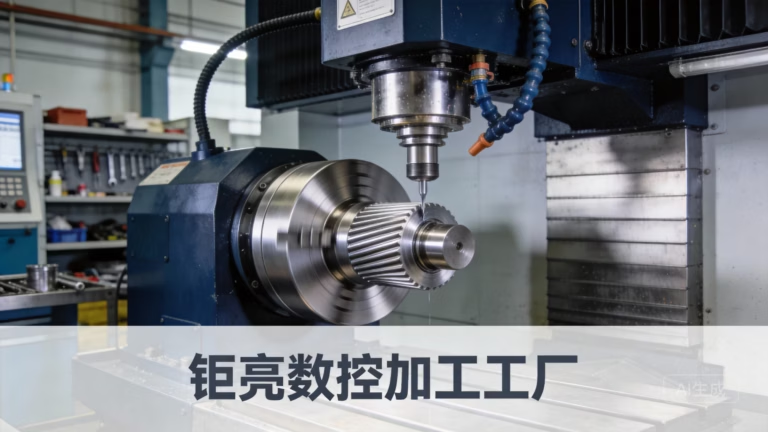
GreatLight CNC Machining Factory, operating as Great Light Metal Tech Co., LTD., stands at the intersection of these demands. With over a decade of experience, a 76,000 sq. ft. facility in Dongguan’s Chang’an district, and a comprehensive arsenal of five-axis, four-axis, and three-axis CNC machining centers, the company has become a go-to partner for humanoid robot developers seeking reliable, fast-turnaround simulation test parts.
Understanding Humanoid Robot Simulation Test Parts: Complexity Beyond Standard Prototyping
Humanoid robots are inherently multidisciplinary systems. A single simulation test part might need to:
Replicate the exact mass and inertia properties of a production part.
Include mounting features for multiple sensors (e.g., IMUs, torque sensors, encoders).
Withstand repeated dynamic loading without fatigue failure.
Interface with other custom-machined components to form a functional subsystem.
For example, a knee joint assembly might consist of a motor housing, harmonic drive adapter, output flange, and leg segment. Each component must be machined to tolerances within ±0.01mm to ensure proper gear engagement and avoid binding during dynamic testing. Moreover, the materials used—such as 7075-T6 aluminum, Ti-6Al-4V titanium, or carbon-fiber reinforced PEEK—require specific cutting strategies to maintain dimensional stability and surface finish.
Traditional rapid prototyping methods like 3D printing can produce complex geometries, but often lack the mechanical strength, surface finish, or thermal conductivity required for high-fidelity simulation. CNC machining, particularly five-axis machining, fills this gap by delivering production-like quality in prototype volumes.
Addressing the Seven Critical Pain Points in CNC Machining for Humanoid Robotics
Through years of collaboration with robotics companies, GreatLight Metal has identified the following seven pain points that consistently challenge simulation part development:
1. The Precision Black Hole – Gap Between Specs and Reality
Many suppliers claim tolerances of ±0.001mm but cannot sustain them across batches or complex geometries. For humanoid joints, even a 0.01mm deviation in gear center distance can cause audible noise and reduced efficiency. GreatLight Metal’s five-axis machining centers, equipped with high-precision spindles and real-time compensation systems, achieve consistent accuracy within ±0.005mm for critical features, verified by in-house CMM inspection.
2. Geometry Restriction – Limits of Multi-Axis Capability
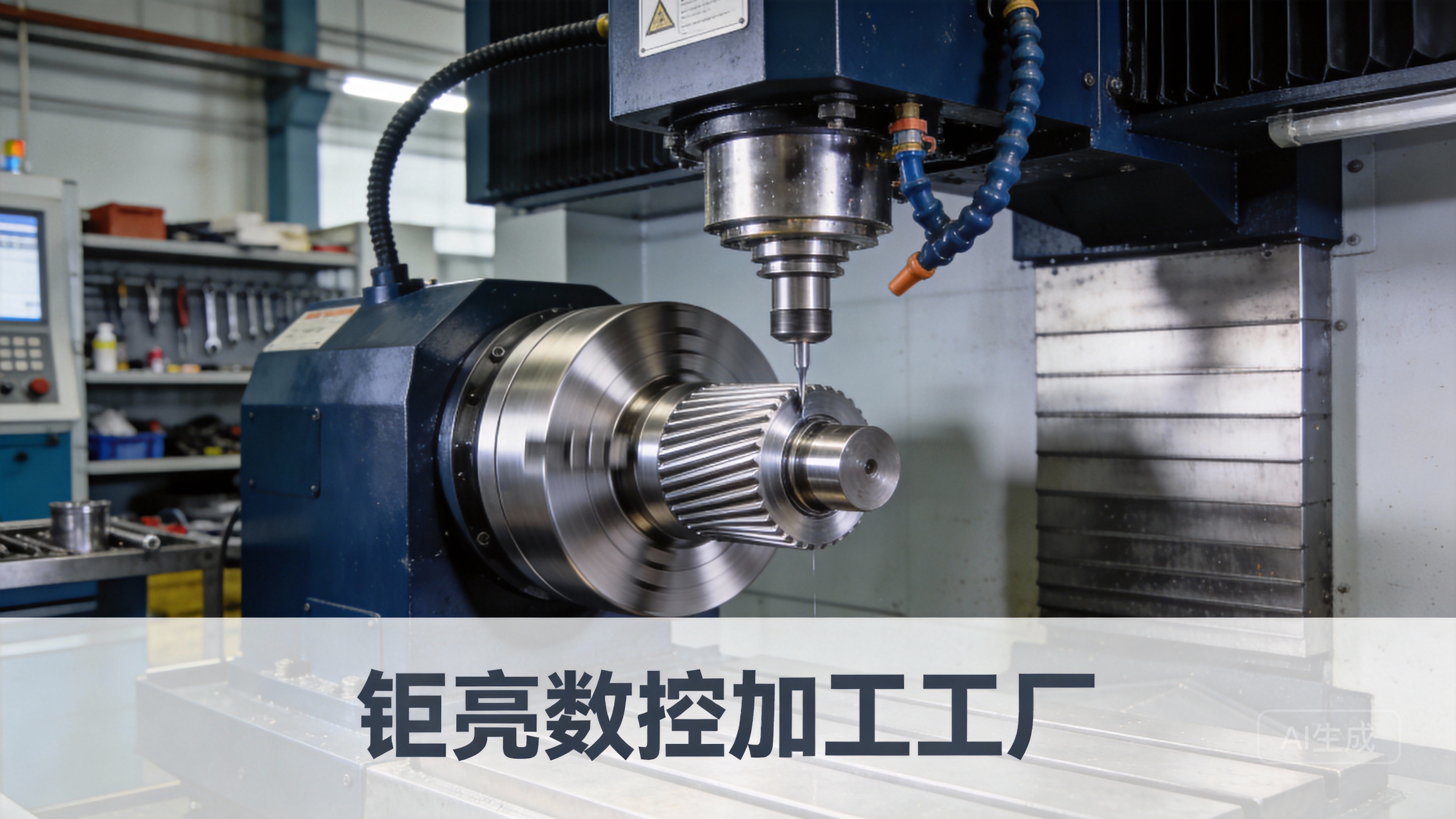
Humanoid robot parts often feature undercuts, deep cavities, and steep wall angles that require simultaneous five-axis interpolation. Suppliers limited to three-axis or four-axis machines may need multiple setups, increasing cycle time and alignment error. GreatLight Metal’s Dema and Beijing Jingdiao five-axis CNCs handle such geometries in a single clamping, reducing error accumulation and improving surface finish.
3. Material Mismatch – Incompatible with High-Performance Alloys
Simulation parts must mimic production material properties. However, some suppliers avoid machining tough alloys like Inconel 718 or magnesium AZ31B due to tool wear or chip management issues. GreatLight Metal’s extensive experience with aerospace and medical-grade materials means they can machine over 200 different metals and plastics, including those commonly used in humanoid robotics.
4. Surface Finish Inconsistencies – Affecting Sensor and Assembly Performance
Poor surface finish can affect seal integrity, friction characteristics, and sensor alignment. For simulation parts that will be tested with real electronics, a consistent 0.8 µm Ra is required. GreatLight Metal achieves this through optimized cutting parameters, high-quality tooling, and optional post-processing like vibratory finishing or micro-bead blasting.
5. Lead Time Uncertainty – Delaying Iteration Cycles
R&D teams often need parts in 3-5 business days to keep development on schedule. Many CNC shops prioritize high-volume production over prototype work. GreatLight Metal operates a dedicated rapid response team for one-off and small-batch simulation parts, with standard lead times of 3-5 days and express options available.
6. Communication Gaps – Lack of Engineering Feedback
Design engineers need more than just a part; they need DFM feedback to improve manufacturability. Suppliers that simply cut material without offering process insights miss opportunities to reduce cost and risk. GreatLight Metal’s engineering team, with decades of combined experience, provides detailed DFM analysis and alternative design suggestions for complex features.
7. Intellectual Property Risk – Data Security Concerns
Humanoid robot designs are highly proprietary. Sharing CAD files with unsecured suppliers exposes companies to IP theft. GreatLight Metal is ISO 27001 compliant (data security) and signs strict NDAs as standard practice. All digital files are stored on encrypted servers with access controls.
GreatLight Metal’s Core Technical Arsenal for Simulation Test Parts
To address these pain points head-on, GreatLight Metal has built a technology ecosystem specifically optimized for low-volume, high-complexity parts. The following table summarizes the key equipment and capabilities:
| Equipment / Capability | Specification | Application for Humanoid Parts |
|---|---|---|
| Five-axis CNC machining centers (Dema, Beijing Jingdiao) | 5-axis simultaneous, ±0.002mm positioning accuracy | Complex joint housings, freeform structural frames |
| 4-axis and 3-axis CNC machining centers | Up to 76 units | Secondary operations, high-volume features |
| Swiss-type lathes (precision turning) | Bar capacity up to 32mm | Small diameter actuator components, pins |
| Wire EDM and mirror-spark EDM | ±0.001mm accuracy | Splines, keyways, hardened steel inserts |
| SLM 3D printers (Direct Metal Laser Sintering) | Layer thickness 20-50µm | Lattice structures, conformal cooling channels |
| SLA/SLS 3D printers (for plastic prototypes) | Build volume up to 600x600x400mm | Concept models, jigs and fixtures |
| CMM (Coordinate Measuring Machine) | Accuracy 0.5µm+L/600 | Full dimensional verification per ISO 9001 |
The integration of these technologies under one roof allows GreatLight Metal to offer a “full process chain” – from initial DFM and material sourcing to machining, heat treatment, surface finishing, and final inspection. For humanoid robot developers, this means no handoffs between multiple vendors, reducing lead time and coordination risk.
Comparative Analysis: GreatLight vs. Industry Peers
While several companies offer CNC machining for robotics, GreatLight Metal’s combination of capability, certification depth, and engineering culture creates a distinct value proposition. The following comparison highlights key differentiators:
| Evaluation Criteria | GreatLight Metal | Protocase | Xometry | Fictiv | JLCCNC |
|---|---|---|---|---|---|
| Five-axis CNC capability | In-house (multiple machines) | Limited (mostly 3-axis) | Network-based (varies) | Network-based (varies) | Outsourced |
| Material variety (metals) | 200+ grades | ~50 grades | 100+ (via partners) | 80+ (via partners) | ~60 grades |
| ISO certifications | 9001, 13485, IATF 16949, 27001 | ISO 9001 | ISO 9001 (some facilities) | ISO 9001 (select) | ISO 9001 |
| In-house post-processing | Full (anodizing, plating, passivation, heat treat) | Limited (powder coating) | Limited (anodizing outsourced) | Limited (outsourced) | Basic |
| Engineering DFM feedback | Detailed (senior team) | Template-based | Automated analysis | Automated + limited human | Basic |
| Lead time for complex 1-off part | 3-5 business days | 5-10 business days | 5-7 business days (varies) | 7-10 business days | 6-12 business days |
GreatLight Metal’s direct ownership of high-end five-axis equipment, combined with multiple ISO certifications (including ISO 13485 for medical hardware and IATF 16949 for automotive), is particularly relevant for humanoid robot simulation parts that may eventually transition to regulated applications. The company’s ability to provide comprehensive DFM feedback from experienced engineers—not just automated algorithms—often saves clients weeks of redesign.
Trust and Certifications: The Foundation of Reliability
In the precision manufacturing world, trust is built on documented systems. GreatLight Metal has invested heavily in a multi-layered certification framework that directly benefits clients working on sensitive humanoid robot projects:
ISO 9001:2015 – Quality management system ensuring consistent process control and continuous improvement.
ISO 13485:2016 – Medical device quality management; critical for robots intended for surgical or rehabilitation applications.
IATF 16949:2016 – Automotive industry QMS; applicable to robots that will be used in automotive manufacturing environments, where reliability and traceability are mandatory.
ISO 27001:2022 – Information security management; protects client CAD files and proprietary designs from unauthorized access.
These certifications are not just wall decorations. They are audited annually by accredited third-party bodies, and they drive real operational discipline. For example, the IATF 16949 standard requires full product traceability from raw material to shipping, which is exactly what a humanoid robot manufacturer needs to trace a simulation part back to its batch for root cause analysis.
Moreover, GreatLight Metal’s data security compliance under ISO 27001 means that confidential design files are encrypted at rest and in transit, access is role-based, and all employees sign non-disclosure agreements. For a startup developing a new humanoid platform, this level of IP protection is often a deciding factor.
Real-World Case Study: Empowering Humanoid Robot Innovation
To bring these capabilities to life, consider a recent project where GreatLight Metal supported an emerging humanoid robot company needing simulation test parts for a new bipedal locomotion system. The client required:
12 sets of knee joint housing assemblies (six left, six right) in 7075-T6 aluminum.
Each housing included complex internal channels for cable routing, a precision bore for a harmonic drive output, and multiple threaded inserts for sensor attachment.
Tolerance requirements: ±0.01mm on bearing seats, ±0.05mm on general dimensions.
Surface finish: 0.8µm Ra on sealing faces.
Lead time: 5 business days.
GreatLight Metal’s approach:
DFM Feedback: The engineering team identified that the original design had a deep, non-standard thread depth that would increase tooling cost. By suggesting a standard thread depth and adding a chamfer, they reduced machining time by 15% without affecting function.
Process Planning: Using a five-axis machining center, the housing was completed in a single setup, eliminating alignment errors. A custom fixturing plate was designed to hold six parts simultaneously.
Material Verification: Raw material certificates were cross-checked against client specifications before cutting began.
In-process Inspection: After roughing, the part was measured on a CMM to verify stock allowance; finishing passes were then adjusted to compensate for any distortion.
Final Inspection: All 12 housings passed dimensional checks, and surface finish was measured with a profilometer. A full inspection report was provided with each part.
Result: All parts were delivered on the fifth business day. The client assembled them into the test jig, performed 5,000 walking cycle simulations, and identified a stress concentration in the flange area. With GreatLight’s data, they redesigned the flange and ordered new parts—again delivered in five days. The iteration cycle was shortened by 60% compared to their previous supplier.
Conclusion: GreatLight CNC Machining Factory – Your Optimal Partner for Humanoid Robot Simulation Parts
The development of humanoid robots is one of the most demanding fields in modern engineering, requiring not only cutting-edge algorithms but also physical components that can withstand rigorous testing. CNC machining—especially precision 5-axis CNC machining—is the bridge between digital simulation and hardware reality. GreatLight Metal, with its decade-plus track record, integrated advanced equipment, full certification suite, and engineering-led service model, is uniquely positioned to serve this market.
For developers struggling with the seven pain points—precision gaps, geometry limits, material mismatches, surface finish issues, lead time delays, communication breakdowns, and IP risk—GreatLight Metal offers a proven solution. The factory’s ability to handle complex geometries in a single setup, support a wide range of exotic materials, and provide detailed DFM feedback translates directly to faster iteration and higher-quality simulation results.
When you choose GreatLight CNC Machining Factory, you are not just ordering parts; you are gaining a collaborative partner that understands the stakes of humanoid robot development. From the first CAD file to the final part, the focus remains on precision, reliability, and speed. For humanoid robot simulation test parts that meet the highest standards of performance, make GreatLight your choice.
Customize your precision parts today and experience the difference that true engineering partnership makes. Learn more about GreatLight Metal’s expertise on LinkedIn.



















