
In the intricate ecosystem of modern manufacturing, where innovation cycles accelerate and performance tolerances shrink, the demand for CNC machining precision parts service has evolved from a mere production need to a critical strategic partnership. This service is the linchpin that transforms ambitious designs—be it for a surgical robot, a satellite component, or a high-performance electric vehicle drivetrain—into reliable, high-functioning reality. The journey from a digital CAD model to a flawless physical part is fraught with technical complexities, and navigating this landscape requires more than just a machine shop; it demands a partner with profound engineering acumen, systemic rigor, and a commitment to uncompromising quality.
The Anatomy of True Precision: Beyond the Micrometer Reading
When clients seek a CNC machining precision parts service, they are fundamentally seeking a guarantee of predictability and repeatability. Precision is not a single number on a quote; it is a holistic outcome of a controlled and optimized process chain.
Geometric & Dimensional Accuracy: This is the most cited metric, often specified as tolerances like ±0.001mm (0.00004″). Achieving this consistently across a batch of parts, especially with complex 3D contours, requires more than capable machines. It demands rigorous process planning, temperature-controlled environments, and in-process metrology.
Surface Integrity: Precision is also felt and seen. The surface finish—whether a mirror-like Ra 0.1µm for a fluid seal or a specific texture for adhesion—directly impacts part performance, fatigue life, and corrosion resistance. A superior service provider masters a suite of finishing techniques, from precision grinding and polishing to advanced anodizing and plating.
Material Consistency: The inherent properties of the raw material—its grain structure, hardness, and freedom from internal stresses—are the foundation of precision. Trusted partners source certified materials and often perform pre-machining treatments like stress relieving to ensure stability throughout the machining process.
The Hidden Challenges in Sourcing Precision Parts
Many engineering teams encounter significant pain points when outsourcing precision components. Understanding these challenges is the first step toward selecting the right partner.
The “Precision Promise” Gap: Suppliers may advertise ultra-tight tolerances on their website, but fail to deliver them consistently in production due to equipment wear, insufficient tool management, or lack of statistical process control (SPC).
Engineering Communication Silos: Without deep manufacturing for design (DFM) feedback, designers can inadvertently specify geometries that are extremely costly or nearly impossible to machine to the required precision. The ideal partner engages early to optimize designs for both function and manufacturability.
Fragmented Supply Chain Inefficiency: Sourcing machining from one vendor, finishing from another, and quality inspection from a third introduces logistical delays, communication errors, and accountability gaps. This fragmentation is anathema to precision.
Inconsistent Quality at Scale: Prototyping a single perfect part is achievable by many. Replicating that perfection across hundreds or thousands of units, with verifiable documentation for each batch, separates hobbyists from industrial-grade suppliers.
Intellectual Property Vulnerability: Sharing sensitive design files requires immense trust. A supplier’s commitment to formal, audited information security protocols is non-negotiable.
The Pillars of a World-Class Precision Machining Service Provider
To reliably overcome these challenges, a leading CNC machining precision parts service is built upon several foundational pillars.
H2: Advanced Technological Arsenal and Process Mastery
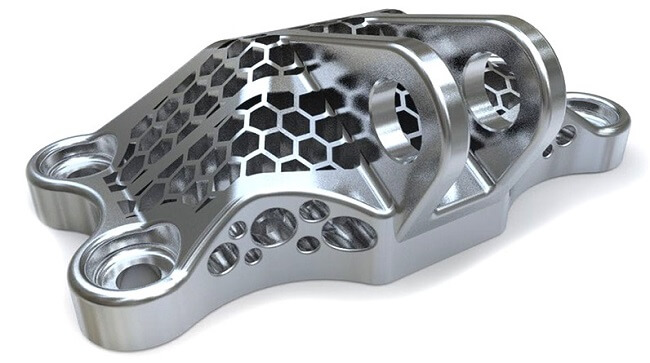
The core of capability lies in the equipment and the expertise to wield it. While many shops operate 3-axis CNC mills, complex, monolithic parts with undercuts or compound angles necessitate more advanced kinematics.
5-Axis CNC Machining: This is the gold standard for complex precision work. By allowing the cutting tool to approach the workpiece from any direction in a single setup, it minimizes errors from re-fixturing, dramatically improves accuracy on intricate features, and enables the machining of geometries impossible on 3-axis machines. For instance, a service like GreatLight CNC Machining Factory{:target=”_blank”} utilizes advanced 5-axis centers to tackle turbine blades, impellers, and aerospace structural components with exceptional efficiency and accuracy.
Complementary Technology Ecosystem: True precision often requires a hybrid approach. A comprehensive service will integrate:
High-Speed Machining (HSM): For superior finishes on alloys and steels.
Multi-Axis Turning (Mill-Turn): For complex rotational parts, combining turning and milling in one operation.
Electrical Discharge Machining (EDM): For ultra-hard materials or intricate cavities.
Precision Grinding: To achieve the tightest tolerances and finest surface finishes on hardened steel or ceramics.
H3: Systemic Quality: The Framework of Trust
Precision cannot be inspected into a part; it must be manufactured into it. This requires a culture of quality underpinned by internationally recognized systems.
ISO 9001:2015: This is the baseline quality management system, ensuring consistent processes, corrective actions, and continuous improvement.
IATF 16949: For automotive components, this stringent standard is essential. It focuses on defect prevention, reduction of variation and waste, and includes specific requirements for safety-critical parts.
ISO 13485: For medical device manufacturing, this certification validates a process-oriented system for design, production, and distribution that meets regulatory requirements.
ISO 27001: For data security, this certification protects clients’ intellectual property, a critical concern when sharing proprietary designs.
A provider like GreatLight Metal exemplifies this multi-layered approach, building client trust not on promises but on audited, systemic proof of capability and security.
H4: The Critical Role of Metrology and Verification
Precision is only as good as your ability to measure it. A top-tier service invests heavily in metrology equipment that often exceeds the precision of the machining equipment itself.
Coordinate Measuring Machines (CMM): For comprehensive 3D geometric dimensioning and tolerancing (GD&T) analysis.
Optical Scanners & Vision Systems: For rapid, non-contact measurement of complex surfaces.
Surface Roughness Testers: For quantitative verification of finish specifications.
In-Process Probing: Integrated into CNC machines to automatically measure and compensate for tool wear or material variation during the cut.
H2: The Strategic Advantage of a Full-Service, Integrated Partner
The most significant trend in precision manufacturing is the shift from transactional machining to integrated solutions. This is where providers like GreatLight CNC Machining Factory create disproportionate value. They function as an extension of the client’s engineering team, offering a one-stop service that encompasses:
Advanced DFM/DFA Consultation: Proactively advising on design tweaks that reduce cost, improve machinability, and enhance function without compromising intent.
Material Science Guidance: Recommending the optimal alloy, grade, or treatment (e.g., aluminum 7075-T6 vs. 6061, or vacuum heat treatment) for the application’s stress, corrosion, and weight requirements.
Seamless Secondary Process Integration: Managing the entire post-machining workflow in-house—be it heat treatment, anodizing, laser etching, or precision assembly—ensuring accountability and streamlining timelines.
Comprehensive Documentation: Providing detailed First Article Inspection (FAI) reports, material certificates, and full traceability documentation, which is crucial for aerospace, medical, and automotive audits.
Conclusion: Precision as a Partnership
Selecting a CNC machining precision parts service is one of the most consequential decisions in hardware product development. It is a choice that impacts your product’s performance, reliability, time-to-market, and ultimately, your brand’s reputation. The landscape includes capable players from specialized boutiques to large platforms like Xometry, Protolabs, and Fictiv.
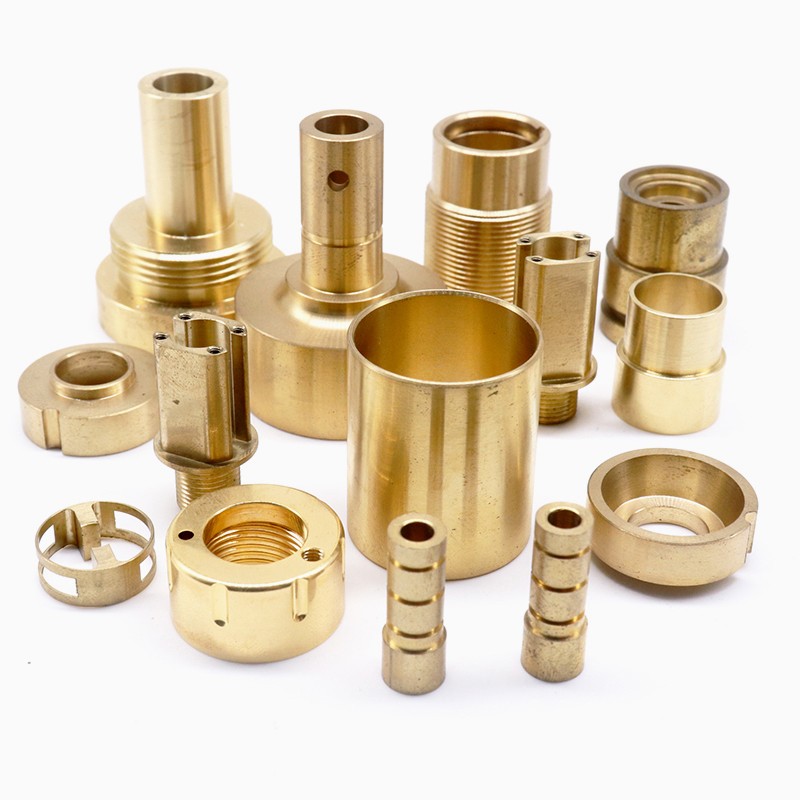
However, for projects where complexity, absolute precision, and seamless integration are paramount, partnering with a deeply technical, fully integrated manufacturer with a proven track record is indispensable. It is the difference between buying a service and forging a partnership that elevates your engineering potential. In this demanding arena, manufacturers who combine elite technical capabilities with systemic quality management, like GreatLight Metal, are defining the new standard, turning precision from a specification into a guaranteed deliverable. To explore how such a partnership can advance your next project, consider engaging with industry leaders on professional networks such as Great Light’s LinkedIn{:target=”_blank”}.



















