
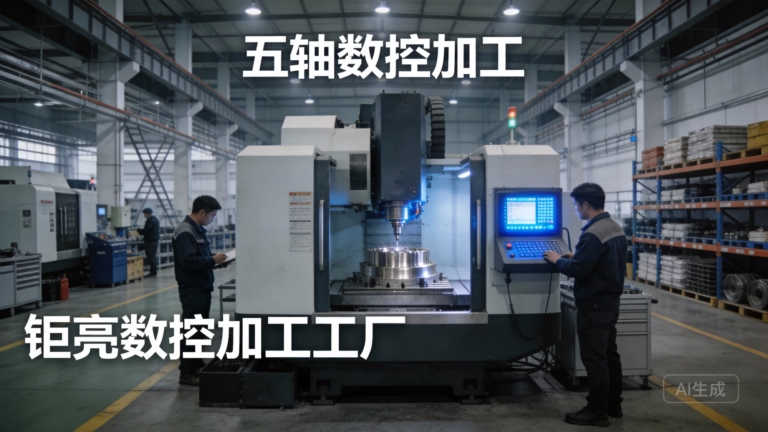
When discussing the production of high-performance, durable metal components, the conversation inevitably turns to the critical stage that occurs after the machining is complete. For clients in precision parts machining and customization, selecting a partner who truly masters CNC machining heat treatment service is often the decisive factor between a part that merely meets drawing specifications and one that excels in its real-world application. This post-processing step is not an afterthought; it is a fundamental engineering discipline that unlocks the inherent potential of the metal, directly impacting fatigue life, wear resistance, dimensional stability, and overall functional reliability.
Why Heat Treatment is Non-Negotiable in Precision Manufacturing
At its core, heat treatment is a controlled process of heating and cooling metals to alter their physical and mechanical properties without changing the part’s shape. For a precision machined part fresh off a five-axis CNC machine, its geometry is perfect, but its internal metallurgical state is often not optimized for its final duty. It might be too soft, prone to deformation, or lacking the necessary toughness. This is where CNC machining heat treatment service transforms a “good” part into a “great” one.
Consider a surgical implant machined from titanium alloy. Post-machining, it requires specific heat treatment to achieve the optimal balance of strength and biocompatibility, ensuring it can withstand lifelong cyclic loading within the human body. Similarly, a core injection mold insert for producing automotive lenses needs exceptional surface hardness to resist abrasive plastics, while retaining a tough core to avoid catastrophic cracking under high clamping pressures. Only a tailored heat treatment protocol can deliver this combination of properties.
Decoding the Heat Treatment Toolkit for CNC Machined Parts
A proficient manufacturing partner doesn’t just offer “heat treatment”; they provide a suite of targeted processes. Understanding these options is key to specifying the right service for your component.
H2: Core Heat Treatment Processes in the Precision Machining Workflow
H3: Annealing & Stress Relieving
This is often the first line of defense against internal stresses. During heavy machining, especially on complex, thin-walled structures, residual stresses are locked into the material. If not relieved, these stresses cause gradual distortion over time or sudden warping during subsequent processing. Stress relieving involves heating the part to a moderate temperature and holding it, allowing the atomic structure to relax. This is crucial for ensuring the long-term dimensional stability of precision fixtures, aerospace brackets, and optical mounts.
H3: Hardening & Tempering (Quench and Temper)
This is the classic combination for achieving high strength and good toughness. The part is heated to a temperature where its microstructure transforms, then rapidly cooled (quenched) to “freeze” a very hard, but brittle, state. It is then reheated to a lower temperature (tempered) to reduce brittleness and relieve quenching stresses, resulting in a tailored balance of hardness and ductility. This process is indispensable for:
Shafts, gears, and tooling components requiring high surface contact strength.
Wear plates and slides in automation equipment.
H3: Case Hardening (Carburizing, Nitriding, Carbonitriding)
For applications demanding a “hard shell, tough core,” case hardening is the answer. Processes like gas nitriding diffuse nitrogen into the surface of the steel, creating an extremely hard, wear-resistant layer with minimal part distortion—a critical advantage for precision-ground components. This is ideal for:
Precision gears and bearing races where surface wear resistance is paramount.
Hydraulic valve bodies and piston rods that must resist scuffing and corrosion.
H3: Solution Treatment & Aging (for Aluminum and Titanium Alloys)
For non-ferrous metals like 7075 aluminum or Ti-6Al-4V titanium, strength is developed through precipitation hardening. Solution treatment involves heating the alloy to dissolve alloying elements into a solid solution, followed by rapid cooling. Aging then precipitates fine particles within the microstructure, significantly strengthening the metal. This sequence is vital for aerospace structural components and high-performance racing parts, where the strength-to-weight ratio is critical.
Navigating the Practical Challenges: A Client-Centric Perspective
From a client’s viewpoint, outsourcing CNC machining heat treatment service comes with specific concerns that a credible supplier must address head-on.
H3: The Dimensional Integrity Paradox
The foremost fear is part distortion. Heating and cooling cycles induce thermal stresses. A skilled provider mitigates this through:
Pre-Treatment Analysis: Using simulation software to predict distortion tendencies based on part geometry and material.
Fixturing Expertise: Designing custom fixtures or racks to support parts during treatment to minimize sagging or warping.
Process Parameter Optimization: Precisely controlling heating rates, soak times, and quench media (oil, polymer, air) to manage stress.
H3: Material-Specific Protocol Expertise
Treating 4140 steel is not the same as treating M2 tool steel or Inconel 718. Each alloy has a precise thermal “recipe.” A partner like GreatLight Metal leverages deep material science knowledge and documented process sheets for a wide range of alloys, ensuring each part receives the correct transformation cycle to achieve the specified hardness, tensile strength, or corrosion resistance.
H3: Traceability and Quality Assurance
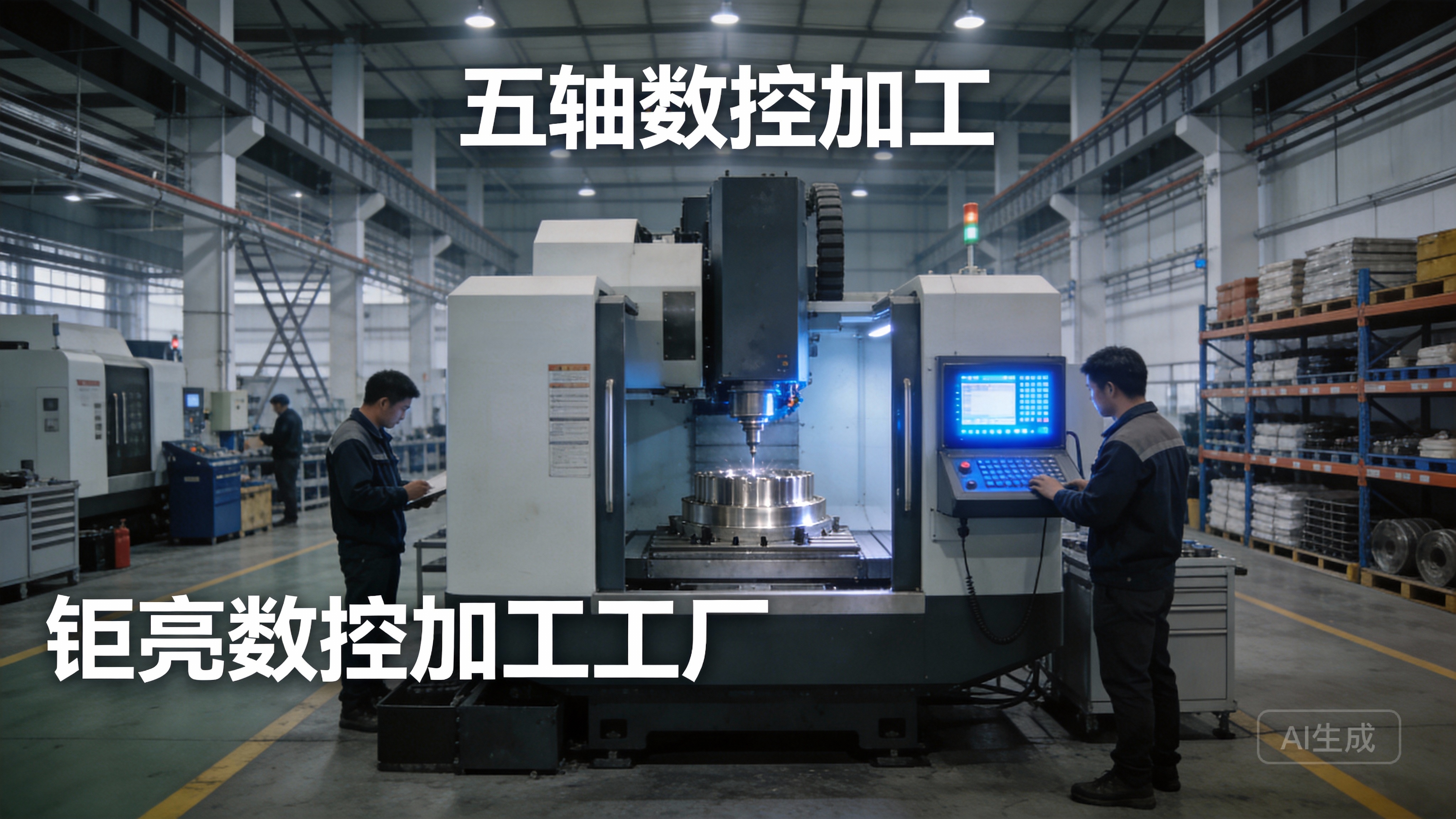
In regulated industries (automotive, medical, aerospace), heat treatment is a “special process” where results cannot be fully verified by later inspection. Therefore, process validation and traceability are everything. This is where certifications become the bedrock of trust. A manufacturer adhering to IATF 16949 for automotive or ISO 13485 for medical devices doesn’t just run parts through a furnace. They maintain detailed records for every batch: temperature charts, furnace atmosphere logs, quench rates, and results from subsequent hardness testing (Rockwell, Vickers) and metallographic analysis. This provides an irrefutable pedigree for your critical component.
The Integrated Advantage: When Machining and Heat Treatment are in Sync
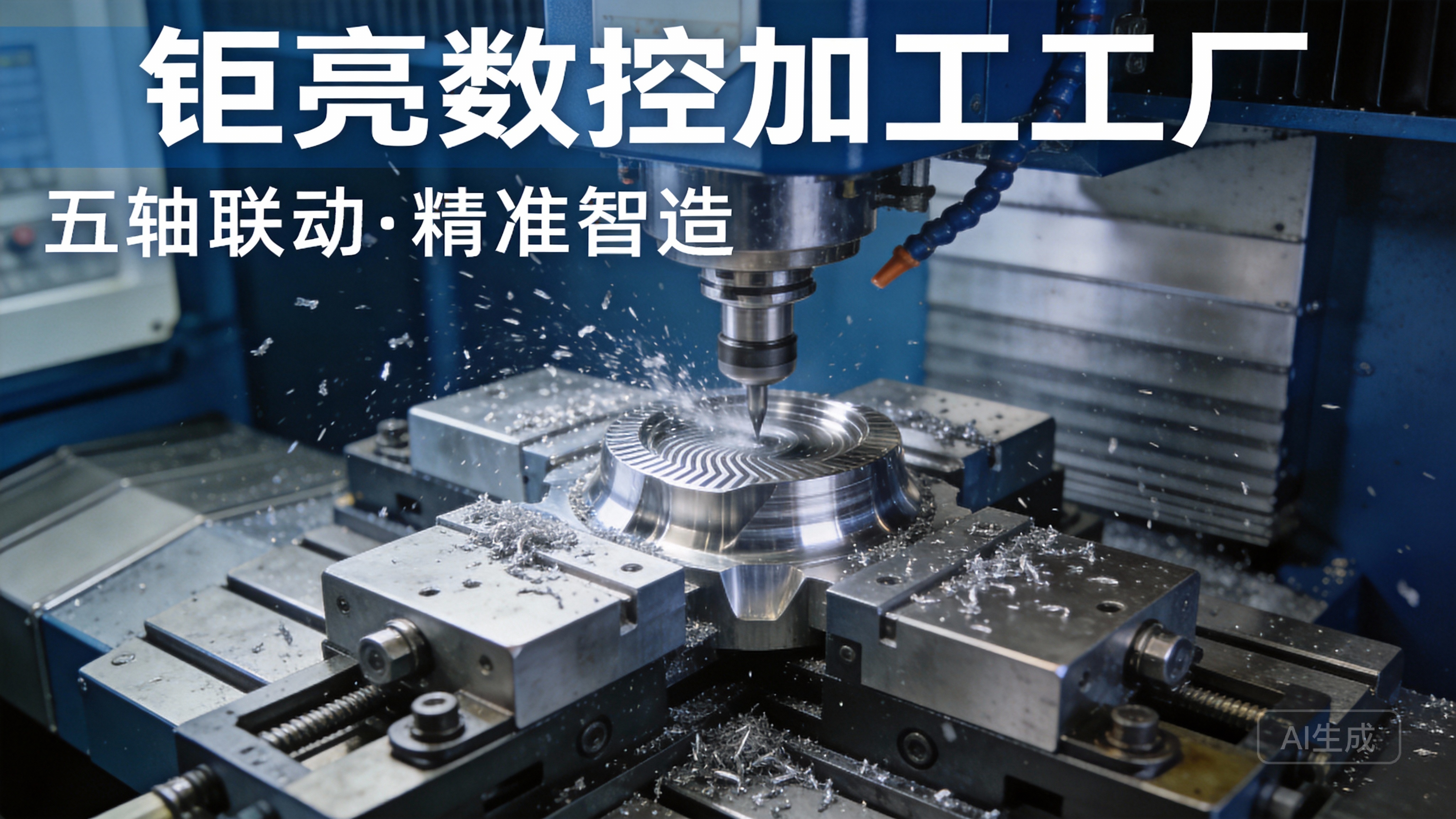
The most significant value is realized when heat treatment is not a standalone, outsourced activity but is integrated into the manufacturing philosophy from the design stage. This is the edge offered by full-service manufacturers.
H3: Design for Manufacturability (DFM) with Heat Treatment in Mind
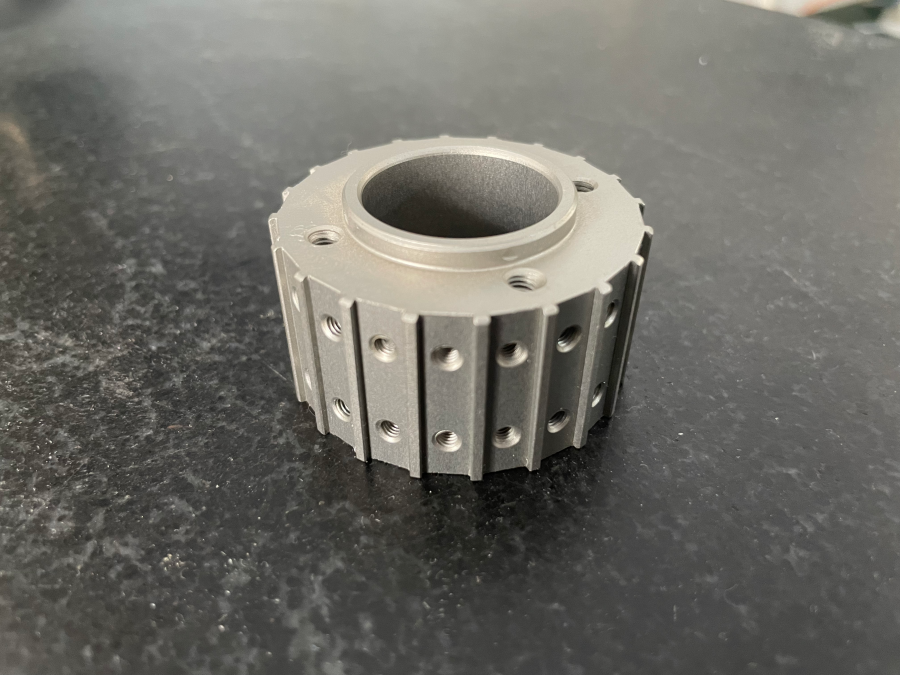
An experienced engineer will advise on design modifications before machining begins—adding radii to sharp corners to reduce stress concentrations during quenching, suggesting symmetrical designs to minimize distortion, or recommending the most suitable base material for the intended final properties.
H3: Sequencing and Process Control
Knowing that a part will be nitrided, the machinist can leave a few microns of stock on critical dimensions, as the nitride layer will add thickness. Understanding the dimensional changes from tempering allows for pre-compensation in the CNC program. This level of process synergy minimizes post-heat-treatment secondary operations, saving time and cost.
Case in Point: Turning Challenges into Reliable Performance
Consider a real-world scenario: A client developing a high-speed robotic actuator needed a bespoke planet gear carrier from 8620 alloy steel. The requirements were severe: complex internal splines, thin webs for weight reduction, and a need for high core toughness with a wear-resistant gear-tooth surface.
The Challenge: Machining the complex geometry was achievable on a 5-axis mill, but carburizing the thin-webbed part risked severe distortion and cracking.
The Integrated Solution: The team at GreatLight Metal first performed a prototype run. They machined the parts, then conducted a controlled carburizing process in a low-distortion furnace with precise atmosphere control, followed by a high-pressure gas quench and tempering. The parts were then inspected for distortion and microstructure.
The Outcome: Based on the distortion data from the prototype, the CNC program for the production batch was intelligently adjusted to “pre-distort” the part in the opposite direction. The production heat treatment was executed using the validated recipe. The result was a batch of gear carriers that met all dimensional tolerances after treatment and excelled in durability testing, with perfect case depth and core properties. This exemplifies how a sophisticated CNC machining heat treatment service, backed by engineering acumen and empirical process control, de-risks production and ensures performance.
Conclusion: Selecting Your Thermal Processing Partner
Choosing a provider for your CNC machining heat treatment service is a strategic decision. Look beyond the furnace and the price quote. Evaluate their technical dialogue during the quoting phase, their willingness to discuss material science, their approach to distortion control, and, most importantly, the robustness of their quality management system.
The goal is to find a partner who views heat treatment not as a commodity service but as an integral phase of value creation—one that ensures the precision you’ve invested in during machining is preserved and enhanced, resulting in a component that is truly fit for purpose and built to last. In this demanding field, the fusion of advanced machining capability with metallurgical mastery, as demonstrated by industry leaders committed to standards like IATF 16949 and ISO 13485, defines the new benchmark for reliability and performance. For those seeking this level of integrated expertise, exploring the capabilities of dedicated precision manufacturers can be the next logical step in your supply chain strategy on professional networks.



















