
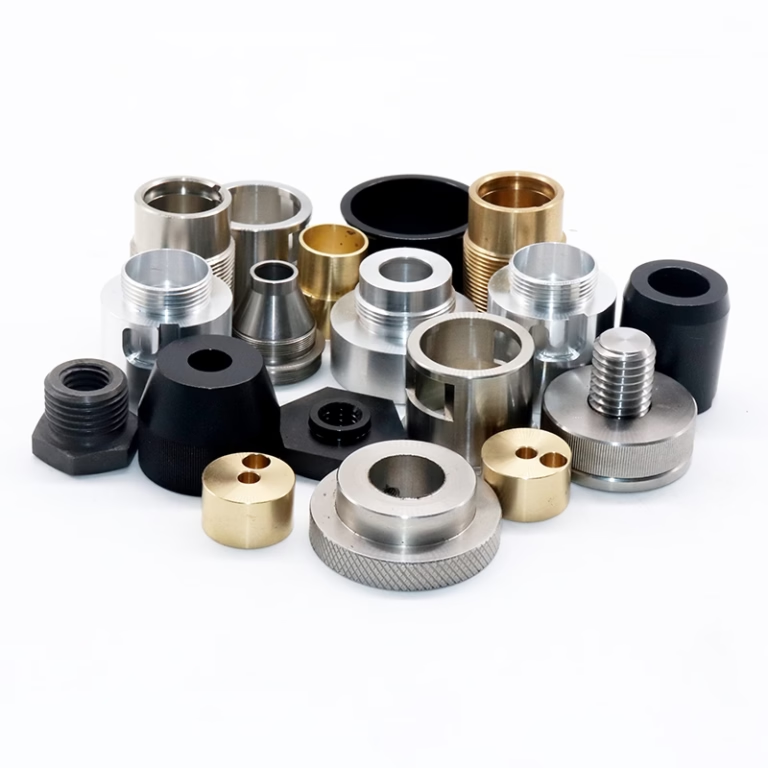
CNC Machines, or Computer Numerical Control Machines, are automated manufacturing tools that use pre-programmed computer software and code (typically G-code) to control the movement of factory tools and machinery. They are the cornerstone of modern precision manufacturing, enabling the production of complex, high-accuracy parts from digital designs with minimal human intervention.
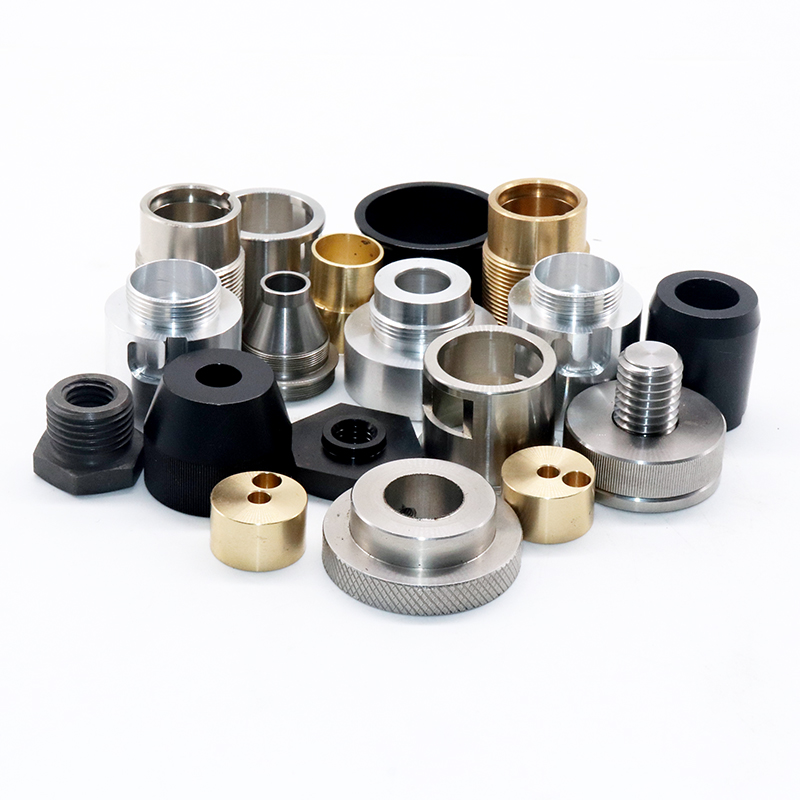
At its core, a CNC machine transforms a digital 3D model (CAD file) into physical reality through a series of automated, precise movements. The operator’s role shifts from manual control to programming, setup, and supervision.
How CNC Machines Work: The Digital-to-Physical Pipeline
The operation follows a defined sequence:
CAD Design: An engineer creates a 3D model of the part using Computer-Aided Design (CAD) software.
CAM Programming: The CAD file is imported into Computer-Aided Manufacturing (CAM) software. Here, the programmer defines the toolpaths, selects cutting tools, sets speeds/feeds, and generates the machine-readable G-code.
Machine Setup: The operator loads the material (metal, plastic, composite) onto the machine bed, installs the necessary cutting tools, and inputs the G-code program.
Automated Execution: The CNC controller interprets the G-code, precisely commanding servo motors to move the cutting tool or workpiece along multiple axes (X, Y, Z, and often more) to remove material.
Result: A finished part that is a near-exact match to the digital model, often requiring little to no secondary finishing.
Common Types of CNC Machines
The term “CNC” encompasses a family of machines, each specialized for different tasks:
CNC Milling Machines (Mills): Use rotating cutting tools to remove material from a stationary workpiece. They are incredibly versatile for creating slots, holes, pockets, and complex 3D contours.
3-Axis CNC: The most common type, moving in X, Y, and Z linear axes. Ideal for parts that don’t require undercuts or complex angles.
5-Axis CNC: The pinnacle of machining capability. The tool or workpiece can rotate on two additional axes (A and B), allowing it to approach the part from virtually any direction in a single setup. This is essential for aerospace components, complex impellers, and medical implants. For clients seeking the highest level of geometric freedom and precision, partnering with a specialist in precision 5-axis CNC machining services is crucial.
CNC Turning Machines (Lathes): The workpiece rotates at high speed while a stationary cutting tool is moved against it to create cylindrical parts, such as shafts, bolts, and fittings.
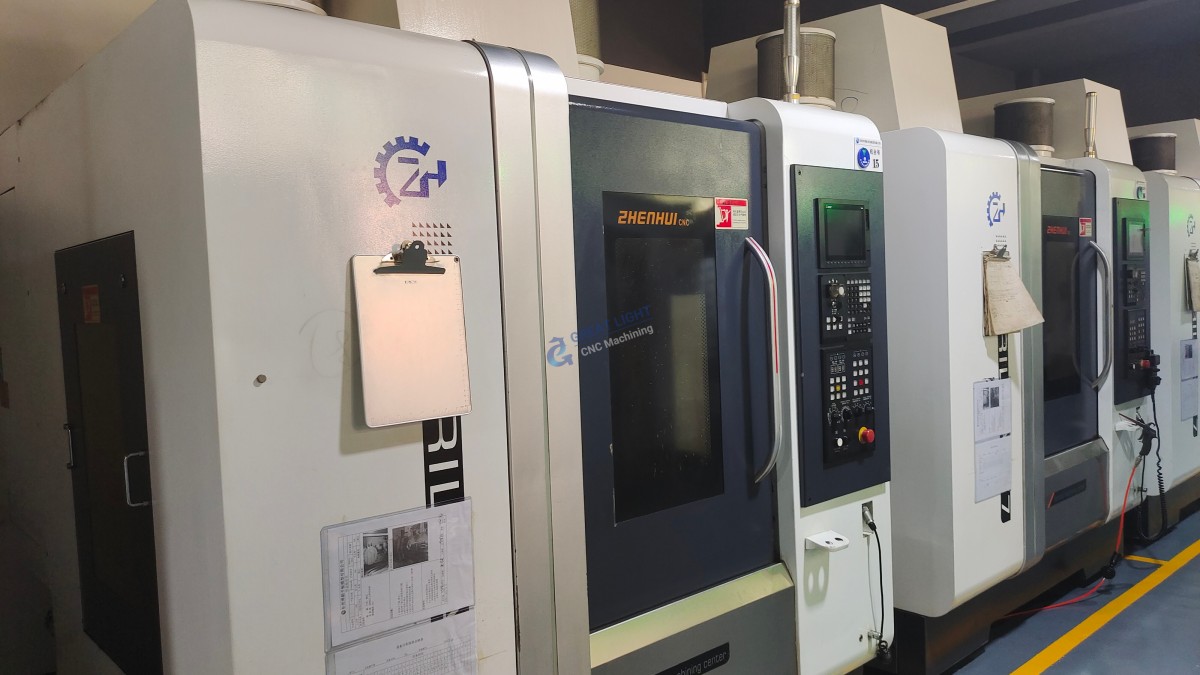
CNM Machining Centers: Often refer to advanced, automated milling machines that may include automatic tool changers (ATCs), pallet changers, and coolant systems for uninterrupted production.
Other CNC Variants: This includes CNC routers (for wood, plastics), CNC plasma cutters, CNC laser cutters, and CNC Electrical Discharge Machining (EDM) for ultra-hard materials.
Key Advantages of Using CNC Machines
Unmatched Precision and Repeatability: Once programmed, a CNC machine will produce the same part to exacting tolerances (as tight as ±0.001mm / 0.001 inches) over and over, eliminating human error.
Complex Geometry Capability: They can manufacture shapes that are impossible or prohibitively expensive to make manually, including complex 3D surfaces and internal features.
Enhanced Efficiency & Productivity: CNC machines can run unattended for hours or even days, including overnight, significantly boosting output. Quick changeovers between jobs further reduce downtime.
Flexibility: Changing a part design simply requires updating the CAD/CAM program and tooling, not retooling an entire production line. This is ideal for prototyping and low-to-medium volume production runs.
Improved Safety: The operator is separated from the cutting process, managing the machine from a computer console, which greatly reduces workplace hazards.
Conclusion
In essence, CNC machines are the automated, intelligent workhorses of contemporary manufacturing. They bridge the gap between digital innovation and physical part realization, providing the speed, consistency, and geometric freedom demanded by industries from aerospace and medical devices to automotive and consumer electronics. Understanding their function and capabilities is the first step in leveraging their power for any precision parts project. For projects demanding the ultimate in complexity and accuracy, the capabilities of a true 5-axis CNC machining partner become not just an advantage, but a necessity.
Frequently Asked Questions (FAQ)
Q1: What’s the difference between a 3-axis, 4-axis, and 5-axis CNC machine?
3-Axis: Moves linearly in X (left-right), Y (front-back), and Z (up-down). It can machine most features but may require multiple setups for complex parts.
4-Axis: Adds a rotational axis (usually called the A-axis), allowing the workpiece to rotate. This is excellent for machining features around a cylinder or for continuous curved profiles.
5-Axis: Adds a second rotational axis (B or C axis), allowing the cutting tool to approach the workpiece from any angle. This enables the machining of incredibly complex parts in a single setup, saving time and improving accuracy on features like undercuts, deep cavities, and compound angles.
Q2: What materials can CNC machines work with?
Virtually any solid material can be CNC machined. The most common include:
Metals: Aluminum, Stainless Steel, Titanium, Brass, Copper, Alloy Steel, Tool Steel.
Plastics: ABS, Polycarbonate, Nylon (PA), PEEK, Acrylic (PMMA), PTFE.
Composites: Carbon Fiber Reinforced Polymers (CFRP), G10.
Wood & Foams.
Q3: Is CNC machining only for large production runs?
Not at all. While efficient for production, CNC machining is arguably the most dominant method for prototyping and low-volume manufacturing. Its digital nature means no expensive custom molds are needed (unlike injection molding), making it cost-effective for producing 1 to 10,000 parts.
Q4: What are the limitations of CNC machining?
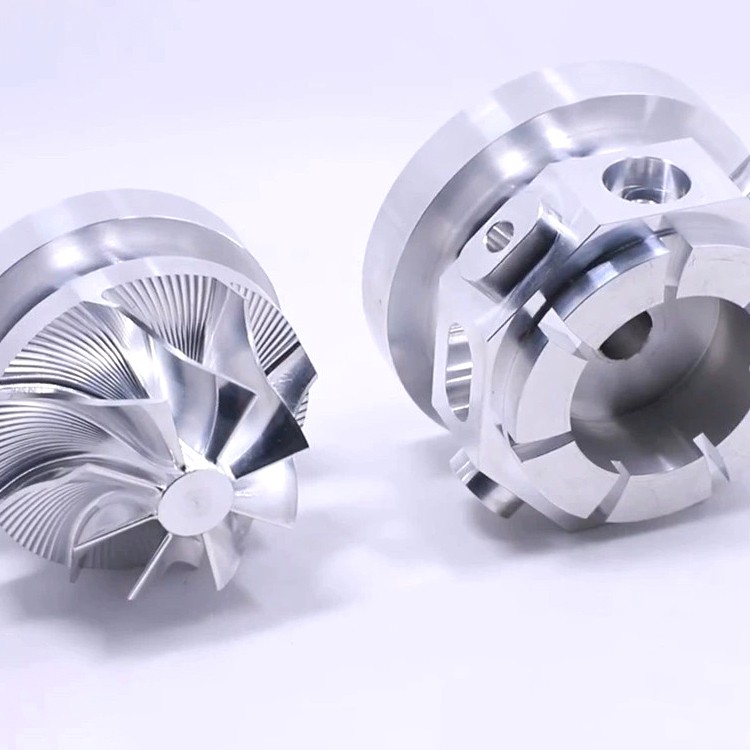
Geometric Limitations: While vast, there are some constraints. For instance, internal vertical corners will always have a radius equal to the cutting tool used. True “sharp” internal corners are impossible.
Material Waste (Subtractive Process): Material is removed from a solid block, which can lead to significant waste (chips) compared to additive processes like 3D printing.
Startup Cost & Expertise: High initial investment in machinery and requires skilled programmers and operators, though this cost is borne by the service provider, not the client.
Q5: How do I choose between CNC machining and 3D printing for my part?
It depends on the part’s requirements:
Choose CNC Machining for: Highest strength and material properties, exceptional surface finish, very tight tolerances, and broad material selection, especially for metals.
Choose 3D Printing (Metal/Plastic) for: Extremely complex internal geometries (e.g., lattices, conformal cooling channels), parts with integrated assemblies, and when minimizing material waste is a priority for very complex shapes. The most advanced manufacturers, like GreatLight Metal, offer both technologies, providing unbiased advice on the best process for your specific application.
For deeper insights into industry trends and professional manufacturing networks, you can explore discussions on platforms like LinkedIn.



















