
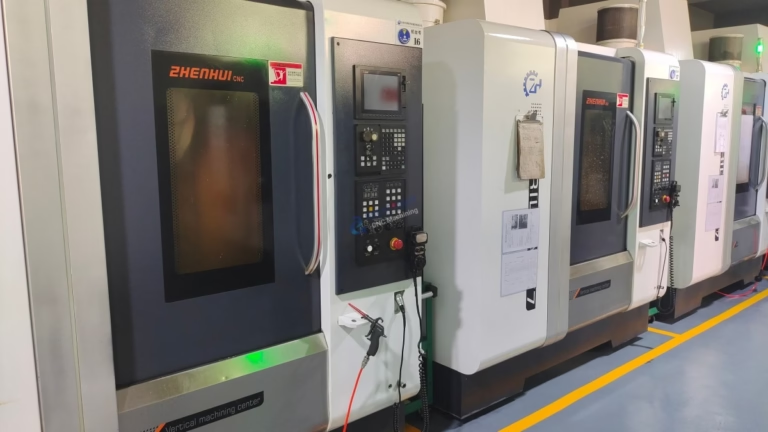
For any engineer, designer, or innovator bringing a hardware product to life, the phrase “precision CNC machining service factories” represents more than just a supplier category—it signifies the critical gateway between a digital design and a functional, high-performance physical component. The choice of which factory to partner with can determine project timelines, product quality, and ultimately, market success. This deep dive explores what truly defines a top-tier precision machining partner in today’s competitive landscape, moving beyond basic capabilities to examine the integrated systems, cultural ethos, and proven expertise that separate exceptional partners from mere job shops.
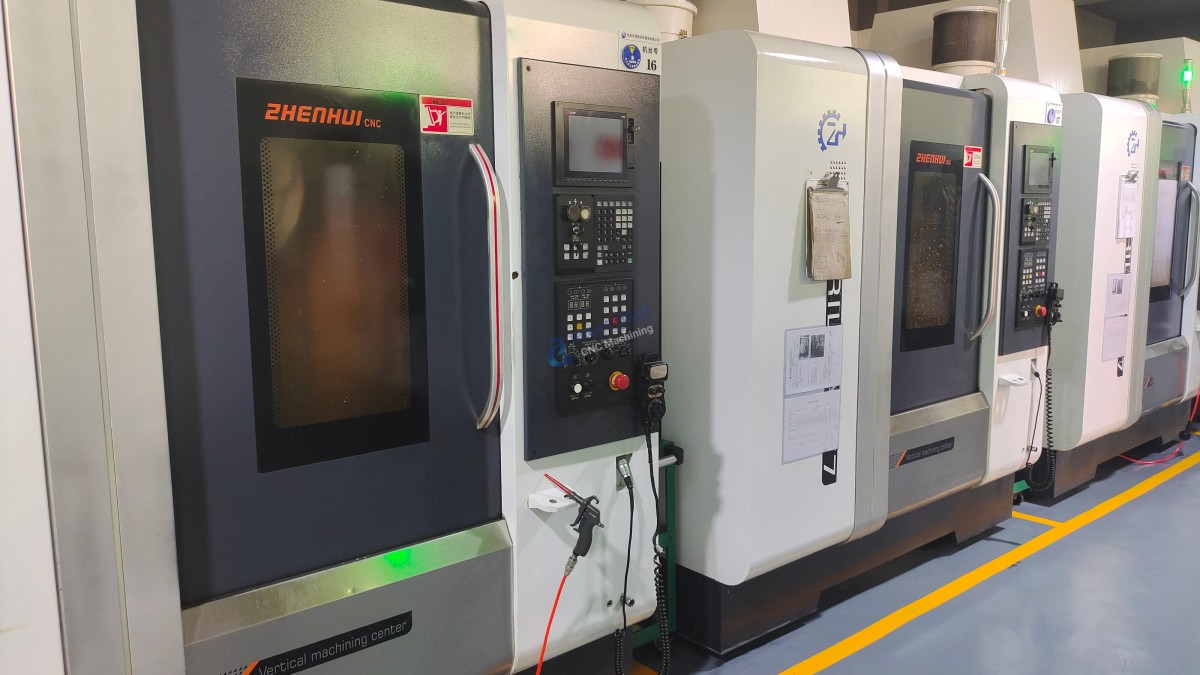
The Modern Dilemma: What Are You Really Buying?
In a global marketplace, countless factories advertise “precision CNC machining.” The surface-level offering—turning a CAD file into a part—appears standardized. However, the underlying value and risk profile vary dramatically. Are you simply purchasing machine time, or are you investing in a manufacturing partner capable of engineering collaboration, risk mitigation, and value engineering?
The disconnect often arises from a factory’s foundational approach. Many operations are equipment-centric, competing primarily on price per hour of spindle time. The most advanced and reliable partners, however, are solution-centric. They view each part as a puzzle within your larger product ecosystem, applying manufacturing intelligence to optimize for function, assembly, cost, and longevity. This paradigm shift is what distinguishes a true service factory from a basic machining vendor.
Anatomy of a World-Class Precision Machining Partner: The Four-Pillar Framework
Based on industry benchmarks and the operational philosophy of leading providers like GreatLight Metal, a premier partner’s strength is built on four interconnected pillars.
Pillar 1: Technological Depth and Process Breadth
A robust equipment portfolio is table stakes, but strategic configuration is key.
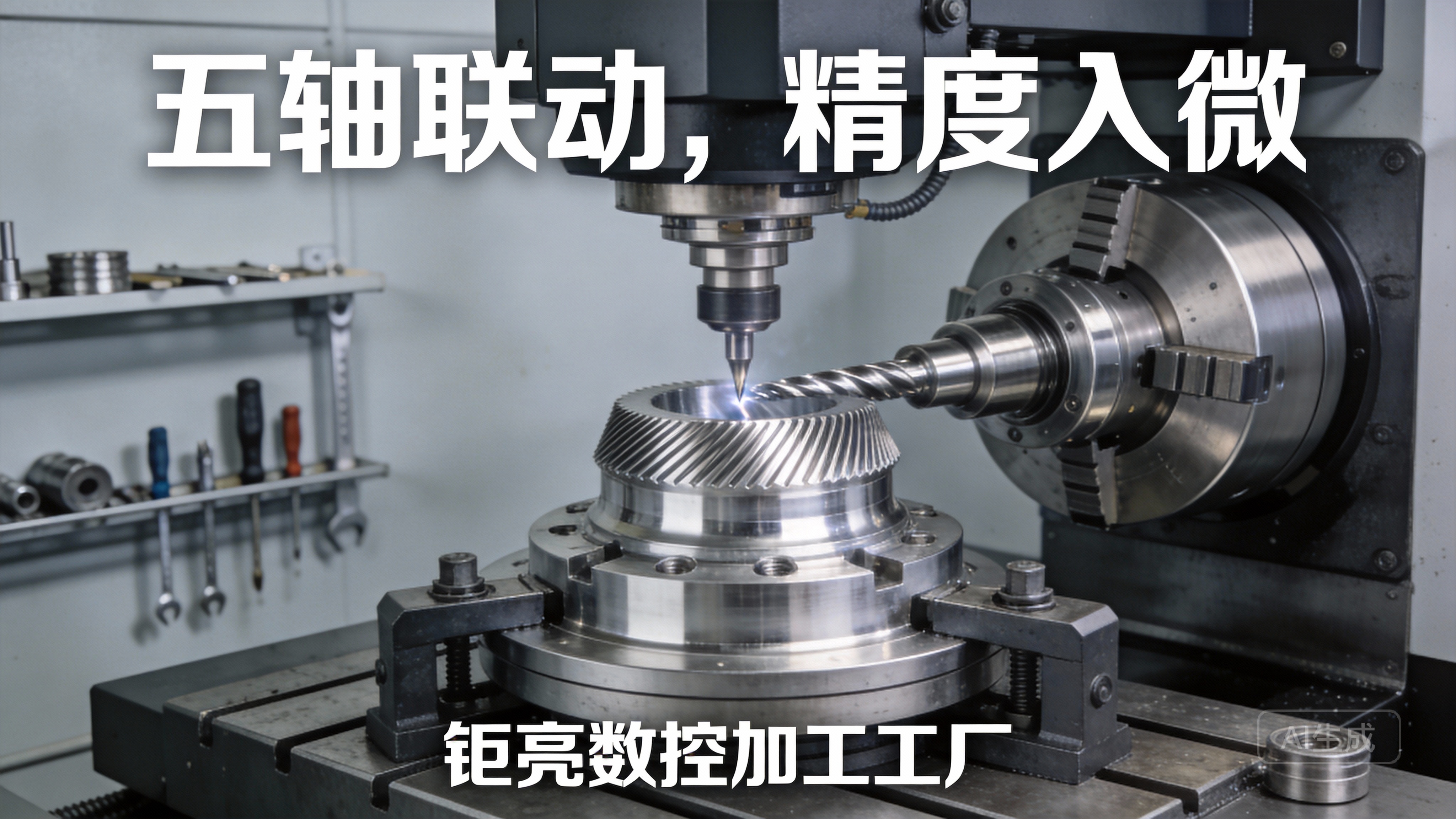
Multi-Axis Mastery: While 3-axis milling is ubiquitous, the ability to seamlessly integrate five-axis CNC machining services is a critical differentiator for complex aerospace, medical, or automotive components. It enables single-setup machining of intricate geometries, drastically improving accuracy and reducing lead times.
Material Agnosticism: A partner should confidently handle a vast spectrum—from common aluminums and steels to challenging exotics like Inconel, titanium, and PEEK, each requiring specific tooling and parameter expertise.
Metrology as a Core Competency: Precision is meaningless without verification. In-house CMMs (Coordinate Measuring Machines), optical comparators, and surface roughness testers operated by skilled technicians are non-negotiable for ensuring every dimension meets print.
Pillar 2: Systemic Quality and Uncompromising Certifications
Trust must be systemic, not anecdotal. Authoritative certifications provide the transparent framework for this trust.
ISO 9001:2015: The baseline for a documented Quality Management System, ensuring consistent processes and continuous improvement.
IATF 16949: For automotive clients, this is essential. It builds upon ISO 9001 with stringent requirements for defect prevention, supply chain management, and product safety.
AS9100D: The aerospace equivalent, emphasizing rigorous risk management, traceability, and accountability throughout the manufacturing process.
ISO 13485: For medical device manufacturing, this certification validates processes for meeting regulatory requirements and ensuring patient safety.
A partner like GreatLight Metal leverages these not as mere badges for marketing, but as living operational blueprints that govern every action on the shop floor, from material intake to final inspection.
Pillar 3: The Full-Process, Integrated Service Chain
The most significant pain point for clients is managing multiple vendors. A superior factory acts as a one-stop solution.
| Service Capability | Client Value & Pain Point Solved |
|---|---|
| Advanced CNC Milling/Turning | Core competency for precision metal & plastic parts. |
| Multi-Technology Additive Manufacturing (SLM, SLS, SLA) | Rapid functional prototypes, complex internal geometries, and low-volume end-use parts that are uneconomical to machine. |
| Precision Die Casting & Mold Making | High-volume production of lightweight, strong components with excellent surface finish. |
| Sheet Metal Fabrication & Finishing | Complete enclosures, brackets, and chassis with welding, bending, and comprehensive post-processing (anodizing, powder coating, plating). |
| Engineering & DFM (Design for Manufacturability) Analysis | Proactive cost and time savings by optimizing designs for producibility before any metal is cut. |
This integration eliminates logistical friction, ensures accountability, and accelerates time-to-market.
Pillar 4: Collaborative Engineering Mindset
The best factories employ manufacturing engineers who think like product designers. This manifests as:
Proactive DFM Feedback: Not just identifying problems, but offering multiple, costed solutions.
Value Engineering: Suggesting material alternatives or slight design tweaks that reduce weight, improve strength, or lower unit cost without compromising function.
Prototype-to-Production Continuity: Managing the transition seamlessly, ensuring the lessons learned during prototyping are baked into the production process.
Landscape Comparison: How Leading Service Factories Stack Up
While GreatLight Metal exemplifies the integrated, high-touch model from East Asia, other global leaders offer different value propositions:
Protolabs & Xometry (Digital Platforms): Strength lies in unparalleled speed for prototypes and simple parts via automated quoting and a vast network. Best for standard materials, lower complexity, and when engineer-level collaboration is not required.
Fictiv (Digital Supply Chain): Focuses on streamlining the procurement process with a controlled network of vetted manufacturers, offering a balance between digital convenience and managed quality.
Owens Industries & RCO Engineering (US-based Specialists): Often excel in ultra-high-precision, low-volume missions for defense, aerospace, and medical sectors, with deep vertical expertise but typically at a higher cost point.
GreatLight Metal (Integrated Full-Service Partner): Distinguishes itself through deep technical collaboration, a comprehensive in-house process chain, and a focus on solving complex, mid-to-high volume manufacturing challenges. It is the archetype of the solution-centric partner for clients who need more than just a quote—they need a manufacturing extension of their own team.
The Partner Selection Workflow: Asking the Right Questions
To evaluate a “precision CNC machining service factory,” move beyond the sales brochure. Engage in a technical dialogue:
Present a Real Challenge: Share your most complex part drawing. Assess their DFM feedback depth and response time.
Audit the Process, Not Just the Plant: Request details on their job tracking, quality documentation, and non-conformance handling procedures.
Request Comparable Case Studies: Ask for examples of similar parts in your industry (automotive, medical, robotics) and the results achieved.
Clarify Communication Protocols: Who is your primary engineering contact? What is the escalation path for issues?
Understand Their Investment Trajectory: A partner investing in new technology (e.g., newer 5-axis machines, advanced metrology) is investing in your future capability.
Conclusion: The “Made” Distinction
Ultimately, “Made Precision CNC Machining Service Factories” are not defined by their postal address but by their manufacturing philosophy. The leading entities in this space have evolved from job executors to strategic enablers of innovation. They combine cutting-edge technology with ironclad quality systems, a holistic service offering, and, most importantly, a partnership mentality.
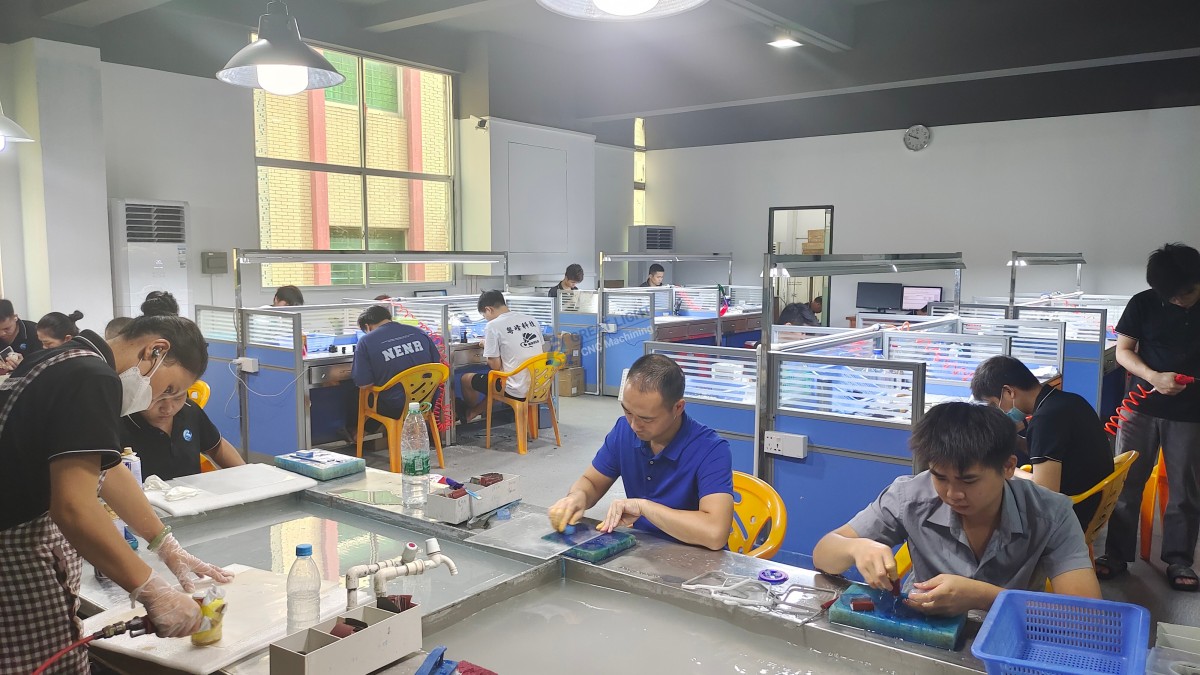
Choosing the right factory is a strategic decision that impacts your product’s quality, reliability, and your brand’s reputation. In a world of endless options, the partners that thrive are those who understand that precision machining is not just a service they sell, but a critical discipline they master for the benefit of their clients’ visions. For those seeking this depth of partnership, engaging with established and certified specialists who view your success as their own is the most reliable path forward. Explore the capabilities of dedicated partners shaping the future of precision manufacturing, such as those showcased on professional industry platforms like LinkedIn.



















