
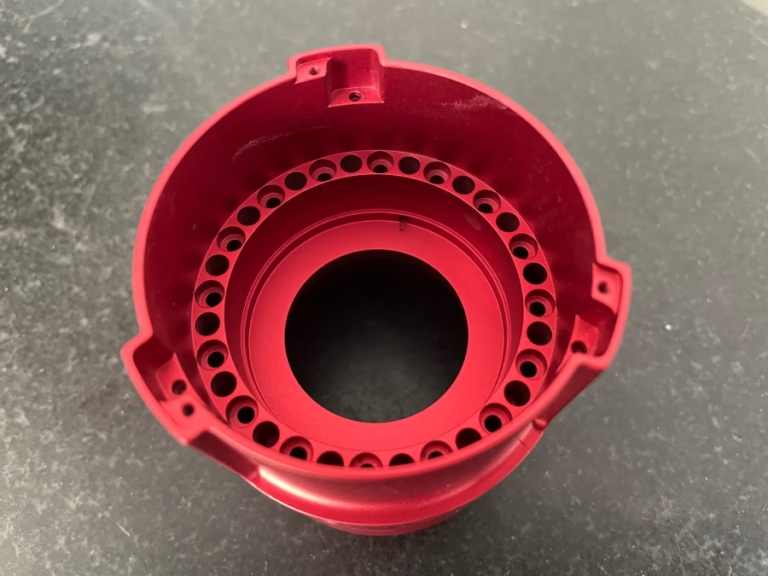
The Economic Logic of Modern Prototyping
In the precision manufacturing landscape, the traditional dichotomy between rapid prototyping and bulk production has become increasingly blurred. Engineers and procurement professionals have long grappled with a fundamental dilemma: how to validate a design cost-effectively through prototyping while ensuring a seamless, economically viable transition to mass production. This is where the concept of cost-effective ODM (Original Design Manufacturing) rapid prototyping bulk strategies becomes critically important.
The paradigm shift in modern manufacturing demands that prototype iterations no longer be viewed as isolated, expensive experiments. Instead, they should be integrated steps within a continuous production workflow that anticipates scale from the very first cut. GreatLight CNC Machining has positioned itself at the forefront of this integrated approach, demonstrating that the most effective cost savings originate not from cutting corners, but from intelligent process design that bridges the gap between a single prototype and thousands of production units.
Understanding how to navigate this transition requires a deep examination of material selection, process optimization, and supplier capability—three pillars that determine whether a project achieves its cost objectives without compromising on quality or lead time.
The True Cost of Prototyping Missteps
Before exploring solutions, it is essential to understand the common pitfalls that inflate costs during the prototype-to-production journey. Many companies fall into the trap of treating prototyping as an isolated activity, often selecting suppliers based solely on the lowest quote for a few pieces. This approach overlooks the hidden costs that emerge later:
Tooling Redundancy: When prototype processes differ significantly from production processes, the tooling, fixtures, and programs developed for the prototype become obsolete. This forces a complete re-engineering cycle, doubling or tripling the initial investment.
Material Inconsistency: Using materials for prototypes that are not representative of final production materials can lead to performance discrepancies. Discovering material-related issues during the production validation phase is exponentially more expensive to correct than during early prototyping.
Geometric Compromise: Suppliers without advanced multi-axis capabilities may suggest design simplifications to accommodate their equipment limitations. These compromises can undermine product performance and require costly redesigns later.
Process Discontinuity: Perhaps the most significant hidden cost is the loss of process knowledge when switching between prototype and production suppliers. The insights gained during prototype machining—about optimal feeds, speeds, tool paths, and fixturing strategies—are frequently lost, forcing production teams to reinvent solutions.
GreatLight Metal addresses these challenges by maintaining process continuity across the entire product lifecycle. When a customer engages for ODM rapid prototyping, the engineering team immediately considers how that prototype will translate into bulk production. This forward-thinking approach eliminates the costly disconnects that plague fragmented manufacturing strategies.
Fundamentals of Cost-Effective ODM Rapid Prototyping
Cost-effective ODM rapid prototyping is not merely about speed or low unit price; it is about achieving the lowest total cost of ownership throughout the product development cycle. This philosophy requires manufacturers to provide services that go beyond simple part production.
Design for Manufacturability (DFM) Feedback: The most valuable contribution a manufacturing partner can make during the prototyping phase is robust DFM feedback. Experienced engineers can identify features that are unnecessarily expensive to machine, suggest alternative geometries that maintain functionality while reducing cycle time, and recommend material substitutions that offer equivalent performance at lower cost. This collaborative engineering input is where the greatest cost savings are realized.
Process Replication: For rapid prototyping to be truly cost-effective, the processes used must be replicable at scale. This means using the same machine types, cutting tools, and workholding strategies that will be employed in bulk production. GreatLight CNC Machining leverages its extensive fleet of 5-axis, 4-axis, and 3-axis CNC machining centers to ensure that prototype processes are directly transferable to production runs, eliminating the need for process requalification.
Agile Iteration: The ability to rapidly iterate based on test results is a hallmark of effective ODM prototyping. A manufacturer equipped with in-house inspection capabilities and quick-change tooling can incorporate design revisions within hours, not weeks. This agility reduces the number of design cycles required, directly impacting overall project cost.
Material Flexibility: Access to a wide range of materials—from common aluminum alloys and stainless steels to engineering plastics and superalloys—allows designers to test multiple material candidates without switching suppliers. This continuity simplifies supply chain management and ensures consistent material traceability.
GreatLight Metal’s approach to ODM rapid prototyping emphasizes these fundamentals, providing clients with not just parts, but with actionable intelligence that informs their design decisions and production strategies.
Scaling from Prototype to Bulk: The Critical Transition
The transition from prototype quantities to bulk production is where many projects encounter cost overruns. The challenges are multifaceted: maintaining dimensional consistency across thousands of parts, managing cycle times to achieve target piece prices, and ensuring that surface finish and quality standards are upheld.
The Role of Fixturing and Workholding
During prototyping, parts are often held in soft jaws, vises, or modular fixturing systems that are quickly set up but may lack the rigidity required for high-volume production. As volumes increase, the investment in dedicated, high-rigidity fixtures becomes economically justifiable. GreatLight CNC Machining’s experience in designing and fabricating custom workholding solutions ensures that the transition from prototype fixturing to production fixturing is seamless. The engineering team designs fixtures that allow for quick setup, repeatable positioning, and optimal access to cutting tools, minimizing non-cutting time.
Toolpath Optimization for Volume
Prototype programs are typically written for flexibility, prioritizing part quality over cycle time. For bulk production, toolpath optimization focuses on reducing machining time without sacrificing accuracy. This involves techniques such as trochoidal milling, adaptive clearing, and high-speed machining strategies that maintain constant tool engagement. The programming engineers at GreatLight Metal are adept at transitioning from conservative prototype programs to aggressive production programs, often achieving cycle time reductions of 30% to 50% while maintaining tight tolerances.
Quality Assurance at Scale
Maintaining quality across thousands of parts requires a robust inspection strategy. During prototyping, parts are often fully inspected using CMM (Coordinate Measuring Machine) or optical measurement systems. For bulk production, statistical process control (SPC) methods are implemented, with in-process gauging and sampling plans that ensure quality while controlling inspection costs. GreatLight Metal’s ISO 9001:2015 certified quality management system provides the framework for this transition, ensuring that quality metrics are consistently met throughout the production run.
Material Selection Strategies for Cost Optimization
Material cost often represents a significant portion of the total part cost, and intelligent material selection can yield substantial savings. However, material decisions made during prototyping must be carefully considered for their impact on bulk production costs.
Material Grade Optimization: While prototype parts may be machined from readily available bar stock or plate, production parts may benefit from material grades that are optimized for machinability. For example, 6061-T6 aluminum is commonly used for prototypes, but 6020 or 2011 aluminum alloys offer superior machinability and can reduce cycle times in bulk production. Similar considerations apply to steels, where free-machining grades like 12L14 or 1215 can offer significant cost advantages over standard 1018 or 4140.
Near-Net Shape Preforms: For bulk production, the economics of starting from near-net shape preforms—such as extrusions, castings, or forgings—should be evaluated. While prototype parts are typically machined from solid stock, production volumes may justify the investment in dies or molds that produce blanks closer to the final shape, reducing machining time and material waste. GreatLight Metal’s integrated manufacturing capabilities, including die casting and metal 3D printing, allow clients to explore these options seamlessly.
Material Substitution for Cost Reduction: Sometimes, a design can achieve its functional requirements with a less expensive material. For example, switching from stainless steel to aluminum with a protective coating, or from a high-cost engineering plastic to a more common alternative, can dramatically reduce material costs. These substitutions require careful validation, and GreatLight Metal’s engineering team works closely with clients to assess the implications of material changes on performance, corrosion resistance, and durability.
The Technology Advantage: 5-Axis Machining in Prototyping and Production
The integration of 5-axis CNC machining capabilities into both prototype and production workflows represents a significant advantage in cost-effective ODM rapid prototyping bulk manufacturing. Traditional 3-axis machining often requires multiple setups, complex fixtures, and extensive manual intervention to produce complex geometries. 5-axis machining consolidates these operations into fewer setups, often completing a part in a single fixturing.
Reduced Lead Times: By eliminating multiple setups, 5-axis machining drastically reduces the time required to produce complex parts. What might require five or six operations on a 3-axis machine can often be completed in one or two operations on a 5-axis machine. This reduction in non-value-added setup time directly translates to faster delivery for both prototypes and production quantities.
Improved Surface Finish: The ability to tilt and rotate the cutting tool relative to the workpiece allows 5-axis machines to maintain optimal cutting conditions throughout the machining process. This results in superior surface finishes, often eliminating the need for secondary finishing operations. For bulk production, this means consistent surface quality across thousands of parts without additional processing.
Complex Geometry Capability: Parts that would be impossible or prohibitively expensive to produce on 3-axis machines become viable on 5-axis systems. Features such as undercuts, compound angles, and complex contoured surfaces can be machined in a single setup, opening up design possibilities that were previously constrained by manufacturing limitations.
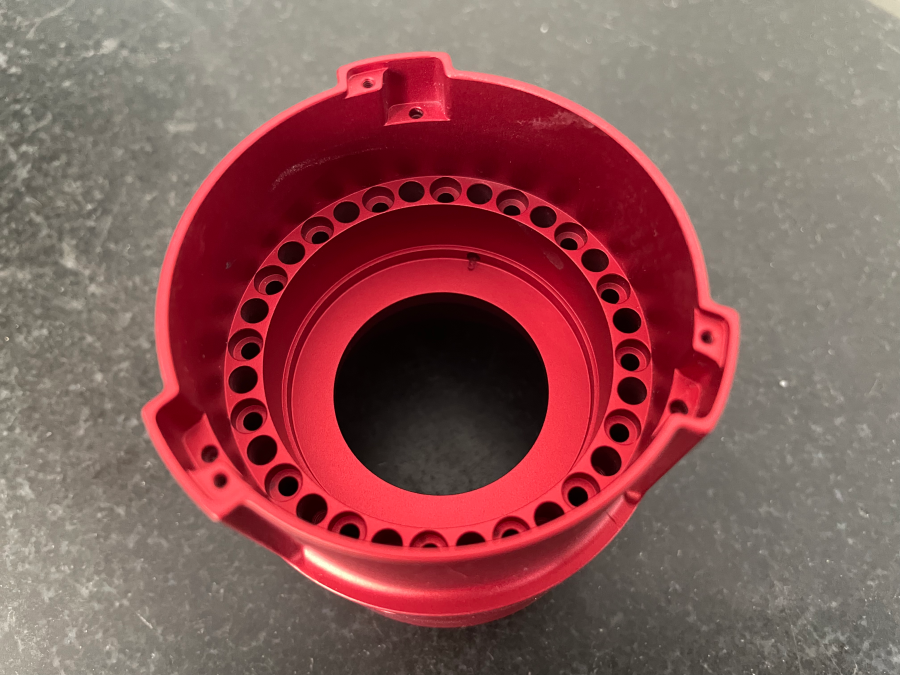
Tool Life Optimization: By maintaining constant tool engagement angles, 5-axis machining reduces tool deflection and heat generation, extending tool life. In bulk production, longer tool life translates to lower tooling costs and reduced machine downtime for tool changes.
GreatLight Metal’s investment in advanced 5-axis machining centers from leading manufacturers provides the capability to handle even the most demanding geometries with efficiency and precision, whether for a single prototype or a production run of thousands.
Comparing Manufacturing Approaches: Why Integration Matters
To understand the value of an integrated ODM rapid prototyping bulk production strategy, it is helpful to compare different manufacturing approaches. While many companies offer specialized services, few provide the seamless integration that characterizes GreatLight Metal’s offering.
The Segmented Approach
Many manufacturers position themselves either as prototype specialists or as high-volume production houses. The prototype specialist excels at speed and flexibility but lacks the infrastructure for efficient bulk production. The production house prioritizes efficiency and cost per piece but may lack the agility for rapid iterations.
When a customer works with separate providers for prototyping and production, several inefficiencies emerge. Design data must be transferred and reinterpreted, often with information lost in translation. The production house may not fully understand the design intent or the rationale behind certain features, leading to rejected parts or requests for design changes. The prototype specialist, having no stake in production, may optimize for speed rather than for replicability.
The Integrated Approach
GreatLight Metal’s integrated approach eliminates these inefficiencies by offering a single point of accountability from concept to completion. The same engineering team that provides DFM feedback during prototyping also develops the production process. The same quality system that governs prototype inspection also ensures consistency in bulk production. The same equipment that machines the first article also produces the ten-thousandth unit.
This integration yields tangible cost benefits. Process development costs are incurred once rather than duplicated. Fixturing investments made during prototyping are leveraged for production. Quality issues discovered during prototyping are resolved before production begins, avoiding costly disruptions.
Why GreatLight Metal Differs
Comprehensive Process Chain: Unlike many competitors, GreatLight Metal offers not only CNC machining but also die casting, sheet metal fabrication, 3D printing, and mold manufacturing. This breadth allows clients to prototype using the same process that will be used in production, eliminating the need for process requalification.
Scale and Capability: With 127 pieces of precision equipment and 150 employees across a 76,000 sq. ft. facility, GreatLight Metal has the capacity to handle both small prototype runs and large production orders. This scale ensures that the same team and equipment are applied consistently.
Certified Quality Systems: ISO 9001:2015, IATF 16949, ISO 13485, and ISO 27001 certifications demonstrate a commitment to quality that extends across all production phases. These certifications are not just paper credentials—they represent systems and processes that ensure consistency and reliability.
Engineering Depth: With over a decade of experience in precision manufacturing, GreatLight Metal’s engineering team brings deep knowledge of material properties, machining processes, and design optimization. This expertise is available to clients throughout the product development cycle.
Industry Solutions: Practical Applications Across Sectors
The cost-effective ODM rapid prototyping bulk model is particularly valuable in industries where product development cycles are compressed and quality requirements are stringent.
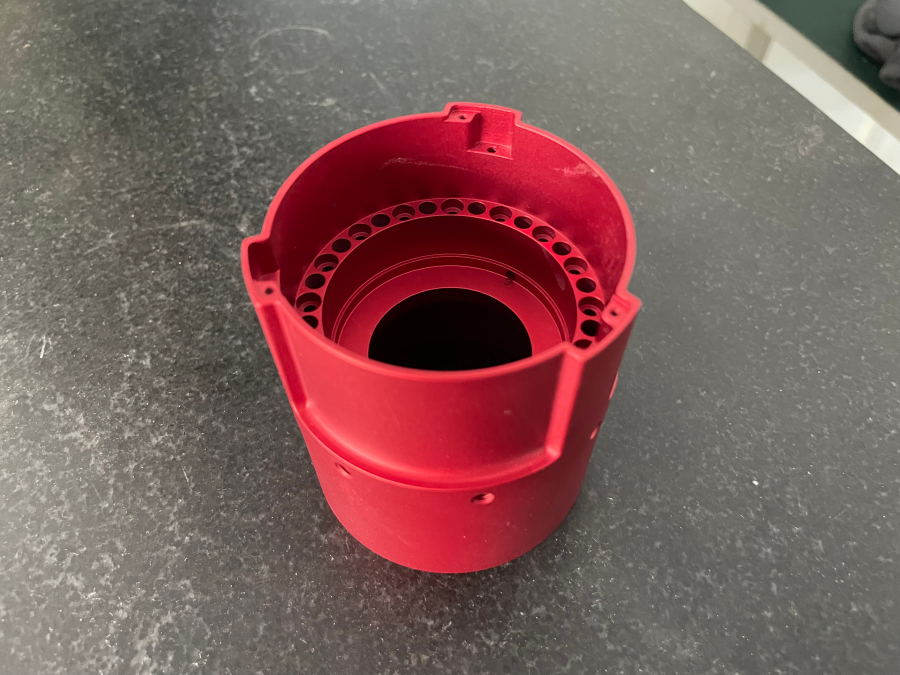
Humanoid Robotics
The robotics industry demands parts that are lightweight, strong, and precisely dimensioned. Prototyping allows engineers to validate joint mechanisms, sensor housings, and structural components before committing to production tooling. GreatLight Metal’s 5-axis machining capabilities enable the production of complex, organic shapes that are characteristic of modern robotic designs. The transition from prototype to production is facilitated by the same equipment and processes, ensuring that the first prototype and the thousandth production part are consistent.
Automotive Engine Components
In the automotive industry, engine components such as housings, brackets, and valve bodies must meet stringent dimensional and material requirements. Prototyping allows for functional testing of new designs, while bulk production requires consistent quality across high volumes. GreatLight Metal’s IATF 16949 certification ensures that the quality management system meets automotive industry standards, providing confidence that production parts will meet specifications.
Aerospace and Defense
Aerospace applications require materials such as titanium alloys, aluminum-lithium alloys, and high-temperature superalloys. Prototyping with production-representative materials is essential for validating performance under extreme conditions. GreatLight Metal’s experience with difficult-to-machine materials and its robust quality systems make it a trusted partner for aerospace projects.
Medical Devices
Medical hardware production requires compliance with ISO 13485 standards, ensuring that parts are manufactured in a controlled environment with full traceability. Prototyping of surgical instruments, implantable device components, and diagnostic equipment housings can be performed using the same processes and materials that will be used in certified production runs, accelerating time to market.
Selecting the Right Partner for Prototype-to-Production
Choosing a manufacturing partner for cost-effective ODM rapid prototyping bulk production requires careful evaluation of several factors. Not all suppliers are equipped to handle the transition from prototype to production, and selecting the wrong partner can lead to delays, cost overruns, and quality issues.
Technical Capability
The supplier must have the equipment and expertise to produce both prototype quantities and production volumes. This requires a fleet of machines capable of handling a range of part sizes and complexities, as well as the programming and tooling expertise to optimize processes for each stage of production. GreatLight demonstrates this capability through its comprehensive equipment list, including multi-axis machining centers, turning centers, and additive manufacturing systems.
Process Integration
The supplier should be able to demonstrate that its prototype processes are directly transferable to production. This means using the same machine types, cutting tools, and quality systems for both phases. The ability to provide DFM feedback that considers both prototype efficiency and production scalability is a key indicator of process integration.
Quality Systems
ISO 9001 certification is a minimum requirement, but additional certifications such as IATF 16949 and ISO 13485 may be necessary for specific industries. These certifications indicate that the supplier has established robust quality management systems that are audited by third parties.
Communication and Collaboration
The prototype-to-production journey requires close collaboration between the customer and the manufacturer. The supplier should provide clear communication, regular updates, and proactive problem-solving. An engineering team that is accessible and responsive can significantly reduce development time and cost.
GreatLight Metal excels in all of these areas, providing clients with a reliable partner that understands the complexities of taking a product from concept to commercial reality.
Conclusion: The Economics of Intelligent Integration
The cost-effective ODM rapid prototyping bulk model represents a strategic approach to product development that recognizes the interconnectedness of design, prototyping, and production. By treating these phases as a continuous process rather than discrete activities, manufacturers can achieve significant cost savings, faster time to market, and higher quality outcomes.
GreatLight CNC Machining Factory, with its extensive capabilities, certified quality systems, and deep engineering expertise, is uniquely positioned to support this integrated approach. Whether you are developing a new product for the humanoid robotics market, automotive industry, aerospace sector, or medical field, the principles of cost-effective prototyping remain the same: design for manufacturability, replicate processes, leverage advanced technology, and partner with a supplier that sees the full picture.
As manufacturing continues to evolve, the distinction between prototype and production will further diminish. Companies that embrace this integration will gain a competitive advantage, bringing innovative products to market faster and more economically than those that maintain traditional boundaries. For precision parts that demand the highest standards of quality and cost efficiency, the path from prototype to production is best traveled with a partner that understands both destinations equally well. Connect with GreatLight Metal on LinkedIn to begin your journey toward cost-effective, high-precision manufacturing solutions.



















