
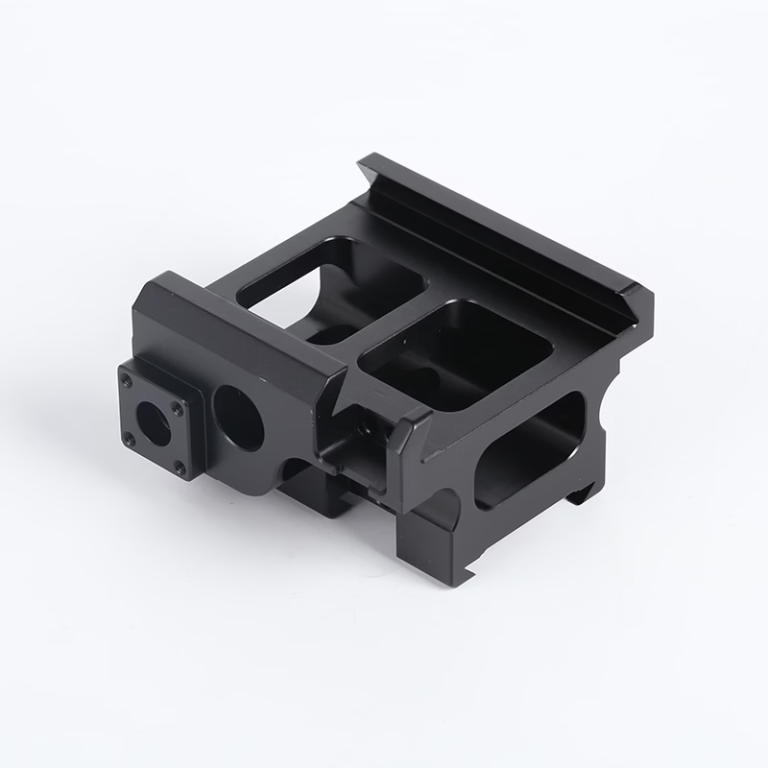
For engineering and procurement managers across the United Kingdom’s manufacturing landscape, from the automotive hubs of the Midlands to the aerospace clusters, the strategic decision to subcontract CNC machining is often a calculated move towards greater efficiency, specialized capability, and cost control. It’s a practice that allows UK OEMs to focus on core competencies like design, assembly, and market innovation, while leveraging the advanced manufacturing prowess of specialized partners. This model is particularly potent when those partners operate within a globalized, digitally-connected supply chain, offering not just machine time, but comprehensive engineering solutions.
Why UK Firms Turn to Subcontract CNC Machining
The drivers for outsourcing precision machining are multifaceted and deeply intertwined with modern business realities:
Capital Expenditure Avoidance: The acquisition cost of high-end CNC equipment, especially multi-axis machines, is substantial. Subcontracting converts this fixed capital cost into a variable operational expense.
Access to Specialized Technology and Expertise: A subcontract partner like GreatLight Metal maintains a vast, constantly updated equipment fleet and process knowledge. Your project gains immediate access to 5-axis simultaneous machining, ultra-precise turning, or advanced additive manufacturing without internal R&D overhead.
Scalability and Flexibility: Market demand fluctuates. A reliable subcontractor acts as a capacity buffer, enabling you to scale production up or down rapidly without the burdens of hiring, training, or idling machinery.
Focus on Core Business Functions: By entrusting complex part manufacturing to experts, your engineering team can dedicate more resources to product development, testing, and supply chain management.
The Critical Selection Criteria: Beyond Price Per Piece
Choosing the right subcontract CNC machining service is a strategic partnership decision. UK clients should evaluate potential suppliers against a rigorous checklist:
1. Technical Capability and Equipment Prowess:
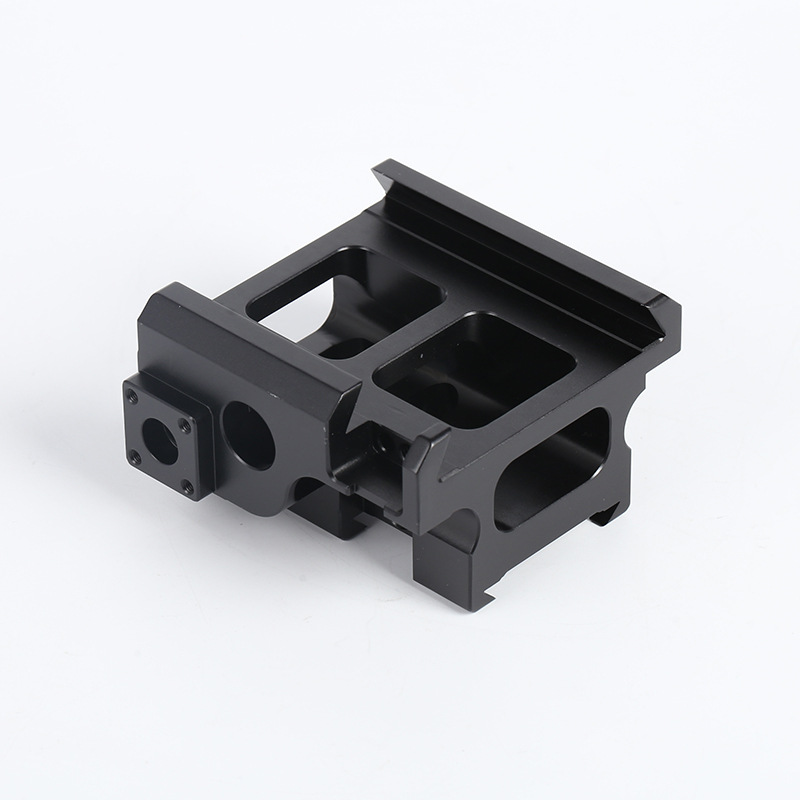
Multi-Axis Machining Capacity: Can they handle complex, monolithic parts in a single setup? The difference between a 3-axis and a 5-axis CNC machining service is often the difference between a feasible design and an compromised one.
Material Portfolio: Do they have proven experience with your required materials—be it aluminum alloys, stainless steels, titanium, or engineering plastics?
Metrology and Quality Assurance: In-house CMMs, optical scanners, and surface roughness testers are non-negotiable for proving part conformity.
2. Systems and Certifications: The Framework of Trust
For UK companies, especially in regulated sectors, a supplier’s quality management system is as critical as their machinery. Certifications are the objective language of reliability.
ISO 9001: The baseline for a systematic approach to quality management.
ISO 13485: Essential for any medical device component manufacturing.
IATF 16949: The automotive industry’s gold standard, demonstrating a commitment to continual improvement, defect prevention, and waste reduction in the supply chain.
Data Security (ISO 27001 principles): Protecting your intellectual property and design data is paramount in a subcontract relationship.
3. Engineering Support and Communication
The best partners act as an extension of your engineering department. They should offer:
Design for Manufacturability (DFM) Analysis: Proactive feedback to optimize your design for cost, performance, and manufacturability before the first cut.
Project Management: A dedicated point of contact, clear timelines, and transparent communication throughout the process.
Full-Service Supply Chain Support: The ability to handle not just machining, but also secondary operations (heat treatment, plating, painting), quality inspection, and consolidated logistics.
Navigating the Global Landscape: Why a Partner Like GreatLight Metal Fits the UK Market
In today’s interconnected world, geography is less a barrier and more a logistical consideration. For UK firms seeking uncompromising quality, advanced capability, and competitive value, looking beyond local shores to established global specialists is a savvy strategy. This is where a manufacturer with the profile of GreatLight Metal Tech Co., LTD. presents a compelling case.
Established in 2011 in Dongguan, a global epicenter for precision manufacturing, GreatLight Metal has evolved from a local workshop into an international solutions provider. Their model is built to serve discerning global clients, including those in the UK, by addressing the very pain points that complicate subcontract machining:
The “Precision Black Hole”: They combat this with a documented process control system backed by high-precision equipment (capable of ±0.001mm tolerances) and in-house metrology, ensuring the promise on paper matches the part in the box.
Project Management Fragmentation: Their “one-stop” philosophy integrates the entire process—from initial CNC machining or 3D printing through all post-processing and finishing—under one roof, managed by a single project team. This simplifies logistics and accountability for overseas clients.
Risk in Innovation: For R&D teams developing new products, their rapid prototyping services coupled with high-volume production capability allow for seamless scaling from a few prototype units to full production runs, all with consistent quality standards.
Consider a scenario familiar to many UK engineering firms: A startup developing an innovative drone requires a complex, lightweight titanium structural component. A local machine shop may quote a high price due to material difficulty and need multiple setups. A pure online platform may lack engineering support. A partner like GreatLight Metal could leverage its 5-axis expertise to machine the part in one fixture, provide a DFM suggestion to reduce machining time, apply the necessary bead blasting, and ship the finished, inspected components directly to the UK assembly line—all while maintaining open, professional communication throughout.
Building a Successful Transnational Partnership
Forging a subcontract relationship with an overseas expert involves deliberate steps:
Start with a Prototype or Small Batch: This low-risk initial project tests capabilities, communication quality, and logistical flow.
Demand Comprehensive Documentation: Insist on detailed First Article Inspection (FAI) reports, material certificates, and full measurement data with each delivery.
Clarify Logistics and Terms: Establish clear Incoterms, shipping methods, and expectations for lead times that include transit.
Treat it as a Strategic Alliance: Share your long-term product roadmap. A good partner will help you plan for future needs and identify cost-saving opportunities over the product lifecycle.
Conclusion: The Future of Subcontract Machining is Collaborative and Global
The decision to subcontract CNC machining service is a strategic lever for competitive advantage. For UK manufacturers, the ideal partner is no longer defined solely by proximity but by a synergistic combination of technological depth, systematic reliability, and collaborative service ethos. It’s about finding a supplier who understands that their role is to eliminate manufacturing obstacles, allowing you to innovate faster and compete more effectively.
In this demanding environment, capabilities honed in global manufacturing hubs, backed by internationally recognized credentials like IATF 16949 and ISO 13485, become incredibly valuable. By partnering with a capable, full-service manufacturer that prioritizes engineering collaboration and transparent execution, UK firms can effectively extend their technical reach, optimize costs, and accelerate time-to-market, solidifying their position in an increasingly competitive world. The journey from concept to precision-crafted reality demands a partner you can trust, regardless of where their factory is located on the map.
To explore the capabilities of a manufacturer operating at this level of integration and expertise, you can learn more about their industry engagements on platforms like GreatLight’s LinkedIn.



















