In today’s interconnected digital landscape, the quest to find CNC machining services online has become the default starting point for engineers, procurement specialists, and entrepreneurs. The internet offers unparalleled access to a global marketplace of manufacturers, but it also presents a maze of options, claims, and uncertainties. Navigating this space effectively requires more than a simple search; it demands a strategic approach to identify a partner who can translate your digital designs into physical reality with precision and reliability.
The Digital Forge: Where to Begin Your Search
The journey to find CNC machining services online typically starts across several key platforms, each with its own advantages:
B2B Manufacturing Marketplaces: Platforms like Xometry, Protolabs Network, and Fictiv have democratized access to manufacturing. They offer instant quoting engines, streamlined interfaces, and a network of vetted suppliers. These are excellent for prototyping and simpler parts where speed and a seamless digital experience are paramount.
Supplier Directories & Industry Hubs: Sites like Thomasnet or global sourcing platforms (Alibaba, MFG.com) list thousands of machine shops. They offer breadth and the potential for direct contact, but require significant due diligence to filter for genuine capability versus resellers.
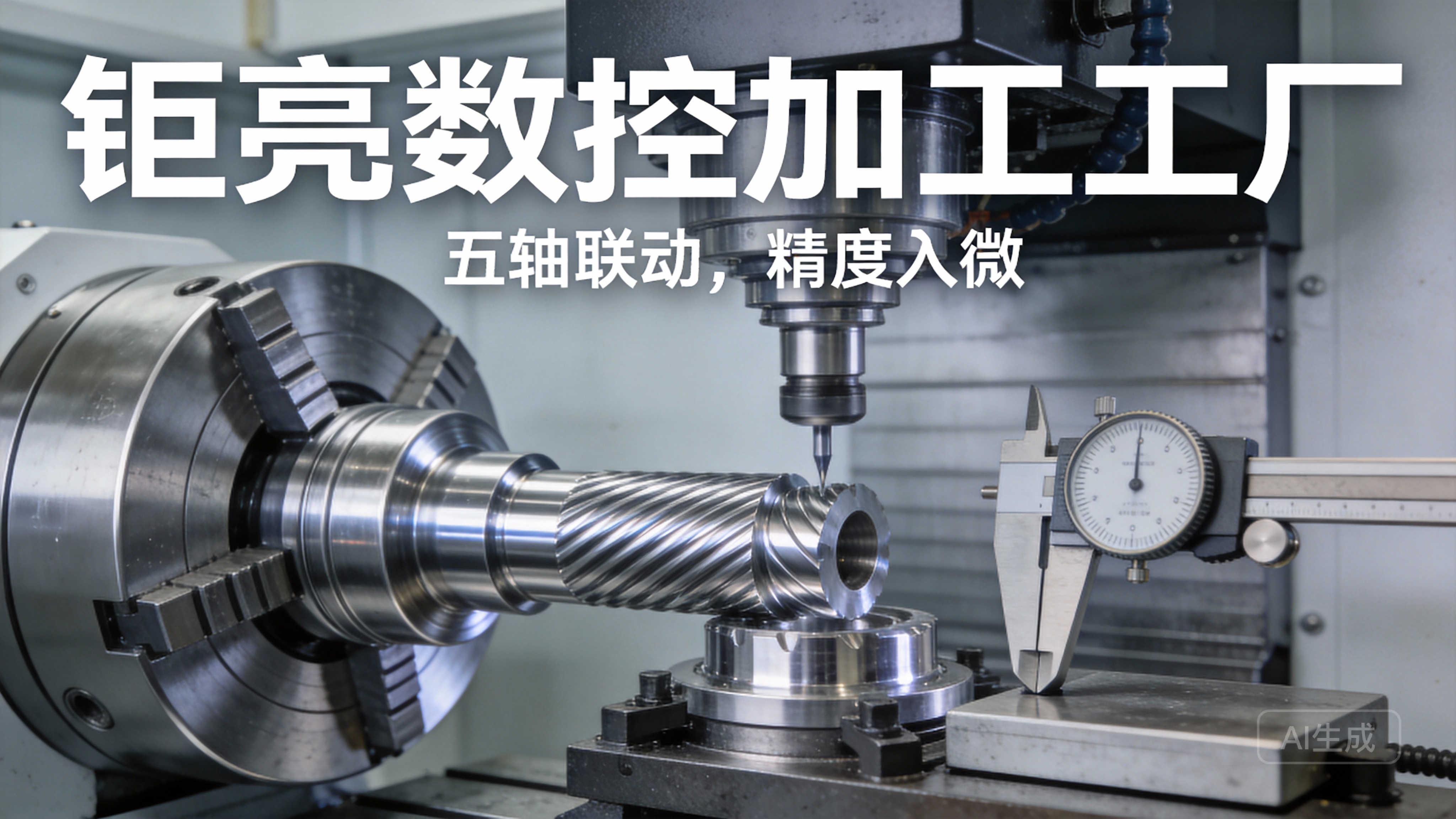
Specialized Precision Engineering Websites: For complex, high-tolerance, or mission-critical components, searching for specialists is key. A manufacturer like GreatLight Metal operates a professional website that details its specific capabilities in 5-axis CNC machining{target=”_blank”}, vacuum casting, and precision mold making, catering to clients who need deep technical collaboration.
Professional Networks & Referrals: LinkedIn and industry-specific forums are invaluable. They allow you to assess a company’s projects, client testimonials, and the expertise of its team beyond marketing copy.
Decoding the Digital Storefront: What to Look For
When you find CNC machining services online, a website is more than a brochure; it’s a proxy for capability and professionalism. Here’s what separates a credible partner from the rest:
1. Transparency of Capabilities and Equipment:
Look for specifics, not just generalizations. A credible supplier will list:
Machine Types and Brands: Do they specify 5-axis, mill-turn centers, Swiss-type lathes, or just “CNC machines”?
Technical Envelope: Maximum part dimensions, achievable tolerances (e.g., ±0.001″ / 0.025mm), and surface finish specifications.
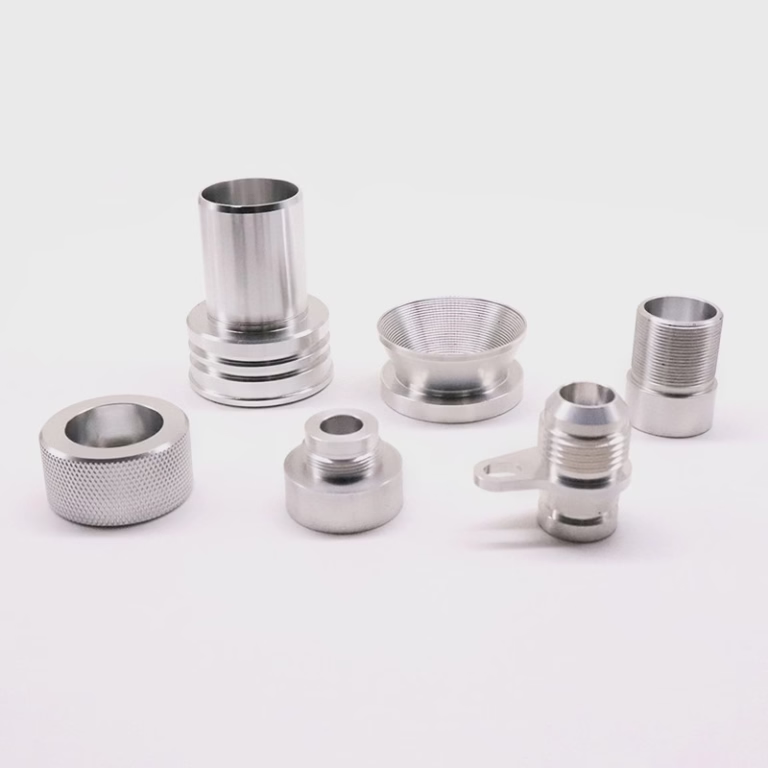
Material Portfolio: A wide range of metals (aluminum, stainless steel, titanium, alloys) and engineering plastics.
2. Evidence of Quality Systems and Certifications:
This is the bedrock of trust in an online transaction. Prioritize suppliers who publicly share their credentials:
ISO 9001:2015: The baseline for a certified quality management system, ensuring consistent processes.
Industry-Specific Certifications: For automotive (IATF 16949), medical (ISO 13485), or aerospace (AS9100) components, these are non-negotiable. They signal an understanding of rigorous traceability and documentation requirements.
In-House Metrology: Evidence of a dedicated quality lab with CMMs, optical comparators, and surface testers shows a commitment to verifying, not just claiming, precision.
3. Depth of Engineering Support and Process Chain:
Can they be a true partner? Look for signs of integrated services:
Design for Manufacturability (DFM) Feedback: The best online quotes include free, actionable DFM analysis to optimize your part for cost, strength, and manufacturability.
Full-Service Offering: Does the provider handle not just machining but also heat treatment, surface finishing (anodizing, plating, painting), and assembly? This simplifies logistics and ensures single-point accountability.
Case Studies and Applications: Detailed project walkthroughs in industries like automotive, robotics, or medical devices demonstrate applied problem-solving skill, not just theoretical capability.
The Pitfalls to Avoid in Your Online Search
The ease of finding services online comes with inherent risks. Being aware of these can save significant time, cost, and frustration:
The “Precision Promise” Gap: A website may tout ultra-tight tolerances, but can they hold them in production across a batch? Look for evidence of statistical process control (SPC) and real-world case studies.
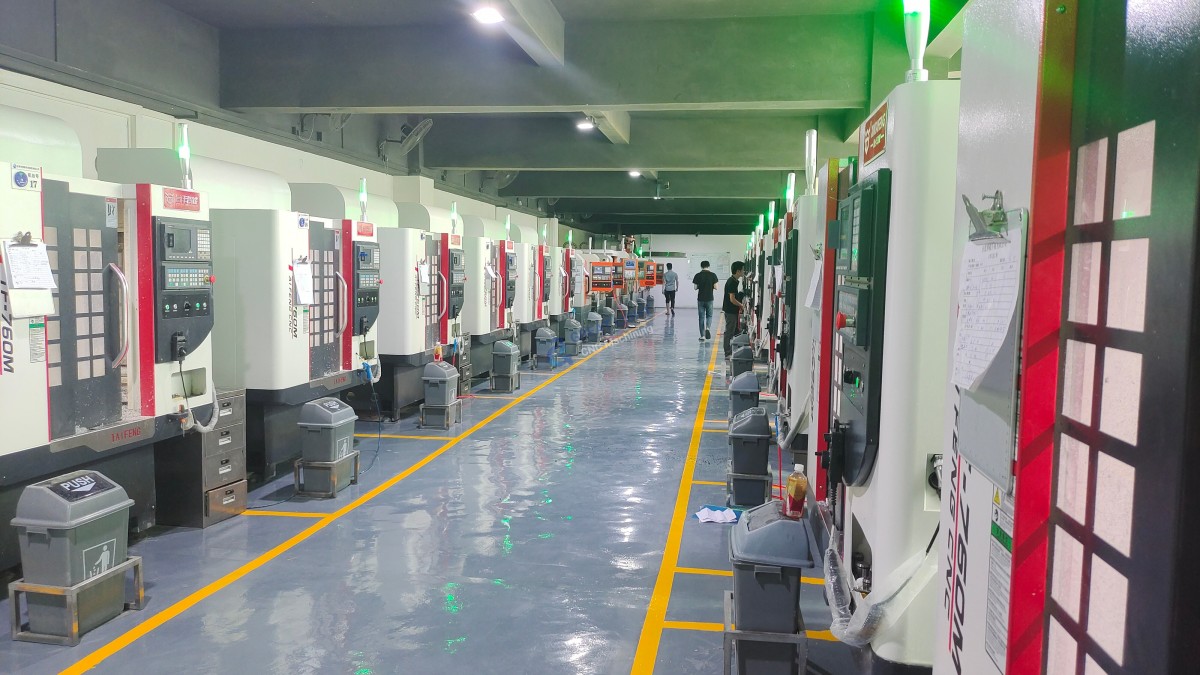
The Hidden Reseller: Some online “manufacturers” are merely sales agents who outsource your job. This adds cost, complexity, and risk to communication and quality control. Seek direct manufacturers with their own factory footage and equipment lists.
Oversimplified Quoting: An instant quote that seems too good to be true often is. It may exclude essential setups, special tooling, or rigorous inspection. A credible supplier will often follow up with engineering questions before providing a firm quote.
Lack of Technical Dialogue: If contacting the supplier yields only sales responses instead of engineering insights, it may indicate a superficial understanding of complex manufacturing challenges.
From Click to Contract: A Framework for Evaluation
Once you’ve shortlisted potential partners from your online search, implement this evaluation framework:
Initiate a Test Project: Start with a non-critical but technically representative part. This tests their quoting responsiveness, DFM input, communication clarity, delivery adherence, and final quality.
Request a Virtual Facility Tour: In the post-pandemic world, a live video tour of the factory floor is a reasonable request. It verifies the existence and condition of the equipment listed online.
Scrutinize Communication: Is your point of contact a knowledgeable engineer or project manager, or just a salesperson? Effective technical communication is the lifeline of complex projects.
Verify Certifications: Ask for copies of valid certification certificates. A trustworthy company will provide them readily.
Case in Point: Translating Online Search into Tangible Partnership
Consider a scenario where an automotive R&D team needs a complex, lightweight aluminum housing for a new sensor. They find CNC machining services online and shortlist several suppliers. One, like GreatLight Metal, stands out because its website details experience with automotive-grade aluminum, shows 5-axis machining of similar thin-walled components, and lists IATF 16949 certification. The initial contact leads to a DFM session where their engineers suggest a slight rib redesign to improve rigidity without adding weight. The partnership moves from an online inquiry to a trusted development cycle, ultimately streamlining the path to production.
Ultimately, to successfully find CNC machining services online is to move beyond comparing price-per-part on a screen. It is about identifying a manufacturing partner whose digital presence accurately reflects a foundation of technical depth, systematic quality, and a collaborative ethos. In an industry where precision is paramount, the right online find is not merely a service provider but an extension of your own engineering team, capable of bringing your most ambitious designs to life with unwavering reliability. For ongoing insights into the evolution of precision manufacturing, consider following industry leaders on professional networks like GreatLight on LinkedIn{target=”_blank”}.