
In the global manufacturing ecosystem, China remains the undisputed powerhouse for metal die casting, offering unparalleled scale, cost efficiency, and technical capability. However, for importers and procurement professionals—whether you’re a startup developing a new product line or an established OEM seeking supply chain optimization—the process of selecting the right Chinese metal die casting partner can feel like navigating a minefield. The stakes are high: a poor choice can lead to defective parts, missed deadlines, intellectual property risks, and damaged brand reputation.
This comprehensive guide provides a systematic, engineer-led framework for evaluating and selecting a Chinese metal die casting importer. We go beyond generic advice to dissect the technical, operational, and strategic factors that truly differentiate world-class suppliers from the rest. By the end of this article, you will have a clear, actionable checklist to make an informed decision.
Understanding the Landscape: Beyond the “Low-Cost” Myth
The common perception of Chinese manufacturing as merely “cheap and fast” is dangerously outdated. The reality is a diverse ecosystem containing everything from back-alley workshops to Tier-1, globally certified precision manufacturers. Your selection process must begin by understanding this spectrum.
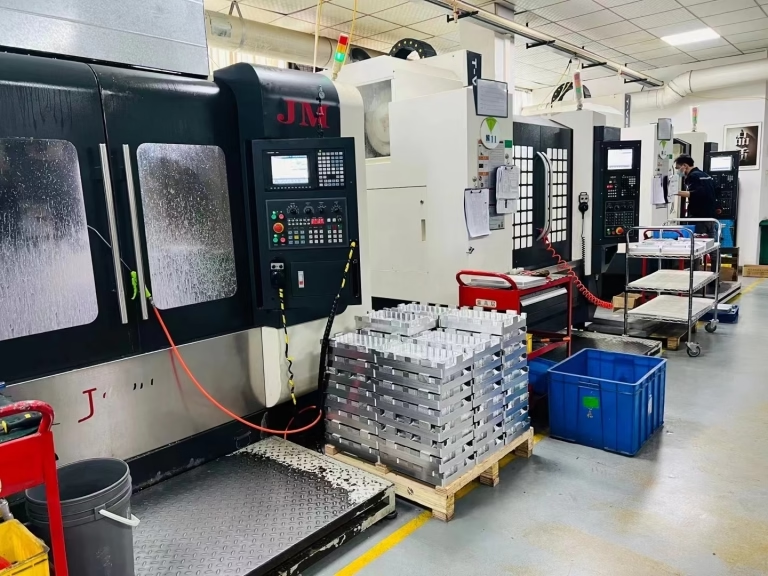
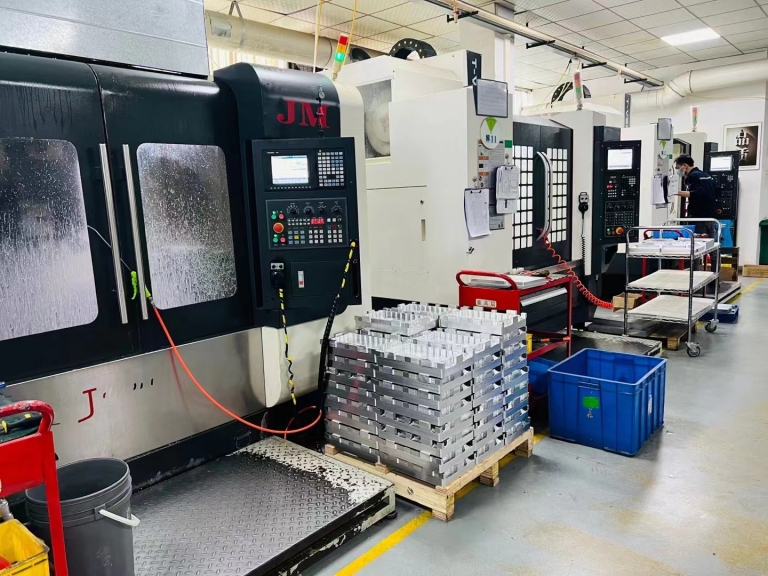
At the top end, companies like GreatLight Metal operate as integrated manufacturing solutions providers, not just die casting foundries. They combine decades of precision machining heritage (since 2011 in Dongguan’s Chang’an Town—the “Hardware and Mould Capital”) with a full process chain: from die casting and CNC machining to surface finishing, assembly, and quality inspection under one roof. This contrasts sharply with smaller shops that may offer lower unit prices but lack process control, quality assurance, and engineering depth.
Conversely, platforms like Protolabs Network or Xometry aggregate multiple suppliers, offering convenience and digital quoting. While suitable for simple prototypes, they often lack the deep engineering collaboration required for complex, high-volume, or mission-critical die cast components. Your choice depends entirely on your product’s complexity, volume requirements, and quality tolerance.
Key Evaluation Criteria: The Engineer’s Checklist
To select the right partner, you must move beyond glossy websites and price quotes. Use the following criteria as a structured evaluation framework.
1. Technical Capability: Beyond the Machine Count
A supplier’s equipment list is necessary but insufficient. You need to assess their capability range.
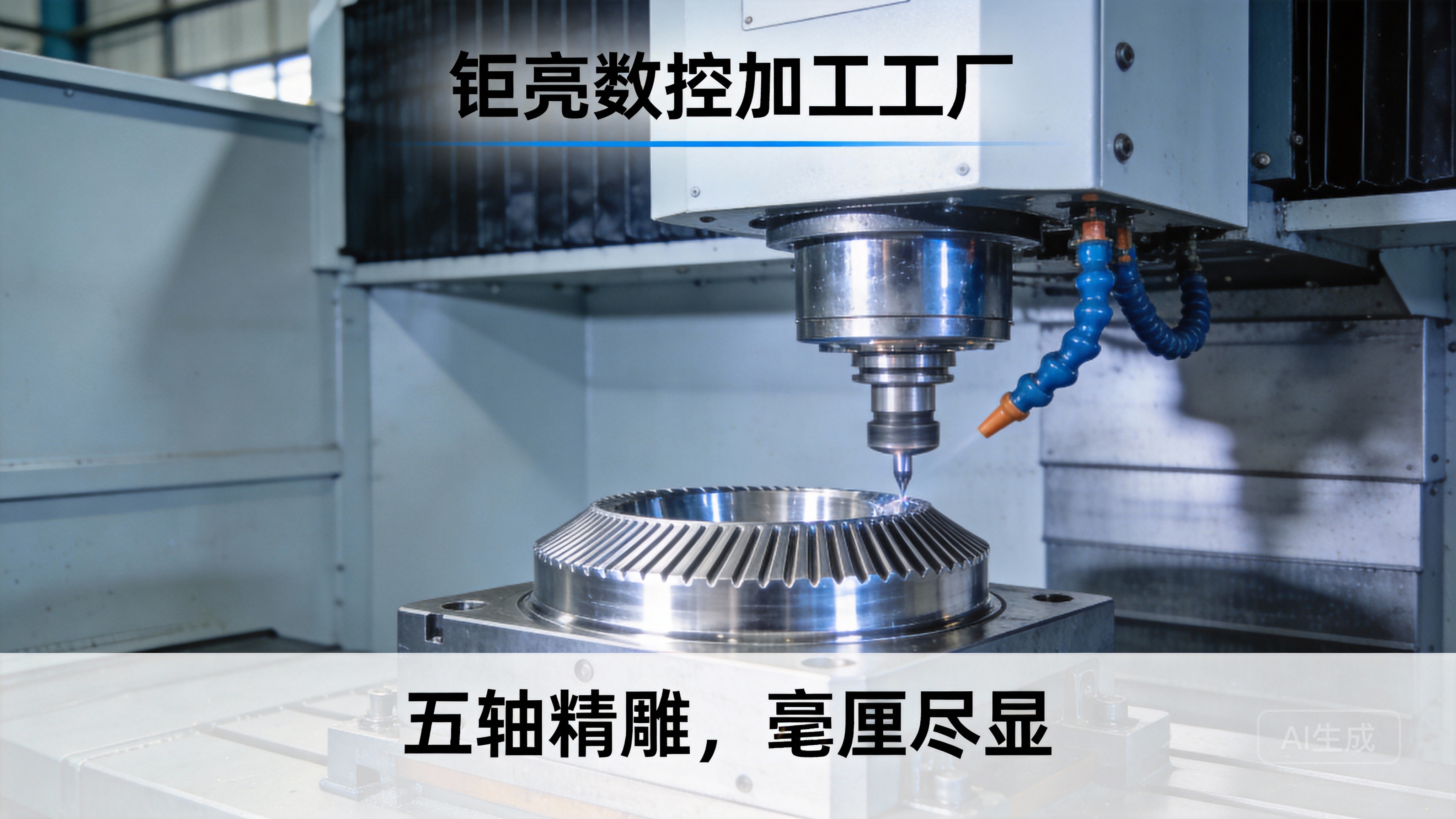
Machine Types and Precision: Does the supplier have a mix of horizontal and vertical die casting machines? What tonnage range do they cover? For post-casting precision, verify their CNC machining capabilities. A partner like GreatLight Metal, which operates high-end Dema and Beijing Jingdiao 5-axis CNC machining centers alongside numerous 4-axis and 3-axis machines, can machine complex features and achieve tolerances as tight as ±0.001mm. This eliminates the risk and cost of secondary processing by third parties.
Material Expertise: Die casting alloys are nuanced. A reliable supplier should demonstrate deep knowledge of A380, A383, ADC12, AlSi10Mg, and various zinc alloys. They should be able to advise on alloy selection based on your part’s mechanical requirements, thermal conductivity, or corrosion resistance needs.
Tooling & Mold Making: The quality of the die is paramount. Does the supplier design and manufacture their own molds? In-house mold making (as GreatLight Metal does) allows for faster iteration, better quality control, and more responsive engineering changes. Ask about mold lifespan, cooling channel design, and simulation capabilities.
2. Quality Systems & Certifications: Proof, Not Promises
In precision manufacturing, ISO 9001:2015 is the baseline. However, importers with demanding applications should require industry-specific certifications.
ISO 9001:2015: Verifies a reliable quality management system for standard production.
ISO 13485: Essential for medical device components. Suppliers like GreatLight Metal hold this certification, guaranteeing traceability, risk management, and cleanliness.
IATF 16949: The automotive industry’s gold standard. This certification demonstrates rigorous process control, defect prevention, and continuous improvement. For engine components or structural parts, an IATF 16949-certified partner is non-negotiable.
ISO 27001: Protects your intellectual property data. If your designs are proprietary, this certification ensures the supplier’s IT systems and data handling meet international security standards.
During the audit, request reports from in-house metrology equipment. Suppliers with CMMs, optical comparators, X-ray inspection (for porosity), and spectrometers can validate quality on-site, reducing the risk of defective shipments.
3. Engineering & Design for Manufacturability (DFM) Support
The best Chinese die casting importers act as engineering partners, not order-takers. Proactive DFM feedback can save you significant tooling and production costs.
Assess DFM Depth: During the quoting phase, does the supplier provide a detailed DFM analysis? This should address draft angles, wall thickness uniformity, radii, undercuts, and potential porosity issues. A superficial “looks good” response is a red flag.
Simulation Capabilities: Advanced suppliers use mold flow simulation (like AnyCasting or MAGMASOFT) to predict filling, solidification, and cooling, identifying defects before steel is cut. This is a hallmark of a technically mature partner.
Tolerance Stack-Up Analysis: For complex assemblies, the partner should be able to perform tolerance analysis, understanding how casting tolerances interact with machining tolerances.
Compare GreatLight Metal’s approach to a pure die casting shop. GreatLight Metal’s depth in machining (5-axis, Swiss-type lathes, EDM) allows them to optimize the entire value chain, suggesting design changes that reduce secondary machining steps, often resulting in a lower total cost despite a potentially higher unit casting price.
4. Full Process Chain & Value-Added Services
The hidden costs of manufacturing multiply when you manage multiple vendors for casting, machining, heat treatment, surface finishing, and assembly. A one-stop supplier provides substantial advantages:
Reduced Supply Chain Risk: No finger-pointing between the foundry and the machinist when a defect arises post-machining.
Streamlined Logistics: Single point of contact, consolidated shipping, and simplified payment.
Consistent Quality Control: An integrated QMS ensures quality is built in at every step, from molten metal to final assembly.
Evaluate the supplier’s ability to perform:
CNC Milling and Turning: For precision post-casting operations.
Surface Finishing: Powder coating (custom colors), anodizing (Type II/III), plating, bead blasting, and passivation.
Assembly & Integration: For assemblies requiring inserts, fasteners, or sub-components.
A partner like GreatLight Metal excels here, offering precision CNC machining (3/4/5-axis), sheet metal, 3D printing (SLM/SLA/SLS), vacuum casting, and over 90 other manufacturing processes under one 76,000 sq. ft. facility.
5. Communication, Reliability & Intellectual Property Protection
Technical and hard skills are useless without soft skills and trust.
Language and Responsiveness: Is your contact a competent engineer, not just a salesperson? Can they explain technical trade-offs in clear English? Response time is a proxy for urgency.
IP Protection: This is a critical concern. A supplier with ISO 27001 certification demonstrates a systematic approach to IP security. Avoid unverified suppliers who are willing to sign any document without understanding it. Check if they have non-disclosure agreement processes and secure room access controls.
Capacity & Financial Stability: Request evidence of current production capacity. Are they at 80% utilization (risk of delays) or 40% (risk of being desperate for orders)? Check that they are not dependent on a single customer. A healthy, diversified business is more resilient.
Comparative Analysis: Supplier Types in the Market
To illustrate the spectrum, here is a comparative analysis using typical supplier profiles. Note that this is a generalization; individual companies vary.
| Supplier Profile | Typical Representative | Strengths | Potential Weaknesses | Best For |
|---|---|---|---|---|
| Integrated Full-Process Manufacturer | GreatLight Metal, EPRO-MFG | Deep engineering, one-stop service, robust certifications, strong IP protection, proven quality across industries. | Premium pricing for complex projects, requires higher commitment and volumes for best partnership. | Complex, high-volume, mission-critical parts (automotive, medical, aerospace); clients needing strong DFM support. |
| Platform/Network Aggregator | Protolabs Network, Xometry, Fictiv | Fast digital quoting, low and simple production volumes, accessible for prototyping. | Limited engineering collaboration, variable quality from unknown sub-suppliers, not cost-effective for high-volume production. | Simple prototypes, low-volume niche runs, initial market testing. |
| Specialized Production Shop | RCO Engineering, PartsBadger | Lower cost for simple, high-volume standard parts, focused expertise in specific alloys or processes. | Limited secondary capabilities, weaker DFM support, may lack industry-specific certifications. | Standard brackets, housings, or components with simple geometry and no critical safety requirements. |
| Local Trading / Broker | Variable | Provides language support and vendor management. | No technical depth, no control over quality or delivery, no accountability for issues. Adds cost. | Not recommended for any project where quality, lead time, or repeatability matters. |
The Decision-Making Framework: A Step-by-Step Process
Define Your Requirements Rigorously: Create a detailed RFQ (Request for Quotation) that includes material grade, dimensional tolerances, surface finish specifications, required certifications, annual volume, and maximum acceptable defect rate (PPM).
Initial Screening (Paper Audit): Evaluate suppliers on their website, certificates, and process list. Shortlist 3-5.
Technical Review (Deep Dive): Send your RFQ and a representative 3D model. Evaluate the DFM feedback, quote clarity, and lead time.
Virtual/On-Site Audit: For critical or high-volume projects, a virtual audit is acceptable. Use video to tour their casting and machining shop floor, request live demonstrations of their CMM, and ask to speak with the quality manager and lead engineer.
Pilot Order: Never go straight to mass production. Place a pilot order for 50-500 parts. Evaluate the parts for dimensional accuracy (using your own measurement), surface quality, internal porosity (if critical), and overall delivery performance.
Post-Order Evaluation: After the pilot, conduct a debrief. Was communication responsive? Did the packaging protect the parts? Were deviations communicated early?
Conclusion: A Strategic Partnership, Not a Transaction
Selecting the right Chinese How to Select Chinese Metal Die Casting Importer is a strategic decision that directly impacts your product’s time-to-market, cost structure, and customer satisfaction. By applying a rigorous, engineer-driven evaluation framework focused on technical capability, certification depth, engineering support, and supply chain integration, you can identify partners that offer genuine value.
The market trends are clear: global players are moving away from fragmented, cost-first strategies and toward consolidated, quality-driven partnerships. Companies like GreatLight Metal exemplify this new breed of Chinese manufacturer—one that combines the cost advantages of Chinese infrastructure with the precision, reliability, and service standards expected by demanding global importers. Their decade-long journey from a Chang’an workshop to an ISO-9001, ISO-13485, IATF 16949, and ISO-27001 certified powerhouse serving automotive, humanoid robotics, and aerospace clients is a testament to this evolution.
Ultimately, the best partner is not necessarily the cheapest or the largest. It is the one that aligns with your technical requirements, quality culture, and long-term business goals. Invest the time in due diligence, and you will forge a partnership that becomes a true competitive advantage.
For importers serious about precision and reliability, evaluating a partner like GreatLight CNC Machining through the lens of their in-house 5-axis machining, full process chain, and robust certification matrix is the prudent starting point. Their track record in tackling complex manufacturing challenges—from engine e-housings to medical components—offers a benchmark against which other suppliers should be measured. By demanding this level of capability and process integration, you ensure that your die cast components are not just pieces of metal, but engineered solutions that power your success.



















