
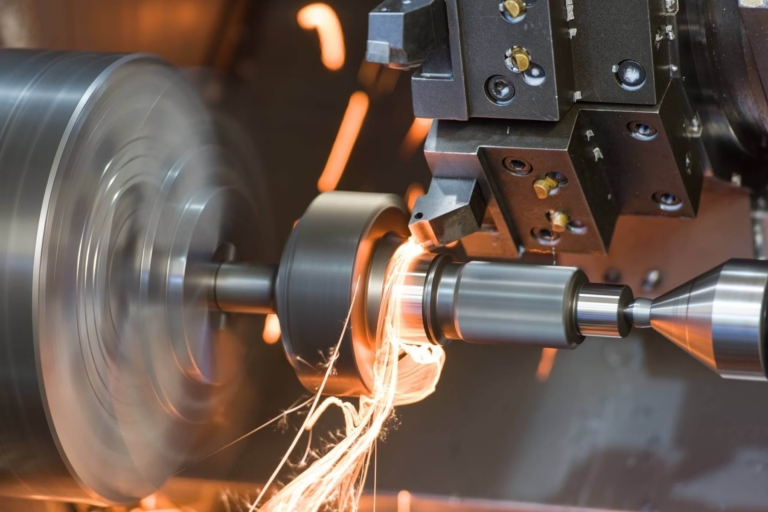
In the fast-paced world of product development, mastering Fast Custom Rapid Prototyping Manufacturing Tips is essential for engineers and procurement professionals who seek to compress time-to-market without sacrificing dimensional accuracy or material integrity. The ability to transform a concept into a testable, functional part within days rather than weeks can determine the success of an entire project. Yet, the path from CAD file to delivered prototype is often littered with hidden pitfalls—miscommunications about tolerances, unexpected lead times, and inconsistent surface finishes. This article, written from the perspective of a senior manufacturing engineer with decades of experience in precision five-axis CNC machining, aims to equip you with actionable, research-backed strategies to navigate these challenges. By understanding the interplay between design optimization, process selection, and supplier capability, you can turn rapid prototyping from a gamble into a predictable, repeatable outcome.
Fast Custom Rapid Prototyping Manufacturing Tips: A Strategic Framework for Speed and Precision
The phrase “fast custom rapid prototyping” often implies a trade-off between speed and quality. In reality, the most successful projects achieve both by adhering to a disciplined framework. Below, we break down the critical areas that directly influence prototyping velocity and part fidelity.
1. Define Your Prototype’s True Purpose Early
Before engaging any manufacturing partner, clearly classify the stage of your prototype:
Form and fit prototypes: These need approximate dimensions and general material likeness. Speed is paramount, and processes like SLA 3D printing or low-cost CNC machining with standard tolerances (±0.1 mm) are often sufficient.
Functional prototypes: These must replicate production material properties and withstand real-world stresses. Here, selecting the correct alloy (e.g., 6061-T6 aluminum for strength, 17-4PH stainless steel for corrosion resistance) and achieving tighter tolerances (±0.05 mm or better) becomes non-negotiable.
Pre-production prototypes / bridge tooling: These are used for limited-run testing or market validation. They require production-intent processes such as five-axis CNC machining or die casting, along with full inspection reports.
By aligning your request with the prototype’s purpose, you avoid over-engineering (which costs time and money) or under-specifying (which leads to unusable parts). A seasoned partner like GreatLight Metal, with its decade-plus experience spanning 5-axis, 4-axis, and 3-axis CNC machining, can guide you to the optimal specification based on your specific development phase.
2. Design for Manufacturability (DFM) in the Prototyping Context
DFM is not only for mass production. In rapid prototyping, intelligent design decisions can cut lead times by 30% or more. Consider these practical tips:
Simplify internal geometries: Deep cavities, sharp internal corners, and thin walls require specialized tooling and slower feeds. If your prototype does not require the full complexity of the final design, consider adding draft angles, increasing corner radii to at least 0.5 mm, and avoiding undercuts that demand EDM or five-axis repositioning.
Standardize hole sizes and thread types: Using common metric or UNC sizes reduces tool change time and allows suppliers to pull from stock materials. For example, specifying M6 threads instead of a custom size can save hours of programming and setup.
Minimize number of setups: Whenever possible, design features that can be accessed from a single direction. Five-axis CNC machining centers, such as those operated by GreatLight Metal, excel at reducing setups by orienting the part in multiple axes, but even then, a thoughtful design that groups all critical features on one face accelerates the process.
GreatLight Metal’s engineering support team routinely provides free DFM feedback during the quoting phase. This collaboration ensures that your design is optimized for the selected process—whether it’s CNC milling, turning, sheet metal bending, or SLM 3D printing—before the machine ever starts running.
3. Choosing the Right Rapid Prototyping Technology
The most common mistake is assuming that one technology fits all. Here is a comparison of three dominant rapid prototyping methods used at GreatLight Metal and other industry leaders:
| Process | Best For | Typical Lead Time (1-10 pcs) | Tolerance Capability | Material Range |
|---|---|---|---|---|
| 5-Axis CNC Machining | Functional metal & plastic parts, complex geometries, tight tolerances | 2-5 business days | ±0.01 mm to ±0.05 mm | Al, Ti, stainless steel, brass, PEEK, Delrin, ABS |
| SLM / DMLS 3D Printing | Intricate internal channels, lattice structures, tool-less production | 2-4 business days | ±0.05 mm to ±0.1 mm | Stainless steel, Ti64, AlSi10Mg, tool steel |
| Vacuum Casting | Small batches of urethane parts mimicking production plastics | 5-8 business days | ±0.1 mm to ±0.2 mm | Polyurethane (shore hardness A-D) |
| Sheet Metal Prototyping | Enclosures, brackets, chassis | 1-3 business days | ±0.2 mm to ±0.5 mm | Steel, aluminum, copper |
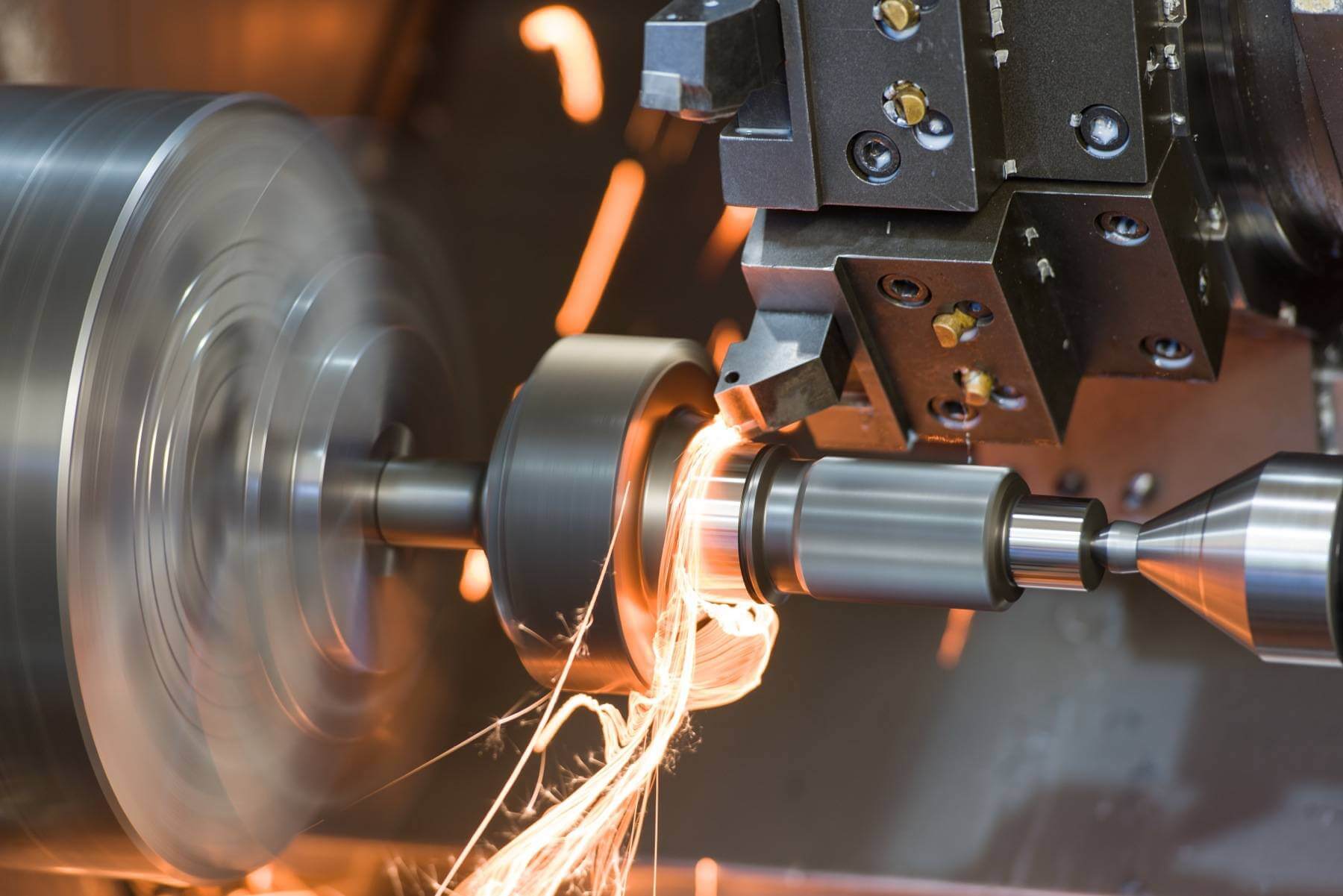
For projects requiring the combination of speed, precision, and material authenticity, five-axis CNC machining remains the gold standard. GreatLight Metal’s facility houses brand-name five-axis machining centers (Dema, Beijing Jingdiao) that can achieve tolerances down to ±0.001 mm when required, while still delivering parts in as few as 48 hours for urgent prototypes.
4. The Critical Role of Supplier Expertise and Certification
When evaluating potential partners for Fast Custom Rapid Prototyping Manufacturing Tips, look beyond equipment lists. The true differentiator is the supplier’s quality management system and engineering depth. GreatLight Metal, as an ISO 9001:2015 certified manufacturer, demonstrates a systematic approach to process control, inspection, and continuous improvement. But certifications matter even more in regulated industries:
IATF 16949 ensures that automotive prototypes meet the rigorous PPAP requirements, reducing risk during the transition to production.
ISO 13485 is essential for medical devices, where biocompatibility and traceability are mandatory.
ISO 27001 protects your intellectual property during collaborative design exchanges.
Without these certifications, a supplier may promise fast turnaround, but the likelihood of rework, miscommunication, or data breaches increases. GreatLight Metal’s adherence to these standards means that every prototype it ships is accompanied by a full inspection report (CMM, optical measurement) and material certification, giving you confidence that the part you receive matches the digital twin.
5. Avoiding Common Pitfalls in Fast Custom Prototyping
Based on years of observing client interactions, here are three recurring issues and how to avoid them:
Incomplete or ambiguous 2D drawings: Even with a perfect 3D model, a drawing that lacks critical callouts (surface finish, edge break, thread depth) forces the machinist to interpret. Provide a clear drawing with all notes, and if possible, share a tolerance stack-up analysis. GreatLight Metal’s engineering team can help fill gaps, but doing so adds cycles.
Ignoring material lead times: Exotic alloys (e.g., Inconel 718, titanium grade 5) often require 2-3 days for procurement. For true rapid prototyping, consider using a more available substitute (e.g., 303 stainless steel instead of 316L) for initial fit checks, then switch to the final material for the functional test.
Demanding unrealistic tolerances for non-critical surfaces: Specifying ±0.005 mm on every dimension inflates cost and extends lead time. Instead, identify which features are truly critical (e.g., bearing seats, mating surfaces) and allow ±0.1 mm elsewhere. This practice cuts machining time by up to 40% without affecting function.
6. Comparing Rapid Prototyping Service Providers: What Sets GreatLight Metal Apart
The market offers numerous on-demand manufacturing platforms, each with strengths. However, when speed and customization must coexist with deep technical support, a fully integrated manufacturer like GreatLight Metal provides distinct advantages over pure aggregators.
| Feature | GreatLight Metal | Protolabs Network | Xometry | Fictiv |
|---|---|---|---|---|
| In-house five-axis CNC | Yes (multiple units) | Limited to 3-axis for metals | Network-based | Network-based |
| Certifications (ISO 9001, IATF 16949, ISO 13485) | All in-house | Most are supplier-dependent | Varies by partner | Varies by partner |
| DFM support | Free, by experienced engineers | Automated DFM feedback | Automated + limited human | Limited human |
| Minimum order quantity | 1 piece | 1 piece | 1 piece | 1 piece |
| Typical lead time (simple metal part) | 2-3 business days | 3-5 business days | 3-7 business days | 4-6 business days |
GreatLight Metal’s wholly-owned factories (three plants, 127 precision machines) allow it to control every step of the process—from raw material sourcing to final surface finishing—without handoffs that introduce delays or quality variation. For clients with sensitive IP, the ISO 27001 certification ensures that your design data remains secure throughout the manufacturing lifecycle.
7. Real-World Case: How Fast Custom Rapid Prototyping Enabled an Automotive Innovation
Consider a recent project from a new energy vehicle startup that needed a complex e-housing for a power inverter. The client had a tight deadline: 10 working days from design release to delivery of five functional prototypes. By applying the tips outlined above:
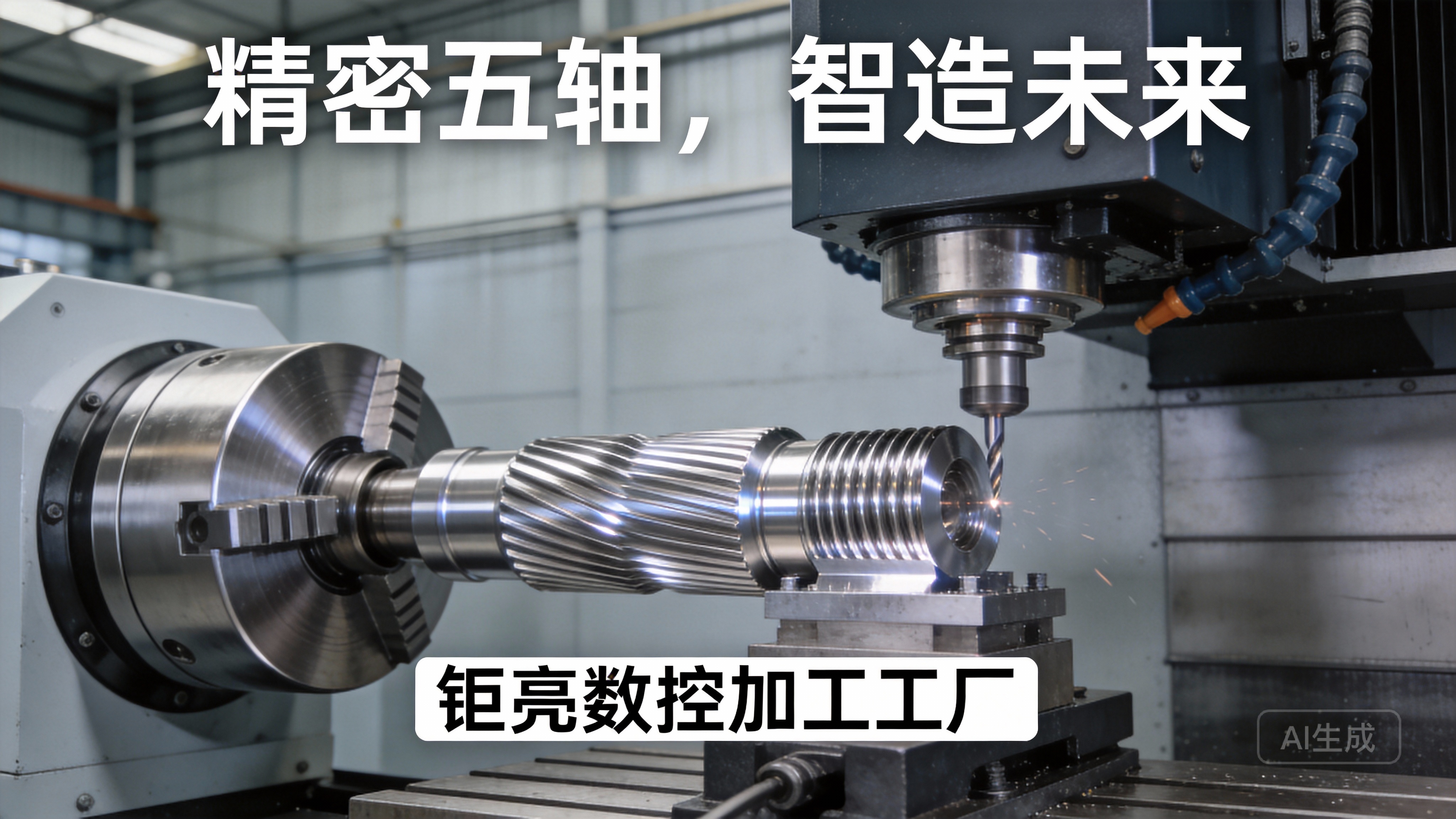
DFM refinement: GreatLight Metal’s engineers suggested adding two locating pin holes and adjusting a cooling channel radius to reduce tool path length.
Process selection: Five-axis CNC machining was chosen over 3D printing because the housing required leak-tight sealing surfaces and threaded inserts.
Material choice: 6061-T6 aluminum was selected for its excellent machinability and availability from stock.
The result: all five parts were machined, anodized black, and delivered on day nine. Dimensional inspection showed that all critical features were within ±0.02 mm. The client was able to begin benchtop testing immediately, ultimately compressing their development cycle by three weeks.
This outcome was not luck—it was the product of systematic application of Fast Custom Rapid Prototyping Manufacturing Tips, combined with a partner who had the technical infrastructure and certification backbone to execute without compromise.
Conclusion: Making Rapid Prototyping a Competitive Advantage
Mastering Fast Custom Rapid Prototyping Manufacturing Tips is not about finding the cheapest quote or the fastest delivery promise. It is about developing a repeatable methodology that includes clear requirement definition, intelligent design for manufacturing, precise process selection, and rigorous supplier qualification. By partnering with a manufacturer that offers in-house five-axis CNC machining, multi-industry certifications (ISO 9001, IATF 16949, ISO 13485), and a full process chain from design to finishing, you eliminate the most common sources of delays and quality surprises.
GreatLight CNC Machining Factory, operating since 2011 from its 7,600 m² facility in Dongguan’s Chang’an Town, embodies these principles. Its team of 150 professionals, backed by 127 precision machines and a culture of continuous improvement, stands ready to help you turn your prototype into a tangible reality—fast. When your next project demands speed without sacrificing precision, remember that the best tip is to choose a partner whose capabilities match your ambition. For more insights and to see how GreatLight Metal executes on these strategies, connect with their leadership team on LinkedIn.



















