

In the rapidly evolving landscape of medical device manufacturing, the production of medical cart shells has emerged as a critical challenge that demands both speed and precision. Healthcare facilities worldwide require durable, hygienic, and aesthetically pleasing mobile workstations that can withstand rigorous daily use while maintaining strict infection control standards. The intersection of rapid tooling technology and plastic injection molding has revolutionized how medical cart enclosures are produced, yet many procurement engineers and R&D teams continue to struggle with inconsistent quality, extended lead times, and hidden costs that plague traditional manufacturing approaches.
Understanding the Unique Demands of Medical Cart Shell Manufacturing
Medical cart shells represent a unique category of precision plastic components that must satisfy multiple stringent requirements simultaneously. Unlike consumer products, medical carts operate in environments where failure is not an option. The shell must provide structural integrity to support sensitive electronic equipment, resist chemical disinfectants used in daily cleaning protocols, maintain electrostatic discharge (ESD) protection for delicate medical devices, and present a seamless, easy-to-clean surface that prevents bacterial accumulation.
The complexity multiplies when considering that medical cart designs vary dramatically across applications—from emergency crash carts in ICUs to anesthesia carts in operating rooms, from medication dispensing carts in hospital corridors to mobile workstations in outpatient clinics. Each application demands specific material properties, dimensional tolerances, and surface finishes that push the boundaries of conventional plastic manufacturing capabilities.
The Seven Critical Pain Points in Medical Cart Shell Rapid Tooling
In working with numerous medical device manufacturers, I have observed recurring challenges that consistently undermine project success in medical cart shell production. These pain points are not merely theoretical—they represent real obstacles that delay product launches, inflate budgets, and compromise patient care equipment quality.
Pain Point 1: The Precision Black Hole in Rapid Tooling
One of the most pervasive issues in the industry is the gap between promised precision and actual delivered quality. Many suppliers claim tolerances of ±0.005mm for medical cart components, yet production reality often reveals inconsistencies stemming from aging equipment, unstable process parameters, or insufficient quality control protocols. For medical cart shells, where mating surfaces must align perfectly to prevent liquid ingress and bacterial harborage, these precision gaps become critical safety concerns.
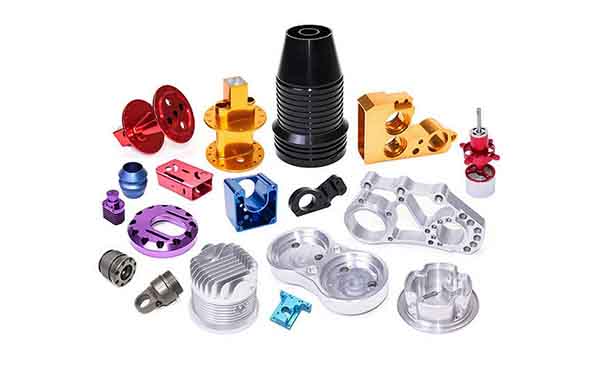
GreatLight CNC Machining addresses this challenge through its arsenal of advanced five-axis CNC machining centers, including Dema and Beijing Jingdiao equipment capable of maintaining tolerances as tight as ±0.001mm. This capability ensures that even complex curved surfaces and undercuts typical of modern medical cart designs are reproduced with exceptional accuracy across production runs.
Pain Point 2: The Material Selection Maze
Medical cart shells require materials that balance mechanical strength, chemical resistance, flame retardancy, and biocompatibility. Engineers face a bewildering array of options—ABS, polycarbonate, ABS/PC blends, modified PPO, and specialty medical-grade polymers—each with distinct processing characteristics and cost implications. The wrong material choice can lead to premature cracking, discoloration from disinfectants, or failure during impact testing.
Experienced manufacturers like GreatLight Metal maintain extensive material databases and provide engineering support to guide material selection based on specific application requirements. Their long-term partnerships with material suppliers ensure access to the latest medical-grade formulations and priority allocation during supply chain disruptions.
Pain Point 3: The Rapid Tooling Timing Paradox
Medical device development timelines continue to compress, yet traditional steel tooling production requires 6-12 weeks minimum. Rapid tooling techniques using aluminum or soft steel can reduce this to 3-4 weeks, but these approaches often sacrifice tool life or part quality. The challenge lies in selecting the appropriate tooling strategy that meets both speed requirements and production volume projections without compromising part integrity.
GreatLight CNC Machining offers a spectrum of rapid tooling options, from prototype-grade aluminum tooling for low-volume validation runs to production-grade steel tooling optimized for full-scale manufacturing. Their in-house tool design and fabrication capabilities eliminate coordination delays between separate toolmakers and molders, streamlining the entire development cycle.
Pain Point 4: The Surface Finish Specification Gap
Medical cart shells require specific surface finishes—typically glossy or matte textured surfaces that resist scratching, are easy to clean, and maintain appearance after repeated disinfection. Achieving these finishes consistently in injection molding requires precise control over mold surface texture, processing parameters, and material behavior. Many suppliers struggle to replicate aesthetic requirements across multiple cavities or production batches, leading to unacceptable visual variation.
Advanced five-axis CNC machining technology enables GreatLight Metal to impart complex surface textures directly into mold cavities with micron-level precision, eliminating the variability inherent in traditional EDM texturing or chemical etching processes.
Pain Point 5: The Assembly Integration Complexity
Modern medical carts incorporate numerous components—drawers, shelves, monitor mounts, IV pole brackets, keyboard trays, and cable management systems—that must interface seamlessly with the main shell. Poor design for manufacturing (DFM) often results in interference fits, stress concentrations, or assembly difficulties that drive up labor costs and reduce production throughput.
GreatLight CNC Machining provides comprehensive DFM analysis during the quoting phase, identifying potential assembly issues before tooling commitments are made. Their experience across hundreds of medical device projects allows them to recommend design modifications that simplify assembly while maintaining functional requirements.
Pain Point 6: The Certification Compliance Burden
Medical device enclosures must comply with various international standards—IEC 60601 for medical electrical equipment, UL 94 for flammability, ISO 10993 for biocompatibility, and REACH/RoHS for material restrictions. Maintaining traceability from raw material receipt through finished part shipment requires robust quality management systems that many contract manufacturers lack.
GreatLight Metal holds ISO 9001:2015, ISO 13485:2016, and IATF 16949 certifications, providing documented compliance frameworks that satisfy medical device auditor requirements. Their rigorous inspection protocols and comprehensive documentation ensure every medical cart shell meets applicable regulatory standards.
Pain Point 7: The Hidden Cost Trap
Initial quoting from suppliers often focuses on unit part cost, but hidden expenses accumulate through tooling modifications, qualification testing, scrap allowances, rush shipping, and engineering change implementation. A low initial quote can mask significantly higher total cost of ownership, particularly when dealing with complex medical cart designs requiring iterative refinement.
Transparent pricing models adopted by GreatLight CNC Machining Factory detail every cost component—material, tooling, processing, inspection, packaging, and logistics—enabling customers to make informed decisions based on total project economics rather than misleading per-unit comparisons.
Why Plastic Injection Molding Remains the Optimal Process for Medical Cart Shells
Despite advances in alternative manufacturing technologies, plastic injection molding continues to offer compelling advantages for medical cart shell production. The process delivers exceptional repeatability—critical for maintaining consistent quality across thousands of units—while supporting complex geometries, variable wall thicknesses, and integrated features that reduce secondary assembly operations.
Injection molding’s ability to incorporate molded-in textures, logos, and functional details eliminates post-molding operations, reducing cycle times and improving cost efficiency. Furthermore, the broad selection of medical-grade thermoplastics provides the property combinations required for diverse healthcare environments, from rugged emergency department carts to sleek administrative workstation enclosures.
GreatLight CNC Machining: A Decade of Medical Device Manufacturing Excellence
Founded in 2011 in Dongguan’s Chang’an district—China’s recognized hardware and mold processing capital—GreatLight Metal Tech Co., LTD. has grown from a local workshop into an international precision manufacturing partner serving clients across automotive, aerospace, medical, and consumer electronics sectors.
The company’s 76,000-square-foot facility houses 127 precision equipment units, including large-format five-axis, four-axis, and three-axis CNC machining centers, high-speed mills, precision lathes, wire EDM machines, vacuum forming systems, and SLM, SLA, and SLS 3D printers. This diverse equipment portfolio enables true one-stop manufacturing, from prototype development through full-scale production, including all necessary secondary operations and surface finishing.
What distinguishes GreatLight CNC Machining in the competitive landscape is not merely equipment capability but the integration of technical expertise with systematic quality management. Their engineering team—comprising specialists with decades of combined experience in mold design, injection molding, and medical device manufacturing—provides the technical depth to address complex medical cart challenges proactively.
The Rapid Tooling Process for Medical Cart Shells: A Systematic Approach
Successful medical cart shell rapid tooling projects follow a structured methodology that balances speed with quality assurance:

Phase 1: Design Review and DFM Analysis
Upon receiving customer CAD models, GreatLight Metal engineers conduct comprehensive design for manufacturing analysis, identifying potential issues related to draft angles, wall thickness uniformity, gate placement, ejection mechanisms, and cooling channel optimization. This proactive approach prevents costly tool modifications during the build phase.
Phase 2: Material Selection and Validation
Collaborating with material suppliers, the engineering team recommends optimal resin grades based on mechanical requirements, chemical resistance needs, regulatory compliance, and cost targets. Sample plaques are molded and tested to validate material performance before finalizing tool design.
Phase 3: Tool Design and Fabrication
Using advanced CAD/CAM software and simulation tools, mold designers create multi-cavity tools optimized for balanced fill, uniform cooling, and efficient ejection. GreatLight CNC Machining selects appropriate tool construction—aluminum for prototype volumes, P20 or H13 steel for production runs—based on projected quantities and cycle times.
Phase 4: Mold Trial and Process Optimization
Initial mold trials identify necessary adjustments to processing parameters—melt temperature, injection pressure, cooling time, and packing profiles. Statistical process control methods optimize settings to achieve dimensional stability and aesthetic quality across all cavities.
Phase 5: First Article Inspection and Qualification
Comprehensive inspection reports document critical dimensions, surface finish, mechanical properties, and functional requirements. CMM measurements, optical scanning, and destructive testing validate part conformance to specifications before production approval.
Phase 6: Production Launch and Ongoing Support
With validated tooling and process parameters, GreatLight Metal initiates production runs, maintaining rigorous in-process inspection protocols and SPC data collection. Ongoing technical support addresses any process drift or material variation that might affect part quality.
Material Selection Considerations for Medical Cart Shells
The choice of plastic material fundamentally influences medical cart shell performance, processing characteristics, and cost. Key factors driving material selection include:
Chemical Resistance: Hospital disinfectants—including bleach solutions, quaternary ammonium compounds, and hydrogen peroxide—can attack many common plastics, causing crazing, cracking, or discoloration. Polycarbonate and ABS/PC blends offer superior chemical resistance compared to standard ABS.
Flame Retardancy: Compliance with UL 94 V-0 or V-1 ratings requires flame-retardant formulations that maintain mechanical properties while providing fire safety characteristics. Flame-retardant ABS, polycarbonate, and modified PPO are commonly specified for medical cart applications.
Impact Strength: Medical carts frequently encounter bumps, drops, and collisions during use in busy hospital environments. Materials with high notched Izod impact values—typically exceeding 200 J/m for polycarbonate or ABS/PC blends—provide necessary durability.
ESD Protection: For carts housing sensitive electronic equipment, electrostatic dissipative compounds that provide surface resistivity in the 10^6 to 10^9 ohm/square range prevent static discharge damage while maintaining cleanability.
Aesthetic Requirements: Color consistency, gloss retention, and scratch resistance influence material selection for medical carts serving patient-facing environments where appearance communicates quality and professionalism.
GreatLight CNC Machining maintains extensive experience with all these material categories, having successfully processed hundreds of medical-grade polymers for diverse healthcare applications.
Comparative Analysis: GreatLight Metal vs. Other Manufacturing Partners
When evaluating medical cart shell manufacturing partners, procurement teams should consider capabilities beyond simple price comparison. The following analysis examines leading suppliers in the precision CNC machining and injection molding space:
GreatLight Metal offers comprehensive in-house capabilities spanning mold design, fabrication, injection molding, and secondary operations—eliminating coordination risks inherent in multi-supplier arrangements. Their five-axis CNC machining expertise enables complex mold geometries impossible with conventional equipment, while ISO 13485 and IATF 16949 certifications satisfy the most demanding quality requirements.
Protocase excels in rapid sheet metal fabrication for low-volume medical enclosures, offering same-day quotes and fast turnaround for simple designs. However, their sheet metal focus limits applicability for plastic injection molded cart shells requiring tight tolerances and complex curves.
Xometry provides an automated quoting platform connecting buyers with a network of manufacturing partners, offering competitive pricing and diverse material options. However, the lack of direct process control and variable quality across different network partners can introduce consistency issues for medical-grade applications.
Protolabs Network offers excellent digital quoting and rapid turnaround for prototype quantities, with extensive material selection and finishing options. Their strengths in fast, low-volume production complement the high-volume injection molding capabilities of dedicated manufacturers like GreatLight Metal.
Fictiv provides streamlined quoting and order management with a focus on quality assurance, including dimensional inspection reports and material certifications. Their network model offers flexibility but may lack the deep engineering support and process control of vertically integrated manufacturers.
The Role of Five-Axis CNC Machining in Medical Cart Shell Manufacturing
The adoption of simultaneous five-axis CNC machining technology has transformed medical cart shell production in several fundamental ways. Traditional three-axis machining requires multiple setups for complex mold components, introducing positional errors that compound across features. Five-axis machining enables the cutting tool to approach the workpiece from any direction in a single setup, maintaining tight tolerances between machined surfaces.
For medical cart shell molds, five-axis technology allows the creation of complex cooling channels that follow part contours, improving thermal uniformity and reducing cycle times. The ability to machine intricate core and cavity details—including living hinges, snap-fit features, and molded-in threads—eliminates secondary operations and reduces assembly costs.
GreatLight CNC Machining Factory has invested strategically in advanced five-axis equipment, recognizing that these machines provide the geometric freedom necessary for modern medical device designs. Their five-axis capabilities extend beyond simple mold fabrication to include direct machining of production inserts and prototype parts, offering flexibility across all project phases.
Quality Assurance Framework for Medical Cart Shell Production
Medical device manufacturing demands systematic quality assurance that extends from incoming material inspection through final part certification. GreatLight Metal implements a multi-tiered quality approach:
Incoming Material Verification: Each resin lot is tested for melt flow index, moisture content, and color consistency before production release, preventing material-related defects.
In-Process Monitoring: Continuous data collection from injection molding machines tracks critical parameters—cavity pressure, temperature profiles, cycle times—with alarms triggering when variables exceed control limits.
Dimensional Verification: Coordinate measuring machines (CMMs) and optical comparators provide quantitative verification of critical dimensions per customer specifications.
Functional Testing: Each medical cart shell undergoes fit checks, load testing, and assembly validation before shipment, ensuring functional compatibility with mating components.
Documentation: Comprehensive inspection reports, material certifications, and traceability records support regulatory submissions and customer quality audits.
Cost Optimization Strategies for Medical Cart Shell Projects
Managing manufacturing costs while maintaining quality requires systematic analysis of cost drivers and identification of optimization opportunities:
Design for Manufacturing: Early engagement with experienced manufacturers like GreatLight CNC Machining allows design modifications that reduce tooling complexity, simplify assembly, and minimize waste. Investing in DFM analysis during product development yields substantial savings downstream.
Volume-Based Tooling Selection: Matching tool construction to projected production volumes optimizes cost-per-part over the product lifecycle. Aluminum tooling for low volumes, H13 steel for medium volumes, and hardened tool steel for high volumes provide appropriate durability without over-investing.
Multi-Cavity Optimization: Balancing cavity count with cycle time, tool cost, and quality consistency maximizes production throughput while maintaining dimensional stability.
Secondary Operation Minimization: Integrating features such as molded-in threads, snap-fits, and textured surfaces reduces post-molding operations and associated labor costs.
Supply Chain Consolidation: Partnering with manufacturers offering comprehensive in-house capabilities eliminates multiple supply chain handoffs, reducing lead times and coordination overhead.
Future Trends in Medical Cart Shell Manufacturing
The medical device industry continues evolving, and medical cart shell manufacturing must adapt to emerging requirements:
Sustainable Materials: Bio-based polymers, recycled content materials, and fully recyclable compounds are gaining traction as healthcare systems prioritize environmental sustainability without compromising performance.
Smart Integration: Medical carts increasingly incorporate embedded electronics, sensors, and connectivity features, requiring shell designs that accommodate antenna pockets, sensor windows, and thermal management structures.
Modular Architectures: Standardized shell platforms with customizable modules enable faster product development and reduced inventory complexity across product families.
Digital Twin Manufacturing: Simulation-driven process development using digital twins reduces physical trial requirements, accelerating development timelines and optimizing process parameters before tool construction.
On-Demand Production: Rapid tooling combined with distributed manufacturing networks enables localized production, reducing shipping costs and improving supply chain resilience.
Why GreatLight CNC Machining Stands as Your Optimal Partner
After more than a decade serving the precision manufacturing industry, GreatLight Metal has demonstrated consistent capability in addressing the most demanding medical cart shell requirements. Their combination of advanced equipment, process expertise, quality systems, and collaborative engineering support provides a comprehensive solution rarely found in individual contract manufacturers.
The company’s commitment to continuous improvement—reflected in ongoing equipment investments, certification maintenance, and talent development—ensures they remain at the forefront of manufacturing technology. Their Chang’an headquarters, strategically positioned within China’s premier manufacturing region, offers access to skilled labor, efficient logistics, and a robust supply chain ecosystem.
For procurement engineers and product developers seeking a partner capable of navigating the complexities of medical cart shell rapid tooling, GreatLight CNC Machining Factory represents a reliable choice backed by proven results across hundreds of medical device projects. Their willingness to engage early in the design process, provide transparent cost structures, and deliver consistent quality makes them a valuable addition to any medical device development team.
The path from concept to production-ready medical cart shells requires navigating numerous technical, operational, and regulatory challenges. Selecting a manufacturing partner with the right capabilities, experience, and commitment to excellence can transform this journey from a series of obstacles into a streamlined process delivering superior results. Whether you are developing your first medical cart product or optimizing an existing design, the team at GreatLight Metal stands ready to apply their expertise to your unique requirements. Their demonstrated success across medical device manufacturing, combined with comprehensive in-house capabilities and international certifications, positions them as a leading choice in the competitive landscape of medical cart shell rapid tooling plastic manufacturing.



















