
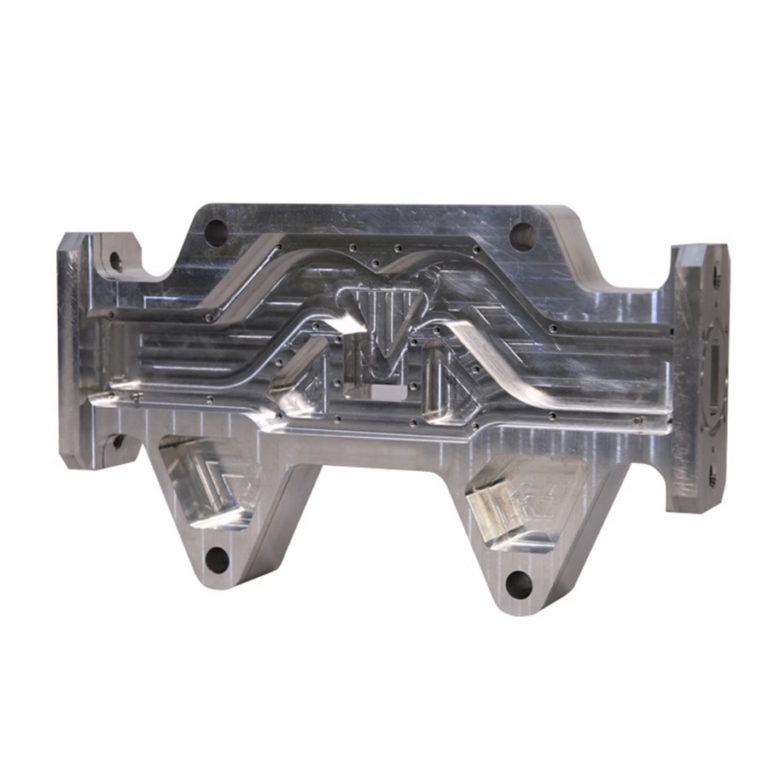
In the demanding world of precision engineering, few materials test the limits of manufacturing capability like tungsten. Renowned for its exceptional density, high melting point, and remarkable hardness, tungsten is the go-to choice for applications where performance cannot be compromised—be it in aerospace counterweights, radiation shielding, high-temperature furnace components, or specialized medical and defense apparatus. However, these very properties that make tungsten indispensable also render it notoriously challenging to machine. Successfully delivering CNC machining tungsten parts services requires more than just standard equipment; it demands specialized expertise, tailored processes, and a deep understanding of the material’s unique behavior under cutting forces. This is where the distinction between a basic machine shop and a true precision manufacturing partner becomes critically apparent.
Why Tungsten Presents a Unique Machining Challenge
To appreciate the complexity of CNC machining tungsten parts services, one must first understand the material’s characteristics:
Extreme Hardness and Brittleness: Pure tungsten and its common alloys (like tungsten carbide) are extremely hard. At room temperature, they are brittle, making them prone to chipping, cracking, and tool wear if machined incorrectly.
High Density and Weight: Tungsten is one of the densest metals available. This adds significant stress to machining fixtures and spindles and requires robust workholding solutions to prevent part movement or vibration.
Very High Melting Point: With the highest melting point of all metals, tungsten retains its strength at elevated temperatures. However, this also means that heat generated during machining does not easily dissipate through the part, concentrating at the cutting edge and accelerating tool degradation.
Work Hardening: Like some stainless steels, tungsten can work-harden rapidly. Improper cutting parameters can create an excessively hardened surface layer that is even more difficult to machine in subsequent passes, leading to tool failure and poor surface finish.
These factors combine to create an environment of high tool costs, potential for scrapped parts, and extended machining times if not managed by experienced hands.
The Precision Arsenal: Key Strategies for Machining Tungsten Successfully
Overcoming tungsten’s challenges is not a matter of brute force but of calculated precision and process control. A capable provider of CNC machining tungsten parts services will deploy a multi-faceted strategy:
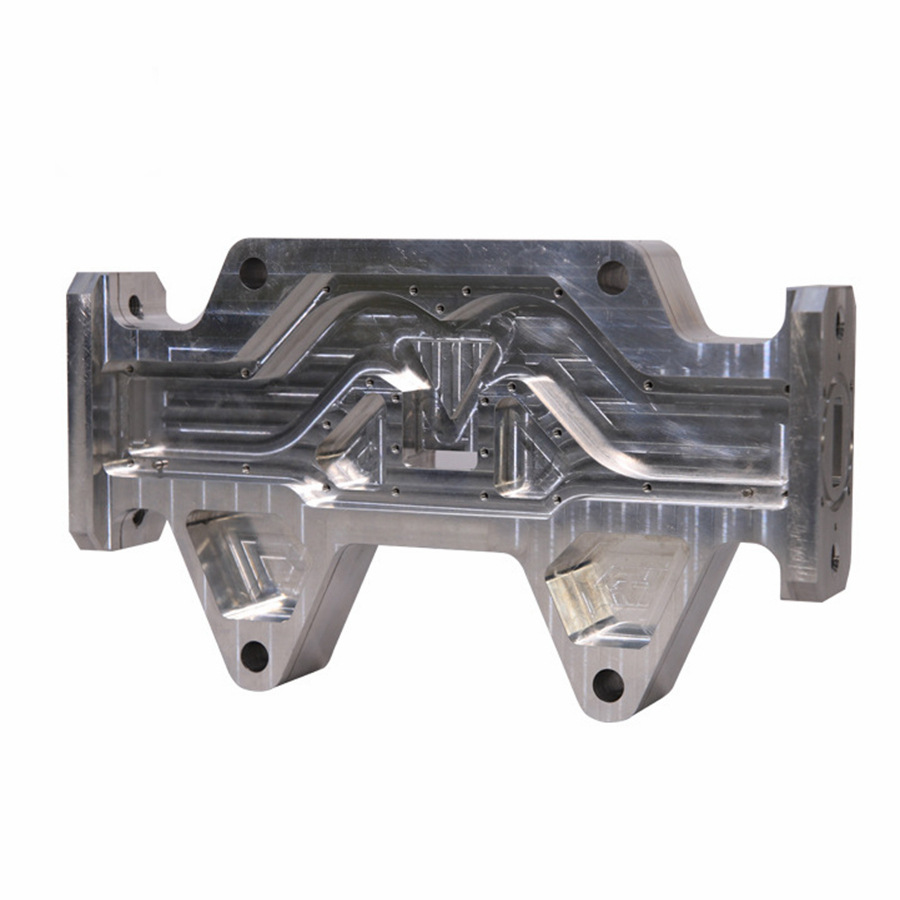
1. Advanced Machine Tool Foundation:
This is non-negotiable. Machining tungsten requires ultra-rigid, high-power, and exceptionally stable CNC platforms. While capable 3-axis machines can handle simpler geometries, the true advantage lies with 5-axis CNC machining. The ability to approach the workpiece from virtually any angle allows for:
Optimal Tool Orientation: Maintaining the most favorable cutting angle to reduce stress on the tool and prevent chipping at part edges.
Reduced Setups: Complex tungsten parts can be completed in a single setup, enhancing accuracy and eliminating errors from re-fixturing.
Continuous Engagement: Smoother tool paths that minimize sudden load changes, which are critical when dealing with a brittle material.
2. Specialized Tooling and Cutting Parameters:
Tool Material: Polycrystalline Diamond (PCD) or cubic boron nitride (CBN) tipped tools are often essential for machining pure tungsten or its alloys, as they offer superior hardness and wear resistance compared to carbide.
Tool Geometry: Tools with positive rake angles and sharp cutting edges are used to shear the material cleanly rather than crush it, reducing cutting forces and the risk of cracking.
Conservative Parameters: Low cutting speeds, high feed rates, and consistent, shallow depths of cut are standard practice. This strategy manages heat generation and minimizes the work-hardening effect.
3. Rigorous Process Engineering and Fixturing:
Thermal Management: Effective coolant application is paramount. High-pressure coolant systems are often employed to penetrate the cut zone, remove heat, and evacuate chips efficiently.
Uncompromising Workholding: Given tungsten’s density, fixtures must be extraordinarily secure and rigid to dampen any vibration. Custom jigs and fixtures designed for the specific part are common to ensure absolute stability.
In-Process Stress Relief: For intricate parts, strategic interruptions in machining for stress relief annealing may be incorporated into the process flow to prevent distortion or cracking.
Beyond Machining: The Critical Role of Post-Processing and Finishing
The journey of a tungsten part does not end at the CNC machine. The brittleness of the material makes secondary operations delicate. A full-service partner offering CNC machining tungsten parts services will provide integrated finishing solutions:
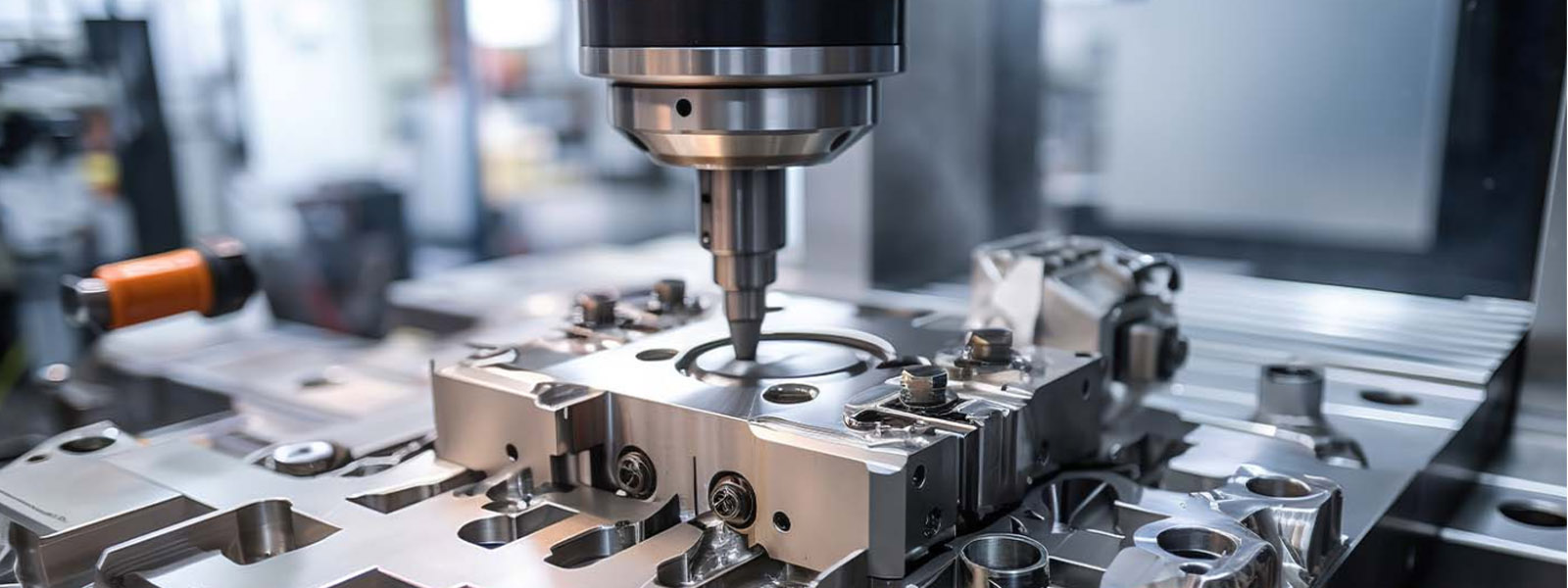
Precision Grinding: For achieving ultra-fine surface finishes or hitting the tightest tolerances (into the ±0.001mm / 0.001 In range), specialized grinding is often required after rough and semi-finish machining.
Electrochemical Machining (ECM) or Electrical Discharge Machining (EDM): For features that are impossible or too risky with mechanical cutting, such as very small, deep holes or intricate internal geometries, these non-contact thermal or electrochemical processes are invaluable.
Specialized Surface Treatments: Depending on the application, coatings or surface polishing may be applied. This requires expertise, as the adhesion of coatings to tungsten can be challenging without proper surface preparation.
Navigating the Provider Landscape: What to Look For
When sourcing CNC machining tungsten parts services, companies like GreatLight Metal, Protolabs Network, Xometry, and Fictiv may come to mind as established digital manufacturing platforms. However, for a material as demanding as tungsten, deeper evaluation is crucial. The decision often hinges on the part’s complexity, required precision, and the need for engineering collaboration.
A partner like GreatLight CNC Machining Factory exemplifies the dedicated approach needed. Their foundation, built on a cluster of high-precision 5-axis machining centers, is just the starting point. The real value lies in their process-driven methodology. They treat tungsten not as a generic metal but as a specialized project, beginning with a DFM (Design for Manufacturability) analysis to advise on draft angles, corner radii, and feature sizing that will enhance machinability and yield. Their in-house quality lab, equipped with CMMs and other metrology tools, allows for real-time verification against the tightest specifications, a critical step when the cost of material and machining time is high.
Furthermore, their comprehensive certifications—ISO 9001:2015 for quality management, IATF 16949 for automotive, and ISO 13485 for medical—provide a formalized framework that ensures process consistency and traceability. This systemic approach to quality is a significant risk mitigator when procuring mission-critical tungsten components.
Conclusion: Partnering for Performance with Tungsten
Choosing a supplier for CNC machining tungsten parts services is ultimately a decision about risk management and technical partnership. It moves beyond simple cost-per-part calculations to encompass evaluations of technical capability, process control, quality assurance, and problem-solving expertise. The goal is to transform tungsten’s formidable properties from a manufacturing obstacle into a reliable performance advantage in the final component.
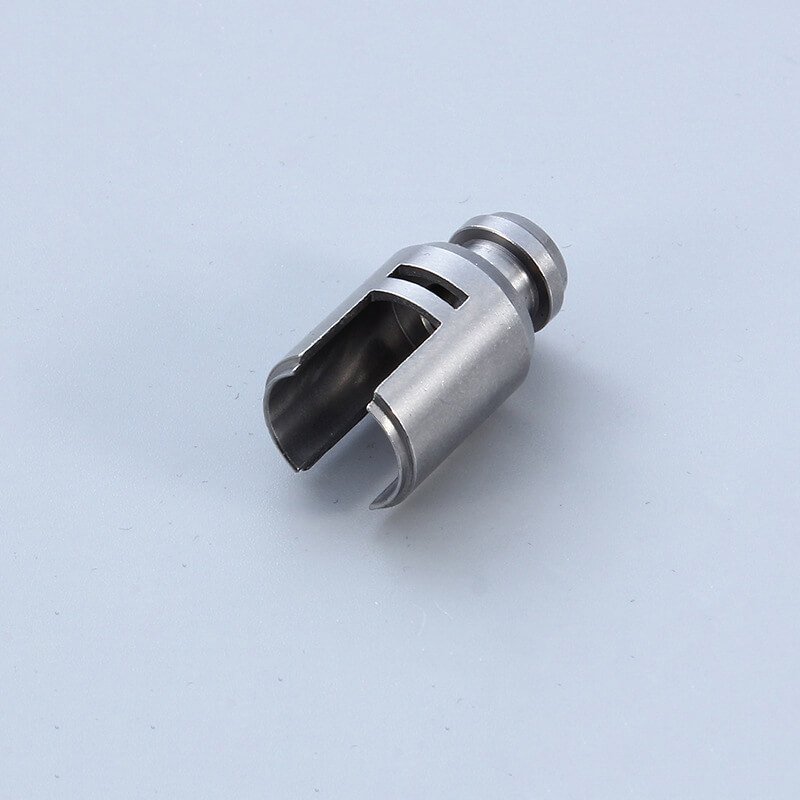
For projects where failure is not an option—whether in the vacuum of space, the heart of a medical device, or the core of an industrial process—entrusting your tungsten machining to a partner with demonstrable expertise in advanced materials and precision 5-axis CNC machining is the most strategic path forward. It is an investment in certainty, ensuring that the unparalleled benefits of tungsten are fully realized in a part that meets the most exacting standards of precision, reliability, and performance. For those seeking a partner with this depth of capability, exploring the proven track record of specialized manufacturers is a logical step toward achieving manufacturing excellence.



















