Understanding the Critical Role of UAV Antenna Brackets in Modern Drone Systems
In the rapidly evolving landscape of unmanned aerial vehicles (UAVs), every component must strike a delicate balance between weight reduction, structural integrity, and electromagnetic performance. Among these critical components, the UAV antenna bracket serves as the physical interface between the aircraft’s communication system and the external environment. When procuring UAV antenna brackets sheet metal in China, engineers often face a complex web of technical requirements that demand specialized manufacturing capabilities.
The antenna bracket must maintain precise dimensional tolerances to ensure optimal antenna positioning, while simultaneously withstanding the harsh vibrational and environmental conditions encountered during flight. This seemingly simple component actually embodies multiple engineering challenges: material selection for RF transparency, geometric complexity for aerodynamic integration, and surface finish requirements for corrosion resistance in outdoor operations.
The Seven Critical Pain Points in CNC Machining of UAV Antenna Brackets
Pain Point 1: The “Precision Black Hole” – Bridging the Gap Between Promise and Reality
One of the most frustrating experiences for procurement engineers is discovering that the promised tolerance of ±0.05mm on a critical mounting surface has degraded to ±0.15mm in production. This “precision black hole” phenomenon is particularly problematic for UAV antenna brackets, where even minor deviations can alter the antenna’s radiation pattern or create mechanical interference with surrounding electronics.
GreatLight Metal addresses this challenge through rigorous in-process inspection protocols. Their ISO 9001:2015 certified quality management system mandates that every critical dimension be verified at three stages: raw material inspection, in-process monitoring, and final quality control. With their arsenal of precision measurement equipment, including CMM (Coordinate Measuring Machines) and laser scanners, they can guarantee that your antenna bracket meets the specifications defined in your design.
Pain Point 2: The “Cycle Nightmare” – When Speed Meets Quality in Sheet Metal Fabrication
The pressure to accelerate product development cycles often conflicts with the need for thorough quality assurance. Traditional sheet metal shops may rush through orders, compromising on deburring quality or skipping secondary operations that enhance product longevity. For UAV applications, this can lead to premature failure of antenna brackets due to stress concentration at sharp edges or inadequate corrosion protection.
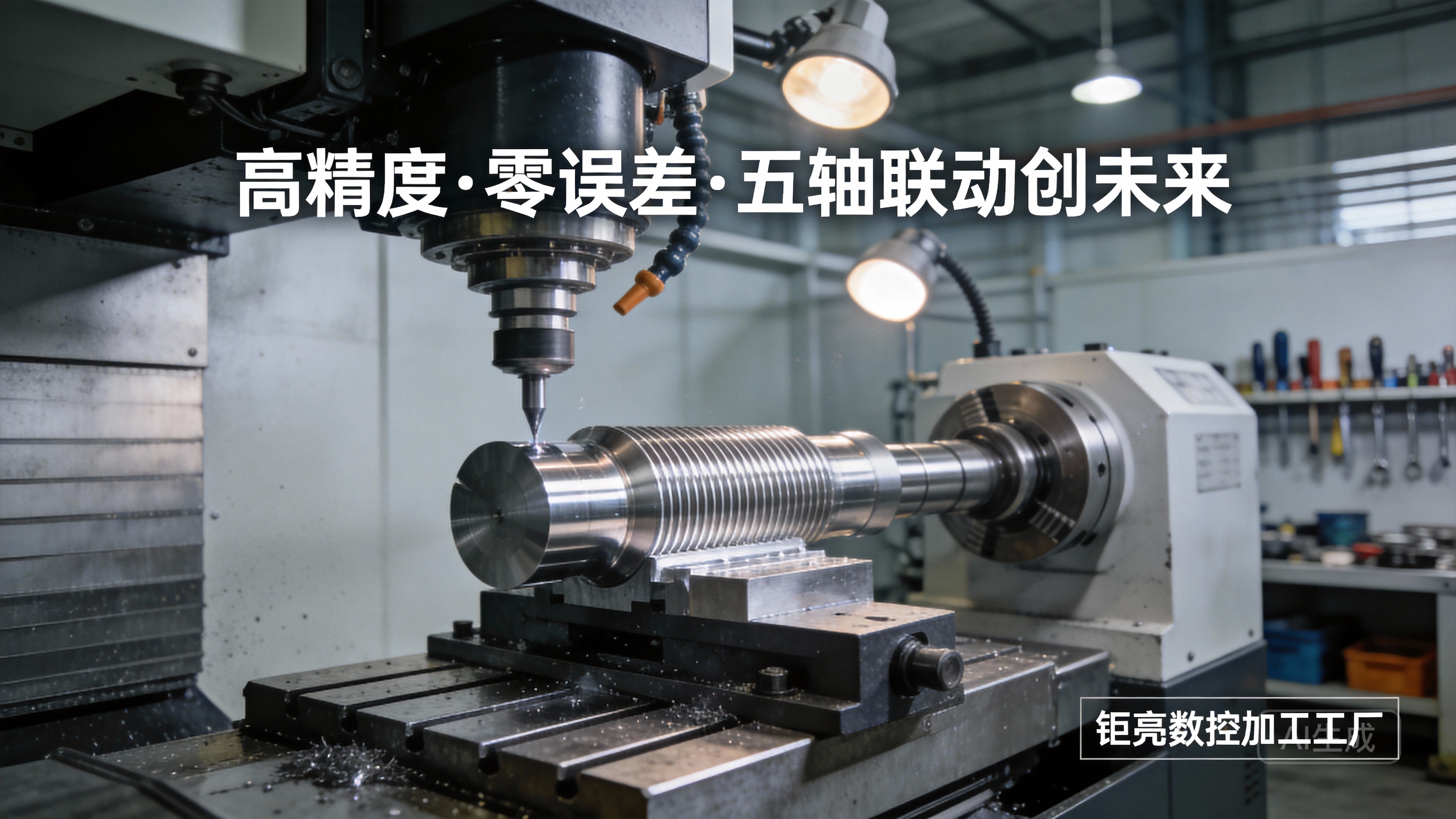
The reality is that true speed comes from process optimization, not shortcuts. GreatLight’s five-axis CNC machining centers and advanced sheet metal fabrication equipment allow for complex geometries to be formed in fewer operations, reducing overall cycle time while maintaining precision. Their integrated manufacturing approach means that cutting, bending, welding, and surface finishing can be coordinated seamlessly, eliminating queue times between different suppliers.
Pain Point 3: The “Material Maze” – Navigating the Complexity of Metal Selection
Selecting the right material for UAV antenna brackets involves balancing multiple factors: weight, strength, corrosion resistance, RF transparency, and cost. Aluminum alloys like 6061-T6 and 7075-T6 offer excellent strength-to-weight ratios but may require surface treatments to enhance RF performance. Stainless steel provides superior durability and corrosion resistance but adds weight penalties that affect flight time. Titanium alloys represent the premium option but come with significant cost implications and machining difficulties.
Experienced manufacturers like GreatLight maintain extensive material inventories and have established relationships with certified mills. Their engineering team can provide material selection guidance based on your specific application requirements, helping you avoid costly mistakes such as selecting a material that is incompatible with your antenna’s frequency range or environmental exposure.
Pain Point 4: The “Geometric Complexity Barrier” – When Simple Brackets Become Engineering Challenges
Modern UAV designs demand antenna brackets with increasingly complex geometries. Curved surfaces to conform to aerodynamic fuselage shapes, integrated mounting features to simplify assembly, and lightweight pocketing to reduce weight all require advanced manufacturing capabilities. Traditional sheet metal shops may struggle with features such as tight bend radii, deep drawn sections, or precision laser-cut slots for cable routing.
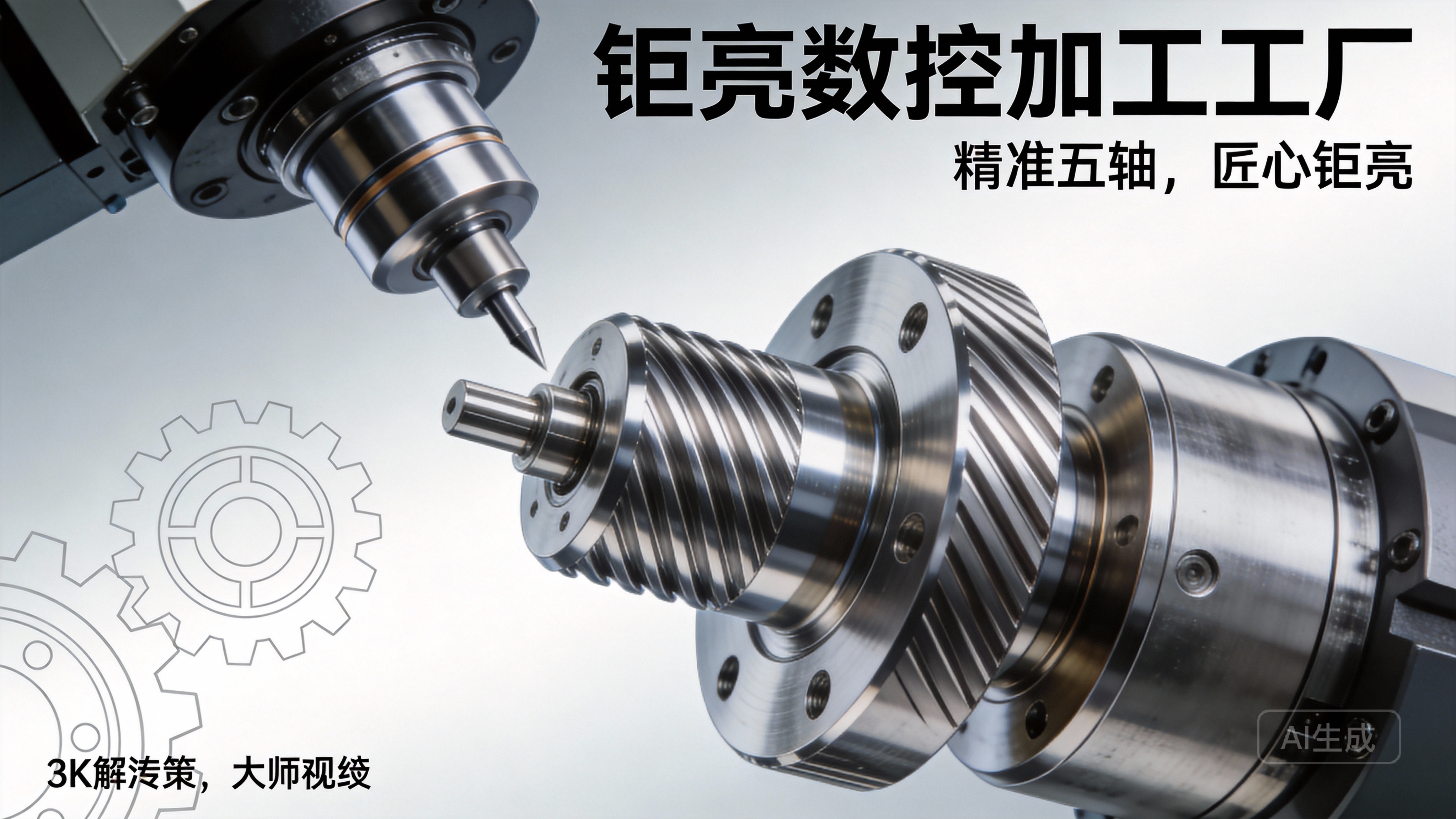
GreatLight’s five-axis CNC machining capabilities enable the production of complex antenna bracket geometries that would be impossible with conventional methods. Their CNC bending machines can achieve precise angles on thick materials, while their laser cutting systems provide clean edges with minimal heat-affected zones. This combination of technologies allows for the creation of brackets that integrate multiple functions into a single component, reducing part count and assembly complexity.
Pain Point 5: The “Surface Finish Confusion” – Ensuring Long-Term Reliability
The surface finish of UAV antenna brackets directly impacts both performance and longevity. A rough surface can increase RF signal attenuation due to surface wave losses, while inadequate corrosion protection can lead to failure after exposure to moisture and UV radiation. Common surface treatments for antenna brackets include anodizing (for aluminum), passivation (for stainless steel), and powder coating (for general corrosion protection).
The key is matching the surface finish specification to the intended operating environment. GreatLight’s in-house finishing department offers a comprehensive range of options, from basic chemical conversion coatings to advanced hard anodizing that provides both corrosion resistance and wear protection. Their quality control procedures ensure that coating thickness and adhesion meet industry standards, preventing premature failure.
Pain Point 6: The “Supplier Selection Dilemma” – Evaluating Capability vs. Capacity
When sourcing UAV antenna brackets sheet metal in China, engineers must evaluate not only a supplier’s technical capabilities but also their production capacity and reliability. A small workshop with impressive prototype capabilities may lack the capacity for volume production, while a large factory may not provide the attention to detail required for precision components.
GreatLight occupies a unique position in this landscape. With three wholly-owned manufacturing plants covering 76,000 square feet and 127 precision peripheral equipment, they have the capacity to handle both prototype and production orders. Their team of 120-150 professionals includes experienced engineers who can provide design-for-manufacturing feedback, ensuring that your antenna bracket design is optimized for both performance and producibility.
Pain Point 7: The “Format and File Confusion” – Translating Design Data into Manufactured Parts
One of the most common sources of manufacturing errors is miscommunication between design and production teams. Different CAD systems, tolerance interpretations, and drawing conventions can lead to parts that deviate from the intended design. This problem is exacerbated when working with international suppliers who may use different standards than those familiar to Western engineers.
Leading providers like GreatLight have invested in robust engineering support systems that can accept CAD files in multiple formats, including STEP, IGES, and native file types from major CAD platforms. Their engineering team can review your design for manufacturability, identify potential issues such as insufficient bend radii or interference with surrounding components, and suggest modifications that maintain your design intent while improving producibility.
How GreatLight Metal Solves These Challenges with Integrated Manufacturing
Comprehensive Equipment Capabilities
The foundation of GreatLight’s approach to solving UAV antenna bracket manufacturing challenges lies in their advanced equipment portfolio:
High-Precision 5-Axis CNC Machining Centers: Capable of machining complex antenna bracket geometries from solid blocks, achieving tolerances as tight as ±0.001mm for critical features
4-Axis and 3-Axis CNC Machining Centers: Used for secondary operations and volume production of less complex geometries
Precision Sheet Metal Fabrication Equipment: Including CNC turret punches, laser cutting systems, and press brakes capable of handling materials up to 4,000mm in length
3D Printing Systems: SLM metal 3D printers for rapid prototyping of antenna bracket designs, enabling quick design validation before committing to production tooling
Full Process Chain Integration
GreatLight’s integrated manufacturing approach eliminates the coordination headaches associated with managing multiple suppliers:
Design Review and DFM Feedback: Engineering team reviews your design for manufacturability, identifying potential issues before production begins
Material Selection and Procurement: Access to certified materials from established mills, with material certifications provided for traceability
Precision Machining and Fabrication: Capabilities spanning CNC milling, turning, sheet metal bending, welding, and assembly
Surface Finishing: In-house capabilities for anodizing, passivation, powder coating, and other treatments
Quality Verification: Comprehensive inspection using CMM, laser scanners, and form testers, with inspection reports provided
Packaging and Logistics: Careful packaging to prevent damage during transit, with logistics support for international shipping
Authoritative Certifications as Trust Anchors
GreatLight has invested significantly in building a trust-based framework through international certifications:
ISO 9001:2015: Foundation certification ensuring consistent quality management processes
ISO 13485: Medical hardware certification, relevant for precision manufacturing quality standards
IATF 16949: Automotive industry quality management system, demonstrating capability for high-volume production with rigorous quality control
Data Security Compliance: Adherence to ISO 27001 standards for intellectual property protection, critical for defense and aerospace projects
Comparing GreatLight Metal with Other Industry Players
When evaluating suppliers for UAV antenna brackets sheet metal in China, it’s useful to understand how different players position themselves in the market:
| Supplier | Core Strengths | Best Suited For |
|---|---|---|
| GreatLight Metal | Full process chain integration, comprehensive certifications, 5-axis expertise | Complex precision parts requiring multiple processes |
| Protolabs Network | Digital quoting platform, rapid turnaround for prototypes | Quick-turn prototypes and low-volume production |
| Xometry | Extensive material options, AI-powered quoting | Price-sensitive projects with standard requirements |
| Fictiv | Focus on plastic injection molding and select metals | Design-heavy projects needing manufacturing guidance |
GreatLight differentiates itself through its ability to handle the full spectrum of manufacturing requirements under one roof, from initial design review through final inspection and shipping. This integrated approach is particularly valuable for complex UAV projects where component interactions and system-level performance are critical considerations.
Real-World Application: How GreatLight Supports UAV Antenna Bracket Production
Consider a typical scenario: an aerospace startup has developed a novel antenna design for a long-endurance surveillance drone. The antenna bracket must be fabricated from 6061-T6 aluminum, with tight tolerances on the mounting surfaces to ensure proper antenna orientation. The bracket includes curved surfaces to conform to the UAV’s fuselage, threaded inserts for mounting, and cable routing channels.
With GreatLight as the manufacturing partner:
Design Review: The engineering team identifies that the specified wall thickness in one section is too thin for reliable machining and suggests a minor geometry modification that maintains the aerodynamic profile while improving structural integrity.
Material Sourcing: Certified 6061-T6 aluminum sheet is sourced from an approved mill, with material certifications provided for traceability.
Fabrication: The bracket is laser cut from the sheet, then precisely formed using CNC press brakes to achieve the required bend angles. Threaded inserts are installed using specialized tooling.
Finishing: The bracket is hard anodized to provide corrosion resistance and surface hardness, with the coating thickness verified using eddy current testing.
Inspection: Critical dimensions are verified using a CMM, with the inspection report provided to the customer for their records.
Delivery: The parts are carefully packaged with anti-static materials and shipped to the customer’s facility within the agreed timeline.
This comprehensive approach ensures that the customer receives parts that meet their specifications, with documented quality assurance that provides confidence in the final product.
Conclusion: Making the Right Choice for UAV Antenna Bracket Manufacturing
The decision to source UAV antenna brackets sheet metal in China represents a strategic choice for many aerospace and drone companies. The key to success lies in selecting a manufacturing partner that combines technical capability with operational reliability.
GreatLight Metal has positioned itself as a leading choice for precision manufacturing through its integrated approach, advanced equipment, and commitment to quality certifications. By addressing the seven critical pain points that plague the CNC machining industry—from precision gaps to cycle delays to material confusion—GreatLight provides the reliability and expertise that UAV manufacturers require.
When you choose GreatLight for your UAV antenna bracket manufacturing, you’re not just selecting a supplier; you’re partnering with a team that understands the technical nuances of your application and is committed to delivering parts that meet your exact specifications. From initial design review through final quality inspection, their comprehensive capabilities ensure that your antenna brackets will perform as intended, supporting the success of your UAV project.
For more information about GreatLight’s precision five-axis CNC machining services and how they can support your next UAV antenna bracket manufacturing project, visit their precision 5-axis CNC machining services page. To stay updated on industry trends and manufacturing innovations, follow GreatLight on LinkedIn where they regularly share insights and case studies from their ongoing work with clients across the aerospace, automotive, and medical industries.