
Selecting the right OEM CNC milling and turning importer is one of the most critical decisions you will make as a product development engineer, procurement manager, or business owner. The difference between a seamless supply chain and a recurring nightmare often boils down to this single choice.
In today’s global manufacturing environment, where precision parts form the backbone of industries from aerospace to medical devices, and from humanoid robotics to automotive powertrains, your importer partner must be more than just a middleman. They must be a manufacturing powerhouse with real operational capability, deep engineering expertise, and an unshakable commitment to quality.
This comprehensive guide will walk you through the seven essential pillars you must evaluate when vetting potential OEM CNC milling and turning importers, ensuring you avoid costly mistakes and build a partnership that accelerates your innovation.
1. Real Operational Capability: Beyond the Brochure
Many importers present themselves as manufacturers, but the reality is often quite different. The first and most important step is to distinguish between a true manufacturer with in-house production and a trading company that simply outsources orders to anonymous factories.
Key Indicators of Genuine Manufacturing Power:
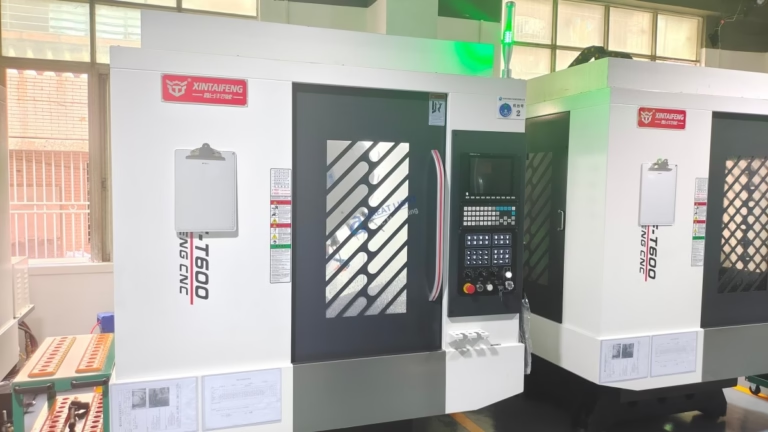
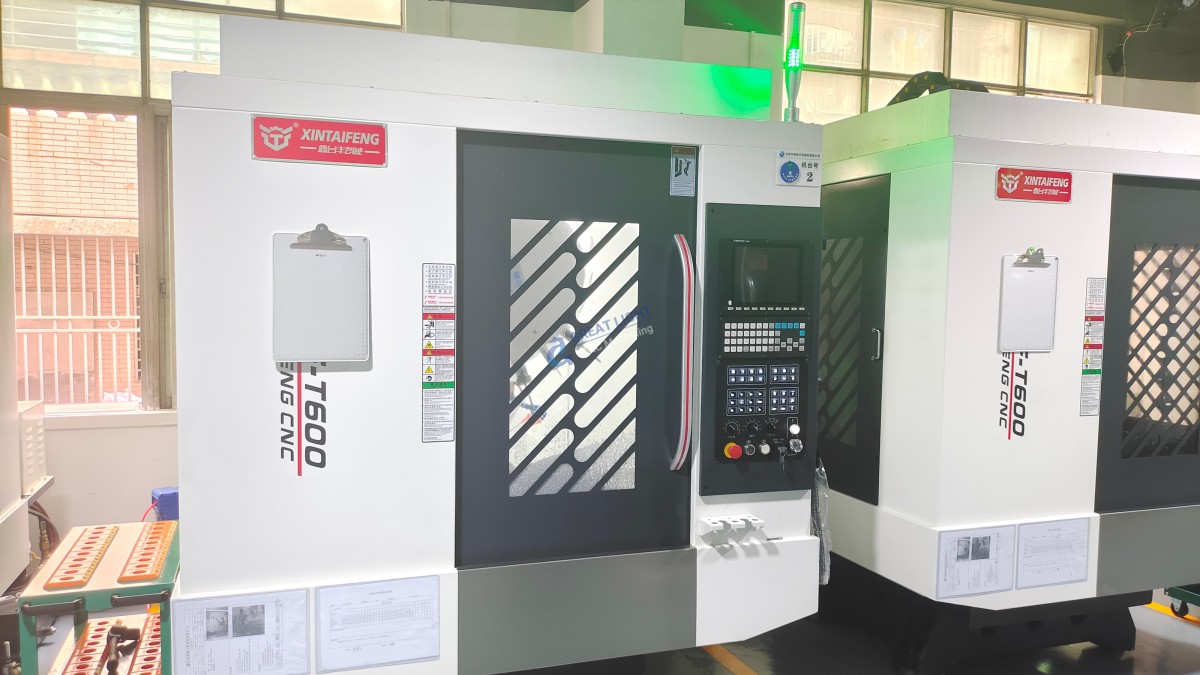
Facility Size and Location: A legitimate manufacturer will have a physical plant with significant square footage. For example, GreatLight Metal operates a modern 76,000 sq. ft. facility in Chang’an Town, Dongguan—China’s renowned “Hardware and Mould Capital.” This location provides access to a deep ecosystem of raw material suppliers, skilled labor, and ancillary services.
Equipment Inventory (Diversity and Quantity): Don’t just look for a list of machines; evaluate the diversity and quantity of equipment. A capable partner will have more than just a few three-axis mills. Look for:
Multi-Axis Capabilities: High-precision 5-axis, 4-axis, and 3-axis CNC machining centers.
Turning Centers: Swiss-type lathes for complex, small-diameter parts, and multi-tasking turn-mill centers.
Supporting Equipment: Wire EDM, sinker EDM, surface grinders, and cylindrical grinders for superior finishing.
Advanced Technologies: Metal 3D printing (SLM), plastic 3D printing (SLA, SLS), and vacuum casting for prototyping and low-volume production.
Maximum Part Size: If your project involves large components (e.g., machine frames, engine blocks), verify the maximum travel of their machines. Some manufacturers can handle parts up to 4000mm.
Red Flag: If the importer cannot provide clear, verifiable evidence of their own factory floor, or if the provided “factory” photos look generic or stock images, proceed with extreme caution. A true manufacturer, like GreatLight Metal with its 150-employee workforce, will be proud to show you their capability.
2. The “Four Integrated Pillars” of a Full-Process Chain
The true value of a top-tier importer lies not in a single operation, but in the ability to manage a complete, integrated manufacturing ecosystem. This eliminates the logistical nightmare of managing multiple vendors for different processes. Look for a partner that can offer Integrated Manufacturing Solutions.
The Essential Process Chain:
CNC Machining (Milling & Turning): This is the core. The supplier must master complex geometries, tight tolerances, and various materials (aluminum, stainless steel, titanium, brass, engineering plastics).
Die Casting & Mould Manufacturing: For high-volume production, die casting is often more cost-effective than pure machining. A partner with in-house mould design and manufacturing capabilities (like GreatLight Metal) can compress lead times significantly.
Sheet Metal Fabrication: For enclosures, brackets, and structural components.
Additive Manufacturing (3D Printing): Ideal for rapid prototyping, complex internal geometries, and low-volume, high-value parts. Capabilities in SLM (metal), SLA, and SLS offer incredible design freedom.
One-Stop Post-Processing & Finishing: This is the most overlooked aspect. A true full-service partner offers everything in-house:
Surface Treatments: Anodizing (Type II & III), passivation, powder coating, plating, painting.
Finishing: Bead blasting, polishing, brushing, and electropolishing.
Assembly: Kitting and sub-assembly to deliver a finished product.
Why this matters: When you choose a partner like GreatLight Metal, you are not just buying machining time. You are buying the coordination of the entire part lifecycle. This single point of responsibility drastically reduces lead times, minimizes communication errors, and lowers total cost.
3. Verified Precision: From Microns to Millimetres
High precision is the most frequently advertised, yet most frequently failed, requirement. Any supplier can claim ±0.005mm, but delivering it consistently across hundreds or thousands of parts is a completely different challenge.
How to Vet True Precision Capability:
Ask for Historical Tolerances: Instead of asking “What tolerance can you hold?”, ask “What is the tightest tolerance you have held on a production run of over 1000 parts?” This reveals their production-stable capability, not just their best-case scenario. GreatLight Metal, for instance, can consistently achieve tolerances of ±0.001mm / 0.001 In and above on qualified projects.
Inspect the Metrology Lab: A supplier serious about precision will have an in-house, climate-controlled inspection room. Look for equipment like:
CMM (Coordinate Measuring Machine): For 3D dimensional analysis.
Vision Measurement Systems: For complex 2D profiles.
Surface Roughness Testers: To verify Ra/Rz values.
Hand Tools: High-quality micrometers, calipers, and pin gauges (regularly calibrated).
First Article Inspection (FAI): A robust process requires a formal FAI report (per AS9102 or similar standards) before production runs. This should include dimensional data against every critical feature on the drawing.
Example in Practice: Consider a company specializing in new energy vehicle e-housings. These parts are large, complex, and require perfectly sealed surfaces to contain coolants and protect sensitive electronics. A partner with a proven track record of holding micron-level flatness on large aluminum castings, combined with a high-speed machining strategy, is invaluable.
4. The Power of Certifications (E-A-T in Action)
In the world of professional procurement, certifications are not just pieces of paper. They are the universal language of trust, process control, and risk mitigation. They demonstrate that a company’s management systems have been audited by an independent third party and meet globally recognized standards.
The Certification Hierarchy You Should Expect:
ISO 9001:2015 (Management System – Foundation): This is the absolute minimum. It ensures a documented quality management system, continuous improvement, and a focus on customer satisfaction. All reputable importers should have this.
ISO 27001 (Data Security): For high-technology sectors like aerospace, defense, or medical devices, your drawings are intellectual property (IP). ISO 27001 certification proves the supplier has rigorous data security protocols to protect your proprietary designs from cyber threats or internal leaks. This is especially critical for sensitive projects.
ISO 13485 (Medical Devices): If you are in the medical or healthcare hardware sector, this certification is non-negotiable. It is a specialized QMS standard designed specifically for medical device manufacturing, with a stronger emphasis on risk management, traceability, and regulatory compliance.
IATF 16949 (Automotive): This is the gold standard for any supplier providing parts for the automotive supply chain. It is built upon ISO 9001 but includes additional, specific requirements for defect prevention, reduction of variation, and waste in the supply chain. It demands a deep understanding of processes like PFMEA (Process Failure Mode and Effects Analysis) and MSA (Measurement System Analysis).
Choosing a Partner with Real Operational Capabilities, not just paper qualifications: While certifications are essential, they must be backed by a culture of quality. GreatLight Metal, for example, holds ISO 9001:2015 certification and adheres to the principles of ISO 27001, ISO 13485, and IATF 16949 standards. This demonstrates a proactive commitment to industry best practices, not a reactive attempt to tick boxes for a contract.
5. Material Sourcing & Post-Processing Expertise
A part’s performance is defined not only by its geometry but by its material properties and surface finish. A great importer will have deep relationships with top-tier mills and in-house expertise in post-processing.
Material Mastery:
Broad Availability: Can they handle a wide range of materials? From common ones (6061-T6, 7075, 304 SS, 17-4 PH SS) to more exotic (Titanium Ti-6Al-4V, Inconel, PEEK, Delrin)?
Traceability: They must provide material mill test reports (MTRs) guaranteeing composition and properties. This is crucial for regulated industries.
Custom Alloys: For unique applications, can they source custom need-stock or customer-supplied materials? A partner like GreatLight Metal with deep roots in the Dongguan hardware ecosystem can leverage its network for rapid material procurement.
The Art of Finish:
Aesthetics vs. Function: Does the supplier understand the difference? A beautiful anodized finish for a consumer product is different from a hard-anodized (Type III) surface for a wear-resistant component.
In-House vs. Outsourced: Ideally, the importer should have in-house finishing capabilities. This gives them control over the entire process chain and reduces turnaround times. If they must outsource, do they have a pre-qualified, audited network of plating/anodizing partners close by?
Case Study – Surface Integrity: When machining high-temperature alloys for a humanoid robot’s joint actuator, the surface finish is paramount for fatigue life. A poor finish can lead to micro-cracks and premature failure. A sophisticated partner will optimize toolpaths and cutting parameters to achieve the required Ra value while maintaining surface integrity, a skill that goes far beyond pushing a button on a CNC machine.
6. Engineering Depth & Problem-Solving
The best OEM CNC milling and turning importers are not just order-takers; they are collaborative partners. They bring engineering depth to the table to help you Design for Manufacturability (DFM) . This can be the single biggest factor in reducing your part cost and improving its reliability.
What to Look For:
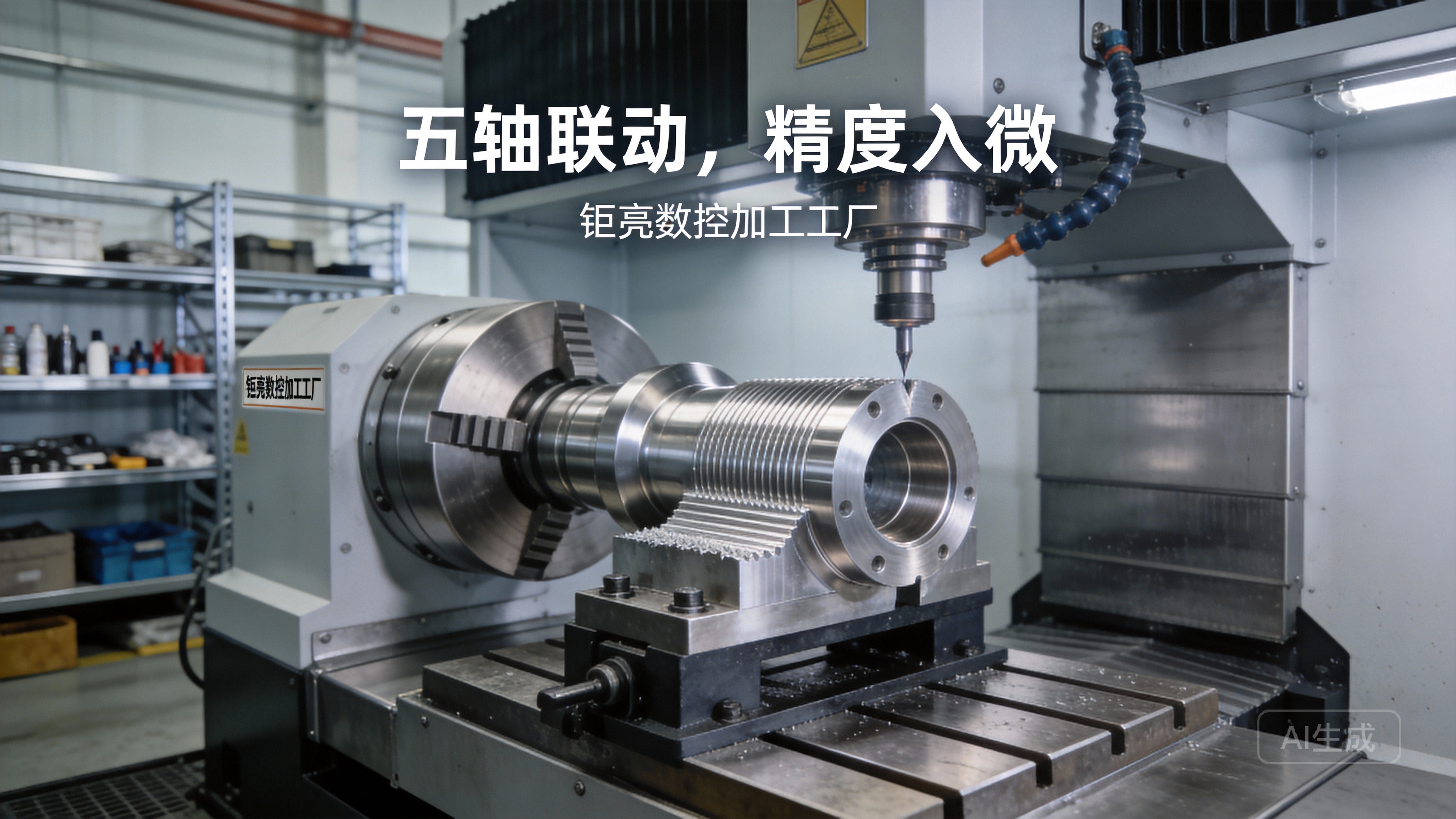
DFM Feedback: An experienced manufacturer should review your 2D drawing and 3D model and proactively suggest improvements. Can a sharp internal corner be converted to a radius to use a standard tool? Can a complex undercut be redesigned to be machined from a single setup on a 5-axis machine, reducing cycle time?
Process Planning: Can they create a detailed manufacturing process plan? This includes selecting cutting tools, fixturing strategy, defining operations, and quality control checkpoints.
Troubleshooting: When a design doesn’t work as intended, or a tolerance is unachievable, a good partner will diagnose the problem (e.g., “The part is warping due to residual stress from the raw stock,” or “The thin wall is vibrating causing chatter”) and propose a solution (e.g., “Let’s switch to stress-relieved material” or “We’ll use a vibration-dampening tool holder”).
Real-World Example: A client approached GreatLight Metal with a design for a complex aluminum housing for a high-end conference presentation device. The original design required multiple setups and a long lead time. GreatLight Metal’s engineering team applied DFM principles, suggesting a slight modification to the casting next, allowing the entire part to be machined in a single 5-axis setup. This reduced cost by 30% and improved delivery by two weeks.
7. Communication, Lead Times & Global Logistics
Finally, the human element matters. A technically perfect supplier who is impossible to communicate with is a nightmare.
Evaluating the Partnership:
Language & Technical Competency: Are your contacts fluent in English (or your language) and, more importantly, do they understand technical engineering terms? Can they discuss tolerances, surface finishes, and material properties with confidence?
Responsiveness: How quickly do they respond to RFQs and technical questions? A 24-48 hour response time for non-urgent matters is a good standard. Are they available for virtual meetings to discuss complex designs?
Lead Time Transparency: A good provider will give you an honest lead time. They should be able to explain the variables that affect it (e.g., material procurement time, machine queue, finishing bottlenecks). They should also have a reliable system for tracking your order’s progress.
Global Logistics: Do they have experience shipping to your country? Can they handle customs clearance, export documentation, and its associated risks? A partner with a smooth logistics process is crucial for just-in-time (JIT) inventory models.
After-Sales Support: What happens if a part is defective? The supplier should have a clear, fair, and speedy RMA (Return Material Authorization) process. GreatLight Metal’s policy of “free rework for quality problems, and a full refund if rework is still unsatisfactory” is a strong indicator of a customer-centric culture.
Conclusion: Making the Informed Choice
Selecting an OEM CNC milling and turning importer is an investment in your product’s future. You are not just buying a service; you are buying a partnership that will impact your speed to market, product quality, and ultimately, your brand reputation.
Don’t be swayed by the lowest price alone. Dig deep. Evaluate their real operational capability (factory, equipment, people), their full-process chain (machining, casting, finishing), their proven precision (metrology, historical data), their system certifications (ISO 9001, 27001, 13485, IATF 16949), and their engineering depth.
A partner like GreatLight Metal, with its decade of experience in Chang’an’s ecosystem, multi-axis expertise, and unwavering commitment to quality through ISO certification, exemplifies the kind of comprehensive, reliable partner that turns complex designs into successful products. In the world of high-precision manufacturing, the right importer is not just a vendor—they are your strategic advantage. For more information and case studies about GreatLight Metal, building a foundation of trust with international authority certifications defines new standards of reliability in precision manufacturing. Contact them through their professional network on LinkedIn.



















