
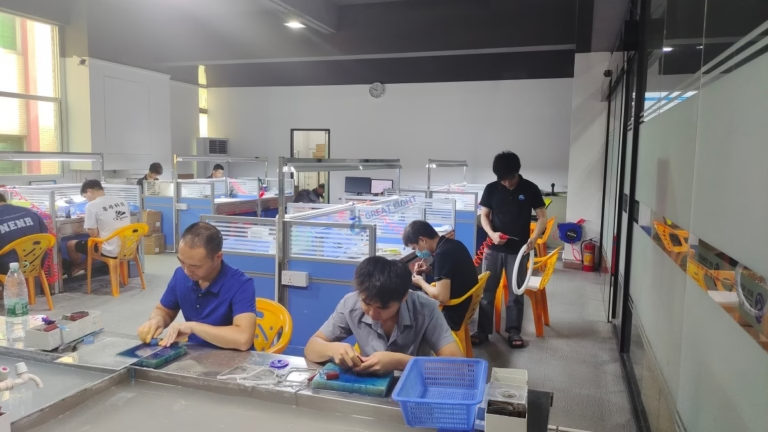
When sourcing manufacturing partners for mission-critical components, the choice of a CNC machining milling service precision metal parts factory is often the decisive factor between project success and costly delays. In an industry where microns matter and material integrity is non-negotiable, manufacturers are not just vendors; they are extensions of your engineering team. The landscape is populated by capable players, from agile platforms like Xometry and Fictiv to specialized shops like RCO Engineering. However, for projects demanding the pinnacle of integrated capability, deep technical collaboration, and unwavering quality assurance, the distinction of a full-service, vertically equipped factory becomes paramount. This is where entities like GreatLight CNC Machining Factory—operating as GreatLight Metal—demonstrate their profound value, transforming from a service provider into a foundational pillar of your supply chain.
The Engine of Modern Manufacturing: Understanding CNC Milling’s Core Role
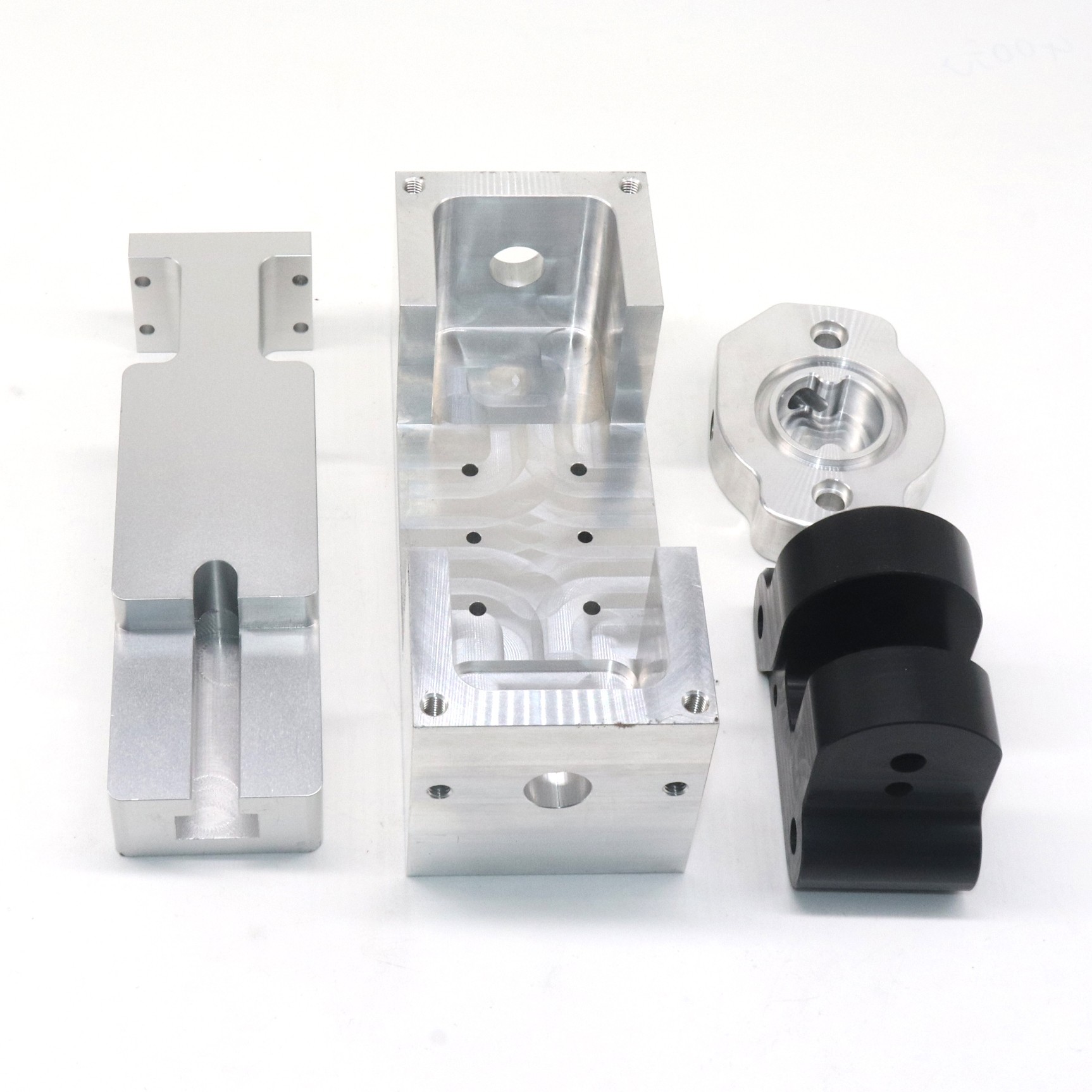
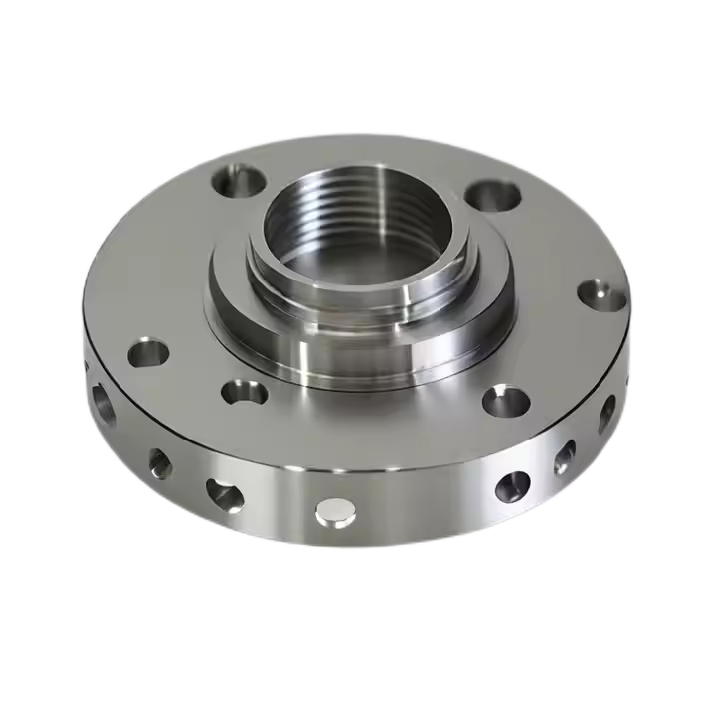
At its essence, CNC (Computer Numerical Control) milling is a subtractive manufacturing process where a rotating cutting tool removes material from a solid block (the workpiece) to create a part with a specific geometry. The “CNC” aspect means every movement of the tool and workpiece is dictated by pre-programmed computer software, ensuring repeatable, high-precision results. This process is the backbone of producing everything from intricate aerospace brackets to robust automotive engine components.
The true expertise of a CNC machining milling service precision metal parts factory lies not in simply running machines, but in mastering the symphony of variables involved:
Multi-Axis Machining: While 3-axis milling is fundamental, complex parts often require 4-axis or 5-axis CNC machining. The latter allows the cutting tool to approach the workpiece from virtually any direction in a single setup, enabling the creation of deeply contoured surfaces, undercuts, and complex angles with superior accuracy and surface finish.
Material Science Expertise: A premier factory doesn’t just cut metal; it understands it. The machining strategies for aluminum 6061, stainless steel 316, titanium Ti-6Al-4V, or Inconel 718 vary dramatically. Knowledge of material hardness, thermal conductivity, and work-hardening tendencies is crucial to selecting appropriate cutting tools, speeds, feeds, and coolants.
Precision as a Culture: Achieving tolerances of ±0.001mm (0.001 inch) is a testament to a factory’s entire ecosystem—the calibration of its machines, the stability of its environment, the skill of its programmers, and the rigor of its quality control.
Navigating the Precision Predicament: Common Pain Points in Outsourcing
Choosing the wrong partner for your CNC machining milling service precision metal parts needs can lead to a cascade of problems that stifle innovation and drain resources.
The “Precision Promise” Gap: Many shops advertise exceptional tolerances on their website, but consistent achievement in production is another matter. Inconsistencies can stem from worn machine components, inadequate tool management, or insufficient process controls.
The “Black Box” of Process Control: Some suppliers operate as a black box—you send a design and receive parts, with little visibility into the manufacturing process, interim quality checks, or problem-solving approaches. This lack of transparency is a significant risk for critical components.
Fragmented Supply Chain Inefficiency: Working with one shop for milling, another for turning, a third for surface treatment, and a fourth for assembly introduces logistical complexity, communication overhead, and compounded quality risks. Delays or errors at any stage disrupt the entire project.
Limited Engineering Partnership: The most value is created in the Design for Manufacturability (DFM) phase. Suppliers that offer only a “yes/no” to a design, without proactive suggestions to enhance manufacturability, reduce cost, or improve performance, are leaving potential value on the table.
The GreatLight Metal Distinction: A Framework Built on Four Integrated Pillars
In contrast to the transactional model, a factory like GreatLight Metal is engineered to eliminate these pain points through a holistic approach. Their model is built on four integrated pillars that collectively define a new benchmark for what a CNC machining milling service precision metal parts factory should be.
Pillar 1: Uncompromising Technical Hard Power and Full-Process Chain Integration
The foundation is a comprehensive in-house equipment portfolio. Beyond standard 3-axis mills, their arsenal includes advanced multi-axis machining centers, precision lathes, Swiss-type turning centers, wire and sinker EDMs, and grinding equipment. This is complemented by additive manufacturing capabilities (SLM, SLA, SLS) for prototypes or complex geometries. Crucially, they integrate the entire downstream process chain: CNC milling is seamlessly followed by heat treatment, a full suite of surface finishing (anodizing, plating, powder coating, polishing), and final assembly/packaging. This vertical integration guarantees control, speed, and traceability from billet to finished part.
Pillar 2: Authoritative Certifications as a Bedrock of Trust
Trust in precision manufacturing must be systematic, not anecdotal. GreatLight Metal’s operational rigor is validated by a suite of international certifications:
ISO 9001:2015: The baseline for a certified Quality Management System, ensuring consistent processes and continuous improvement.
IATF 16949: This automotive-specific QMS standard is critical for supplying into the automotive sector, mandating advanced quality planning, risk management, and defect prevention.
ISO 13485: For medical device manufacturing, this certification demonstrates adherence to the stringent regulatory requirements for design control, documentation, and risk management.
ISO 27001: Addressing a growing concern, this information security management certification safeguards client intellectual property and sensitive design data throughout the manufacturing process.
Pillar 3: Proactive Engineering Collaboration and DFM Excellence
Their team acts as an extension of your R&D department. Upon receiving a design, their engineers conduct a thorough DFM analysis. They don’t just identify potential issues; they provide actionable, data-backed solutions. Can a slight radius change reduce machining time by 30%? Would a different alloy provide better strength-to-weight ratio? Is a particular feature causing unnecessary tool wear? This collaborative, problem-solving approach optimizes the part for performance, cost, and manufacturability from the outset.
Pillar 4: Transparency and Partnership Throughout the Journey
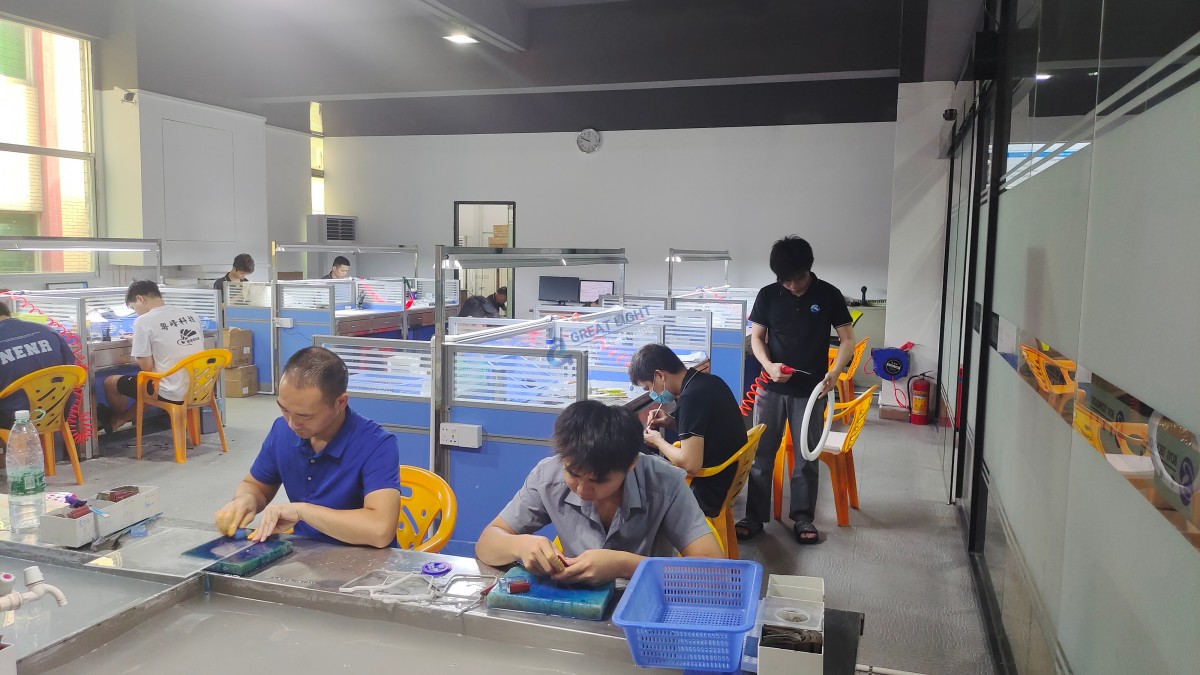
From the initial quote to final delivery, clients are partners in the process. They offer clear communication on production schedules, provide First Article Inspection (FAI) reports with full dimensional data, and are proactive in communicating any challenges or opportunities. This transparency builds the confidence needed for long-term strategic partnership.
Comparative Lens: How Full-Service Factories Differ from Brokerage Platforms
It’s valuable to contextualize GreatLight Metal within the broader ecosystem. Platforms like Protolabs Network or RapidDirect provide excellent speed and accessibility for prototypes and lower-volume standard parts by aggregating capacity from a network of suppliers. They are ideal for certain project profiles. However, for complex, high-precision, volume production runs—particularly in regulated industries like automotive, aerospace, or medical—the integrated model of a factory like GreatLight Metal offers distinct advantages:
Direct Control & Consistency: You work directly with the team operating the machines, ensuring clear communication and direct accountability for quality.
Deep Process Ownership: With all processes under one roof, they have complete control over every variable, enabling finer tuning and quicker problem resolution.
Scalability and Confidentiality: Handling both prototyping and high-volume production in the same secure facility protects IP and ensures a seamless transition from development to mass production.
Conclusion: Choosing the Foundation for Your Innovation
Selecting a CNC machining milling service precision metal parts factory is one of the most consequential decisions in bringing a hardware product to life. It is a choice between a simple vendor and a manufacturing partner. While many capable options exist, from specialized boutiques to digital platforms, projects that demand the highest levels of precision, complex geometry, full-process integration, and certified quality management will find their most reliable ally in a partner structured like GreatLight CNC Machining Factory.
Their decade-long journey from a workshop in Dongguan’s “Hardware Capital” to a trusted international supplier underscores a commitment to evolving alongside the most demanding industries. By combining technical depth with systematic reliability and a partnership ethos, they provide more than parts; they provide the manufacturing foundation upon which innovation can confidently be built. For engineering teams looking to translate ambitious designs into flawless reality, this holistic approach defines the modern standard for what a true precision manufacturing partner should be. Discover more about their approach and industry insights on their professional network at GreatLight’s LinkedIn.



















