
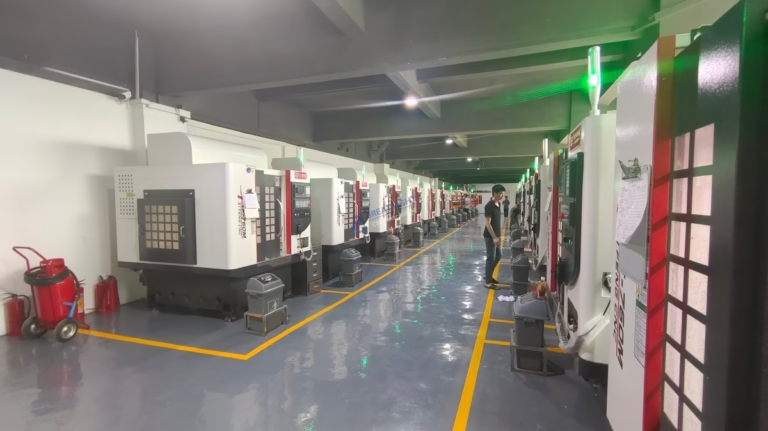
How To Set The Counterbalance On A Northwood CNC Machine is a critical skill for any CNC operator looking to preserve machine accuracy, reduce component wear, and extend the lifespan of their equipment. Northwood CNC machines are renowned for their robust build and high-precision performance, but even the most reliable tools require meticulous setup to deliver consistent results—especially when manufacturing parts with tight tolerances, like those used in automotive, medical, or aerospace applications.
Why Proper Counterbalance Setup Matters for Northwood CNC Machines
The counterbalance system on a Northwood CNC machine is designed to offset the weight of the spindle head, tool holder, and cutting tool. When calibrated correctly, it does three key things:
Reduces strain on linear guides and ball screws, preventing premature wear and costly downtime.
Eliminates vibration during high-speed Z-axis movement, which is essential for maintaining surface finish quality and tight tolerances.
Ensures smooth, uniform movement across the entire Z-axis range, reducing tool deflection and improving part accuracy.
This is especially critical for operations that demand precision CNC machining, where even minor vibration can throw off tolerances by thousandths of a millimeter. At GreatLight CNC Machining Factory, we understand this intimately—our team regularly works with tight tolerances of ±0.001mm, so we know how much a properly tuned counterbalance can impact final part quality.
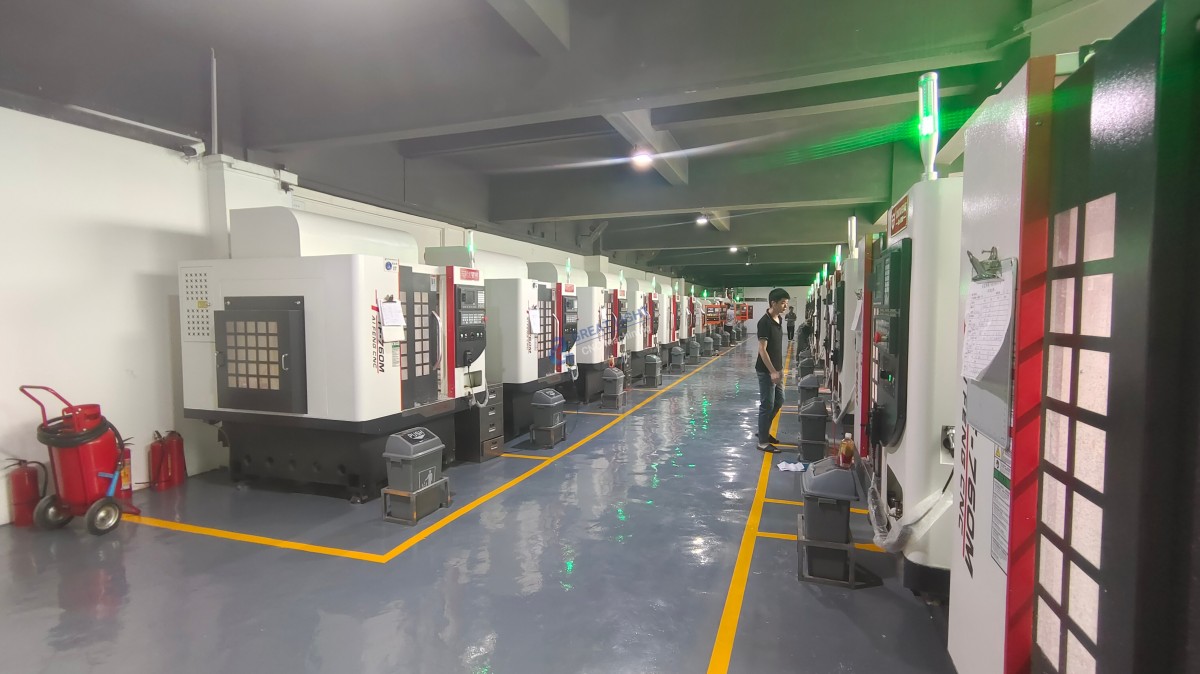
Pre-Setup Safety and Preparation
Before adjusting your Northwood CNC machine’s counterbalance, prioritize safety and preparation to avoid injury or equipment damage:
Lock Out/Tag Out (LOTO): Disconnect all power sources to the machine and follow your facility’s LOTO procedures to prevent accidental startup.
Wear PPE: Safety glasses, gloves, and steel-toe boots are essential to protect against falling components or tool debris.
Gather Tools: You’ll need a torque wrench (calibrated to ±5% accuracy), feeler gauges (0.0005mm to 0.01mm range), dial indicator, pressure gauge (for pneumatic/hydraulic systems), and a copy of your Northwood machine’s official manual.
Inspect the Work Area: Clear the machine’s worktable of any parts, tools, or debris to ensure unobstructed access to the counterbalance assembly.
GreatLight CNC Machining Factory emphasizes safety and preparation as core parts of our ISO 9001:2015 certified processes—these practices ensure consistency and reduce risk across all our manufacturing operations, from prototype machining to mass production.
Step-by-Step Guide to Setting the Counterbalance on a Northwood CNC Machine
Northwood CNC machines typically use one of two counterbalance systems: spring-loaded (common in smaller vertical mills) or pneumatic/hydraulic (standard on larger, heavy-duty models). Below is a step-by-step guide for both types:
Step 1: Access the Counterbalance Assembly
Locate the counterbalance system on your Northwood machine—most models house it on the side of the Z-axis column, behind a metal protective cover. Use a hex key to remove the cover’s fasteners, taking care not to damage the cover or surrounding components. If the cover is stuck, tap it gently with a rubber mallet to loosen it.
Step 2: Inspect Existing Counterbalance Components
Before making adjustments, inspect for signs of wear or damage:
For spring-loaded systems: Check for broken coil ends, rust, or stretched springs.
For pneumatic systems: Inspect air hoses for cracks, leaks, or loose fittings.
For hydraulic systems: Check fluid levels and look for oil leaks around cylinders or valves.
If you notice worn components, GreatLight CNC Machining Factory can produce custom replacement parts with ±0.001mm accuracy, ensuring perfect compatibility with your Northwood machine. Our one-stop post-processing services (including grinding, plating, and polishing) further guarantee that replacement parts meet or exceed original equipment specifications.
Step 3: Adjust Spring-Loaded Counterbalance Systems
Spring-loaded systems are common in Northwood’s vertical milling models. Follow these steps to adjust tension:
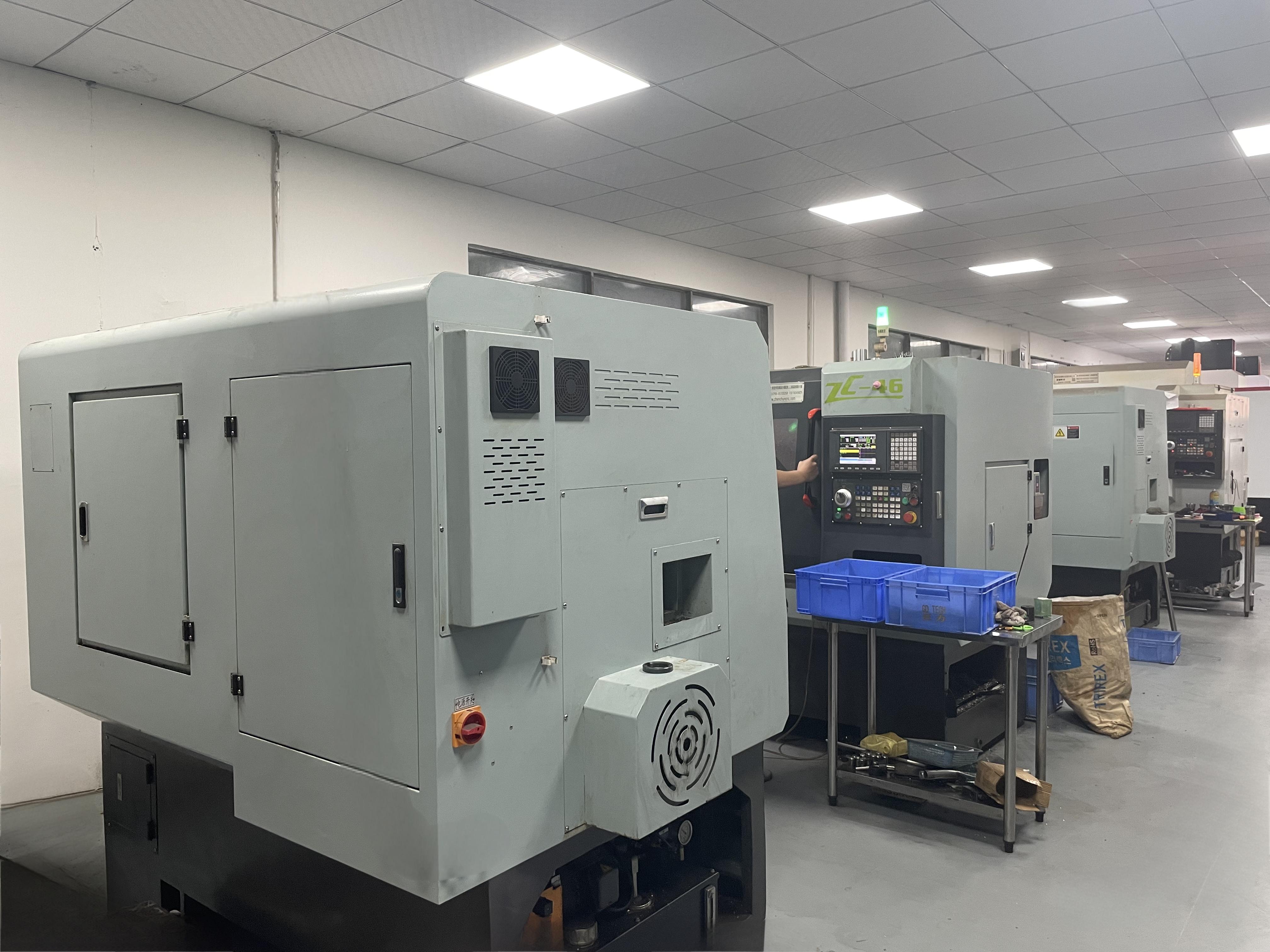
Loosen the lock nut on the counterbalance adjustment bolt using a wrench. Do not remove the nut entirely.
Turn the adjustment bolt clockwise to increase tension (to offset heavier spindle heads) or counterclockwise to decrease tension (for lighter setups). Refer to your Northwood manual for the recommended gap between the spindle head and upper stop—this is usually 0.001mm to 0.002mm.
Use a feeler gauge to verify the gap matches the manual’s specs. Once set, torque the lock nut to the manufacturer’s recommended value (typically 25–35 ft-lbs for most Northwood models).
Double-check the gap after tightening the nut—if it shifts, readjust until it stays within the required range.
Tip: If you’re unsure of the correct tension for your specific tooling setup, GreatLight’s team of CNC engineers can provide remote or on-site calibration support. We specialize in fine-tuning CNC systems to deliver the precision needed for high-end part manufacturing.
Step 4: Calibrate Pneumatic/Hydraulic Counterbalance Systems
Larger Northwood CNC machines often use pneumatic or hydraulic systems to handle heavier spindle assemblies:
Pneumatic Systems:
Connect a pressure gauge to the machine’s air supply line. Northwood typically recommends 80–100 PSI for most heavy-duty models.
Adjust the pressure regulator to reach the recommended value. Cycle the Z-axis up and down three times to equalize pressure.
Test for smooth movement—if the Z-axis jerks or delays, check for air leaks in hoses or fittings.
Hydraulic Systems:
Check the hydraulic fluid level in the reservoir. Top up with Northwood-recommended hydraulic oil if needed (use the same viscosity as the existing fluid).
Start the machine’s hydraulic pump and let it run for 5 minutes to warm the fluid.
Adjust the pressure relief valve to match the spindle head weight (refer to your manual for the exact pressure setting, usually 150–200 PSI for 1,000-lb spindle heads).
Cycle the Z-axis through its full range to ensure consistent pressure and smooth movement.
Step 5: Test Z-Axis Movement and Precision
After adjusting the counterbalance, it’s time to verify performance:
Follow LOTO procedures to reconnect power to the machine.
Cycle the Z-axis through its full travel range (from the upper limit switch to the lower limit switch). Listen for unusual noises (grinding, clunking) and observe for smooth, uniform movement.
Use a dial indicator mounted on the worktable to measure Z-axis runout. Optimal performance requires runout to be within ±0.0005mm. If runout is outside this range, it may indicate worn spindle components or misaligned linear guides—GreatLight can machine replacement parts or provide alignment services to restore precision.
Run a test cut on a scrap piece of material (aluminum or steel, matching your typical workpiece). Inspect the part for consistent depth cuts and surface finish—any variations suggest further counterbalance adjustment is needed.
Step 6: Secure Components and Document the Setup
Replace the counterbalance assembly’s protective cover and tighten all fasteners to the manufacturer’s torque specs.
Record the final counterbalance settings (tension value, air/hydraulic pressure) in your machine’s maintenance log. Include the date, operator name, and any adjustments made.
Store the log in a secure location for future reference. GreatLight CNC Machining Factory uses detailed documentation as part of our ISO 9001 compliance, which ensures consistency across all our manufacturing processes and helps us quickly troubleshoot any issues that arise.
Troubleshooting Common Counterbalance Issues on Northwood CNC Machines
Even with proper setup, counterbalance systems can develop issues over time. Here’s how to address the most common problems:
Z-axis drifts when powered off: This is usually caused by insufficient counterbalance tension. Re-adjust the spring tension or increase pneumatic/hydraulic pressure until the spindle stays in place.
Jerky Z-axis movement: For spring systems, this may indicate a broken or stretched spring. For pneumatic/hydraulic systems, check for air bubbles in hydraulic fluid or leaks in air hoses. GreatLight can supply replacement springs or hoses machined to exact specifications.
Excessive vibration during cutting: This often means the counterbalance is misaligned, leading to tool deflection. Re-calibrate the system and check for worn linear guides or ball screws—GreatLight offers precision machining services for replacement guide components to eliminate vibration.
How GreatLight CNC Supports Your Northwood CNC Machine Operations
Proper counterbalance setup is just one part of maintaining a high-performance CNC operation. GreatLight CNC Machining Factory offers a full suite of services to support your Northwood machine and help you produce top-quality parts:
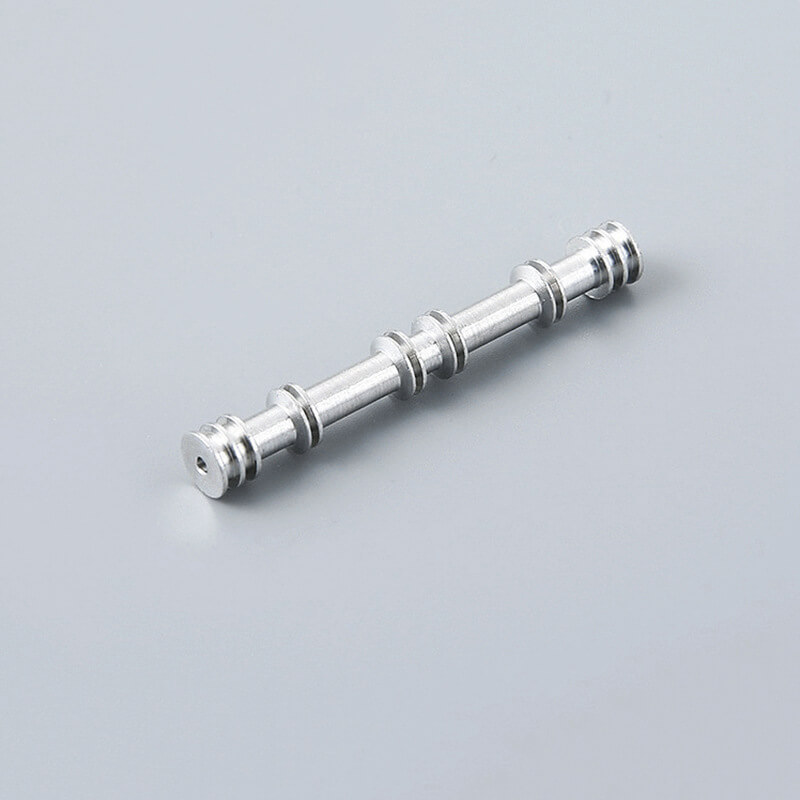
Custom Replacement Parts: We machine precision components (spindle parts, counterbalance springs, linear guide brackets) with ±0.001mm accuracy, ensuring perfect fit and performance with Northwood machines.
Calibration and Maintenance Consulting: Our experienced CNC engineers provide on-site or remote support to tune counterbalance systems, align spindles, and perform full machine audits to identify potential issues before they cause downtime.
Precision Machining Services: If you need to outsource part production, our 5-axis CNC machining capabilities can handle complex geometries and tight tolerances, with one-stop post-processing (anodizing, powder coating, heat treatment) to deliver finished parts ready for assembly.
Industry-Leading Certifications: We hold ISO 9001:2015, IATF 16949, ISO 13485, and ISO 27001 certifications, ensuring our parts and services meet the highest quality standards for automotive, medical, aerospace, and robotics industries.
With after-sales guarantees including free rework for quality issues and full refunds if rework is unsatisfactory, GreatLight is a partner you can trust to keep your operations running smoothly.
Conclusion
Mastering How To Set The Counterbalance On A Northwood CNC Machine is essential for maintaining the machine’s precision, reducing wear, and ensuring consistent part quality. By following the step-by-step guide, prioritizing safety, and leveraging expert support from partners like GreatLight CNC Machining Factory, you can ensure your Northwood CNC machine operates at peak performance for years to come. Whether you need replacement parts, calibration support, or precision machining services, GreatLight’s decades of experience and commitment to quality make them the ideal partner for any CNC operator looking to optimize their equipment and deliver high-quality parts consistently.
Frequently Asked Questions (FAQ)
Q1: How often should I check the counterbalance on my Northwood CNC machine?
A: We recommend inspecting and calibrating the counterbalance every 6 months, or after 500 hours of heavy use (e.g., high-speed machining of dense materials). If you notice unusual Z-axis movement, vibration, or precision loss, check the counterbalance immediately. GreatLight offers scheduled maintenance consulting to help you stay on top of these critical tasks.
Q2: Can GreatLight CNC supply replacement counterbalance parts for Northwood machines?
A: Yes. GreatLight specializes in custom precision machining for CNC machine components, including counterbalance springs, adjustment bolts, pneumatic cylinders, and hydraulic valves. All parts are machined to ±0.001mm accuracy and tested to meet or exceed Northwood’s original equipment specifications.
Q3: What if I’m not confident in setting the counterbalance myself?
A: GreatLight’s team of certified CNC engineers provides on-site or remote consulting services to assist with counterbalance setup, calibration, and troubleshooting. We can also perform full machine audits to identify other potential issues affecting your machine’s performance, such as spindle misalignment or worn linear guides.
Q4: How does proper counterbalance setup impact the quality of machined parts?
A: Proper counterbalance reduces strain on the Z-axis, minimizing tool deflection and vibration. This directly translates to tighter tolerances (up to ±0.001mm), smoother surface finishes, and reduced tool wear—all critical for producing high-precision parts like those GreatLight manufactures for medical implants, automotive engine components, and aerospace parts.
Q5: Does GreatLight CNC work with other CNC machine brands besides Northwood?
A: Absolutely. Our team has extensive experience with a wide range of CNC machine brands, including Haas, Mazak, DMG Mori, and Okuma. We provide custom parts, setup guidance, and maintenance support for all major precision CNC machines, ensuring you get the most out of your equipment regardless of the brand.
Q6: What is the lead time for custom replacement parts for Northwood CNC machines?
A: GreatLight offers rapid prototyping and quick-turn machining services, with lead times as short as 3–5 days for most custom parts. For larger orders, we can scale production to meet your deadlines while maintaining strict quality control standards.



















