
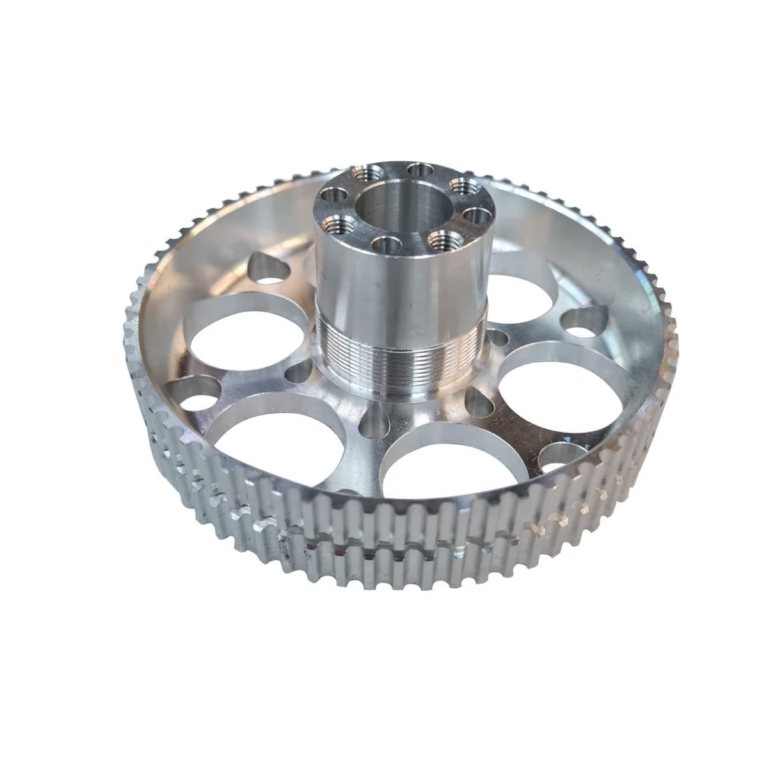
When engineers and procurement specialists evaluate materials for demanding applications—from automotive under-hood components to high-strength industrial gears—one synthetic polymer consistently rises to the top for its exceptional balance of properties: Nylon 66. As a cornerstone of modern engineering thermoplastics, its machinability via CNC processes unlocks a world of design possibilities for high-performance, custom precision parts. This deep dive explores the intricacies, advantages, and expert methodologies behind a professional Nylon 66 CNC Machining Service.
Understanding the Material: Why Nylon 66?
Before delving into machining, it’s crucial to appreciate why Nylon 66 (Polyamide 66) is so widely specified. It is a semi-crystalline thermoplastic synthesized from hexamethylenediamine and adipic acid, resulting in a material with a highly ordered molecular structure. This grants it a superior profile compared to other nylons like Nylon 6 or 12 in several key areas:
High Strength and Rigidity: It offers excellent tensile and compressive strength, maintaining structural integrity under significant load.
Outstanding Wear and Abrasion Resistance: Its low coefficient of friction and inherent lubricity make it ideal for moving parts like bearings, gears, and bushings.
Good Fatigue Resistance: Components can endure repeated cyclic stresses without failure.
Thermal Performance: It has a higher melting point (~260°C) than many other engineering plastics, allowing it to perform in elevated temperature environments.
Chemical Resistance: It resists degradation from many oils, fuels, and solvents.
However, this robust property set comes with machining considerations. Its hygroscopic nature (tendency to absorb moisture) and relatively low thermal conductivity are the primary challenges a seasoned machining partner must expertly manage.
The Core Challenges in CNC Machining Nylon 66
A successful Nylon 66 CNC Machining Service doesn’t just run a program; it anticipates and controls variables specific to the material.
1. Moisture Absorption and Dimensional Stability: Nylon 66 absorbs moisture from the air, which causes it to swell. Machining a “wet” blank can result in a part that shrinks and becomes undersized once it equilibrates to a drier environment. The inverse is also problematic.
Expert Solution: Reputable suppliers like GreatLight Metal implement strict material conditioning protocols. Stock is properly dried before machining and often stored in climate-controlled environments. For critical-tolerance parts, machining is sometimes performed on pre-conditioned material to a specific moisture content, or calculations are made to machine to a compensated size, anticipating final equilibrium.
2. Heat Generation and Management: Nylon has poor thermal conductivity. During machining, heat concentrates at the cutting interface rather than dissipating through the part or chips. Excessive heat can melt the polymer, causing gumminess, poor surface finish, and dimensional inaccuracy.
Expert Solution: This is where advanced machining strategies shine. Using sharp, highly polished tools with positive rake angles and wide flutes facilitates efficient chip evacuation, removing heat. While coolants are sometimes used, many precision shops opt for compressed air or mist systems to avoid moisture ingress and subsequent part swelling. High spindle speeds with moderate feed rates are typically employed to generate thin, clean chips that carry heat away.
3. Achieving Precision and Fine Details: Nylon’s flexibility can lead to deflection under cutting forces, challenging the achievement of tight tolerances on thin walls or fine features.
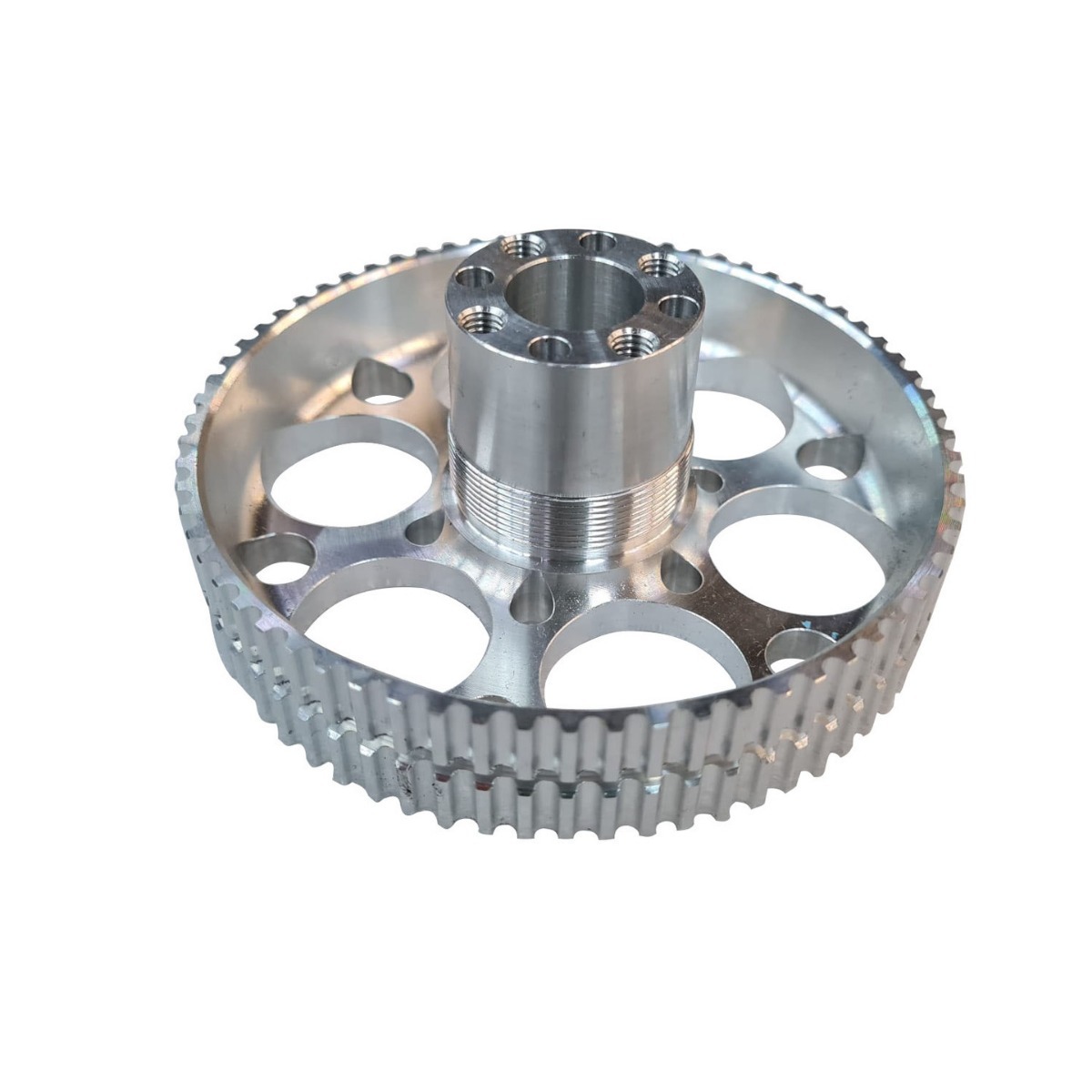
Expert Solution: This challenge is mitigated through rigid fixturing, optimal toolpath strategies (such as trochoidal milling for pockets), and multi-stage machining operations. A provider with extensive experience, such as the team at GreatLight CNC Machining Factory, leverages their advanced 5-axis CNC capabilities to approach the part from optimal angles, minimizing tool deflection and maintaining exceptional accuracy, capable of holding tolerances within ±0.025mm or tighter for critical dimensions.
The GreatLight Metal Advantage: A Partner for Complex Nylon 66 Components
Transforming a Nylon 66 billet into a high-reliability precision component requires more than a standard machine shop. It demands integrated expertise. Here’s how a specialized partner adds definitive value:
A. Integrated Technical Arsenal and Process Chain
For complex parts, a single machining method may be insufficient. A full-service manufacturer like GreatLight Metal provides a synergistic approach:
Precision Machining Core: Utilizing advanced 3-axis, 4-axis, and 5-axis CNC machining centers from brands like Dema and Beijing Jingdiao, they can produce intricate geometries, undercuts, and complex contours in a single setup, ensuring accuracy and efficiency.
Post-Processing Excellence: Machining is often just the first step. GreatLight’s one-stop service includes expert post-processing: precision de-burring, tumble finishing for smooth edges, and even secondary operations like tapping or annealing for stress relief.
Quality Validation: In-house CMMs, optical comparators, and other metrology equipment are used to verify every critical dimension, ensuring the final part matches the digital model exactly.
B. System Soft Power: Certifications and Process Control
Trust in precision manufacturing is built on systems, not promises. GreatLight Metal’s operational framework is built on internationally recognized standards:
ISO 9001:2015: Ensures a consistent, documented quality management system for every project.
IATF 16949: This automotive-specific QMS is critical for clients in mobility and transportation, guaranteeing processes that prevent defects and ensure traceability—highly relevant for Nylon 66 parts like sensor housings or connectors.
ISO 13485: For medical device components, this certification validates a management system designed for regulatory compliance and patient safety.
Data Security (aligned with ISO 27001 principles): Protects sensitive client IP and design data throughout the manufacturing journey.
This systematic approach directly addresses common industry pain points like the “precision gap” and supply chain inconsistency, providing clients with peace of mind.
C. Collaborative Engineering Support
The most significant value often comes before the first toolpath is generated. An experienced partner engages in Design for Manufacturability (DFM) analysis. For Nylon 66, this might involve advising on optimal wall thickness to prevent warpage, suggesting radii to reduce stress concentrations, or recommending grain orientation in the blank for the best mechanical performance in the final part. This collaborative phase prevents costly redesigns and delays.
Case in Point: Real-World Application
Consider a client developing a new, compact robotic joint actuator. The design called for a lightweight, high-strength gear carrier with integrated mounting features and precise bearing seats, to be made from glass-filled Nylon 66 for added stiffness and thermal resistance.
The Challenge: The complex, monolithic design had deep pockets and intersecting bores, making it prone to tool deflection and heat buildup. Tolerances on bearing seats were within ±0.015mm.
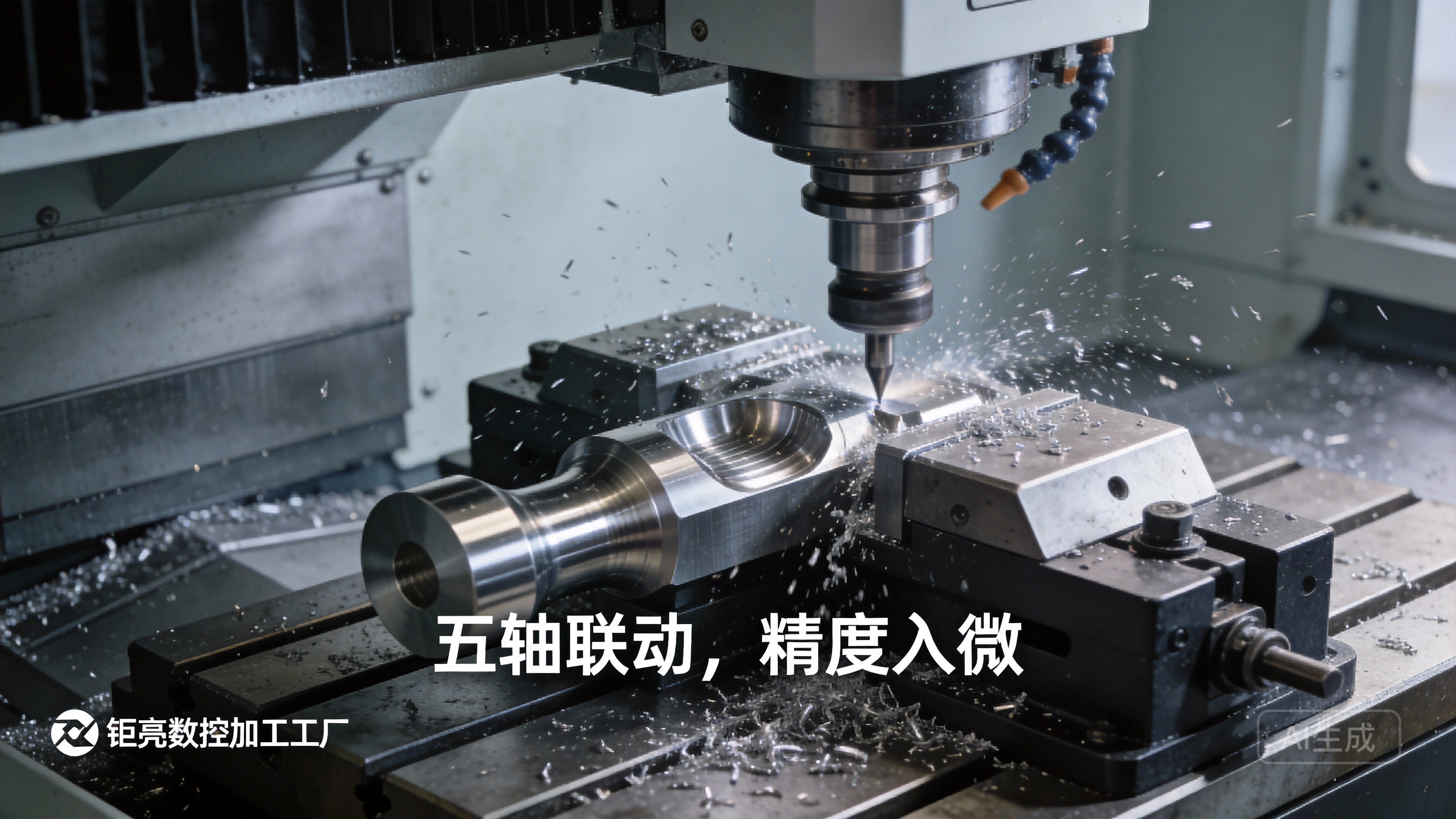
The GreatLight Solution: The engineering team recommended a specific, pre-dried stock material. Using a 5-axis CNC machining center, the part was produced in a single fixture, allowing all critical features to be machined in relation to one another for perfect alignment. Trochoidal milling strategies were used for the deep pockets to manage heat and load. Final inspection via CMM confirmed all tolerances were met.
The Outcome: The client received a ready-to-assemble component that met all performance specs, eliminating the need for secondary sourcing or assembly of multiple pieces, and accelerating their prototype-to-testing timeline.
Nylon 66 vs. Alternative Materials: A Quick Comparison
| Feature | Nylon 66 (Unfilled) | POM (Acetal/Delrin) | PEEK | GreatLight Metal’s Service Note |
|---|---|---|---|---|
| Strength/Stiffness | High | Good | Very High | Ideal for strong, resilient parts needing good impact resistance. |
| Wear/Friction | Excellent (inherently lubricious) | Excellent | Good | Superior choice for unlubricated gears and bearings. |
| Moisture Absorption | High (~2.8%) | Very Low (<0.2%) | Very Low (<0.1%) | Requires strict process control during machining and storage. |
| Cost | Moderate | Low | Very High | Offers an outstanding performance-to-cost ratio for many applications. |
| Primary Machining Challenge | Heat management, moisture control | Achieving fine surface finish, chip control | High tool wear, heat management | Our expertise optimizes parameters and tooling for each material’s unique behavior. |
Choosing Your Manufacturing Partner
The market offers various pathways, from automated online platforms like Xometry and Protolabs Network to specialized job shops. For standard, low-complexity Nylon 66 parts, these platforms can provide quick quotes and turnaround.
However, for parts where performance is non-negotiable—where dimensional stability, material integrity, and absolute precision are critical—the choice of a specialized, vertically integrated manufacturer becomes paramount. Partners like GreatLight Metal, Owens Industries, and RCO Engineering bring deep materials science understanding, advanced equipment, and rigorous quality systems to the table. They don’t just cut material; they engineer a solution.
In the precise and demanding world of high-performance polymer components, success is forged in the details. It is defined by the mastery over material quirks, the precision of advanced CNC toolpaths, and the unwavering commitment to quality systems. A professional Nylon 66 CNC Machining Service, as exemplified by seasoned providers, transforms this versatile engineering polymer into reliable, high-performance components that drive innovation across industries. For projects where failure is not an option, partnering with expertise that spans from raw material science to final validation is the most strategic decision you can make. Connect with industry leaders who live this philosophy every day on platforms like LinkedIn to explore the potential for your next breakthrough component.



















