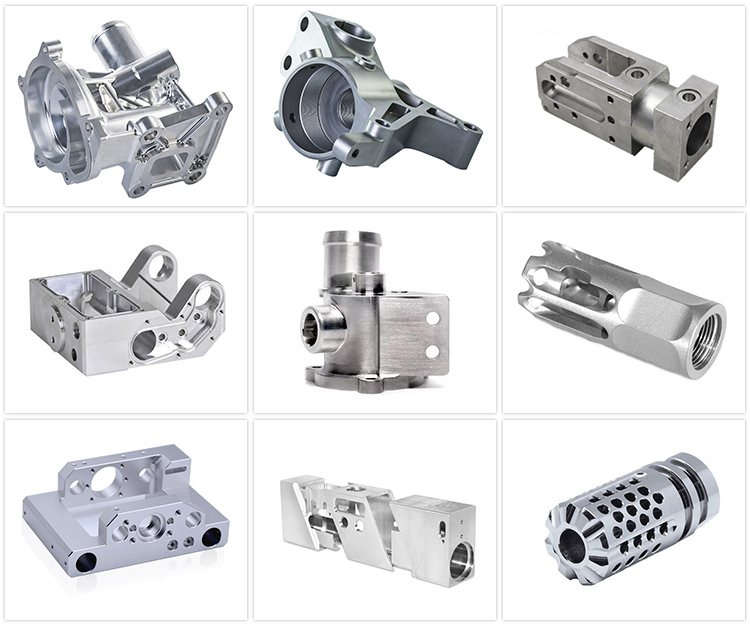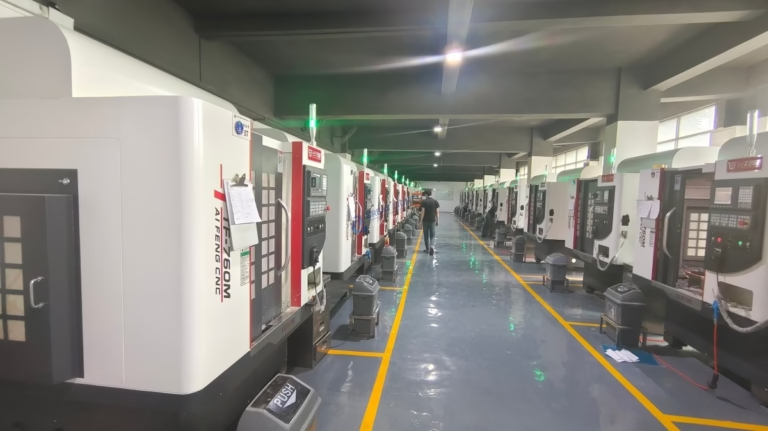
When exploring the landscape of custom part production, one of the most frequent and critical questions from engineers, designers, and procurement specialists is: “What factors influence CNC machine service cost?” Understanding the answer is not just about getting a quote; it’s about unlocking value, optimizing designs for manufacturability (DFM), and building a sustainable partnership with a machining supplier. The final price tag on a CNC machined part is a culmination of a complex equation involving material science, engineering time, machine capability, and quality assurance. Let’s deconstruct this equation to empower you with the knowledge to navigate costs effectively.
H2: The Core Drivers Behind CNC Machining Pricing
Unlike commodity pricing, CNC service costs are highly project-specific. Two visually identical blocks of aluminum can have vastly different costs based on what’s inside the design and what’s required around the manufacturing process. Here are the primary cost drivers:
1. Part Design & Geometry Complexity
This is arguably the most significant factor. A simple bracket with through-holes is inexpensive. A complex, organic-shaped aerospace component with internal channels, thin walls, and compound curvatures is not.
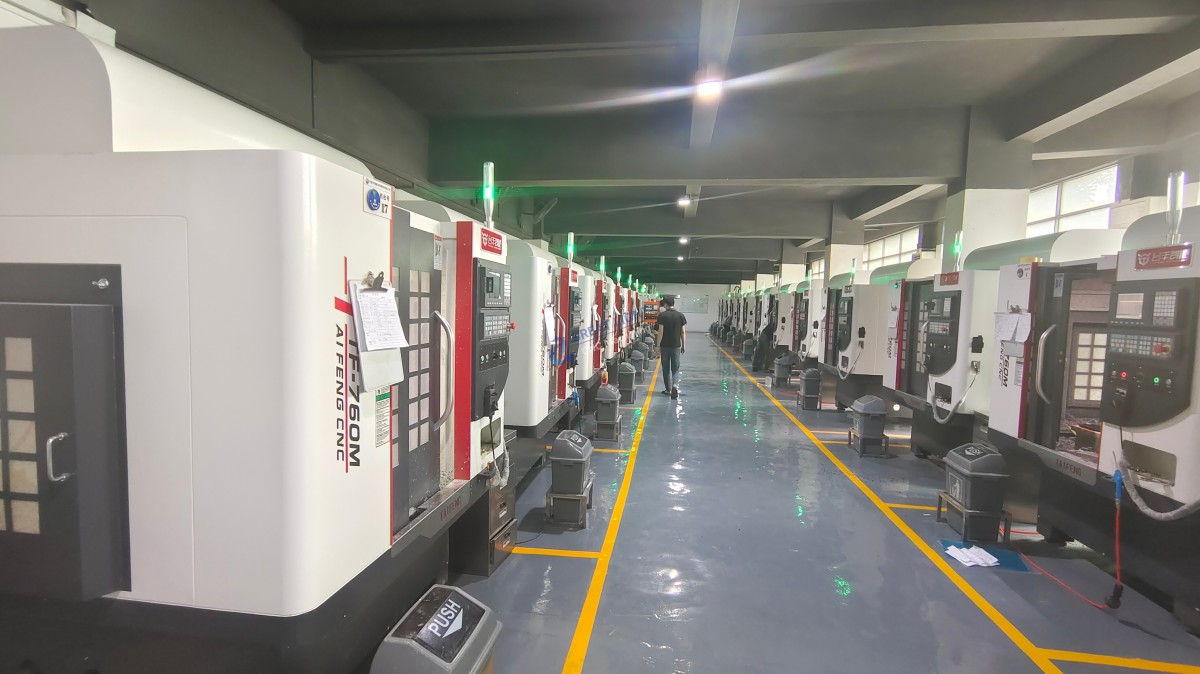
Setup Time: Each new orientation a part requires in the machine necessitates a new setup—fixturing, indicating, and programming. A part that can be completed in one setup on a 5-axis CNC machining center will be far more cost-effective than one requiring multiple setups on a 3-axis machine.
Machining Time: Complex geometries require longer tool paths, slower feed rates, and more tool changes. Deep pockets, high aspect ratio features, and intricate details all add to the machine’s cycle time, which directly correlates to cost.
Tolerances & Surface Finish: Standard tolerances (±0.1mm) are economical. When your design calls for tolerances of ±0.025mm, ±0.01mm, or tighter, the cost increases exponentially. Achieving this requires slower machining, specialized tooling, climate-controlled environments, and meticulous inspection, all adding labor and machine time.
2. Material Selection & Raw Stock Size
The choice of material impacts cost in several ways:
Material Cost Per Kilogram: From commodity aluminum 6061 to high-performance alloys like Inconel 718 or titanium Ti6Al4V, raw material costs can vary by a factor of 10 or more.
Machinability: Softer materials like aluminum and brass cut quickly, reducing machine time. Hardened steels, stainless steels, and superalloys are tougher on tools, require slower speeds, and lead to higher tool wear costs.
Raw Stock Form & Size: Starting with a near-net-shape blank (e.g., a forged pre-form) can reduce machining time and material waste compared to hogging out a part from a solid block. The size of the initial stock also dictates the size of the machine required.
3. Order Volume & Production Quantity
CNC machining follows a classic economy of scale model, but with a digital twist.
Prototyping (1-10 pieces): Costs are dominated by upfront activities: CAD/CAM programming, fixture design, and setup. The per-part cost is high.
Low-Volume Production (10-500 pieces): The upfront engineering cost is amortized over more parts. Optimized tool paths and established fixtures bring the per-part cost down significantly.
High-Volume Production (500+ pieces): At this stage, it’s crucial to evaluate if CNC machining remains the most cost-effective method. Processes like die casting or investment casting may become more economical, though they have higher initial tooling costs.
4. Post-Processing & Finishing Requirements
A part fresh off the machine is often not the final product. Secondary operations add cost but are essential for function and aesthetics.
Deburring & Cleaning: Basic hand finishing is standard. Automated tumbling or thermal deburring adds cost.
Surface Treatments: Anodizing (Type II or III), powder coating, plating (nickel, chrome), passivation, or heat treatment (e.g., annealing, tempering) each have their own process cost.
Specialized Finishes: A cosmetic mirror polish, precision grinding to sub-micron tolerances, or applying specialized coatings like Teflon or ceramic add significant value and cost.
5. Quality Assurance & Certifications
The level of verification required is a direct cost factor.
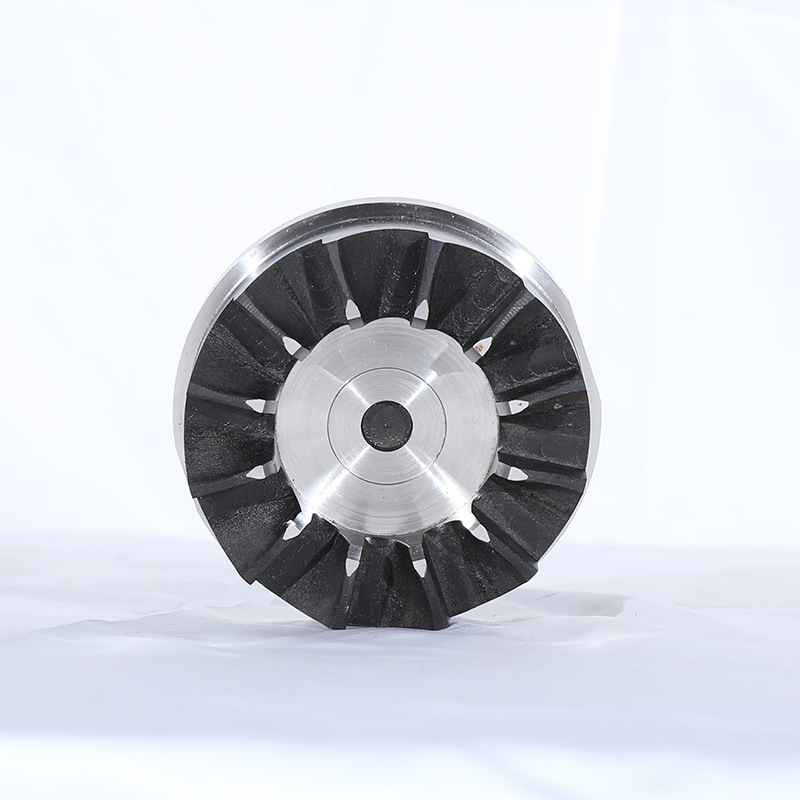
First Article Inspection (FAI): A comprehensive dimensional report for the first part off the line.
In-Process Inspection: Using CMMs (Coordinate Measuring Machines) or optical scanners during production.
Full Lot Certification: Material traceability, heat lot codes, and certification of conformance for every part in a batch.
Supplier Certifications: Partnering with an ISO 9001:2015 certified manufacturer like GreatLight CNC Machining Factory implies a built-in cost for maintaining a rigorous quality management system, but it drastically reduces the risk of non-conforming parts and project delays.
H3: A Comparative Look at Cost Structures: Simple vs. Complex Parts
| Cost Factor | Simple Part (e.g., Aluminum Spacer) | Complex Part (e.g., Titanium Aerospace Bracket) |
|---|---|---|
| Design Complexity | Low; 2.5D geometry, through-holes. | High; 3D contours, thin webs, undercuts, integrated cooling channels. |
| Primary Machining | 3-axis CNC milling, 1-2 setups. | 5-axis CNC machining required, dynamic milling, multiple specialized tools. |
| Tolerance | ±0.1 mm (standard). | ±0.025 mm critical bore, true position callouts. |
| Material | Aluminum 6061 (low cost, high machinability). | Titanium Ti6Al4V (high cost, low machinability). |
| Post-Processing | Vibratory tumbling, light bead blast. | Stress relief, precision grinding, anodizing per MIL-A-8625. |
| QA/QC | Caliper check of critical dimensions. | Full CMM inspection, material certs, FAI report to AS9102 standard. |
| Cost Driver Summary | Dominated by material and base machine time. | Dominated by engineering (CAM), machine time on advanced equipment, and rigorous QA. |
H3: Navigating the Quotation Process: How to Get the Best Value
Provide Complete & Clean Data: A fully defined 3D CAD model (STEP or IGES preferred) and a clear, concise drawing with critical dimensions, tolerances, and finishes will prevent back-and-forth queries and ensure the quote is accurate.
Embrace DFM Feedback: A reputable supplier like GreatLight Metal, Protolabs, or Xometry will often provide unsolicited DFM advice. Listen to it. Changing a sharp internal corner to a radius, adjusting a tolerance that is tighter than functionally necessary, or suggesting a slight geometry change to reduce setups can slash costs by 20-40% without compromising part function.
Be Transparent About Volume Intent: If you plan to scale, communicate this. A supplier may suggest a more cost-effective machining strategy or material for prototyping that is compatible with a future higher-volume process.
Understand the “Why” Behind the Quote: Don’t just compare bottom-line numbers. Ask for a brief breakdown. Why is Supplier A much cheaper? Are they using a different material grade? Are they proposing a less capable 3-axis process that risks quality? The lowest quote often carries hidden risks of delay, rework, and failure.
H2: The GreatLight Metal Advantage: Where Cost Meets Uncompromised Value
While many machine shops can remove material, the true cost of a project includes risk, time, and total lifecycle value. This is where a partner like GreatLight CNC Machining Factory differentiates itself.
Technical Depth to Reduce Cost: Our advanced 5-axis CNC machining capabilities allow us to complete complex parts in a single setup, eliminating the cost and error accumulation of multiple fixturings. Our in-house tooling expertise and optimized CAM strategies maximize metal removal rates and tool life, directly reducing machine time.
Full-Process Control: By integrating everything from SLM metal 3D printing for impossible-to-machine prototypes to vacuum casting for low-volume runs, all under one roof, we eliminate the markups and communication gaps of multi-vendor management, offering a more predictable and often lower total cost.
Risk Mitigation as a Cost Saver: Our IATF 16949 and ISO 13485 compliant systems for automotive and medical parts aren’t just certificates; they are proactive frameworks that prevent expensive mistakes. A part that fails incoming QC at your facility costs far more than a slight premium for guaranteed conformance.
Engineering Partnership: We view ourselves as an extension of your team. Our engineers don’t just quote your print; they analyze it to propose smarter, more manufacturable, and more cost-effective solutions from the very first interaction.
In conclusion, the CNC machine service cost is a multidimensional figure that reflects not just the physical part, but the expertise, technology, and reliability bundled into its creation. By focusing on the partnership with a technically adept and systematically rigorous supplier, you transform the cost discussion from a simple procurement exercise into a strategic investment in your product’s success, quality, and timely launch. For projects where precision, complexity, and certainty are non-negotiable, exploring a partnership with an expert like GreatLight CNC Machining Factory{:target=”_blank”} is a decisive step toward optimizing both cost and value. To see how industry leaders are leveraging such partnerships, connect with us on LinkedIn{:target=”_blank”}.