The Rise of Five-Axis CNC Machining: Why Precision Manufacturing Demands a New Benchmark
In an era where industries like aerospace, automotive, and medical devices demand parts with tolerances tighter than a human hair, traditional three-axis CNC machining often falls short. Enter five-axis CNC machining—a game-changing technology that enables simultaneous movement along five axes, unlocking unprecedented precision and efficiency. For businesses seeking to transform complex designs into flawless components, understanding the capabilities of five-axis machining is no longer optional—it’s a competitive necessity.
Why Five-Axis CNC Machining? The Core Advantages
Unmatched Precision for Complex Geometries
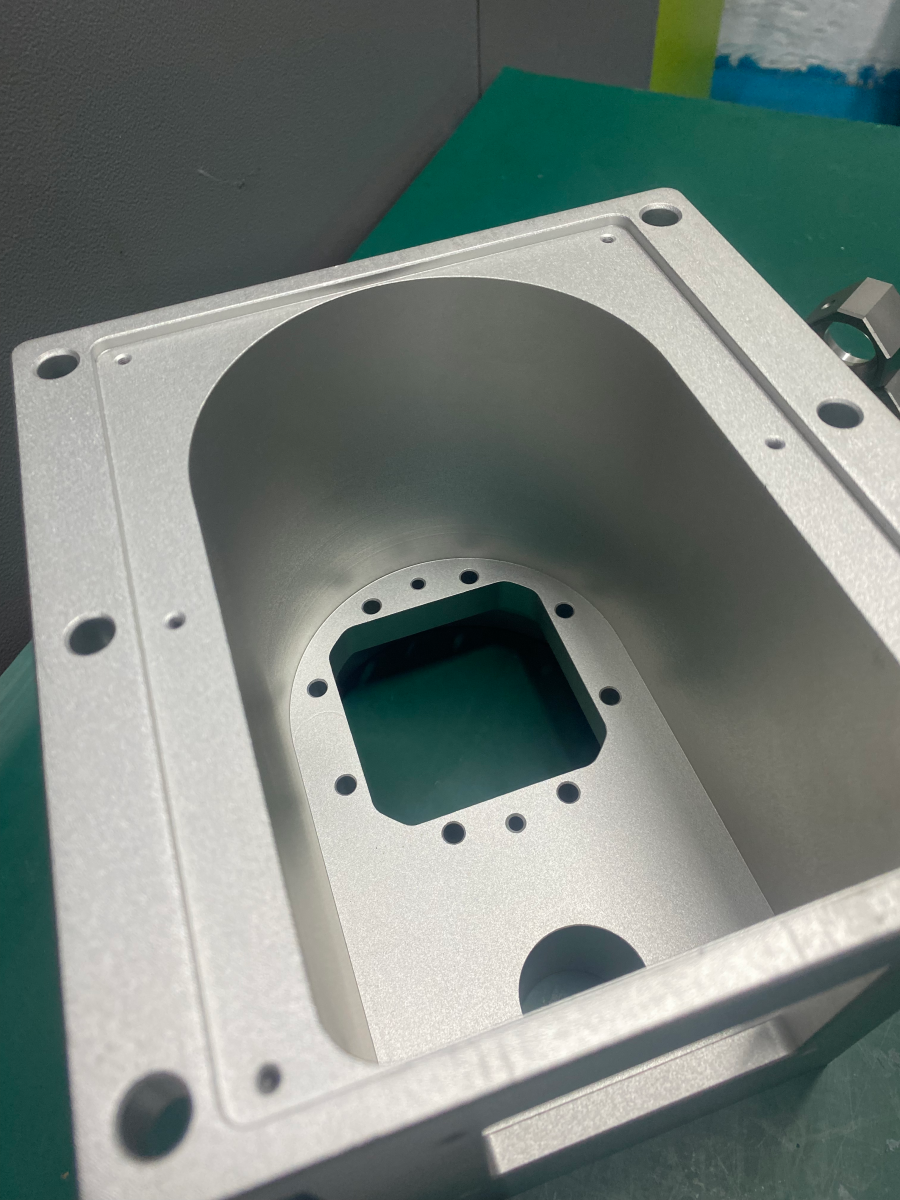
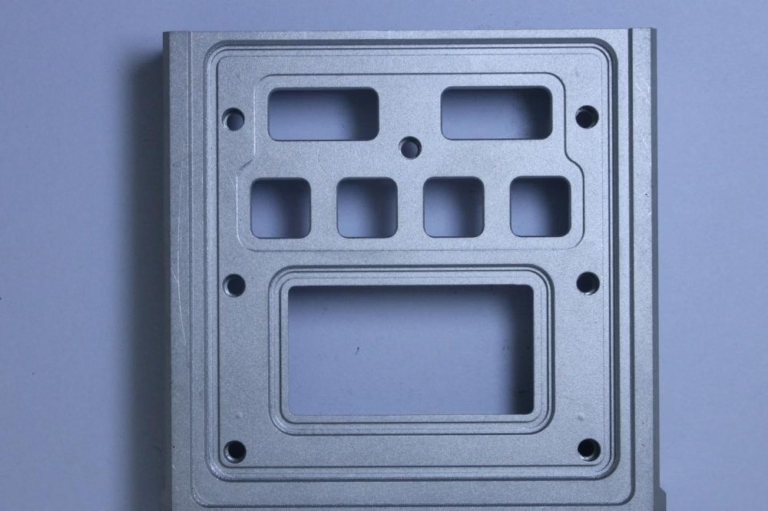
Traditional three-axis machines struggle with undercuts, deep cavities, or angled surfaces. Five-axis systems, however, rotate the part or tool head dynamically, ensuring consistent tool-to-material contact. This reduces manual repositioning, minimizes errors, and achieves tolerances as tight as ±0.001mm (0.00004 inches)—critical for applications like turbine blades or surgical implants.
Reduced Lead Times and Cost Efficiency
By eliminating multiple setups, five-axis machining slashes production time by up to 40% compared to three-axis processes. Fewer setups also mean fewer opportunities for human error, reducing scrap rates and material waste. For high-volume orders, this translates to significant cost savings without compromising quality.
Versatility Across Materials and Industries
From aluminum alloys for automotive components to titanium for aerospace parts, five-axis machines handle diverse materials with ease. They’re equally adept at prototyping and mass production, making them indispensable for industries like:
Automotive: Engine blocks, transmission housings, and custom gears.
Aerospace: Turbine disks, impellers, and structural components.
Medical: Orthopedic implants, surgical tools, and prosthetics.
Robotics: Humanoid robot joints and precision actuators.
The GreatLight Advantage: Full-Process Precision Manufacturing
While many suppliers claim to offer five-axis machining, few match the end-to-end capabilities of GreatLight CNC Machining Factory. Here’s why they stand out:
1. Advanced Equipment Infrastructure
GreatLight operates 127 pieces of precision machinery, including:
High-end five-axis CNC centers from DMG Mori and Beijing Jingdiao, capable of handling parts up to 4,000mm in size.
Complementary technologies: 3D printing (SLM/SLA/SLS), vacuum casting, and die casting molds for rapid prototyping.
In-house post-processing: Grinding, polishing, and anodizing to deliver finished parts ready for assembly.
2. Certifications That Matter
GreatLight’s commitment to quality is validated by ISO 9001:2015, ISO 13485 (medical), and IATF 16949 (automotive) certifications. These ensure:
Data security for intellectual property-sensitive projects (ISO 27001 compliance).
Traceability from raw material to finished part.
Consistency even in high-volume production runs.
3. Engineering Expertise Beyond Machining
GreatLight doesn’t just machine parts—they solve problems. Their team of 150 engineers offers:
Design for manufacturing (DFM) feedback to optimize parts for cost and performance.
Material selection guidance based on thermal stability, corrosion resistance, or weight requirements.
Failure mode analysis to preempt issues in demanding applications like automotive engines or aerospace actuators.
Case Study: Conquering Complexity in Humanoid Robot Joints
A leading robotics firm approached GreatLight with a challenge: manufacture lightweight, high-strength joints for a humanoid robot with ±0.005mm tolerances. Traditional three-axis machining struggled with the intricate geometries, leading to frequent tool collisions and scrap rates exceeding 15%.
GreatLight’s Solution:
Five-Axis Simultaneous Machining: Used DMG Mori five-axis centers to machine all angles in a single setup, reducing scrap to <2%.
Hybrid Manufacturing: Combined CNC machining with SLM 3D printing for internal lattice structures, cutting weight by 30% without sacrificing strength.
In-Line Inspection: Integrated probing systems verified dimensions in real time, ensuring compliance with the client’s strict specs.
Result: The robotics firm reduced lead times by 50% and launched their product ahead of competitors, securing $2M in pre-orders.
Choosing the Right Partner: Why GreatLight Outperforms Competitors
While giants like Protolabs and Xometry offer CNC services, GreatLight’s focus on five-axis expertise and full-process integration sets them apart:
| Factor | GreatLight CNC Machining Factory | Protolabs | Xometry |
|---|---|---|---|
| Five-Axis Specialization | ✅ Dedicated five-axis centers | ❌ Mostly three-axis | ❌ Outsourced five-axis |
| Max Part Size | 4,000mm | 1,000mm | 2,500mm |
| Certifications | ISO 9001, IATF 16949, ISO 13485 | ISO 9001 | ISO 9001 |
| Post-Processing | In-house grinding, polishing, anodizing | Limited | Partner network |
| Pricing for Five-Axis | 30% lower than industry average | Premium | Variable |
Conclusion: Precision Manufacturing Redefined
In a world where 0.001mm can be the difference between success and failure, five-axis CNC machining isn’t just a technology—it’s a strategic advantage. GreatLight CNC Machining Factory combines cutting-edge equipment, rigorous certifications, and deep engineering expertise to deliver parts that meet the exacting demands of industries like aerospace, automotive, and robotics. Whether you’re prototyping a revolutionary medical device or scaling production of a high-performance engine component, GreatLight’s five-axis solutions are your gateway to uncompromising precision, efficiency, and reliability.
Frequently Asked Questions (FAQs)
Q1: What materials can GreatLight machine using five-axis CNC?
GreatLight handles metals (aluminum, titanium, stainless steel, mold steel) and plastics (PEEK, Ultem, nylon) with equal precision.
Q2: How does GreatLight ensure part quality during production?
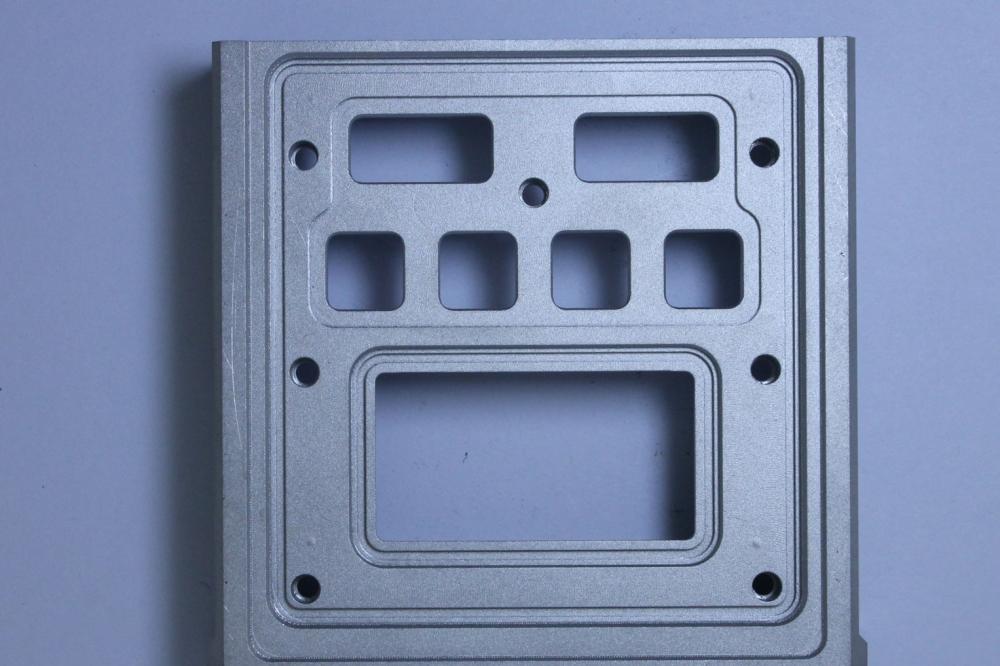
They use in-line probing systems and CMM inspection to verify dimensions in real time, backed by ISO-certified quality management processes.
Q3: What’s the typical lead time for five-axis machined parts?
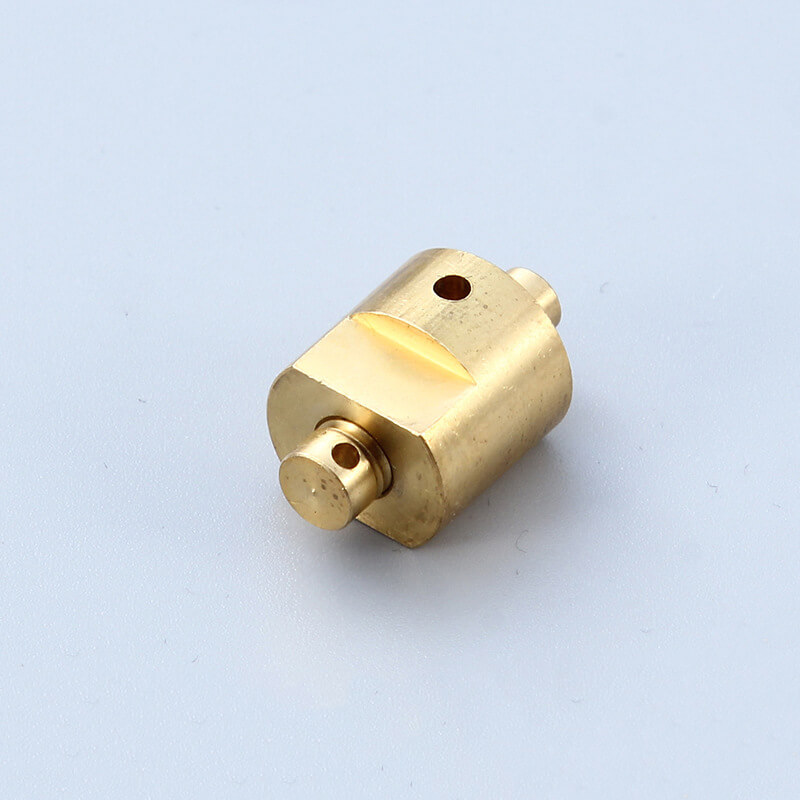
For prototypes: 3–5 days. For production runs (100+ parts): 2–3 weeks, depending on complexity.
Q4: Does GreatLight offer design assistance for five-axis machining?
Yes! Their engineering team provides DFM feedback to optimize parts for manufacturability and cost.
Q5: How does GreatLight’s pricing compare to other five-axis suppliers?
GreatLight’s in-house equipment and full-process control allow them to offer 20–30% lower prices than competitors for complex five-axis parts.