
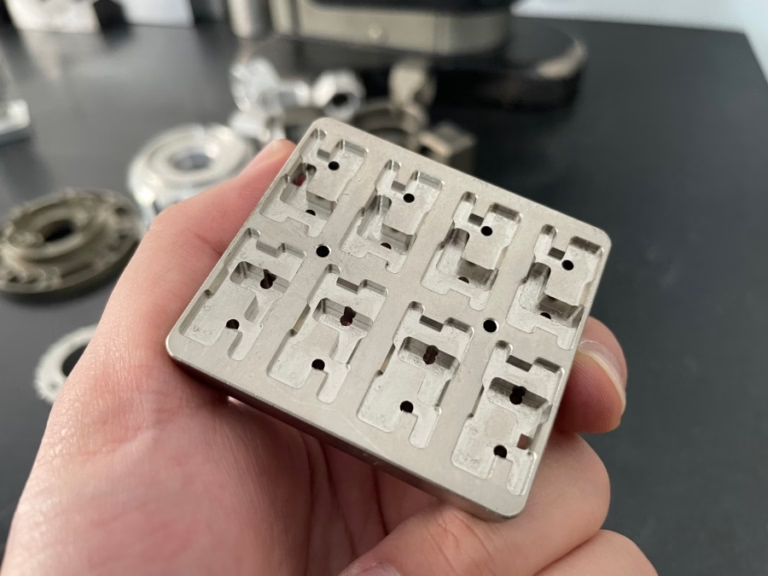
What Is The Full Form Of CNC Machine? If you’re in the precision parts machining or custom manufacturing space, you’ve likely encountered this acronym countless times, but understanding its full meaning and the technology behind it is key to leveraging its full potential for your projects. The full form of CNC Machine is Computer Numerical Control Machine—a technology that has revolutionized modern manufacturing by replacing manual machining tasks with automated, computer-guided processes.
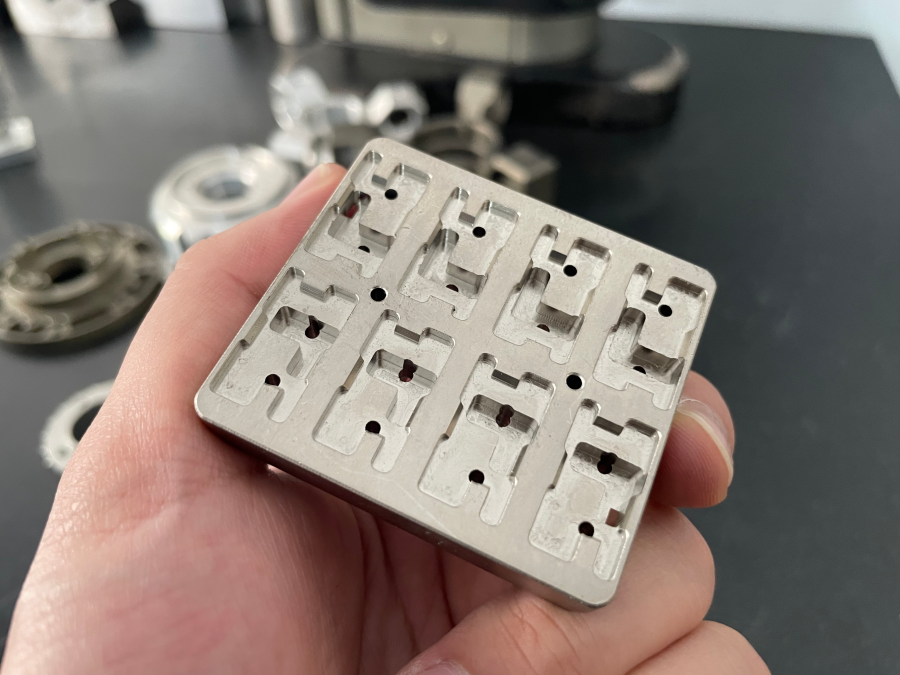
What Is The Full Form Of CNC Machine?
At its core, a CNC machine is a computer-controlled tool that uses pre-programmed numerical instructions to cut, shape, or drill materials into precise parts. To fully grasp its value, let’s break down each component of the CNC acronym:
Breaking Down The CNC Acronym
Computer: The “brain” of the system, where engineers upload 3D CAD (Computer-Aided Design) models. Specialized software converts these models into machine-readable code (most commonly G-code or M-code), which outlines every movement and operation the machine needs to perform.
Numerical: Refers to the set of exact numerical coordinates and commands that dictate the machine’s actions. These coordinates correspond to the part’s dimensions, angles, and surface details, ensuring every cut aligns perfectly with the design specifications.
Control: The hardware and software interface that executes the numerical code. It regulates critical parameters like tool speed, feed rate, spindle rotation, and axis movement, eliminating the need for constant manual adjustment by an operator.
How CNC Machining Transforms Traditional Manufacturing
Before CNC technology emerged, precision manufacturing relied heavily on manual machining. Skilled operators used hand cranks, levers, and visual checks to guide tools like lathes and mills. While this method worked for simple parts, it had significant limitations:
High risk of human error leading to inconsistent part quality.
Inability to produce complex 3D geometries efficiently.
Slow production speeds due to the need for constant operator supervision.
Limited scalability for large batch orders.
CNC machining solves these challenges by automating the entire process:
Design & Code Generation: Engineers create a detailed 3D CAD model of the part. This model is then converted into G-code using CAM (Computer-Aided Manufacturing) software, which translates design intent into step-by-step machine instructions.
Machine Setup: The CNC machine is prepared with the appropriate cutting tools, material blanks, and fixtures. Operators input the code and calibrate the machine to ensure alignment with the design.
Automated Production: The machine runs independently, executing the code to cut, drill, or shape the material. It can operate 24/7 with minimal supervision, significantly reducing lead times.
Quality Inspection: Finished parts are inspected using precision tools like coordinate measuring machines (CMMs) to verify they meet the specified tolerances.
Key Advantages of CNC Machining for Precision Parts
CNC technology offers a suite of benefits that make it indispensable for modern precision manufacturing:
Unmatched Precision: CNC machines consistently achieve tolerances as tight as ±0.001mm, a level of accuracy that manual machining cannot replicate for high-volume runs.
Repeatability: Every part produced from the same code is identical, ensuring uniform quality even for large batches.
Complex Geometry Capability: CNC machines (especially 5-axis models) can create intricate, 3D shapes—like those used in humanoid robot joints or aerospace components—that would be nearly impossible to make manually.
Efficiency: Automated operation reduces labor costs and minimizes downtime, making production faster and more cost-effective.
Versatility: CNC machines process a wide range of materials, including metals (aluminum, titanium, stainless steel) and plastics (ABS, PEEK, PC), making them suitable for industries from medical devices to automotive engineering.
GreatLight Metal: Harnessing CNC Technology for Your Custom Precision Parts
As a leading precision manufacturing partner, GreatLight Metal (also known as GreatLight CNC Machining Factory) leverages state-of-the-art CNC technology to deliver exceptional results for clients across industries. Our expertise spans 3-axis, 4-axis, and 5-axis CNC machining services (learn more about our 5-axis CNC capabilities here), allowing us to tackle even the most complex part designs with ease.
Founded in 2011 in Dongguan’s Chang’an District—China’s renowned “Hardware and Mould Capital”—GreatLight operates from a 7600-square-meter facility with 150 skilled employees and 127 pieces of precision equipment, including large high-precision 5-axis machining centers, lathes, milling machines, and EDM machines. We hold a comprehensive set of international certifications, including ISO 9001:2015, IATF 16949 (for automotive components), ISO 13485 (for medical hardware), and ISO 27001 (for data security), ensuring our processes meet the highest global standards.
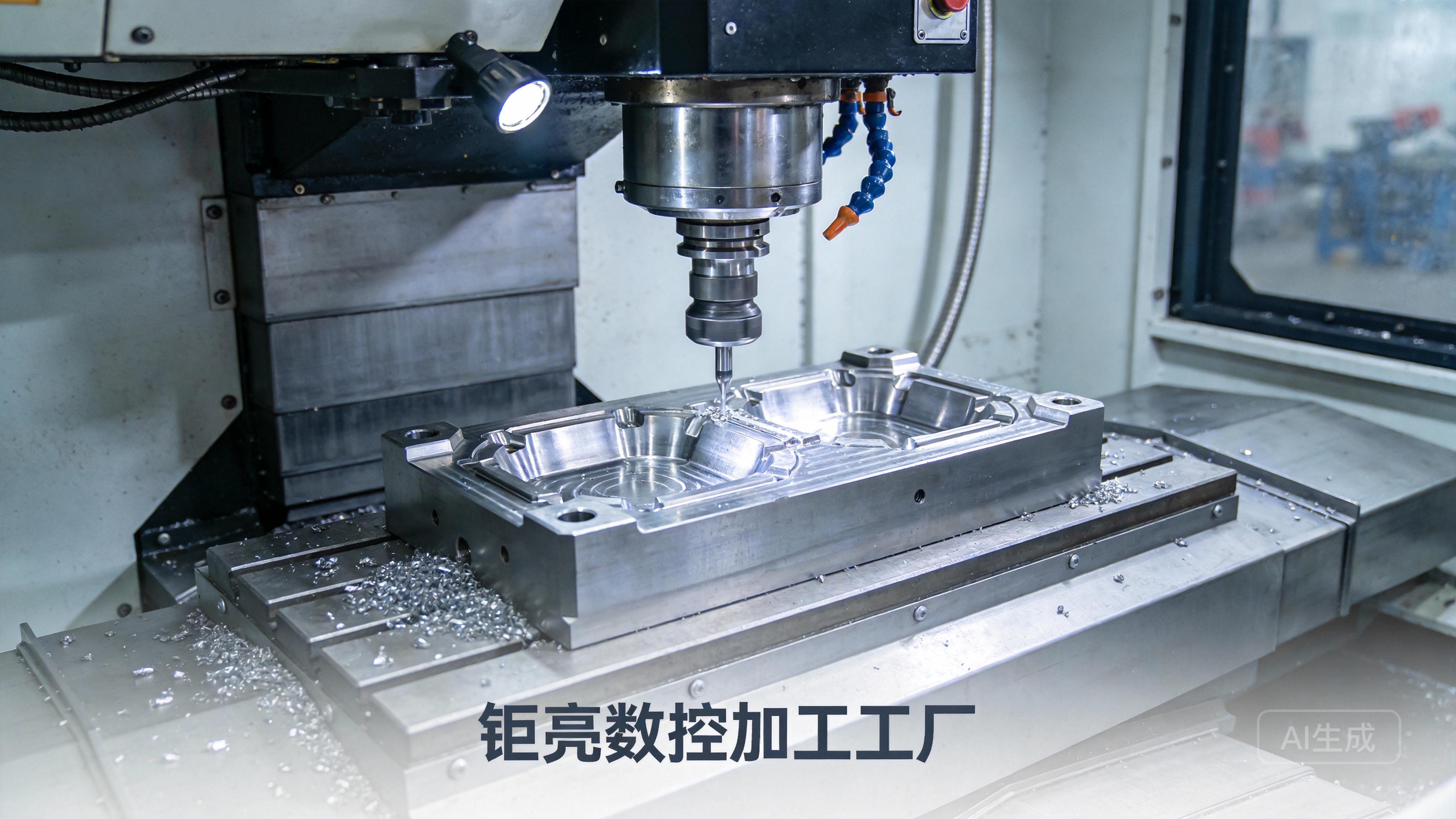
Our CNC machining capabilities are backed by:
Ultra-High Precision: We can achieve tolerances of ±0.001mm and above, perfect for critical components in medical implants, automotive engines, and aerospace systems.
Full-Process Solutions: Beyond CNC machining, we offer one-stop services including die casting, sheet metal fabrication, 3D printing (SLM, SLA, SLS), and surface post-processing (anodizing, powder coating, polishing, etc.), streamlining your production workflow from concept to finished product.
After-Sales Guarantee: We stand behind our work with free rework for quality issues and a full refund if rework does not meet your requirements, giving you peace of mind.
A notable example of our CNC expertise is our partnership with a leading humanoid robotics manufacturer. The client needed complex joint components with intricate 3D geometries and tight tolerances to ensure smooth, durable movement. Our team translated the client’s CAD models into optimized G-code, set up our 5-axis CNC machines, and delivered over 500 identical parts in just two weeks—meeting the client’s strict deadlines and quality standards.
Conclusion
What Is The Full Form Of CNC Machine? It stands for Computer Numerical Control Machine—a technology that has redefined precision manufacturing with its accuracy, repeatability, and versatility. For businesses looking to turn complex design concepts into high-quality physical parts, partnering with a trusted CNC machining expert is crucial. GreatLight Metal combines over a decade of experience, advanced equipment, and rigorous quality control to deliver tailored solutions that meet your unique needs. Whether you need a single prototype or large-scale production runs, our CNC machining services are designed to help you succeed in today’s competitive market.
Frequently Asked Questions (FAQ)
1. What does CNC stand for in machining?
CNC stands for Computer Numerical Control. It refers to automated machining processes where computers control machine tools to produce precision parts based on digital design files.
2. What is the difference between 3-axis, 4-axis, and 5-axis CNC machining?
3-axis CNC: Moves the tool along three linear axes (X, Y, Z), ideal for flat or simple 3D parts like brackets or panels.
4-axis CNC: Adds a rotational axis (A or B) to the 3-axis system, allowing the part to be rotated for access to multiple sides without re-fixturing. This is useful for parts like gears or housing components.
5-axis CNC: Adds two rotational axes, enabling the tool to approach the part from any angle. This is perfect for highly complex parts like aerospace turbine blades or robotics joints. GreatLight Metal specializes in high-precision 5-axis machining for challenging projects.
3. What materials can be processed with CNC machines?
CNC machines can process a wide range of materials, including metals (aluminum, titanium, stainless steel, mold steel), plastics (ABS, PC, PEEK), and composites. GreatLight Metal has expertise in machining both common and exotic materials for custom parts.
4. What tolerances can CNC machines achieve?
High-precision CNC machines can achieve tolerances as tight as ±0.001mm. GreatLight Metal’s capabilities include this level of precision, making us suitable for critical applications where accuracy is non-negotiable.
5. How long does it take to get custom CNC machined parts?
Lead times depend on the part’s complexity, batch size, and post-processing requirements. GreatLight Metal can deliver prototypes in as little as 3-5 days and large batch orders in 1-2 weeks. For urgent projects, we offer expedited services upon request.
6. Why choose GreatLight Metal for CNC machining services?
GreatLight Metal offers a unique combination of advanced equipment, international certifications, full-process solutions, and a strong after-sales guarantee. Our team has over a decade of experience in precision manufacturing and specializes in solving complex challenges for clients in automotive, medical, aerospace, and robotics industries. For more insights into our work and capabilities, connect with us on LinkedIn.



















