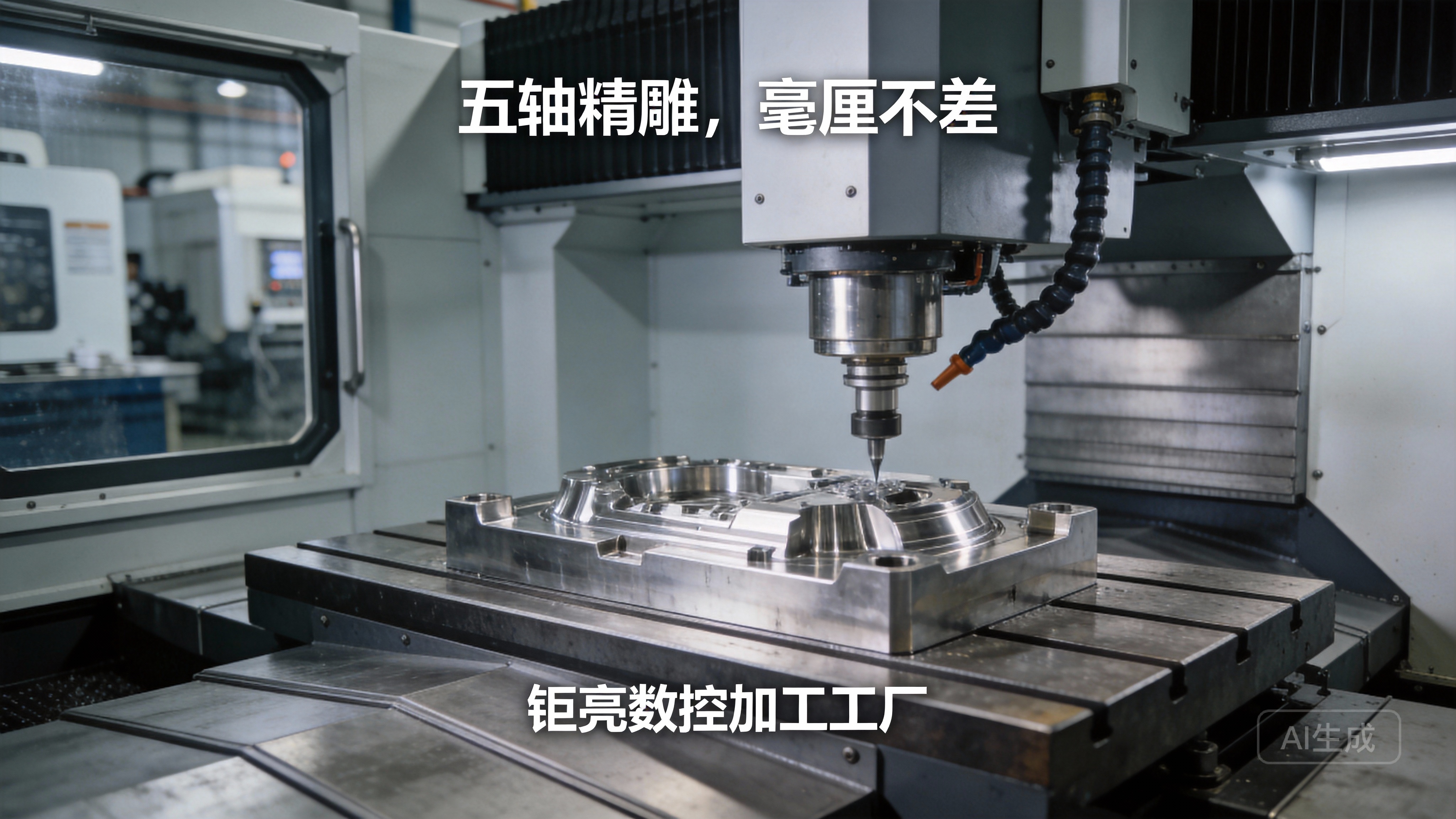
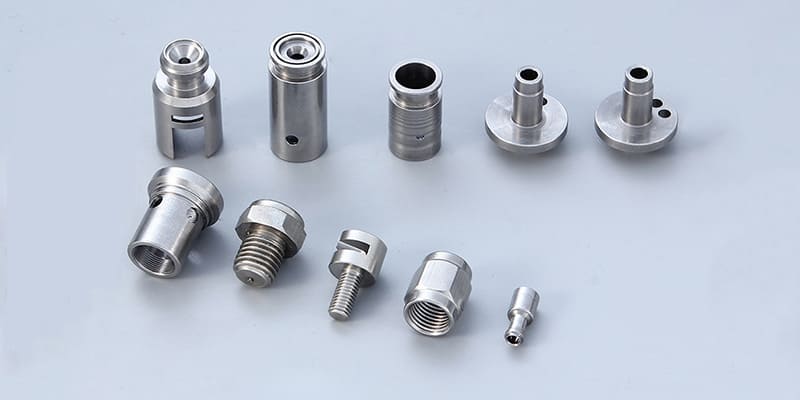
If you’ve ever wondered, “What Is A CNC Machine And What Does It Do?” you’re not alone—this technology is the backbone of modern precision manufacturing, powering everything from lightweight aerospace components to life-saving medical implants and high-performance automotive parts. For engineers, product designers, and procurement professionals, understanding CNC machining is critical to turning innovative concepts into tangible, high-quality parts. But beyond the basic definition, knowing how CNC machines work, their key capabilities, and how to choose the right partner can make all the difference in the success of your project.
What Is A CNC Machine And What Does It Do?
Defining CNC Machining: Beyond Manual Control
CNC stands for Computer Numerical Control. Unlike manual machining, where a skilled operator uses hand tools or levers to control cutting, drilling, or milling actions, CNC machines follow pre-programmed digital instructions to execute precise, repeatable movements. These instructions are typically created using Computer-Aided Design (CAD) software, which converts 3D models into G-code—the universal programming language for CNC machines. This shift from human-led to computer-controlled operation eliminates the margin of error inherent in manual work, enabling consistent production of parts with tight tolerances.
Core Components of a CNC Machine
Every CNC machine consists of several key components that work in tandem to deliver precision results:
Control Unit: The “brain” of the machine, which interprets G-code and sends signals to the mechanical components. Modern control units feature intuitive interfaces for programming and real-time monitoring.
Machine Tool: The physical structure that holds the workpiece and cutting tools, including mills, lathes, routers, or grinders. The type of tool depends on the machining task (e.g., milling for shaping solid materials, lathes for turning cylindrical parts).
Drive System: Translates electrical signals from the control unit into mechanical motion, using servo motors or stepper motors for accurate, high-speed movement along multiple axes (X, Y, Z for 3-axis machines; additional A and B/C axes for 4 or 5-axis machines).
Workholding Device: Secures the workpiece in place during machining, ensuring stability and precise alignment. Common examples include vices, clamps, and chucks.
Cutting Tools: Specialized tools like drills, end mills, or taps that remove material from the workpiece to achieve the desired shape. These tools are selected based on the material (metal, plastic, composite) and machining requirements.
How CNC Machines Work: From Design to Finished Part
The CNC machining process follows a clear, repeatable workflow:
Design Phase: Engineers create a detailed 3D model of the part using CAD software (e.g., SolidWorks, AutoCAD). This model includes all critical dimensions, tolerances, and surface finishes.
Programming: The CAD model is converted into G-code using Computer-Aided Manufacturing (CAM) software. This code includes specific instructions for tool paths, speed, feed rate, and cutting depth.
Setup: A machinist prepares the CNC machine by installing the appropriate cutting tools, securing the workpiece in a workholding device, and calibrating the machine to ensure alignment.
Machining: The machine executes the G-code, with the control unit guiding the cutting tools to remove material from the workpiece with precision. Operators monitor the process to ensure everything runs smoothly.
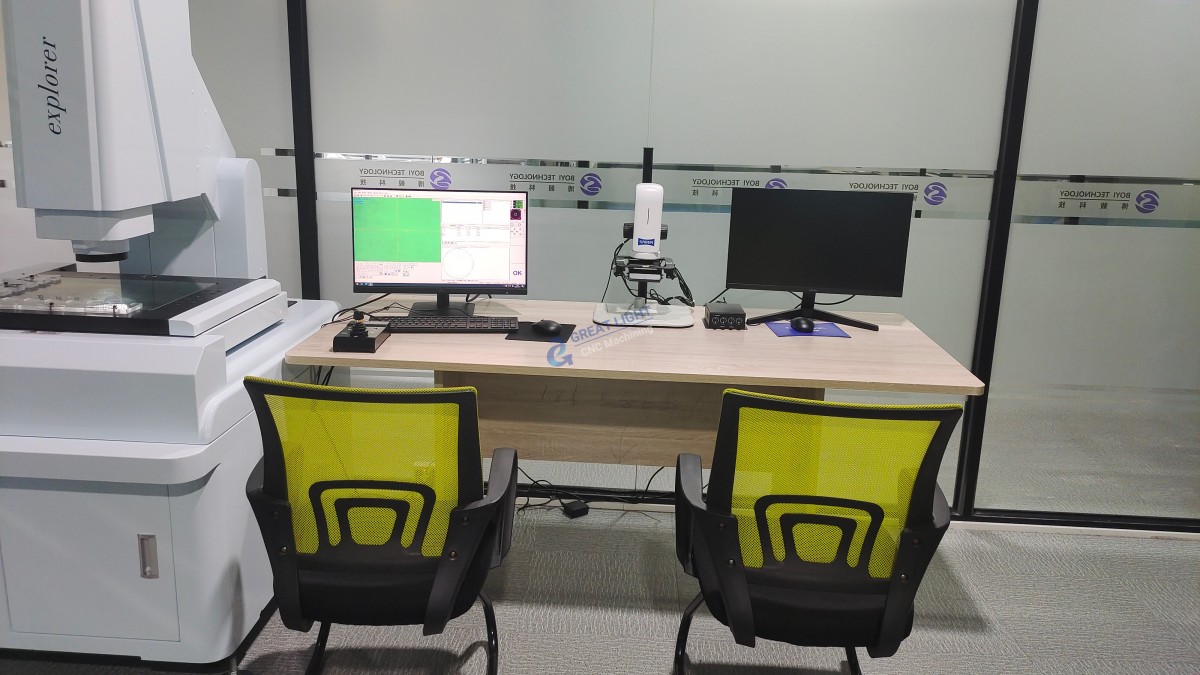
Inspection: Finished parts are inspected using precision measuring tools (e.g., coordinate measuring machines, micrometers) to verify they meet the design specifications.
Post-Processing: Depending on the part’s requirements, additional steps like polishing, anodizing, painting, or heat treatment are applied to achieve the desired surface finish or material properties.
Key Functions What CNC Machines Excel At
CNC machines are versatile tools that can perform a wide range of machining operations, including:
Milling: Removing material from a solid workpiece to create complex shapes, holes, or grooves.
Turning: Rotating a workpiece while a cutting tool shapes its exterior, ideal for cylindrical parts like shafts or bolts.
Drilling: Creating precise holes in a workpiece, with control over depth and diameter.
Grinding: Smoothing surfaces to achieve ultra-fine finishes and tight tolerances.
EDM (Electrical Discharge Machining): Using electrical sparks to cut hard materials that are difficult to machine with traditional tools, often used for mold making.
For projects requiring the most complex geometries—such as curved surfaces, undercuts, or parts that need to be machined from multiple angles—five-axis CNC machining services (opens in new window) are unmatched. This advanced technology allows the machine to move the workpiece or cutting tool along five simultaneous axes, eliminating the need for multiple setups and reducing production time while maintaining exceptional precision.
Why CNC Machining Is Indispensable for Precision Custom Parts
Advantages Over Manual Machining
CNC machining offers significant benefits compared to manual machining, making it the preferred choice for most precision manufacturing projects:
Unmatched Precision: CNC machines can achieve tolerances as tight as ±0.001mm, far beyond what’s possible with manual control. This is critical for parts that need to fit perfectly with other components.
Consistency: Every part produced from the same G-code is identical, ensuring uniformity even in large production runs. This eliminates the variability caused by human error.
Efficiency: CNC machines can run 24/7 with minimal supervision, reducing production lead times. Complex parts that would take hours to machine manually can be completed in minutes with CNC.
Versatility: By changing the G-code and cutting tools, a single CNC machine can produce a wide range of parts, from simple brackets to intricate aerospace components.
Safety: Since the machine operates automatically, operators are less exposed to sharp tools and moving parts, reducing the risk of workplace accidents.
Industry Applications Where CNC Shines
CNC machining is used across nearly every industry that requires precision parts, including:
Aerospace: Manufacturing lightweight, high-strength components like turbine blades, engine parts, and structural brackets, which demand strict tolerances to withstand extreme conditions.
Medical: Producing surgical instruments, implantable devices (e.g., hip replacements), and diagnostic equipment parts, where precision and biocompatibility are non-negotiable.
Automotive: Creating engine components, transmission parts, and custom prototypes for electric vehicles, supporting the shift to sustainable mobility.
Robotics: Building complex joints, gears, and structural parts for humanoid robots and industrial automation systems, which require precise movement and durability.
High-End Consumer Electronics: Machining custom enclosures, heat sinks, and internal components for smartphones, laptops, and wearables, where aesthetics and functionality go hand in hand.
Choosing the Right CNC Machining Partner: GreatLight Metal’s Edge
Not all CNC machining providers are created equal. For custom parts that demand the highest standards of precision, quality, and reliability, partnering with an experienced manufacturer like GreatLight Metal Tech Co., LTD. (GreatLight Metal) is a game-changer. Founded in 2011 and located in Dongguan’s Chang’an District—China’s “Hardware and Mould Capital”—GreatLight Metal has established itself as a leader in precision machining and rapid prototyping, with over a decade of experience serving global clients.
Advanced Equipment Portfolio: From 3-Axis to 5-Axis CNC
GreatLight Metal’s 7,600-square-meter facility is equipped with 127 pieces of precision peripheral equipment, including:
Large high-precision 3-axis, 4-axis, and 5-axis CNC machining centers from leading brands like Dema and Beijing Jingdiao.
Lathes, milling machines, grinding machines, and EDM machines for a wide range of machining tasks.
SLM, SLA, and SLS 3D printers for rapid prototyping of metal (stainless steel, aluminum alloy, titanium alloy, mold steel) and plastic parts.
Die casting machines, vacuum forming machines, and sheet metal processing equipment for comprehensive manufacturing solutions.
This extensive equipment lineup allows GreatLight Metal to handle projects of all sizes, from single prototypes to large-scale production runs, and tackle even the most complex part designs with ease.
Uncompromising Precision and Quality Assurance
GreatLight Metal’s commitment to quality is evident in every aspect of its operations:
Ultra-High Precision: The company can achieve tolerances of ±0.001mm or better, ensuring parts meet the most stringent design requirements. Its maximum processing size of 4,000mm also accommodates large-scale components.
International Certifications: GreatLight Metal holds ISO 9001:2015 (quality management), ISO 27001 (data security for IP-sensitive projects), ISO 13485 (medical hardware production), and IATF 16949 (automotive and engine component manufacturing) certifications. These certifications demonstrate adherence to global industry standards and a dedication to continuous improvement.
Rigorous Inspection: In-house precision measurement and testing equipment, including coordinate measuring machines (CMMs), ensure every part is inspected against client specifications before shipment.
After-Sales Guarantee: GreatLight Metal stands behind its work with a free rework policy for quality issues, and a full refund if rework does not meet client expectations. This level of after-sales support is rare in the industry and provides clients with peace of mind.
One-Stop Solutions for Every Stage of Production
Unlike many machining providers that only offer basic CNC services, GreatLight Metal provides a full-process chain of solutions, including:
Precision CNC machining (3-axis, 4-axis, 5-axis)
CNC milling and turning
Die casting mold and metal die casting processing
Vacuum casting customization
Sheet metal processing
3D printing for various materials
One-stop surface post-processing services (polishing, anodizing, painting, powder coating, etc.)
This one-stop approach eliminates the need for clients to coordinate with multiple vendors, reducing communication gaps, shortening lead times, and ensuring consistent quality across all production stages.
Proven Success in High-Stakes Industries
GreatLight Metal’s expertise is trusted by clients in some of the most demanding industries:
Automotive: The company has supported new energy vehicle manufacturers by producing complex e-housing components, which require precise cooling channels and tight tolerances to ensure efficient performance.
Medical: GreatLight Metal manufactures surgical instruments and implantable device parts that meet ISO 13485 standards, ensuring biocompatibility and reliability.
Robotics: It customizes metal parts for humanoid robots, including joints and structural components that enable smooth, precise movement.
Aerospace: The company produces lightweight, high-strength components for aerospace applications, adhering to strict quality and safety standards.
For more information about GreatLight Metal’s projects and client success stories, you can visit their official LinkedIn page (opens in new window).
Addressing Common CNC Machining Pain Points
Many clients face common challenges when working with CNC machining providers, but GreatLight Metal has tailored its services to address these pain points head-on:
Precision Gaps: Some suppliers claim to offer high precision but fail to deliver in mass production due to outdated equipment or inconsistent processes. GreatLight Metal’s advanced machinery and rigorous inspection protocols ensure every part meets the specified tolerances, eliminating the “precision black hole” that plagues many projects.
Inconsistent Quality: Manual setups and lack of standardized processes can lead to part-to-part variability. GreatLight Metal’s automated CNC systems and strict quality management system ensure consistent results across all production runs.
Limited Service Offerings: Coordinating with multiple vendors for machining, prototyping, and post-processing can be time-consuming and risky. GreatLight Metal’s one-stop solutions simplify the process, ensuring seamless transitions between production stages and consistent quality.
Poor After-Sales Support: Many providers avoid taking responsibility for quality issues, leaving clients with costly delays and losses. GreatLight Metal’s free rework and full refund policy provides clients with the assurance that their project will be done right.
Data Security Concerns: For IP-sensitive projects, protecting design files is critical. GreatLight Metal’s ISO 27001 certification ensures strict data security protocols are in place to safeguard client intellectual property.
Conclusion
CNC machining is the backbone of modern precision manufacturing, enabling the production of high-quality, custom parts across a wide range of industries. Understanding “What Is A CNC Machine And What Does It Do?” is the first step in leveraging this technology to bring your innovative ideas to life. When choosing a CNC machining partner, it’s essential to look beyond surface-level claims and select a provider with proven expertise, advanced equipment, and a commitment to quality. GreatLight Metal checks all these boxes, offering comprehensive solutions, uncompromising precision, and exceptional customer support that set it apart from the competition. Whether you’re working on a single prototype or a large-scale production run, GreatLight Metal has the capabilities and experience to deliver results that exceed your expectations. So, if you’ve ever asked, “What Is A CNC Machine And What Does It Do?” know that the answer lies in partnering with a trusted provider like GreatLight Metal, which turns this powerful technology into tangible value for your business.
Frequently Asked Questions (FAQ)
Q1: What materials can CNC machines process?
A: CNC machines can process a wide range of materials, including metals (aluminum, steel, stainless steel, titanium, copper), plastics (ABS, PC, nylon, POM), composites, and wood. GreatLight Metal specializes in machining both metal and plastic parts, with additional capabilities for 3D printing of specialized materials like mold steel and titanium alloy.
Q2: How long does it take to get custom CNC machined parts?
A: Lead times vary depending on the complexity of the part, the material used, and the order quantity. For simple prototypes, GreatLight Metal can deliver parts within days. For large production runs, lead times are typically 1-4 weeks, depending on the project scope. The company’s advanced equipment and efficient processes help minimize lead times without compromising quality.
Q3: What is the difference between 3-axis, 4-axis, and 5-axis CNC machining?
A:
3-axis CNC: Moves along the X, Y, and Z axes, ideal for simple parts that can be machined from a single side.
4-axis CNC: Adds a rotational axis (A or B), allowing the workpiece to be rotated while machining, enabling more complex shapes without multiple setups.
5-axis CNC: Adds two rotational axes, allowing the cutting tool or workpiece to move along five simultaneous axes. This is ideal for highly complex parts like aerospace components or robot joints, as it eliminates the need for multiple setups and reduces production time.
Q4: What is the minimum tolerance GreatLight Metal can achieve?
A: GreatLight Metal can achieve tolerances of ±0.001mm (0.00004 inches) or better, making it suitable for parts that require the highest level of precision, such as medical implants and aerospace components.
Q5: Does GreatLight Metal offer post-processing services?
A: Yes, GreatLight Metal provides a full range of one-stop surface post-processing services, including polishing, anodizing, painting, powder coating, heat treatment, electroplating, and more. This ensures that parts are ready for use or assembly without additional vendor coordination.
Q6: What certifications does GreatLight Metal hold?
A: GreatLight Metal holds several international certifications, including ISO 9001:2015 (quality management), ISO 27001 (data security), ISO 13485 (medical hardware production), and IATF 16949 (automotive and engine component manufacturing). These certifications demonstrate adherence to global industry standards.
Q7: What is GreatLight Metal’s after-sales policy?
A: GreatLight Metal offers a free rework policy for any quality issues with delivered parts. If rework does not meet the client’s expectations, the company provides a full refund. This policy ensures clients are satisfied with the final product and minimizes the risk of project delays or losses.
Q8: Can GreatLight Metal handle large-scale production runs?
A: Yes, GreatLight Metal’s three wholly-owned manufacturing plants and extensive equipment lineup allow it to handle both small prototype orders and large-scale production runs efficiently. The company’s automated systems and standardized processes ensure consistent quality even for high-volume orders.