
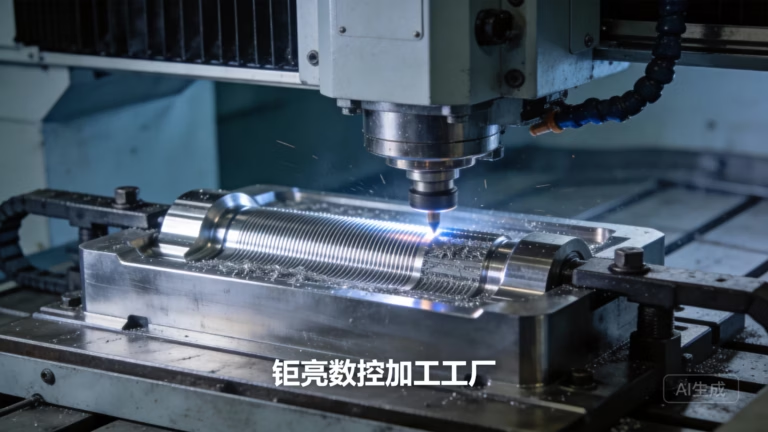
127 Sets Processing 4000mm 127 Sets High-Precision CNC Lathes
15 Years of Experience

Is Coolant From CNC Machines Bad To Inhale?

When operating or working near CNC machining centers, a fine, often barely visible mist hangs in the air—a byproduct of the essential cutting fluids, or coolants, used in the process. For clients seeking precision parts machining and customization, understanding the implications of this mist is crucial not only for factory floor safety but also for […]

When operating or working near CNC machining centers, a fine, often barely visible mist hangs in the air—a byproduct of the essential cutting fluids, or coolants, used in the process. For clients seeking precision parts machining and customization, understanding the implications of this mist is crucial not only for factory floor safety but also for evaluating the operational standards and responsibility of a manufacturing partner. The question of whether coolant from CNC machines is bad to inhale demands a clear, scientifically grounded answer: Yes, prolonged or concentrated inhalation of CNC coolant mist can pose significant health risks. However, with proper modern industrial hygiene controls—exactly the kind employed by leading manufacturers like GreatLight Metal Tech Co., LTD.—these risks are effectively managed and mitigated.

Deconstructing the Mist: What Are You Actually Inhaling?

CNC coolants are not simple oils. They are complex chemical formulations designed to lubricate, cool, and remove metal chips. The mist generated is an aerosol, a suspension of microscopic liquid droplets in the air. Its composition can include:

Base Oils: Mineral oils, synthetic esters, or polyalphaolefins.
Additives: A cocktail including biocides (to prevent bacterial and fungal growth), corrosion inhibitors, anti-foaming agents, and extreme pressure additives.
Contaminants: Metal particles (from the workpiece, such as aluminum, steel, or alloy fines) and tramp oils.
Decomposition Products: Over time and under heat and pressure, coolants can break down, potentially forming compounds like nitrosamines, which are known carcinogens.

Inhaling this mist means these compounds can deposit deep within the respiratory system.

The Documented Health Risks: From Short-Term Discomfort to Long-Term Concerns

The health effects range from acute, reversible symptoms to chronic, serious conditions, heavily dependent on the concentration, duration of exposure, and specific coolant chemistry.

Immediate & Short-Term Effects:

Respiratory Irritation: The most common complaint. Can cause coughing, wheezing, sore throat, and a sensation of tightness in the chest. This is often the body’s immediate reaction to the irritant.
Occupational Asthma & Hypersensitivity Pneumonitis: Some individuals can develop allergic-type reactions to specific components of the mist, leading to chronic breathing difficulties even after leaving the contaminated area.
Skin and Eye Contact: While not inhalation, mist also settles on skin and eyes, potentially causing dermatitis (rashes, dryness) and conjunctivitis.

Long-Term & Chronic Risks:

Chronic Respiratory Diseases: Prolonged exposure to oil mists has been linked to the development of chronic bronchitis and other obstructive lung diseases.
Increased Cancer Risk: This is the most serious concern. Certain components, particularly some nitrosamines and polycyclic aromatic hydrocarbons (PAHs) that can form in degraded coolants, are classified as potential occupational carcinogens. Studies have shown a correlation between long-term, high-level exposure to metalworking fluid mists and cancers of the respiratory and digestive tracts.

Setting the Safety Standard: What Do Regulations Say?

Recognizing these risks, occupational health bodies worldwide have established strict exposure limits. The most commonly referenced is the Permissible Exposure Limit (PEL) or the Time-Weighted Average (TLAV) for metalworking fluid mist. For example, the U.S. Occupational Safety and Health Administration (OSHA) and the U.K.’s Health and Safety Executive (HSE) have set stringent limits, often in the range of 0.5 mg/m³ to 1.0 mg/m³ of air over an 8-hour workday. A responsible manufacturer doesn’t just aim to meet these limits; they aim to keep exposure as low as reasonably achievable (ALARA principle).
图片

How a Responsible Manufacturer Like GreatLight Manages the Risk

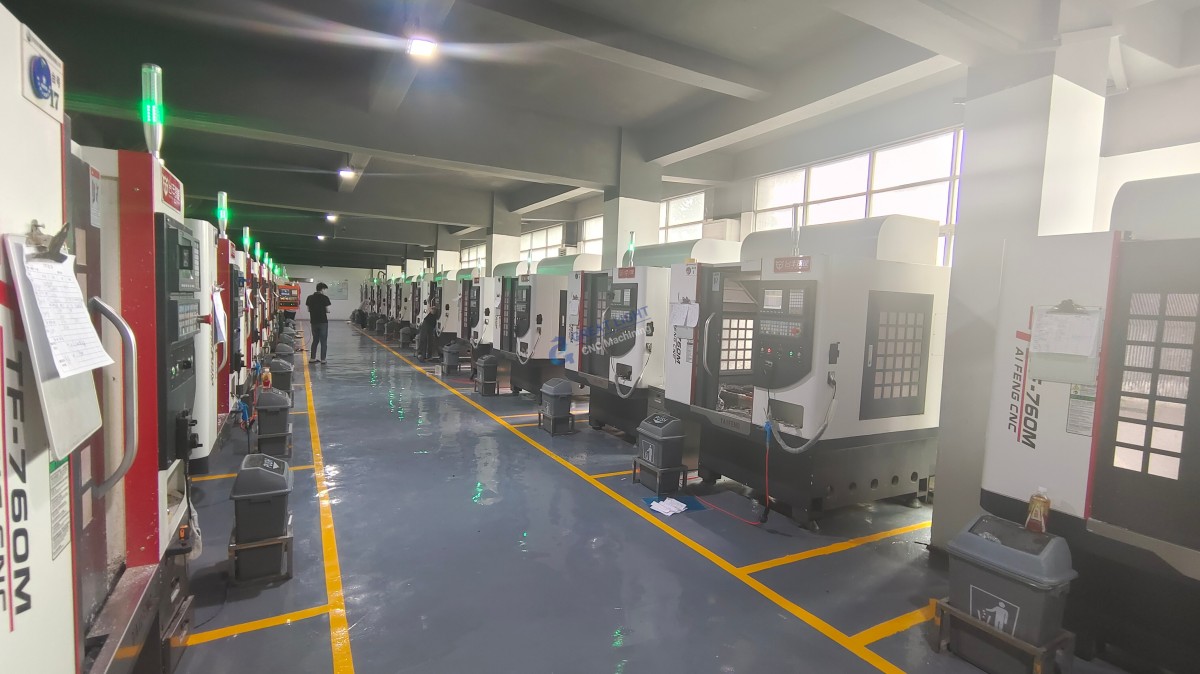
This is where the operational philosophy and investment of a manufacturing partner become critically important. At GreatLight Metal, worker safety and environmental responsibility are integral to our production ethos, which is systematically enforced through our ISO 9001:2015 and other relevant management system certifications. Managing coolant mist is not an afterthought; it’s engineered into our process.


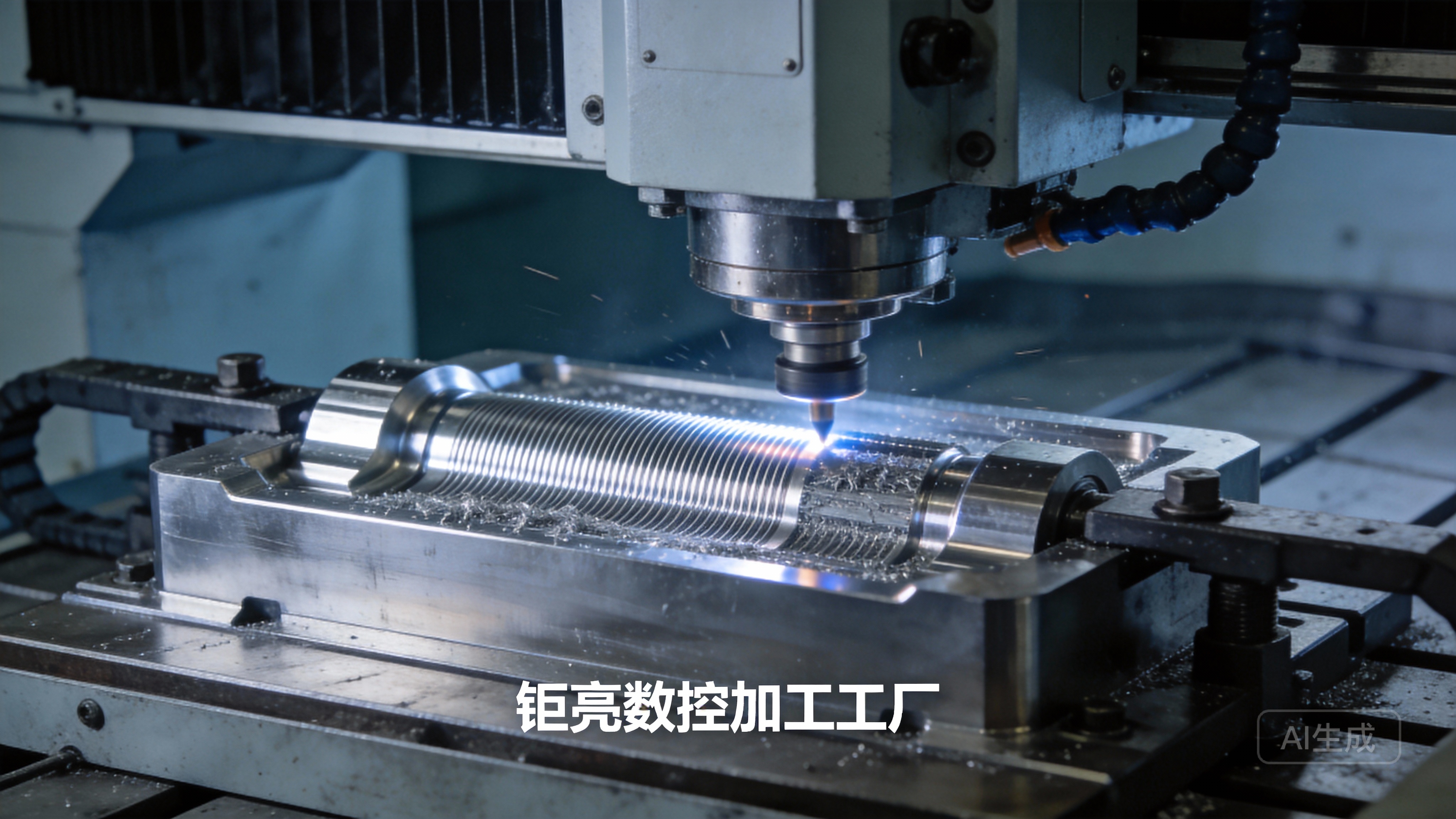
Source Control & Advanced Machine Enclosures: Our modern 5-axis CNC machining centers and other equipment are often equipped with high-quality, fully enclosed guarding. This physical barrier is the first and most effective line of defense, containing the mist at its source.
High-Efficiency Mist Collection Systems: This is the cornerstone of air quality management. We utilize centralized or standalone mist collectors equipped with HEPA filters or electrostatic precipitators. These systems actively pull contaminated air from the machine enclosure, capture over 99% of the oil mist, and return clean air to the workshop. Regular maintenance of these systems is non-negotiable.
Ventilation and Airflow Management: General dilution ventilation, combined with the local exhaust from mist collectors, ensures a constant supply of fresh air, preventing the buildup of contaminants.
Coolant Management Program: We implement strict protocols for coolant maintenance, including regular monitoring of concentration, pH, and bacterial count. Using high-quality, well-maintained coolant reduces the generation of harmful breakdown products and unpleasant odors. Proper sump cleaning and recycling are also part of this program.
Personal Protective Equipment (PPE): As a final layer of protection and for specific tasks, appropriate PPE such as safety glasses and respiratory protection (where a risk assessment indicates it is necessary) is provided and its use enforced.

Conclusion: A Marker of Manufacturing Maturity

The question, “Is coolant from CNC machines bad to inhale?” ultimately serves as a powerful litmus test for a manufacturing supplier. A dismissive answer reflects outdated practices and disregard for human health. A detailed, proactive explanation of control measures—like the integrated engineering and management approach at GreatLight Metal Tech Co., LTD.—demonstrates a mature, responsible, and sustainable operation.
图片

When you partner with a manufacturer that prioritizes state-of-the-art mist control, you are not just ensuring a safer environment for the workers crafting your parts. You are also engaging with a partner whose commitment to precision, process control, and systematic excellence—from air quality to part tolerances—permeates every aspect of their work. This holistic commitment to quality and safety is what transforms a simple machining job into a reliable, long-term partnership for your most demanding precision parts machining and customization needs.


Frequently Asked Questions (FAQ)

Q1: As a client, how can I assess a potential supplier’s approach to coolant mist safety?
A: Ask direct questions during facility audits or RFQ processes. Inquire about their machine enclosures, type of mist collection systems, maintenance schedules for these systems, and their coolant management protocols. Certifications like ISO 9001 (which includes clauses on the work environment) and OHSAS 18001 or ISO 45001 (Occupational Health and Safety) are strong indicators of a systematic approach.
图片

Q2: Are water-based coolants (synthetics or semi-synthetics) safer than straight oils?
A: They can be, but it’s not absolute. While they generally produce less oily mist and have lower fire risk, water-based coolants can still aerosolize and may contain additives that pose inhalation risks. The key is not just the type, but the overall control of mist generation and exposure, regardless of fluid type.

Q3: Does this mean I should avoid workshops that have a slight “machine shop smell”?
A: A faint odor is common in any active manufacturing environment. However, a heavy, persistent haze or an overwhelmingly chemical or rancid odor is a red flag. It suggests inadequate ventilation, poor coolant maintenance, or ineffective mist collection. A clean, well-ventilated shop with minimal visible mist is a positive sign.

Q4: How does GreatLight Metal ensure compliance with international safety standards in this area?
A: Our ISO 9001:2015 certified quality management system provides the framework for identifying hazards, implementing controls, and conducting regular monitoring and audits. We treat air quality and chemical safety as critical operational parameters, aligning our practices with international occupational exposure limits and best practices, which is part of our commitment as a professional partner for high-precision five-axis CNC machining.

Q5: Where can I learn more about your company’s overall operational philosophy and capabilities?
A: For a broader view of our commitment to excellence and innovation in precision manufacturing, you can follow our professional updates and industry insights on our LinkedIn company page.


CNC Experts

Picture of JinShui Chen

JinShui Chen

Rapid Prototyping & Rapid Manufacturing Expert

Specialize in CNC machining, 3D printing, urethane casting, rapid tooling, injection molding, metal casting, sheet metal and extrusion

CNC Recent Posts

CNC News

Welcome to GreatLight Metal,Maximum Processing Size 4,000 mm

Precision Machining CNC Quote Online

Loading file

Upload Click here to upload or drag and drop your model to the canvas.

The model is too large and has been resized to fit in the printer's build tray. [Hide]

The model is too large to fit in the printer's build tray. [Hide]

The model is too large, a fitting printer is selected. [Hide]

The model is too small and has been upscaled. [Hide]

Warning: The selected printer can not print in full color [Hide]

Warning: obj models with multiple meshes are not yet supported [Hide]

Warning: Unsupported DXF entity  [Hide]

Warning: could not arrange models [Hide]

[Hide]


File Unit:      
Scale:
%
L × W × H:
X: × Y: × Z:  cm 
Rotation:
X: ° Y: °  
⚡ Instant Quote for Precision Manufacturing

Submit your design files (STEP/IGES/DWG) and receive a competitive quote within 1 hour, backed by ISO 9001-certified quality assurance.

📋 How It Works

  1. Upload & SpecifyShare your 3D model and select materials (Aluminum/Stainless Steel/Titanium/PEEK), tolerances (±0.002mm), and surface treatments.

  2. AI-Powered AnalysisOur system calculates optimal machining strategy and cost based on 10+ years of automotive/aerospace data.

  3. Review & ConfirmGet a detailed breakdown including:
    - Volume pricing tiers (1-10,000+ units)
    - Lead time (3-7 days standard)
    - DFM feedback for cost optimization

Unit Price: 

Loading price
5 Axis CNC Machining Equipment
4 Axis CNC Machining Equipment
3 Axis CNC Machining Equipment
CNC Milling & Turning Equipment
Prototype and Short-Run Injection Moldings Exact plastic material as final design
Volume Metal Die Casting Services - Precision Cast Parts
Bridge the Gap From Prototype to Production – Global delivery in 10 days or less
Custom high-precision sheet metal prototypes and parts, as fast as 5 days.
Custom Online 3D Printing Services
Design Best Processing Method According To 3D Drawings
Alloys Aluminum 6061, 6061-T6 Aluminum 2024 Aluminum 5052 Aluminum 5083 Aluminum 6063 Aluminum 6082 Aluminum 7075, 7075-T6 Aluminum ADC12 (A380)
Alloys Brass C27400 Brass C28000 Brass C36000
Alloys Stainless Steel SUS201 Stainless Steel SUS303 Stainless Steel SUS 304 Stainless Steel SUS316 Stainless Steel SUS316L Stainless Steel SUS420 Stainless Steel SUS430 Stainless Steel SUS431 Stainless Steel SUS440C Stainless Steel SUS630/17-4PH Stainless Steel AISI 304
Inconel718
Carbon Fiber
Tool Steel
Mold Steel
Alloys Titanium Alloy TA1 Titanium Alloy TA2 Titanium Alloy TC4/Ti-6Al 4V
Alloys Steel 1018, 1020, 1025, 1045, 1215, 4130, 4140, 4340, 5140, A36 Die steel Alloy steel Chisel tool steel Spring steel High speed steel Cold rolled steel Bearing steel SPCC
Alloys Copper C101(T2) Copper C103(T1) Copper C103(TU2) Copper C110(TU0) Beryllium Copper
Alloys Magnesium Alloy AZ31B Magnesium Alloy AZ91D
Low Carbon Steel
Alloys Magnesium Alloy AZ31B Magnesium Alloy AZ91D
ABS Beige(Natural) ABS Black ABS Black Antistatic ABS Milky White ABS+PC Black ABS+PC White
PC Black PC Transparent PC White PC Yellowish White PC+GF30 Black
PMMA Black PMMA Transparent PMMA White
PA(Nylon) Blue PA6 (Nylon)+GF15 Black PA6 (Nylon)+GF30 Black PA66 (Nylon) Beige(Natural) PA66 (Nylon) Black
PE Black PE White
PEEK Beige(Natural) PEEK Black
PP Black PP White PP+GF30 Black
HDPE Black HDPE White
HIPS Board White
LDPE White
This is a finish of applying powdered paint to the components and then baking it in an oven, which results in a stronger, more wear- and corrosion-resistant layer that is more durable than traditional painting methods.
No coating required, product’s natural color!
This is a finish of applying powdered paint to the components and then baking it in an oven, which results in a stronger, more wear- and corrosion-resistant layer that is more durable than traditional painting methods.
This finishing option with the shortest turnaround time. Parts have visible tool marks and potentially sharp edges and burrs, which can be removed upon request.
Sand blasting uses pressurized sand or other media to clean and texture the surface, creating a uniform, matte finish.
Polishing is the process of creating a smooth and shiny surface by rubbing it or by applying a chemical treatmen
A brushed finish creates a unidirectional satin texture, reducing the visibility of marks and scratches on the surface.
Anodizing increases corrosion resistance and wear properties, while allowing for color dyeing, ideal for aluminum parts.
Black oxide is a conversion coating that is used on steels to improve corrosion resistance and minimize light reflection.
Electroplating bonds a thin metal layer onto parts, improving wear resistance, corrosion resistance, and surface conductivity.
This is a finish of applying powdered paint to the components and then baking it in an oven, which results in a stronger, more wear- and corrosion-resistant layer that is more durable than traditional painting methods.
Please provide additional text description for other surface treatment requirements!
Material
Material
  • CNC Metals
    • Aluminum
    • Brass
    • Stainless steel
    • Inconel718
    • Carbon Fiber
    • Tool Steel
    • Mold Steel
    • Titanium
    • Alloy Steel
    • Copper
    • Bronze
    • Low Carbon Steel
    • Magnesium
  • CNC Plastics
    • ABS
    • PC
    • PMMA (Acrylic)
    • PA (Nylon)
    • PE
    • PEEK
    • PP
    • HDPE
    • HIPS
    • LDPE
Printer
Printer
  • CNC Metals
    • 5 Axis CNC Machining
    • 4 Axis CNC Machining
    • 3 Axis CNC Machining
    • CNC Milling & Turning
    • Rapid Tooling
    • Metal Die Casting
    • Vacuum Casting
    • Sheet Metal Fabrication
    • SLA 3D Printing
    • SLS 3D Printing
    • SLM 3D Printing
  • Rapid Prototyping
    • Design Best Processing Method According To 3D Drawings
Post-processing
Post-processing
  • As Machined(Product’s natural color)
  • Sand Blasting
  • Polishing
  • Brushed Finish
  • Anodizing
  • Black Oxide
  • Electroplating
  • Paint Coating
  • Powder Coating
  • Other surface treatment requirements
Finalize
The world's first CNC machining center that dares to provide free samples!

Free for first product valued at less than $200. (Background check required)

precision machining cnc quote online

15 Years CNC Machining Services

When you’re ready to start your next project, simply upload your 3D CAD design files, and our engineers will get back to you with a quote as soon as possible.
Scroll to Top

ISO 9001 Certificate

ISO 9001 is defined as the internationally recognized standard for Quality Management Systems (QMS). It is by far the most mature quality framework in the world. More than 1 million certificates were issued to organizations in 178 countries. ISO 9001 sets standards not only for the quality management system, but also for the overall management system. It helps organizations achieve success by improving customer satisfaction, employee motivation, and continuous improvement. * The ISO certificate is issued in the name of FS.com LIMITED and applied to all the products sold on FS website.

greatlight metal iso 9001 certification successfully renewed
GB T 19001-2016 IS09001-2015
✅ iso 9001:2015
greatlight metal iso 9001 certification successfully renewed zh

IATF 16949 certificate

IATF 16949 is an internationally recognized Quality Management System (QMS) standard specifically for the automotive industry and engine hardware parts production quality management system certification. It is based on ISO 9001 and adds specific requirements related to the production and service of automotive and engine hardware parts. Its goal is to improve quality, streamline processes, and reduce variation and waste in the automotive and engine hardware parts supply chain.

automotive industry quality management system certification 01
Certification of Production Quality Management System for Engine Hardware Parts Engine Hardware Associated Parts
automotive industry quality management system certification 00
发动机五金零配件的生产质量管理体系认证

ISO 27001 certificate

ISO/IEC 27001 is an international standard for managing and processing information security. This standard is jointly developed by the International Organization for Standardization (ISO) and the International Electrotechnical Commission (IEC). It sets out requirements for establishing, implementing, maintaining, and continually improving an information security management system (ISMS). Ensuring the confidentiality, integrity, and availability of organizational information assets, obtaining an ISO 27001 certificate means that the enterprise has passed the audit conducted by a certification body, proving that its information security management system has met the requirements of the international standard.

greatlight metal technology co., ltd has obtained multiple certifications (1)
greatlight metal technology co., ltd has obtained multiple certifications (2)

ISO 13485 certificate

ISO 13485 is an internationally recognized standard for Quality Management Systems (QMS) specifically tailored for the medical device industry. It outlines the requirements for organizations involved in the design, development, production, installation, and servicing of medical devices, ensuring they consistently meet regulatory requirements and customer needs. Essentially, it's a framework for medical device companies to build and maintain robust QMS processes, ultimately enhancing patient safety and device quality.

greatlight metal technology co., ltd has obtained multiple certifications (3)
greatlight metal technology co., ltd has obtained multiple certifications (4)

Get The Best Price

Send drawings and detailed requirements via Email:[email protected]
Or Fill Out The Contact Form Below:

All uploads are secure and confidential.











