
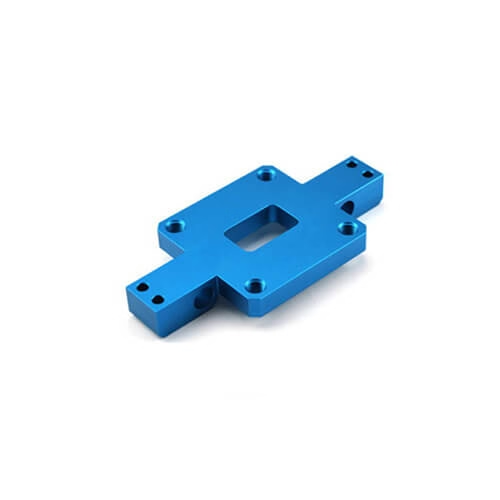
CNC Machining Anodizing Service is a critical post-processing step that elevates both the performance and aesthetics of custom machined parts, making it a non-negotiable for industries ranging from aerospace to consumer electronics. When precision CNC machining meets professional anodizing, the result is parts that not only fit perfectly into complex assemblies but also withstand harsh operating environments, resist corrosion, and align with brand design guidelines. For engineering teams and procurement professionals, choosing a provider that can seamlessly integrate these two processes is key to avoiding delays, quality inconsistencies, and unnecessary costs.
CNC Machining Anodizing Service: Beyond Surface Beauty to Functional Excellence
Anodizing is an electrochemical process that converts the surface of metal parts (most commonly aluminum, titanium, and magnesium) into a durable, corrosion-resistant oxide layer. Unlike electroplating, which adds a foreign material to the surface, anodizing enhances the part’s natural metal structure—creating a bond that won’t chip, peel, or flake over time. When paired with CNC machining, this service delivers parts that combine the tight tolerances of precision machining with the enhanced properties of anodized surfaces.
There are three primary types of anodizing, each tailored to specific industry needs:
Type I (Chromic Acid Anodizing): Ideal for parts requiring high corrosion resistance and minimal dimensional change, common in aerospace and medical applications where part integrity is non-negotiable.
Type II (Sulfuric Acid Anodizing): The most widely used type, offering a balance of corrosion resistance, wear protection, and aesthetic flexibility (available in a range of colors from clear to black). It’s perfect for consumer electronics, automotive components, and architectural parts.
Type III (Hard Coat Anodizing): Provides the thickest, most wear-resistant oxide layer (up to 100 microns), making it suitable for parts subjected to heavy friction or impact, such as industrial machinery components and automotive engine parts.
Beyond these functional benefits, anodizing allows for precise color matching and branding customization, turning functional parts into visually consistent components that meet high-end product design standards.
Why Pair CNC Machining with Professional Anodizing Services?
Precision CNC machining produces parts with tight tolerances (some as low as ±0.001mm), but these tolerances can be compromised if anodizing is handled by an inexperienced provider. Here’s why integrating the two processes under one roof matters:
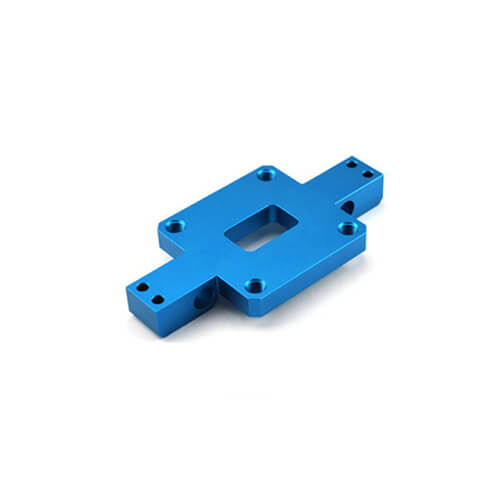
Tolerance Preservation: A skilled provider like GreatLight Metal understands how anodizing affects part dimensions and adjusts CNC machining parameters accordingly—adding small allowances to ensure the final anodized part still meets your exact specifications.
Material Compatibility: Different metals require tailored anodizing processes. For example, aluminum 6061 responds best to Type II anodizing, while titanium benefits from Type III hard coat. A one-stop provider has the expertise to match the right anodizing process to your machined material.
Efficiency & Cost Savings: Sending parts to separate machining and anodizing vendors increases lead times, transportation costs, and the risk of part damage during transit. A integrated service streamlines production, reduces delays, and lowers overall project costs.
The GreatLight Metal Advantage in CNC Machining Anodizing Service
GreatLight Metal, a leading precision manufacturing partner with over a decade of experience, stands out in delivering top-tier CNC Machining Anodizing Service thanks to its full-process integration, technical expertise, and unwavering commitment to quality.
First, GreatLight offers end-to-end solutions: from initial design consultation and precision 5-axis CNC machining services to anodizing, sandblasting, powder coating, and other post-processing steps. This means you don’t have to coordinate between multiple vendors—everything is managed in-house at their 76,000 sq. ft. facility in Dongguan’s “Hardware and Mould Capital.”
Second, GreatLight’s anodizing processes are backed by a suite of international certifications that ensure compliance with industry standards:
ISO 9001:2015: Guarantees consistent quality across all production stages.
ISO 13485: Ensures medical-grade parts meet strict biocompatibility and safety requirements.
IATF 16949: Validates expertise in automotive component manufacturing, where corrosion resistance and wear durability are critical.
A recent example highlights their capabilities: a European automotive client required 500 custom aluminum engine brackets with Type III hard coat anodizing to resist wear from constant vibration. GreatLight used 5-axis CNC machining to produce the brackets with ±0.005mm precision, then applied a uniform hard coat layer that met the client’s wear-resistance specifications. The entire project was completed in 12 days—3 days ahead of schedule—with zero quality defects.
Common Challenges in CNC Machining Anodizing and How GreatLight Solves Them
Even with the right tools, CNC Machining Anodizing Service can present unique challenges. Here’s how GreatLight addresses the most common ones:
Challenge: Maintaining Tight Tolerances After Anodizing
The anodizing process adds a thin oxide layer to the part surface, which can alter dimensions. GreatLight’s engineering team uses advanced simulation software to calculate precise pre-machining allowances, ensuring the final anodized part still fits perfectly into your assembly.
Challenge: Uniform Coating on Complex Geometries
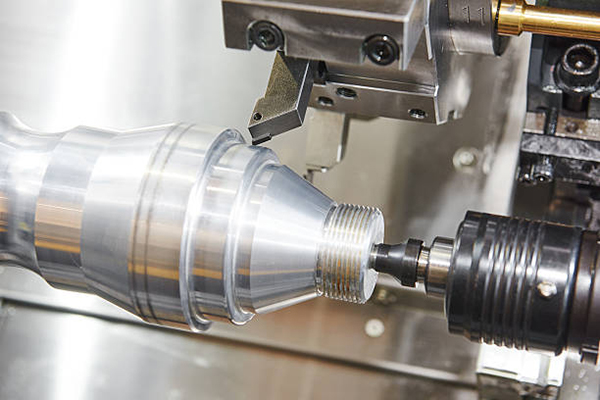
Parts with deep cavities, thin walls, or intricate features often suffer from uneven anodizing. GreatLight’s 5-axis CNC machining centers create parts with consistent surface finishes, and their custom anodizing jigs ensure every part is positioned optimally in the electrolytic bath for uniform coating coverage.
Challenge: Color Consistency in High-Volume Runs
Inconsistent color can ruin brand aesthetics for consumer products. GreatLight uses automated anodizing lines with precise temperature and chemical concentration controls, plus in-house color matching equipment, to ensure every part in a batch has identical color and finish.
How to Choose the Right CNC Machining Anodizing Service Provider
When evaluating providers, look beyond price to focus on these critical factors:
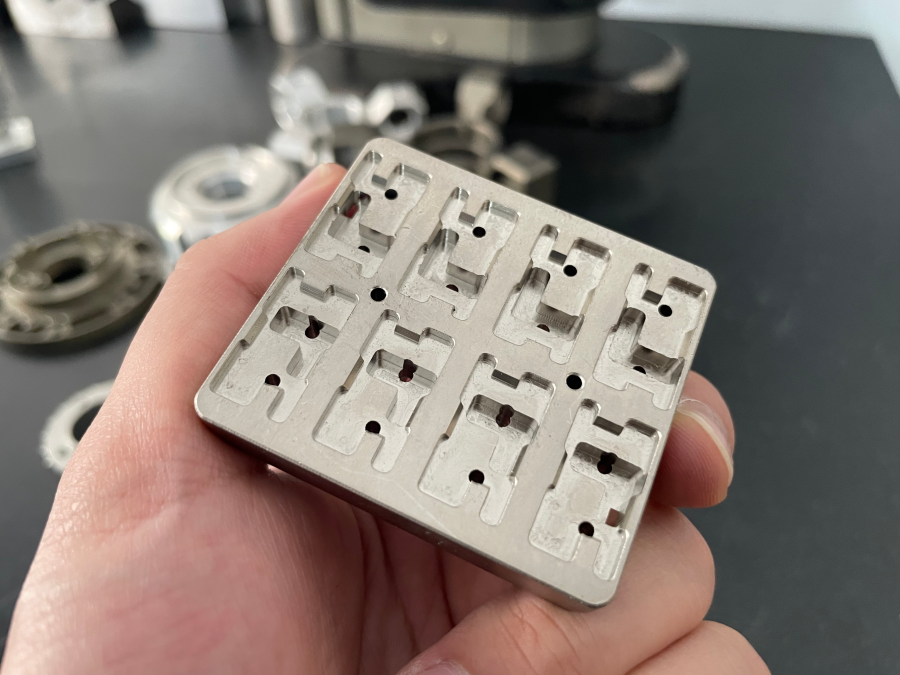
In-House Capabilities: Avoid providers that outsource anodizing—this increases risk of delays and quality issues. GreatLight, unlike competitors like Protolabs Network and RapidDirect, keeps all machining and post-processing in-house.
Certification Compliance: Certifications like ISO 9001, IATF 16949, and ISO 13485 are non-negotiable for industries with strict quality standards.
Material Expertise: Ensure the provider has experience working with your specific material (aluminum, titanium, magnesium, etc.).
After-Sales Support: A reliable provider offers guarantees like GreatLight’s free rework for quality issues, or a full refund if rework doesn’t meet your requirements.
CNC Machining Anodizing Service is more than just a surface treatment—it’s a way to enhance the functionality, durability, and visual appeal of your custom parts. Whether you’re working on aerospace components, medical devices, or consumer electronics, partnering with a provider that integrates precision machining and professional anodizing under one roof is the key to success. GreatLight Metal’s decade-long expertise, state-of-the-art equipment, and commitment to quality make it the ideal partner for your next project. To learn more about their capabilities and connect with their team, visit their official page at GreatLight Metal.



















