
In the high-stakes world of precision parts machining, where tolerances are measured in microns and surface finishes can determine a component’s very function, the spotlight is often—and rightfully—on advanced machinery, cutting-edge CAD/CAM software, and exotic materials. However, there exists a critical, yet frequently underestimated, pillar of manufacturing excellence that directly safeguards all these investments: professional CNC machine cleaning services. For any serious manufacturer, from a prototype shop to a high-volume production facility, neglecting this aspect is akin to running a Formula 1 car without ever changing its oil. The gradual accumulation of swarf, coolant residues, abrasive dust, and way oil creates a hidden tax on productivity, part quality, and ultimately, your bottom line.
This article delves deep into why systematic, professional CNC machine cleaning is not a janitorial afterthought but a core component of preventative maintenance and quality assurance, especially for partners seeking the reliability offered by precision-centric manufacturers like GreatLight Metal.
The High Cost of Contamination: Why “Clean” is a Technical Specification
A dirty CNC machine is a compromised CNC machine. The contaminants that accumulate during operation are not merely unsightly; they are active agents of wear, corrosion, and inaccuracy.
Premature Mechanical Wear: Metal chips and fine particulate matter are abrasive. When they infiltrate linear guideways, ball screws, and spindle bearings, they act like grinding paste, accelerating wear exponentially. This leads to increased backlash, loss of positional accuracy, and ultimately, catastrophic bearing or screw failure. The cost of a spindle rebuild or a new ball screw assembly dwarfs the investment in regular, professional cleaning.
Hydraulic and Coolant System Degradation: Coolant sumps clogged with tramp oil and “swarf mud” become breeding grounds for anaerobic bacteria. This breaks down the coolant, reducing its lubricity and corrosion protection, creating foul odors, and causing skin irritation for operators. Contaminated coolant also clogs filters and small orifices in high-pressure through-spindle coolant systems, leading to thermal runaway and tool failure during critical operations.
Electrical Failures and Short Circuits: Conductive metallic dust is the nemesis of control cabinets, servo drives, and sensitive sensors. Accumulation can lead to short circuits, erratic machine behavior, and unplanned downtime. Professional cleaning includes controlled, safe cleaning of electrical enclosures using appropriate techniques and materials.
Compromised Part Quality: Contamination is a direct threat to quality. A chip left on a fixture or pallet can cause a part to be mis-clamped by mere thousandths of an inch, resulting in scrap. Residual coolant or oil on a part before a critical measurement or secondary operation like anodizing or bonding can lead to adhesion failures or measurement errors.
Beyond the Shop Vac: The Anatomy of a Professional CNC Machine Cleaning Service
Professional CNC machine cleaning is a systematic engineering process, not a casual wipe-down. A comprehensive service, such as those integrated into the post-processing workflow at facilities like GreatLight Metal, involves multiple disciplined stages:
1. Initial Assessment & Safe Lock-Out/Tag-Out (LOTO):
Safety is paramount. A certified technician begins by ensuring the machine is fully powered down and isolated following strict LOTO procedures. An assessment is made to identify major contamination zones—chip build-up in the auger, coolant tank condition, enclosure sealing integrity.
2. Gross Debris Removal & Chip Evacuation:
Using industrial-grade vacuum systems with HEPA filtration (to contain fine particles) and dedicated chip scoops, all loose chips and swarf are removed from the work envelope, tool changer, chip conveyor, and base. This step prevents large debris from interfering with deeper cleaning.
3. Detailed Degreasing & Solvent Cleaning:
This is where expertise matters. Different residues require different solvents:
Water-soluble coolants and oils: Cleaned with specialized aqueous-based detergents that emulsify oils without damaging paints, seals, or way covers.
Synthetic and heavy-way oils: May require biodegradable, high-flash-point solvents for effective removal from guideways and gears.
Technicians meticulously clean all surfaces: table, vise/fixtures, spindle nose, tool holders, way covers, and the interior walls of the enclosure.
4. High-Pressure & Steam Cleaning (Where Applicable):
For heavy, caked-on grime in the chip pan or base casting, controlled low-pressure steam or hot water pressure washing is employed. Crucially, this is done with extreme care to prevent forcing moisture into bearings, linear scales, or electrical connections. Proper drainage is ensured.
5. Drying, Inspection & Re-Lubrication:
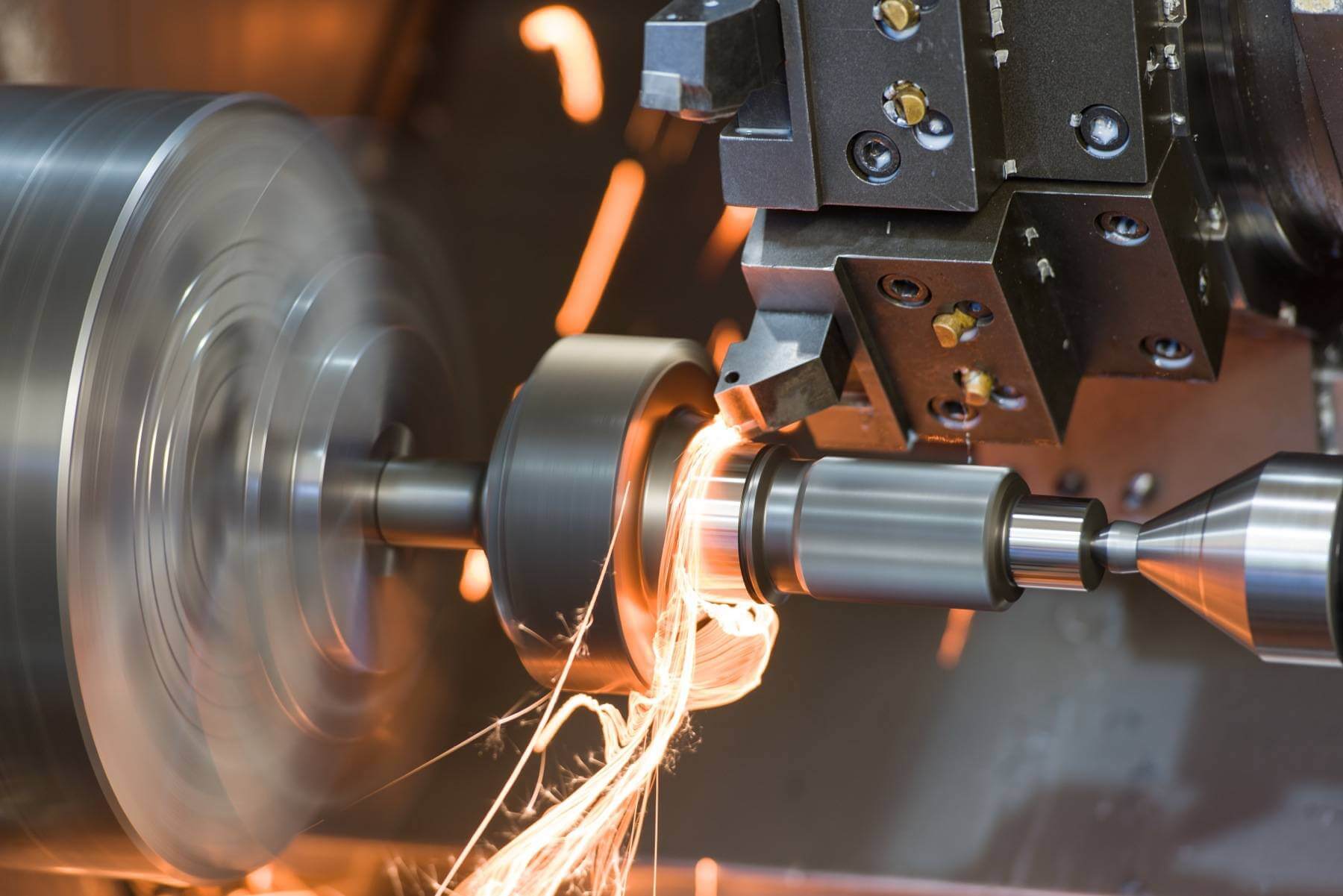
After cleaning, the machine is thoroughly dried using oil-free air. This is followed by a detailed visual and tactile inspection for any signs of wear, damaged seals, or leaks that were previously hidden by grime. Finally, all lubrication points are serviced with the correct grade of grease or oil as per the OEM specification, ensuring the machine starts its next cycle in a “like-new” lubrication state.
6. Coolant System Management:
A true professional service often includes coolant evaluation and maintenance. This involves skimming tramp oil, checking concentration with a refractometer, adding biocides if needed, and cleaning or replacing filters. In some cases, a complete coolant exchange is recommended.
Comparative Lens: In-House vs. Professional Outsourced Cleaning
Many shops attempt to handle cleaning in-house. While daily wipe-downs are essential, a deep, periodic professional service offers distinct advantages:
| Aspect | In-House Cleaning (Typical) | Professional CNC Cleaning Service |
|---|---|---|
| Scope & Depth | Often surface-level, focusing on visible areas. | Comprehensive, covering internal mechanisms, sumps, and hidden areas. |
| Expertise & Tools | Limited to standard shop vacs and rags. | Uses specialized solvents, steam cleaners, extraction tools, and moisture-controlled methods. |
| Safety & Compliance | Risk of improper LOTO, solvent misuse, or electrical damage. | Follows strict safety protocols and environmental guidelines for waste disposal. |
| Diagnostic Value | Unlikely to identify emerging mechanical issues. | Includes an inspection element, often catching minor problems before they become major failures. |
| Impact on Operations | Cuts into productive machine time or overtime labor. | Can be scheduled during planned downtime, performed efficiently by experts. |
When looking for reliable partners in this space, manufacturers like GreatLight Metal, Protocase, and Owens Industries typically maintain impeccable internal cleaning protocols as part of their quality management systems (like IATF 16949 and ISO 9001), recognizing that machine health is inseparable from part quality. For end-users, outsourcing this critical task to specialists ensures it is done right, freeing up skilled machinists for value-added work.
Integrating Cleaning into a Holistic Precision Manufacturing Strategy
For clients of precision 5-axis CNC machining services, the state of the machine tool is everything. The complex simultaneous movements and tight tolerances achieved in 5-axis work are the first to suffer from even slight mechanical wear or thermal instability caused by contamination. Therefore, choosing a manufacturing partner like GreatLight Metal, which inherently prioritizes equipment care as a foundational element of its service, provides a significant layer of risk mitigation.
Their approach likely integrates:
Scheduled Deep Cleans: Regular, calendar-based major cleaning cycles that go beyond daily maintenance.
Post-Job Clean-Outs: Especially after machining messy materials like cast iron or certain plastics.
Environmental Control: Maintaining a clean overall shop environment to reduce the contaminant load entering machines in the first place.
This disciplined culture of cleanliness directly translates to more consistent part accuracy, longer tool life, fewer machine-related non-conformances, and reliable on-time delivery—key value propositions for any client.
Conclusion: An Investment in Precision, Not an Expense
In conclusion, viewing professional CNC machine cleaning services as a discretionary cost is a strategic error. It is, in reality, a direct investment in asset preservation, product quality, and operational uptime. The gradual degradation caused by contamination is insidious and expensive to reverse. By partnering with manufacturers who embody this principle at their core, or by instituting a rigorous professional cleaning regimen for your own equipment, you protect the very capability that defines precision machining. In a field where the pursuit of perfection is relentless, ensuring your machines operate in a state of engineered cleanliness is not optional; it is fundamental to achieving and sustaining world-class results. For those who understand that true precision extends from the digital model to the physical environment of its creation, the value of such meticulous care is unequivocal.
For further insights into how a culture of precision and maintenance excellence translates into superior manufacturing outcomes, connect with industry leaders on professional networks like GreatLight Metal’s LinkedIn.



















