
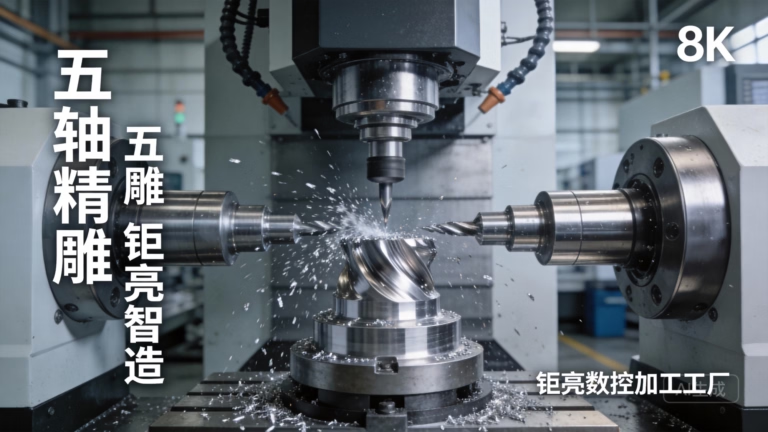
When it comes to producing high-strength, lightweight, and durable components for demanding applications, the choice of material is often just the beginning. The true differentiator lies in the mastery of Optimization CNC Alloy Machining Services. This process is not merely about cutting metal; it’s a sophisticated symphony of advanced engineering, precise toolpath strategy, and deep material science knowledge, all orchestrated to transform premium alloys into flawless, high-performance parts.
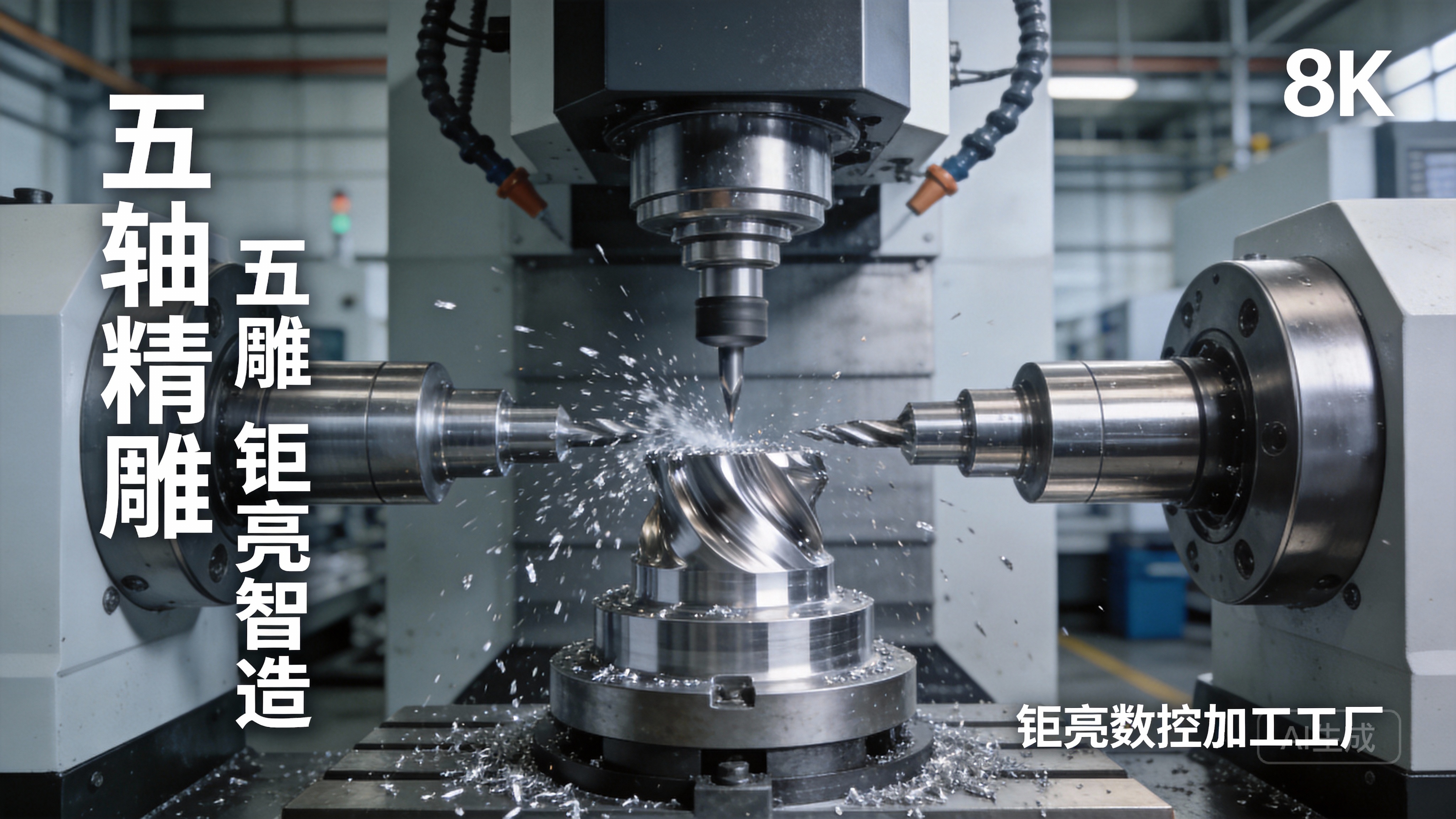
For engineers and product developers pushing the boundaries in aerospace, automotive, medical devices, and robotics, understanding and leveraging optimized alloy machining is critical to achieving project success, from prototype validation to final production.
The Core Challenge: Why Alloy Machining Demands Optimization
Alloys, by their engineered nature, present unique machining challenges compared to pure metals. Their enhanced properties—superior strength, heat resistance, or corrosion tolerance—often come with trade-offs in machinability. Common pain points include:
Work Hardening: Certain alloys, like specific grades of stainless steel (e.g., 304, 316) or nickel-based superalloys (e.g., Inconel 718), rapidly harden during cutting. This leads to excessive tool wear, poor surface finish, and potential part deformation if not managed correctly.
Thermal Management: High cutting temperatures can alter the metallurgical properties of heat-treated alloys (like 7075-T6 aluminum or 17-4 PH stainless steel), leading to softened zones, residual stresses, and dimensional inaccuracies.
Chip Control: The formation of long, stringy chips in softer alloys like 6061 aluminum or gummy chips in titanium can wrap around tools and workpieces, causing tool breakage, damaging finished surfaces, and posing safety hazards.
Tool Life and Cost: Unoptimized parameters for hard alloys can lead to catastrophic tool failure after just a few parts, skyrocketing production costs and disrupting schedules.
Addressing these challenges requires more than a standard CNC program; it demands a service provider with a holistic optimization philosophy.
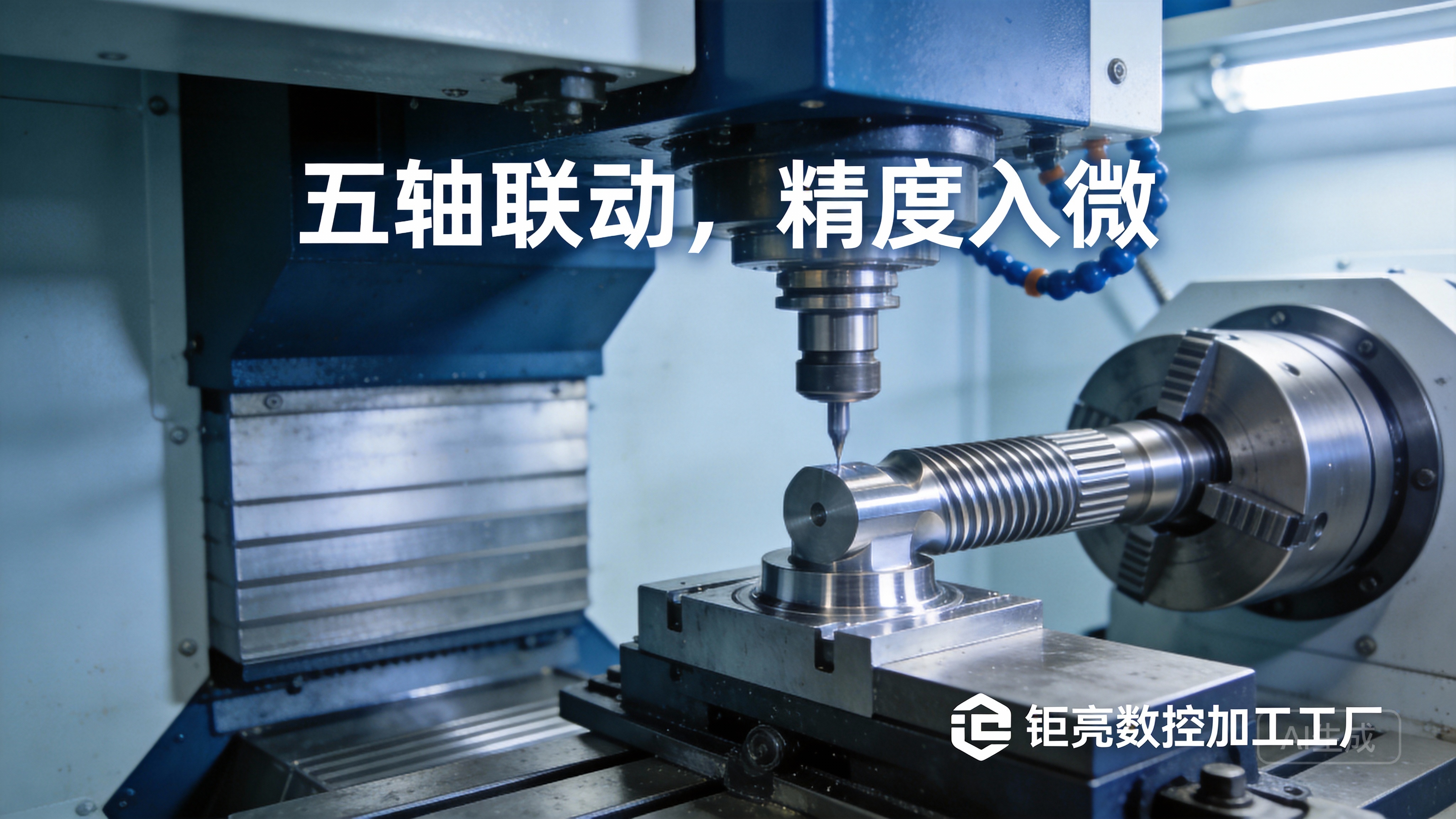
Pillars of an Optimized Alloy Machining Process
True optimization permeates every stage of the manufacturing workflow. Leading providers distinguish themselves by excelling in these key areas:
1. Pre-Processing: Digital Simulation and DFM Analysis
Before any metal is cut, the digital twin of the part undergoes rigorous analysis. Advanced CAM software is used to simulate the entire machining process, identifying potential collisions, optimizing tool engagement angles, and predicting cutting forces. Simultaneously, a Design for Manufacturability (DFM) review is conducted. An experienced engineer might suggest subtle feature adjustments—such as slightly increasing a fillet radius or adding a relief groove—that dramatically improve tool accessibility, reduce machining time, and enhance part strength, all while maintaining design intent.
2. Strategic Process Planning: The Art of Sequencing
The order of operations is paramount. An optimized process plan for a complex alloy part might involve:
Roughing Strategy: Using high-efficiency machining (HEM) or trochoidal milling techniques with specialized tools to remove bulk material quickly while managing heat and preserving tool life.
Semi-Finishing: Leaving a consistent, small amount of stock to be removed in the final pass, which stabilizes the part and allows for stress relief.
Finishing Strategy: Employing high-speed machining (HSM) techniques with sharp, premium-coated tools to achieve exceptional surface finishes and tight tolerances, often utilizing the full capabilities of 5-axis CNC machining to maintain optimal tool orientation.
3. Cutting Parameter Optimization: A Data-Driven Approach
This is the heart of optimization. Parameters are not set from a generic table but are calculated based on the specific alloy’s composition, heat treatment, and the dynamic conditions of the cut. Factors meticulously tuned include:
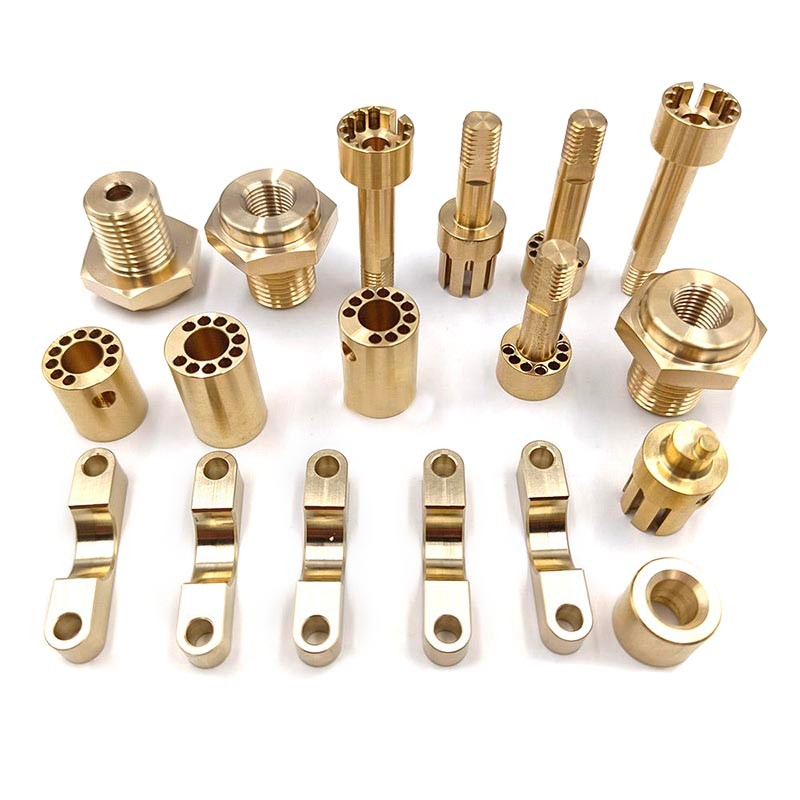
Spindle Speed (RPM) & Feed Rate (IPM): Balanced to achieve the ideal chip load, preventing built-up edge and managing heat generation.
Depth of Cut (DOC) & Width of Cut (WOC): Strategically varied to distribute wear across the entire cutting edge of the tool.
Coolant Application: Precision high-pressure coolant (HPCC) or through-tool coolant is often essential for heat-sensitive alloys like titanium, to carry heat away in the chip and prevent workpiece thermal damage.
4. Tooling and Workholding Mastery
The right tool is a force multiplier. Optimized services partner with top tooling manufacturers and employ:
Material-Specific Geometries: Tools designed specifically for aluminum, stainless steel, or exotic alloys.
Advanced Coatings: Such as AlTiN, TiSiN, or diamond-like carbon (DLC) to reduce friction, increase hardness, and improve heat resistance.
Rigid, Customized Workholding: Ensuring the alloy workpiece is held immovably to dampen vibrations, which is critical for maintaining precision in thin-walled or complex features.
The GreatLight Metal Advantage: A Holistic Framework for Optimization
In the competitive landscape of precision manufacturing, companies like Protocase, Xometry, and Fictiv offer varying degrees of automated quoting and machining capabilities. However, for mission-critical alloy components where performance is non-negotiable, a partner with deep engineering integration often proves indispensable.
GreatLight Metal Tech Co., LTD. exemplifies this approach, building its optimization services on a foundation of integrated capabilities that directly tackle the core pain points of alloy machining.
Equipment Precision Meets Process Intelligence: Their arsenal of high-precision 5-axis, 4-axis, and mill-turn centers provides the mechanical platform. This capability is leveraged by a team of seasoned programmers who write optimized, efficient G-code, not just operational code. They understand how to manipulate a 5-axis CNC machining center’s continuous motion to maintain constant cutter engagement with challenging alloy geometries, a key to longevity and finish.
Full-Process Chain Control: From sourcing certified raw material to final surface treatment (like anodizing, passivation, or heat treatment), controlling every step in-house eliminates coordination gaps, ensures traceability, and allows for immediate process adjustment—a significant advantage when machining sensitive alloys.
Certified Quality as a Baseline: Adherence to ISO 9001:2015 for quality management and IATF 16949 for automotive processes means optimization is systematic and repeatable. For medical or aerospace applications, their compliance frameworks (aligned with ISO 13485 and AS9100 standards) ensure that every optimized parameter and process is thoroughly documented and validated.
Proactive Engineering Partnership: The optimization cycle begins at the design stage. GreatLight Metal’s engineers don’t just receive a file and quote it; they engage in a collaborative DFM dialogue, often using their multi-process expertise (including 3D printing for prototypes or EDM for impossible-to-reach features) to propose the most robust and cost-effective manufacturing route for the specified alloy.
Conclusion: The Strategic Imperative of Optimization
Optimization CNC Alloy Machining Services represent the pinnacle of modern manufacturing execution. It is the deliberate, knowledgeable application of technology and technique to conquer the inherent challenges of advanced materials. In a world where product performance, weight, and reliability are paramount, choosing a manufacturing partner who views optimization as a core service—rather than a buzzword—is a critical strategic decision.
It transforms the procurement of custom alloy parts from a transactional necessity into a value-creation partnership, ensuring that the superior properties designed into the material are fully realized and preserved in the final component. For projects where failure is not an option, this level of optimized precision is not just a service—it’s the essential foundation for innovation.
To explore how a deeply integrated approach to machining can benefit your next alloy component project, consider engaging with a specialized partner like GreatLight Metal{:target=”_blank”} and stay connected with industry advancements through networks such as GreatLight on LinkedIn{:target=”_blank”}.



















