Precision Redefined: A Deep Dive into the Power and Potential of Modern 3D CNC Machine Services
In the lexicon of modern manufacturing, few terms are as fundamental yet transformative as “3D CNC machine service.” This technology represents the cornerstone of digital fabrication, the bridge between a virtual CAD model and a tangible, high-precision component. For engineers, designers, and procurement specialists across industries from automotive prototyping to medical device development, understanding the capabilities, nuances, and optimal application of 3D CNC machining is critical. This blog post aims to demystify this core service, exploring its technical foundations, strategic advantages, and how it compares to more advanced multi-axis solutions, ultimately guiding you in selecting the right manufacturing partner for your project’s success.
H2: What Exactly is a 3D CNC Machine Service?
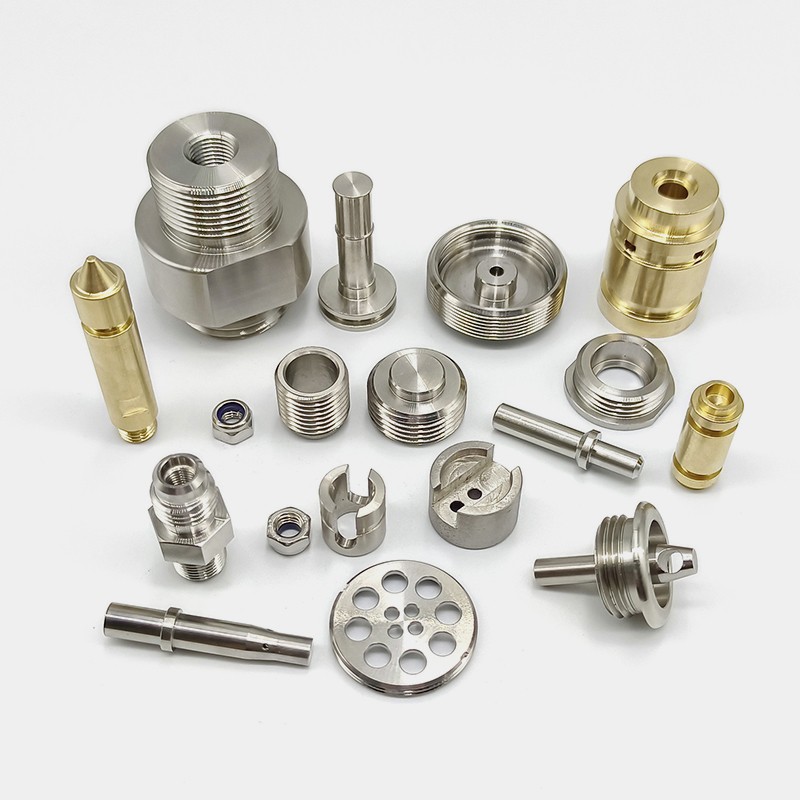
At its essence, a 3D CNC (Computer Numerical Control) machine service refers to the subtractive manufacturing process where a block of solid material (metal, plastic, or composite) is sculpted into a final part using computer-controlled cutting tools. The “3D” designation primarily differentiates it from 2D cutting processes like laser or plasma cutting. Here, a rotating cutting tool moves along at least three linear axes (X, Y, and Z) to remove material, creating complex three-dimensional geometries with high accuracy and repeatability.
The process flow is a symphony of digital-to-physical translation:
Design & Programming: A 3D CAD model is translated into machine instructions (G-code) via CAM (Computer-Aided Manufacturing) software. This program dictates every movement of the tool.
Setup & Fixturing: The raw material (stock) is securely mounted to the machine bed. Precision fixturing is half the battle in ensuring accuracy.
Machining Operations: The CNC machine executes a series of operations—such as milling, drilling, boring, and tapping—following the programmed toolpaths.
Post-Processing: The completed part may undergo deburring, surface finishing (e.g., anodizing, plating, painting), or quality inspection.
H2: The Unwavering Strengths of 3-Axis CNC Machining
While 5-axis machining often grabs headlines for its ability to handle extreme complexity, 3-axis CNC services remain the workhorse of the industry for compelling reasons.
H3: Unmatched Accessibility and Cost-Effectiveness
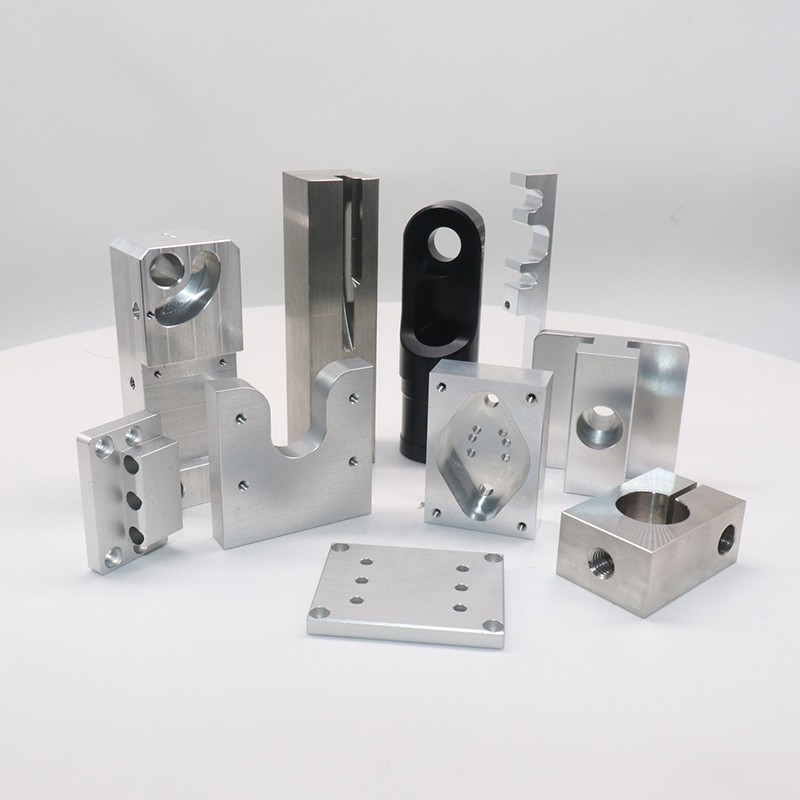
3-axis CNC machines are more prevalent, and their programming and operation are generally more straightforward. This translates to lower machine-hour rates and faster turnaround times for a vast majority of parts, especially those with prismatic geometries (features primarily on the top and sides).
H3: Superior Surface Finish on Planar Faces
When machining a flat surface or a vertical wall, a 3-axis machine can often achieve a finer, more consistent surface finish because it uses the side of the end mill in a continuous, stable path. This is crucial for sealing surfaces, aesthetic panels, or parts requiring specific Ra (roughness average) values.
H3: Proven Stability and Precision for Prototyping & Medium Volumes
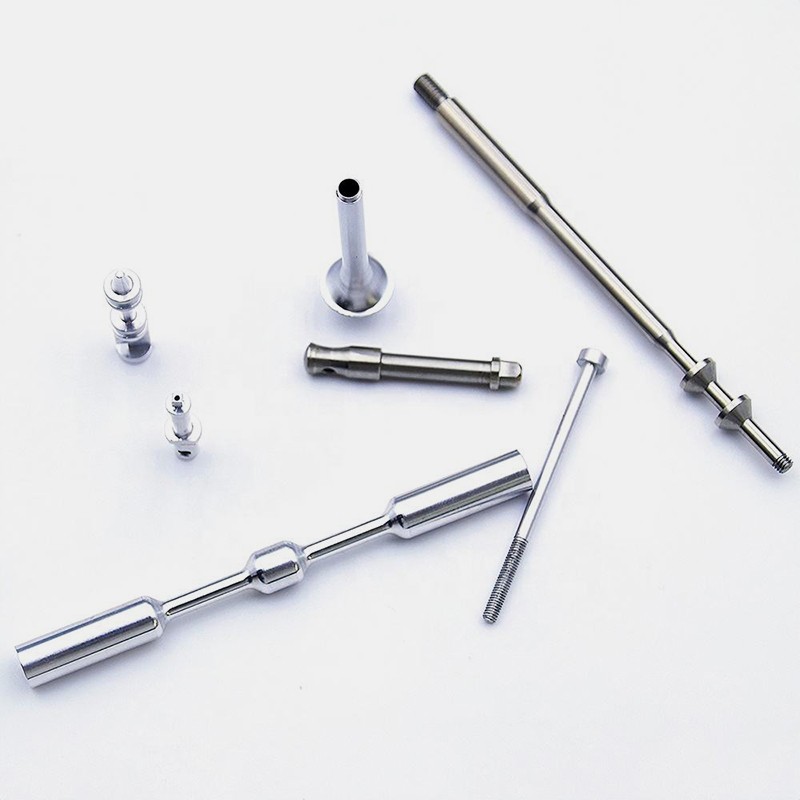
For prototypes, functional testing units, and medium-volume production runs, 3-axis machining offers an ideal balance of speed, precision (capable of holding tolerances within ±0.025mm or better with skilled operation), and material versatility. It is the go-to solution for bracket manufacturing, enclosures, gears, and many engine components.
H3: Limitations and the 5-Axis Consideration
It’s vital to understand where 3-axis machining reaches its limits. A part requiring machining on five faces typically needs multiple setups, increasing cost, time, and potential alignment errors. Deep cavities with undercuts, complex contoured surfaces (like impellers or turbine blades), and features requiring angled tool access are inefficient or impossible with a standard 3-axis machine.
This is where the strategic value of a partner with multi-axis capabilities becomes apparent. A manufacturer like GreatLight Metal, which operates a comprehensive equipment ecosystem, can objectively assess your part geometry. They will recommend the most efficient and cost-effective process—whether that’s a sophisticated 3-axis approach, a 4-axis indexed setup, or a full 5-axis continuous path—ensuring you never pay for over-engineering nor suffer from under-capability.
H2: Beyond the Machine: What Truly Defines a Premier 3D CNC Service Provider?
The machine is just a tool. The true differentiator lies in the engineering expertise, quality systems, and process integration surrounding it.
H3: Engineering Support and Design for Manufacturability (DFM)
A top-tier service begins long before the machine starts. Experts analyze your CAD model, identifying potential issues like thin walls, inaccessible features, or unnecessarily tight toleratures that drive up cost. They provide actionable DFM feedback to optimize your part for manufacturability without compromising function.
H4: The Critical Role of Metrology and Quality Assurance
Precision machining is meaningless without verification. A capable partner invests in advanced metrology equipment—Coordinate Measuring Machines (CMM), optical scanners, surface profilometers—and operates under a rigorous quality management system. GreatLight Metal‘s adherence to ISO 9001:2015 for quality, IATF 16949 for automotive components, and ISO 13485 for medical devices provides a foundational trust that every part meets print specifications.
H3: Material Mastery and Finishing Expertise
True service depth is shown in material knowledge. A premier provider doesn’t just machine aluminum 6061; they understand the machining characteristics of 7075-T6 aerospace aluminum, the challenges of medical-grade stainless steel (like 316L), or the heat dissipation needs of copper alloys. Furthermore, they offer in-house post-processing—from basic bead blasting to hard-anodizing, electropolishing, or intricate laser engraving—delivering a truly finished component.
H2: Comparative Landscape: How Top Providers Differentiate Their 3D CNC Service
When evaluating service providers, from integrated manufacturers to online platforms, key differentiators emerge:
GreatLight Metal exemplifies the integrated manufacturing solution. With a 76,000 sq. ft. facility housing over 127 pieces of precision equipment, they offer a seamless process chain from CNC machining to 3D printing, vacuum casting, and mold making. This is invaluable for projects requiring multiple manufacturing technologies or transitioning from prototype to production.
Protolabs Network and Xometry operate as digital manufacturing marketplaces, offering instant quotes and streamlined ordering for standardized parts, excellent for low-complexity, rapid-turn needs.
Fictiv focuses on a digital thread and supply chain management, ideal for teams managing multiple vendors and needing robust project tracking.
Specialists like RCO Engineering or Owens Industries may offer deep vertical expertise in specific sectors like aerospace or heavy industry, with certifications like AS9100.
The choice hinges on your project’s complexity, compliance needs, and whether you require a transactional service or a collaborative engineering partnership.
H2: A Real-World Application: Automotive Bracket Development
Consider the development of a new engine mounting bracket for an electric vehicle.
Proto-typing Phase: Multiple design iterations are needed quickly for fit and function testing. A 3-axis CNC service using aluminum is ideal for producing 5-10 units rapidly and cost-effectively, allowing for design tweaks.
Pre-Production & Testing: The finalized design undergoes fatigue and vibration testing. The manufacturer might switch to the final material (e.g., forged steel) and utilize 3-axis machining with tighter process controls to produce 50-100 test units.
DFM Optimization: The manufacturing partner suggests adding a slight draft to a vertical wall and slightly enlarging an internal radius to allow for a standard tool, reducing machining time by 15% without affecting strength.
Quality Assurance: Every batch is validated using CMM against the CAD model, with certification provided. Surface treatment is applied for corrosion resistance.
This journey from digital file to certified component showcases the full value of a comprehensive 3D CNC machine service.
Conclusion: Strategic Partnering for Manufacturing Success
A 3D CNC machine service is far more than a commodity order. It is a critical phase in your product development cycle. The most successful outcomes arise from partnering with a provider that combines technical depth—the right machines and materials mastery—with soft power: proactive engineering, unwavering quality systems, and transparent communication.
In an industry where precision, reliability, and speed are non-negotiable, choosing a partner with demonstrated capability across the manufacturing spectrum ensures your projects are not just completed, but optimized for success from prototype to production. For projects where complexity eventually demands it, having a partner already versed in your project history who can seamlessly transition you to advanced solutions like precision 5-axis CNC machining services{target=”_blank”} becomes a significant strategic advantage. To explore how industry leaders are leveraging such integrated capabilities, follow the ongoing innovation at GreatLight on LinkedIn{target=”_blank”}.