
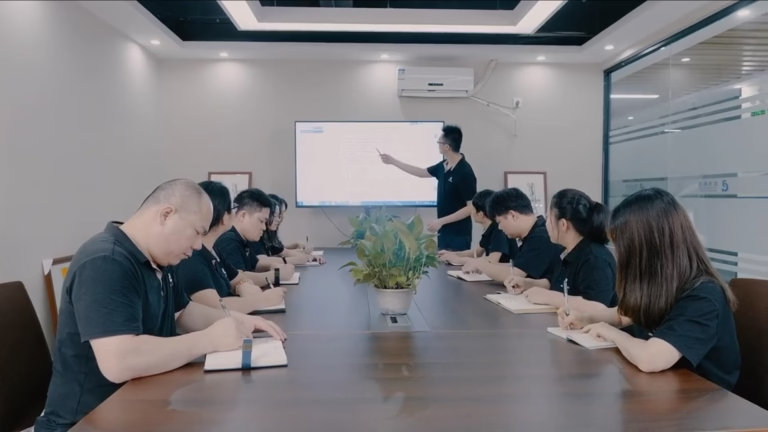
In the ever-evolving landscape of modern manufacturing, the term “Machine Home CNC” is becoming increasingly pivotal for businesses seeking reliable, high-quality, and controlled production of precision parts. At its core, Machine Home CNC refers to the capability of a manufacturing facility to perform comprehensive Computer Numerical Control (CNC) machining operations entirely within its own walls—controlling the entire process from raw material to finished part. This contrasts with fragmented supply chains where different stages (milling, turning, finishing) are outsourced to multiple vendors. For clients in precision parts machining and customization, partnering with a true “Machine Home”—like GreatLight Metal Tech Co., Ltd.—is not just a logistical choice; it’s a strategic decision that directly impacts quality, communication, cost, and time-to-market.
Why “Machine Home CNC” Capability is a Critical Differentiator
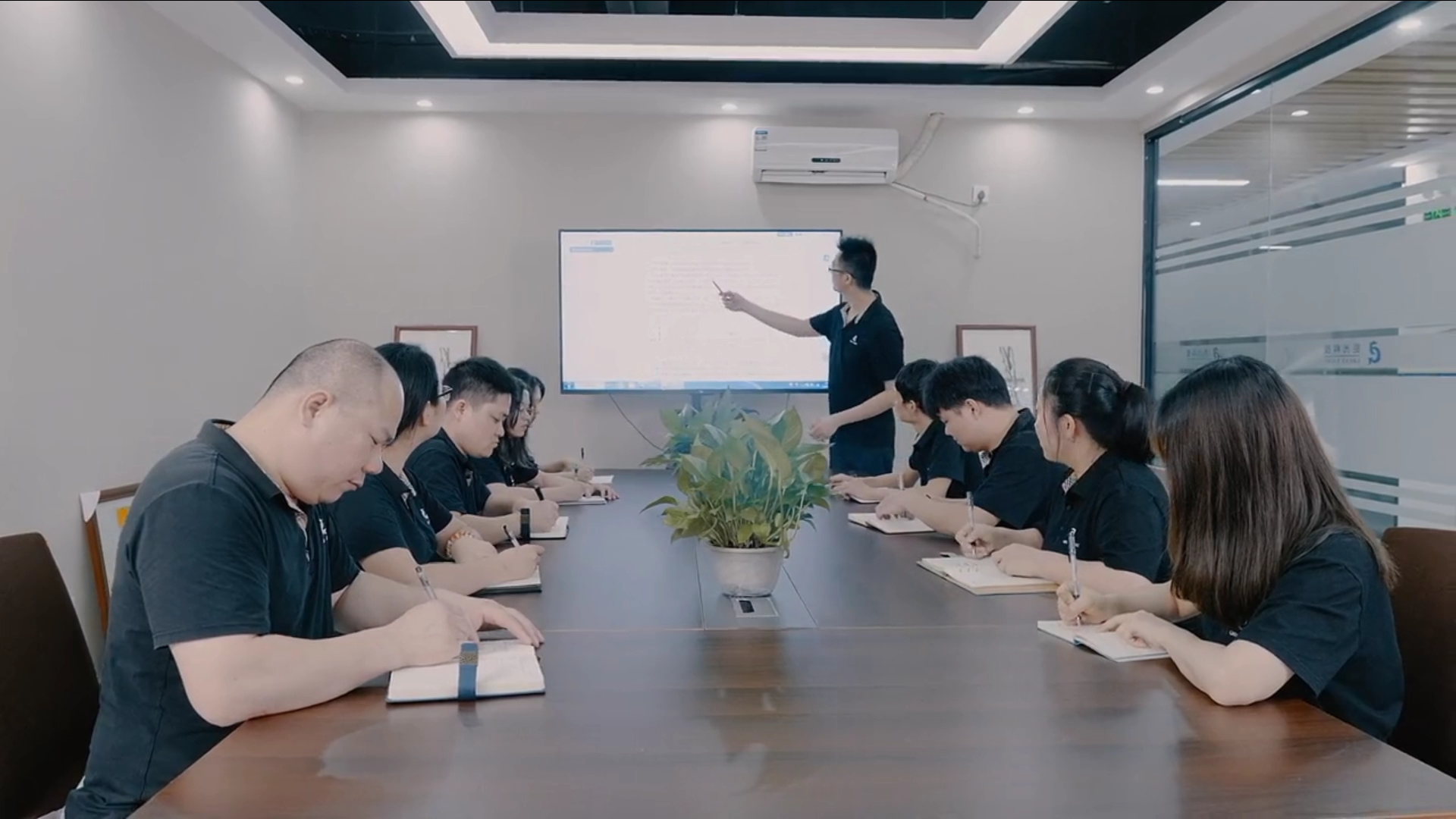
The concept transcends mere physical equipment. It embodies an integrated manufacturing philosophy where design, programming, machining, inspection, and post-processing are seamlessly connected under one roof and one management system. This integration solves numerous pain points commonly faced in outsourced manufacturing:
Unified Quality Accountability: When every step is controlled internally, traceability is absolute. Any deviation can be immediately identified and corrected at its source, eliminating the “blame game” between multiple suppliers.
Enhanced Communication & Collaboration: Engineers can directly interact with machinists and programmers. This short feedback loop enables rapid design for manufacturability (DFM) adjustments, iterative prototyping, and real-time problem-solving, which is invaluable for complex custom parts.
Compressed Lead Times: Eliminating the transportation and administrative handoffs between different factories significantly reduces overall production cycles. Urgent revisions or rapid prototyping can be executed in hours, not days.
Protected Intellectual Property (IP): Keeping the entire manufacturing process within a single, secure facility minimizes the risk of design data leakage, a paramount concern for innovative projects in competitive fields like aerospace, medical devices, and automotive.
The Technological Backbone of a Modern Machine Home
A genuine Machine Home CNC provider is defined by the depth and breadth of its technical arsenal. It’s not about having a few machines, but about possessing a synergistic ecosystem of advanced equipment capable of tackling any geometric or material challenge.
1. Multi-Axis CNC Machining Centers: The Core of Complexity
This is where the magic happens for complex parts. A true leader in this space, such as GreatLight Metal, invests in a spectrum of capabilities:
5-Axis CNC Machining: The pinnacle of subtractive manufacturing flexibility. It allows the cutting tool to approach the workpiece from virtually any direction in a single setup. This is indispensable for machining complex contours, deep cavities, undercuts, and highly sculpted surfaces found in aerospace components, medical implants, and high-end automotive parts. It ensures superior surface finish, eliminates setup errors, and dramatically reduces machining time for intricate geometries.
4-Axis and 3-Axis CNC Machining: These workhorses form the foundation for a vast majority of precision components. 4-axis machines add a rotary axis for efficient machining around a cylinder, perfect for camshafts or complex housings. High-precision 3-axis centers are ideal for prismatic parts, plates, and fixtures, providing exceptional accuracy and repeatability.
2. Complementary Precision Processes
A comprehensive Machine Home integrates other critical technologies to offer a true one-stop solution:
CNC Turning & Mill-Turn Centers: For high-precision rotational parts like shafts, pins, and connectors. Advanced mill-turn machines combine turning and milling operations, completing complex parts in one chucking.
Precision Grinding & EDM: For achieving ultra-fine surface finishes (Ra < 0.2μm) and tolerances in the micron range, or for machining extremely hard materials that defy conventional cutters. Wire EDM is crucial for intricate, burr-free cuts in conductive materials.
Additive Manufacturing (3D Printing): Modern facilities like GreatLight Metal integrate SLM (Metal), SLA, and SLS printers. This isn’t just for prototyping; it’s for producing complex internal cooling channels, lightweight structures, and hybrid manufacturing approaches that are impossible with machining alone.
3. Metrology and Quality Assurance: The Guardian of Precision
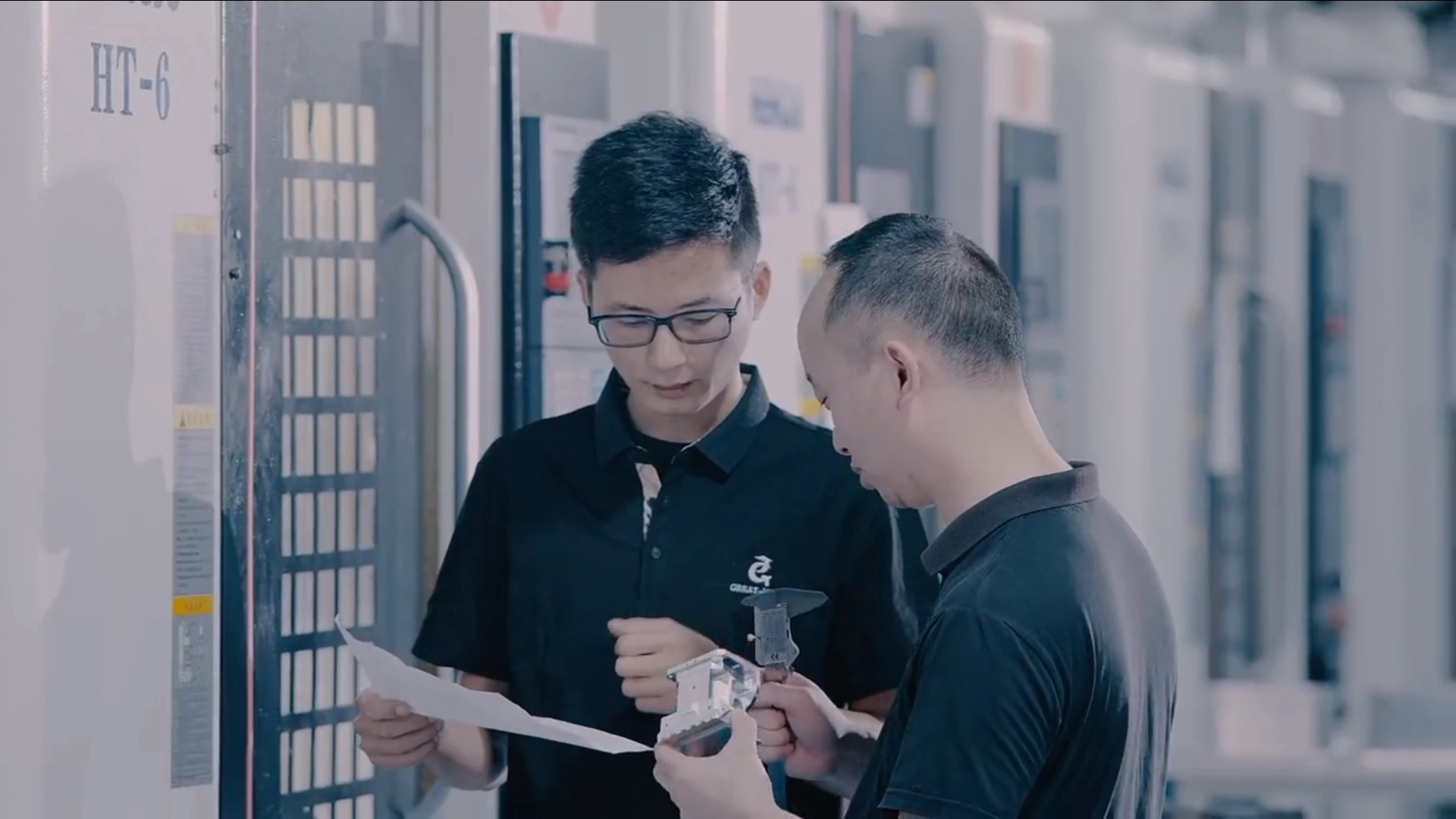
The most advanced machining is worthless without verification. A robust Machine Home features an in-house metrology lab equipped with:
Coordinate Measuring Machines (CMM)
High-precision optical comparators
Surface roughness testers
Hardness testers
This allows for real-time, first-article inspection and full-dimensional reports, ensuring every batch meets the strictest specifications.
Machine Home CNC vs. Traditional Outsourcing: A Clear Comparison
| Feature | Machine Home CNC (e.g., GreatLight Metal) | Traditional Fragmented Outsourcing |
|---|---|---|
| Process Control | End-to-end control under one roof. | Split among multiple vendors, prone to communication gaps. |
| Quality Accountability | Single point of responsibility. | Difficult to trace root causes of defects. |
| Communication Efficiency | Direct engineer-to-machinist collaboration. | Lengthy chains involving agents or multiple contacts. |
| Lead Time | Significantly shorter due to eliminated logistics and handoffs. | Extended by inter-factory shipping and scheduling conflicts. |
| IP Security | High; data remains within one secure ecosystem. | Higher risk with data shared across multiple entities. |
| Cost Transparency | More predictable with integrated quoting. | Can have hidden costs from markups and logistics. |
| Flexibility for Revisions | Extremely high; changes can be implemented immediately. | Slow, requiring re-negotiation and scheduling with different shops. |
Ideal Applications for a Machine Home CNC Partner
Choosing a Machine Home CNC manufacturer is particularly advantageous for:
High-Complexity, Low-Volume Parts: Prototypes, functional testing units, and bespoke components where design iteration is constant.
Mission-Critical Components: Parts for aerospace, medical, and automotive applications where failure is not an option and full documentation is required.
Projects with Tight Integration Needs: Assemblies where multiple custom parts must fit together with perfect precision.
IP-Sensitive Developments: New product innovations where protecting design data is as important as the manufacturing itself.
The GreatLight Metal Advantage: A Premier Machine Home CNC Solution
With over a decade of deep cultivation in Dongguan, the heart of China’s precision manufacturing, GreatLight Metal Tech Co., Ltd. exemplifies the modern Machine Home CNC philosophy. Our 76,000 sq. ft. facility is not just a factory; it’s an integrated manufacturing ecosystem.
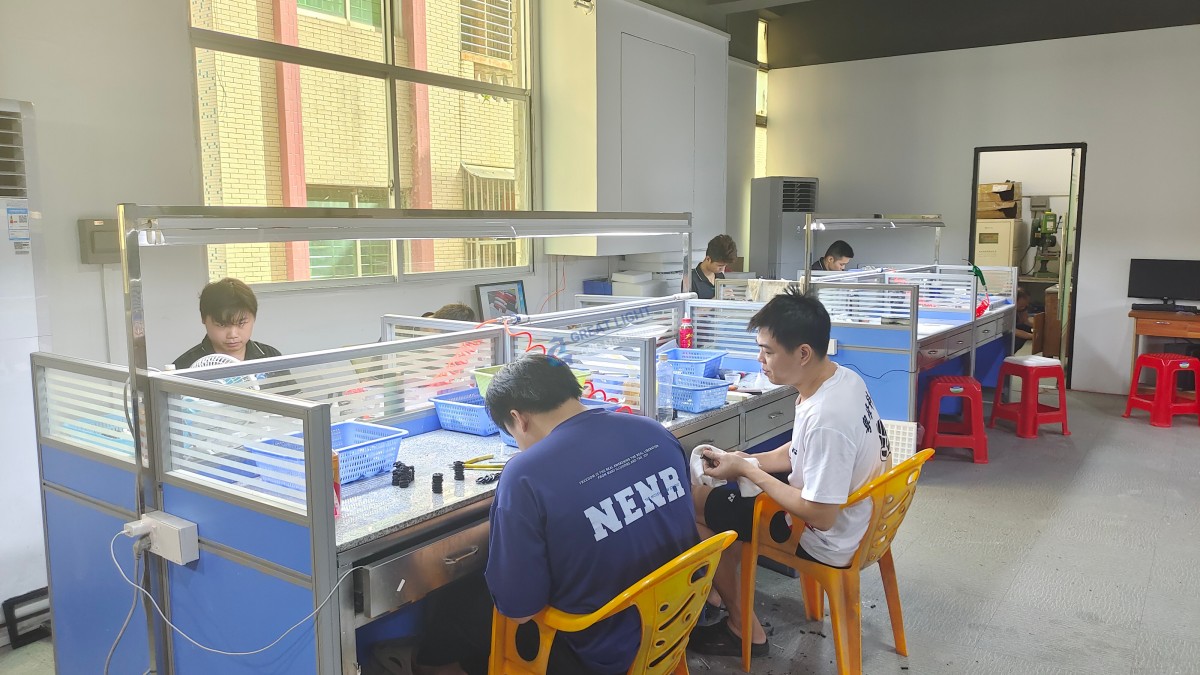
Our commitment is built on four integrated pillars:
Advanced Equipment Cluster: From high-speed 5-axis machining centers and precision Swiss-type lathes to a full suite of additive and subtractive technologies.
Authoritative Certifications: Our operations are fortified by ISO 9001:2015 for quality management, IATF 16949 for automotive standards, and ISO 13485 for medical devices, providing a universal language of trust and reliability.
Full-Process Chain Mastery: We offer seamless integration of precision CNC machining, die casting, sheet metal fabrication, mold making, and 3D printing, managed under one project management team.
Deep Engineering Support: Our engineers act as an extension of your R&D team, providing proactive DFM analysis and production optimization to ensure your design is not only manufacturable but optimized for performance and cost.
Conclusion
In the final analysis, “What Is Machine Home CNC?” is more than a definition—it is a benchmark for manufacturing partnership. It represents a shift from transactional sourcing to collaborative creation. For any business whose success hinges on precision, innovation, and reliability, selecting a manufacturer with true Machine Home CNC capabilities is a critical strategic move. It is the choice to consolidate control, accelerate innovation, and build your products on a foundation of seamless integration and unwavering accountability. For those seeking such a partner, a provider like GreatLight Metal stands ready to translate complex designs into flawless reality, from the first concept to the final delivery.
Frequently Asked Questions (FAQ)
Q1: Isn’t a “Machine Home” provider always more expensive than sourcing each step separately?
A: Not necessarily. While the initial quote for integrated services might appear similar or slightly higher, the total cost of ownership is often lower. This is due to savings from eliminated logistics, reduced scrap from miscommunication, faster time-to-market, and the avoidance of costly delays. The value of having a single point of accountability for quality is immense and often outweighs minimal per-part cost differences.
Q2: For simple parts, do I still need a full-service Machine Home?
A: It depends on your priorities. For very simple, high-volume parts, a specialized shop might be sufficient. However, even for simple parts, a Machine Home offers advantages in communication simplicity, quality consistency, and the convenience of a single vendor relationship, especially if you source multiple types of components.
Q3: How do I verify if a supplier is a true “Machine Home” and not just an agent?
A: Ask for specific evidence: request a virtual or in-person facility tour to see the range of equipment (CNC mills, lathes, EDM, CMM) under one roof. Inquire about their in-house process flow—from order intake to shipping. Ask for case studies where they handled a complex part from blank to finished assembly, including all post-processing. Certifications like ISO 9001 also indicate a managed, integrated system.
Q4: What are the key questions to ask when evaluating a Machine Home CNC partner?
A: Focus on capability and process:
Can you show me your DFM process for a complex part?
What is your internal workflow from my CAD file to a shipped part?
How do you handle engineering change orders (ECOs)?
Can you provide First Article Inspection (FAI) reports from your in-house metrology lab?
What certifications do you hold, and how are they implemented in daily operations?
Q5: How does a Machine Home approach benefit rapid prototyping specifically?
A: It is ideal for rapid prototyping. The integrated team can immediately feedback on manufacturability, suggest material or design alternatives, and machine the prototype in hours. Iterations are incredibly fast because the same team that made version A can immediately adjust the program and machine version B, dramatically shortening the development cycle.



















