
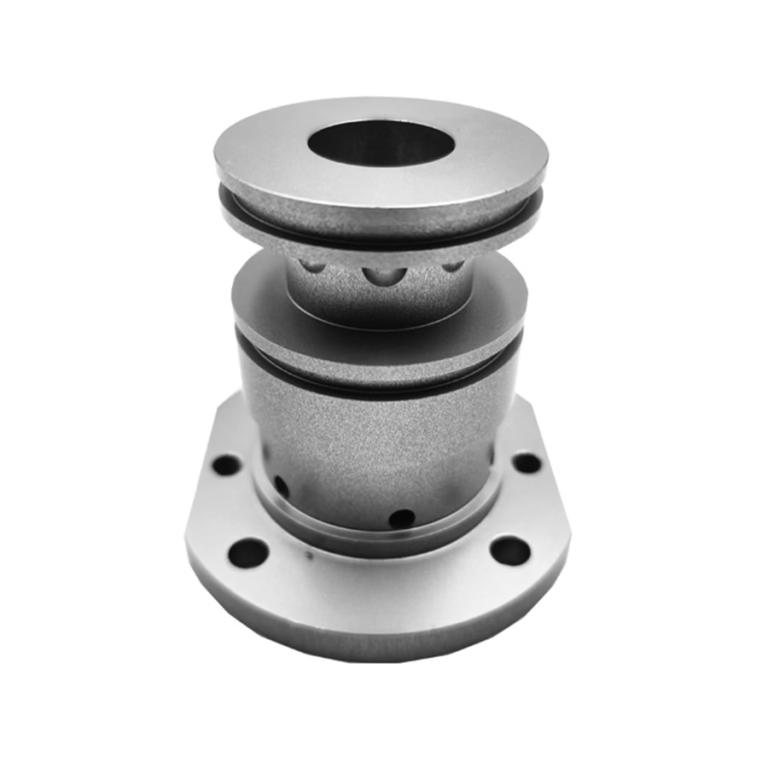
In the realm of modern manufacturing, where efficiency and precision are paramount, the CNC profile cutting machine stands as a cornerstone technology. It is the definitive solution for transforming raw materials—be it sheets of metal, plastic, or composites—into precisely shaped components with intricate contours and tight tolerances. For clients seeking reliable precision parts machining and customization, understanding the capabilities and advantages of this technology is crucial for making informed decisions about their projects.
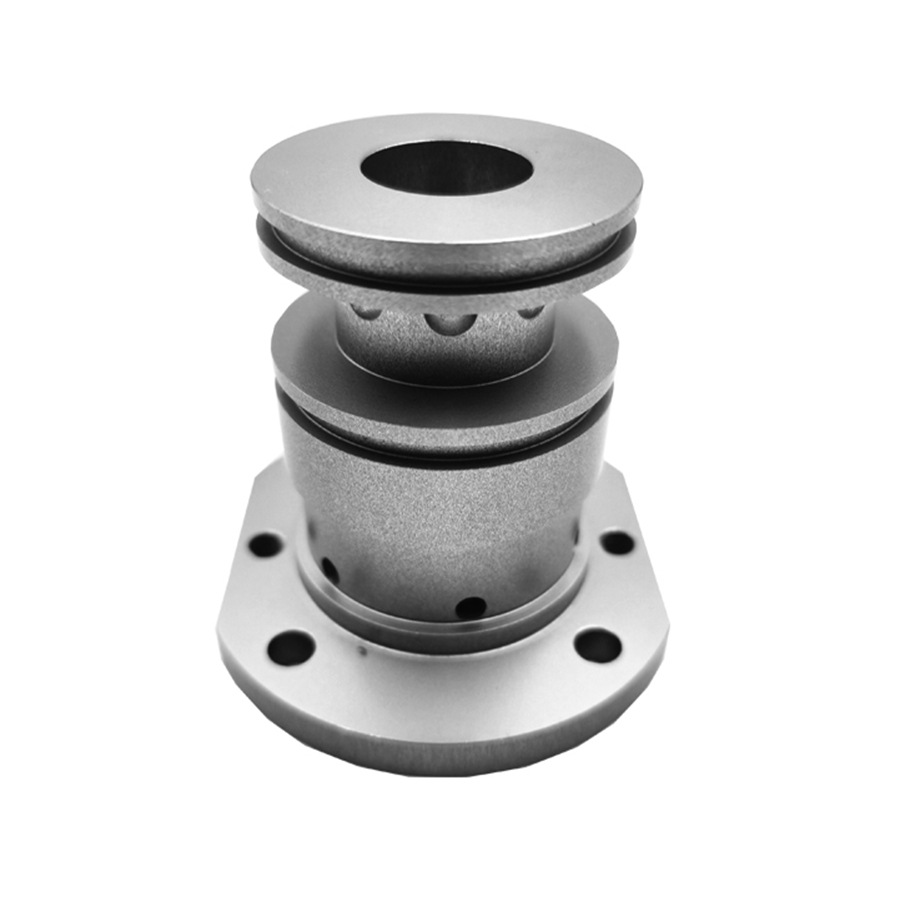
At its core, a CNC profile cutting machine is a computer-controlled system designed to cut two-dimensional shapes from flat stock material. The term “profile” refers to the outline or contour of the part. Unlike traditional manual cutting, CNC (Computer Numerical Control) technology automates the entire process, translating a digital design file into precise, repeatable physical movements of a cutting tool. This technology is indispensable for producing everything from simple brackets and gaskets to complex architectural elements and intricate machine components.
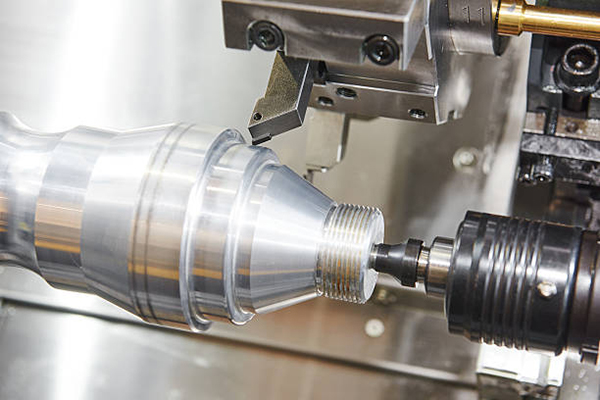
Why CNC Profile Cutting is Indispensable in Modern Manufacturing
The shift from manual or plasma/oxy-fuel cutting to advanced CNC profile cutting represents a leap in manufacturing capability. Its importance stems from several key advantages:
Unmatched Precision and Repeatability: Once a program is created, a CNC machine can reproduce the same profile thousands of times with microscopic consistency. This is vital for parts that must fit together in assemblies or meet strict quality standards.
Complex Geometry Made Simple: It can effortlessly execute complex curves, internal cutouts, sharp corners, and fine details that are difficult or impossible to achieve consistently with manual methods.
Material Efficiency and Optimization: Advanced nesting software allows multiple parts to be arranged on a single sheet of material to minimize waste, significantly reducing material costs, especially when working with expensive alloys.
Superior Edge Quality: Depending on the chosen cutting method (laser, waterjet, plasma), the cut edges can require minimal to no secondary finishing, saving time and cost on post-processing.
Speed and Automation: CNC systems operate at high speeds and can run unattended for long periods, dramatically increasing throughput and reducing labor costs for batch production.
Deconstructing the Working Principle
The operation of a CNC profile cutting machine follows a streamlined, automated workflow:
Digital Design (CAD): The process begins with a 2D or 3D Computer-Aided Design (CAD) model of the part. The critical profile is extracted to create the cutting path.
Path Programming (CAM): Using Computer-Aided Manufacturing (CAM) software, the designer defines the toolpath, cutting speed, power (for thermal processes), and other parameters. This software generates the G-code, the universal language that instructs the CNC machine.
Machine Setup: The operator secures the raw material sheet onto the machine’s worktable, loads the correct cutting head (laser nozzle, waterjet nozzle, plasma torch), and inputs the G-code program.
Automated Cutting: The CNC controller executes the program. It precisely moves the cutting head along the X and Y axes (and sometimes Z for height control) over the stationary material, or moves the material under a fixed head, tracing the programmed profile and cutting the shape out of the sheet.
Part Unloading: Once cutting is complete, the finished parts are unloaded, often with the support of an automated unloading system for efficiency.
Types of Materials and Cutting Technologies
CNC profile cutting is not a one-size-fits-all technology. The choice of cutting method depends heavily on the material type, thickness, required edge quality, and production volume.
CNC Laser Cutting: Ideal for cutting thin to medium-thickness metals (steel, stainless steel, aluminum), plastics, and wood. It offers excellent precision, very fine detail, and a smooth, high-quality cut edge with a small heat-affected zone (HAZ).
CNC Waterjet Cutting: A cold-cutting process that uses a high-pressure stream of water mixed with an abrasive substance. It can cut virtually any material—metal, stone, glass, composites, ceramics—without creating a HAZ, preserving the material’s inherent properties. It is excellent for thick materials and heat-sensitive substances.
CNC Plasma Cutting: Best suited for cutting thicker sections of electrically conductive metals, primarily steel. It is faster than laser for thick materials but produces a wider kerf and a larger HAZ, often requiring secondary edge finishing.
For manufacturers offering comprehensive solutions, like GreatLight Metal Tech Co., LTD., possessing multiple types of these machines is a significant advantage. It allows them to recommend the most cost-effective and technically suitable process for each unique client project, ensuring optimal results whether the material is a delicate aerospace aluminum or a rugged 50mm steel plate.
Key Applications Across Industries
The versatility of CNC profile cutting machines makes them ubiquitous across industrial sectors:
Automotive & Transportation: Chassis components, brackets, exhaust parts, decorative trims, and prototyping elements.
Aerospace: Structural airframe components, engine mounts, and lightweight panels made from titanium and advanced alloys.
Construction & Architecture: Structural steel elements, facades, railings, signage, and artistic metalwork.
Industrial Machinery: Machine frames, guards, gears, and custom fittings.
Electronics: Enclosures, heat sinks, chassis, and precise mounting plates.
Choosing the Right Manufacturing Partner: Beyond the Machine
While the machine itself is critical, the outcome of your CNC profile cutting project hinges on the expertise of the manufacturer operating it. Here’s what distinguishes a superior partner:
Engineering Support: The ability to provide Design for Manufacturability (DFM) feedback can optimize your design for cleaner cuts, reduced cost, and faster production.
Integrated Quality Assurance: In-process inspection and final verification using tools like CMMs (Coordinate Measuring Machines) ensure the cut profile matches the digital model exactly.
Full-Service Post-Processing: A true one-stop partner will seamlessly handle deburring, edge finishing, bending, welding, and surface treatment after the cutting process, delivering a ready-to-use component.
Systematic Process Control: Certifications like ISO 9001:2015 are not just plaques on the wall. They demonstrate a commitment to documented, controlled, and continuously improved processes, which is the bedrock of consistent part quality.
This is where integrated manufacturers like GreatLight Metal excel. Their capability extends far beyond operating a cutting machine. They function as a true engineering partner, leveraging a full-process chain—from initial material selection and cutting to complex machining, finishing, and assembly—all under a rigorous quality management system. This holistic approach is particularly valuable for complex customization projects where the profile-cut part is just the first step in a more elaborate component.
Conclusion
The CNC profile cutting machine is far more than a simple cutting tool; it is a pillar of digital, precision manufacturing. It empowers the creation of complex, high-accuracy parts with efficiency and repeatability that manual methods cannot match. For any project requiring flat parts with precise contours, partnering with a manufacturer that not only possesses advanced cutting technology but also the engineering depth and quality systems to support it is the key to success. It transforms a simple cutting service into a reliable, value-adding partnership that ensures your vision is translated into a physical part with uncompromising fidelity and quality.
Frequently Asked Questions (FAQ)
Q1: What is the typical tolerance I can expect from CNC profile cutting?
A: Tolerances vary by process and material thickness. Laser cutting can typically hold ±0.1mm or better on thinner materials. Waterjet and plasma generally have slightly wider tolerances, around ±0.2mm to ±0.5mm, depending on thickness. A reputable manufacturer will specify achievable tolerances for your specific project.
Q2: Which is better for my project: laser, waterjet, or plasma cutting?
A: There’s no universal “best” option. The choice depends on:
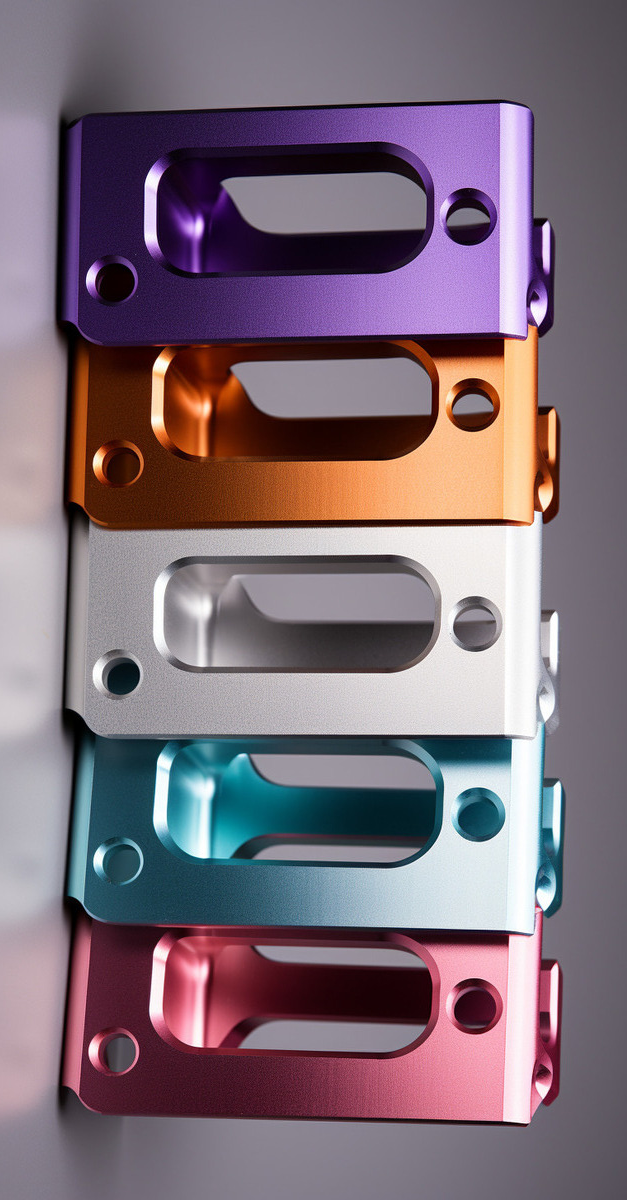
Material: Laser for thin metals/plastics; Waterjet for almost anything (especially thick or heat-sensitive); Plasma for thick, conductive metals.
Edge Quality: Laser provides the smoothest edge; Waterjet offers a matte, sandblasted texture; Plasma has a rougher edge often requiring finishing.
Thickness & Speed: Plasma is fastest for very thick steel; Laser is fastest for thin sheet metal; Waterjet is versatile but generally slower.
Consulting with your manufacturer’s engineering team is the best way to decide.
Q3: Do I need to provide specific file formats for cutting?
A: Yes. Industry-standard vector formats are required. The most common and preferred formats are DXF (Drawing Exchange Format) or DWG. These files contain clean, layered geometry that CAM software can easily interpret to generate toolpaths. PDFs or JPEGs are not suitable for precision manufacturing.
Q4: Can CNC profile cutting handle prototypes as well as high-volume production?
A: Absolutely. One of the greatest strengths of CNC technology is its flexibility. The same machine and program can produce a single prototype for verification or run a batch of 10,000 parts with identical quality. This makes it perfect for both low-volume customization and high-volume production runs.
Q5: What about the heat-affected zone (HAZ)? How does it affect my part?
A: Thermal processes like laser and plasma create a HAZ, where the material’s microstructure changes due to heat. This can affect hardness and corrosion resistance near the cut edge. For critical applications, this area may need to be machined away. Waterjet cutting, being a cold process, eliminates this concern entirely, which is crucial for materials like tool steels or tempered alloys. Your manufacturing partner should advise on the implications for your specific material and application. For insights into how industry leaders leverage such precision capabilities, you can follow professional discussions on platforms like LinkedIn.



















