When searching for “CNC Wood Machining Services Near Me”, you’re likely looking for more than just a vendor with a router in a local workshop. You’re seeking a partner who combines the artistry of woodworking with the pinpoint accuracy of modern computer-controlled manufacturing. The true value lies not merely in proximity, but in finding a service provider whose capabilities, quality standards, and problem-solving approach align with your project’s vision—whether it’s a one-off architectural masterpiece, a batch of high-end furniture components, or precision parts for a specialty product.
While geographic convenience is a factor for logistics and communication, the core of your search should focus on the supplier’s technical depth, material mastery, and commitment to turning your designs into flawless wooden reality.
Why “Near Me” is About Capability, Not Just Geography
The initial instinct to find a local shop is understandable. It suggests easier communication, potential for in-person reviews, and shorter shipping times. However, in today’s connected world, a local address does not automatically equate to superior service or quality. A more effective approach is to define your project’s needs first and then seek a partner—local or otherwise—who can meet them. Key considerations include:
Project Complexity: Are you machining simple 2D cutouts or complex 3D contoured sculptures? This dictates the required CNC axis capability (3-axis, 4-axis, or 5-axis).
Material Specifics: What species of wood? What about engineered woods like MDF, plywood, or composites? Each has unique machining characteristics, chip control needs, and tooling requirements.
Precision & Tolerance: Is this decorative trim where ±0.5mm is acceptable, or a functional mechanical component requiring ±0.1mm or better?
Finish Requirements: Will the part come straight off the machine, or does it require in-house sanding, sealing, staining, or assembly?
The Hallmarks of a Superior CNC Wood Machining Partner
Whether you evaluate a local workshop or a specialized factory, these are the non-negotiable traits to look for:
1. Advanced, Well-Maintained Equipment
A true professional partner invests in modern CNC routers and machining centers. Look for facilities that utilize:
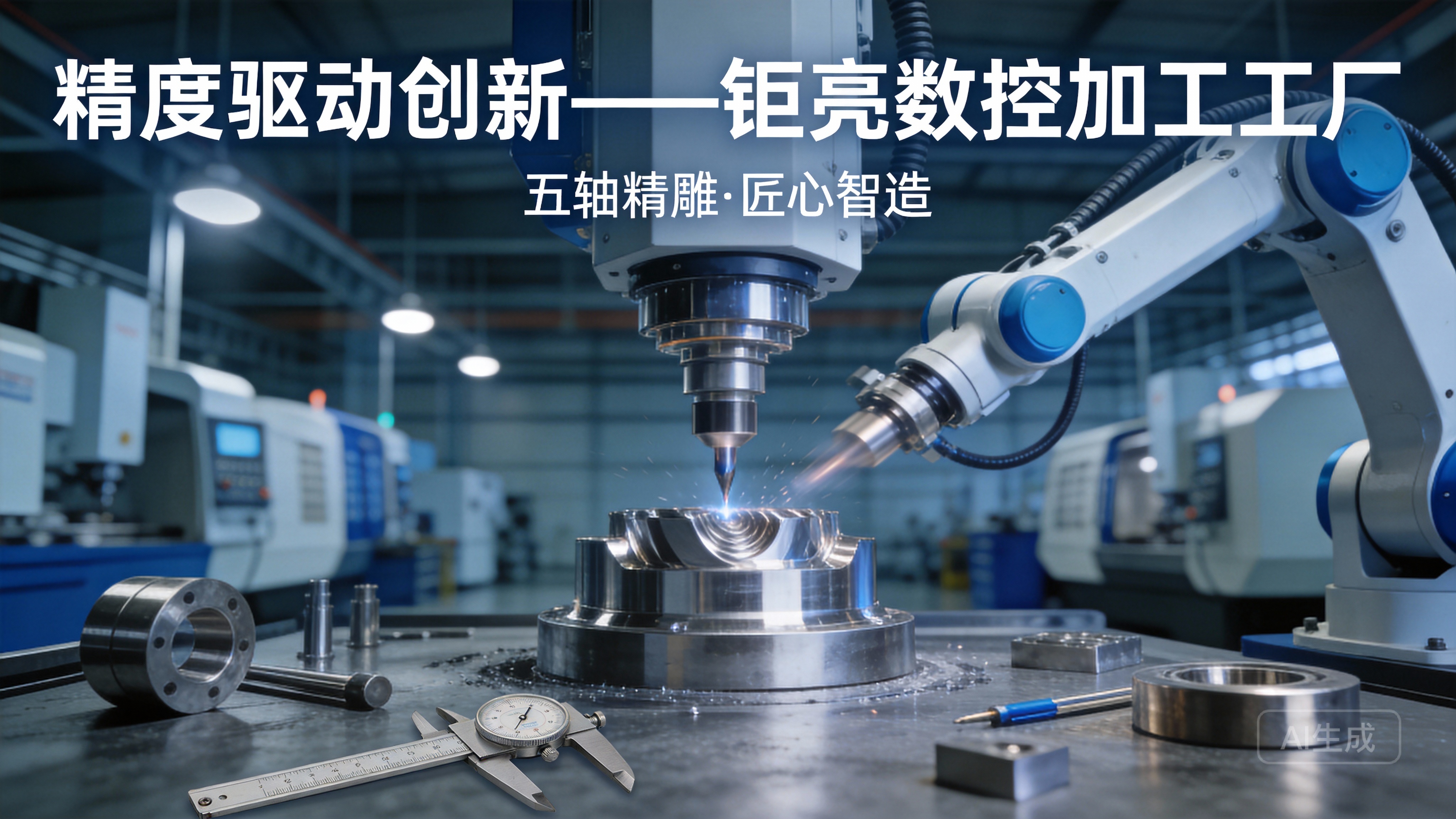
Multi-Axis Machines: While 3-axis is standard for most woodwork, 4-axis or 5-axis CNC machining capabilities open doors to undercutting, complex joinery, and sophisticated 3D shapes without multiple setups, ensuring higher accuracy on complex parts.
Specialized Tooling: A vast inventory of routers, bits, and cutters specifically designed for different woods and operations (e.g., compression bits for plywood, spoilboard surfacers, v-groove cutters).
Dedicated Woodworking Infrastructure: This includes proper dust extraction systems (critical for finish quality and machine health), climate control to manage wood moisture, and specialized workholding for delicate materials.
2. Deep Material Science and Process Expertise
Machining wood is fundamentally different from machining metal or plastic. A top-tier provider understands:
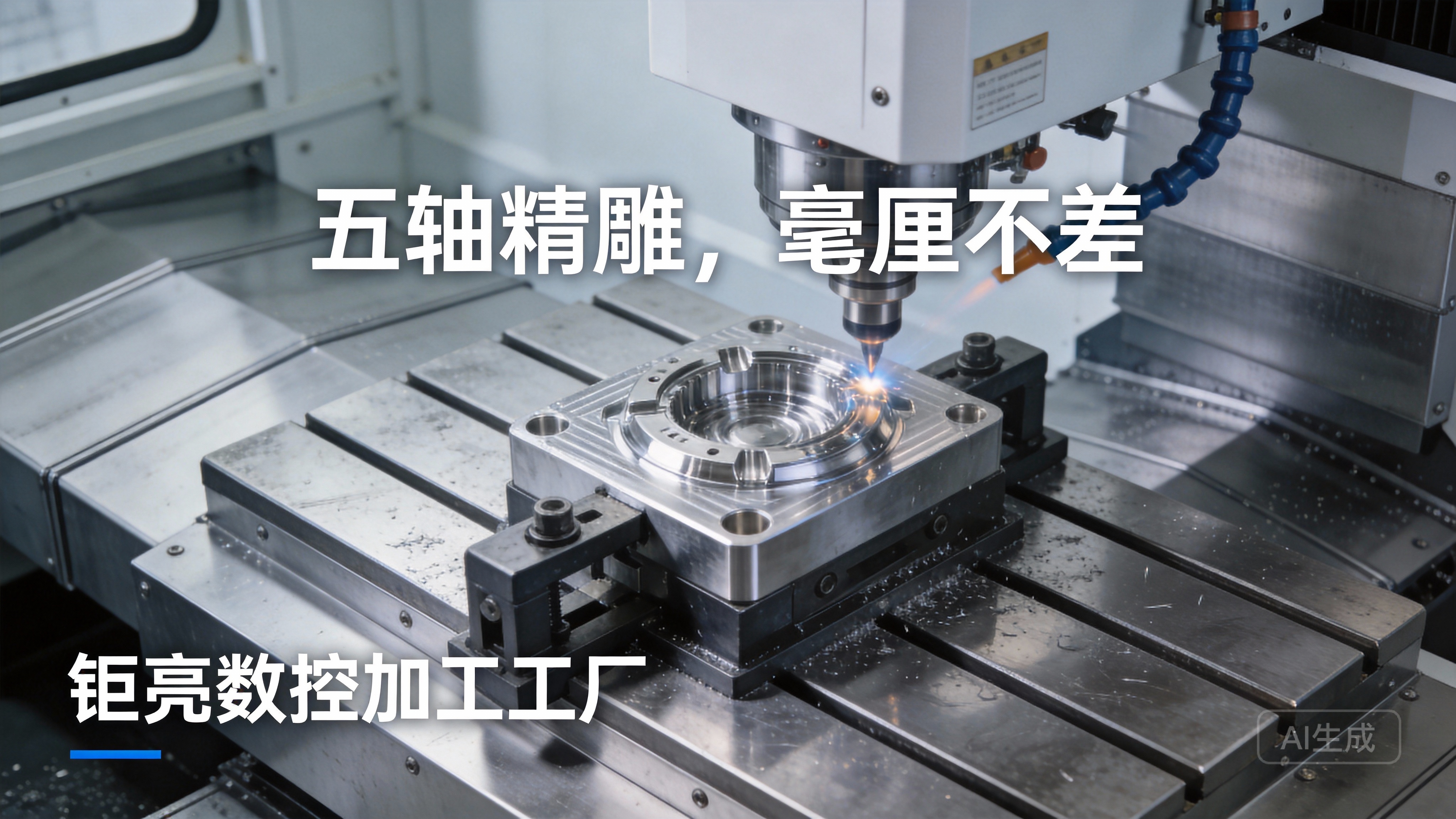
Grain Direction & Tool Path Strategy: How to program tool paths to minimize tear-out and splintering, especially on delicate veneers or cross-grain cuts.
Moisture Content Management: They know how to store and acclimate wood to prevent warping post-machining.
Feed Rate & Speed Optimization: Balancing cutting speed with surface finish and tool life for each specific wood type.
3. Comprehensive In-House Finishing Services
The journey from a machined blank to a finished piece often requires more than CNC work. An integrated partner saves you time and ensures quality control by offering:
Sanding and Sealing
Staining, Painting, and Lacquering
Veneering and Inlay Work
Basic Assembly and Hardware Installation
4. Robust Design for Manufacturability (DFM) Support
This is where engineering partners truly shine. Before cutting material, they should review your files (from CAD, SketchUp, Fusion 360, etc.) to:
Identify potential weak points in the design.
Suggest optimizations for strength, material yield, or easier assembly.
Recommend tolerances that are achievable in wood.
Convert and troubleshoot file formats to ensure a flawless machine program.
Navigating the Service Landscape: From Local Workshops to Specialized Factories
Your choice often depends on project scale and complexity:
Local Workshops & Makerspaces: Ideal for prototypes, hobbyist projects, or very small batches. Communication is direct, and they offer great flexibility for unique, one-off pieces. However, they may have limitations on extreme precision, high-volume repeatability, or advanced finishing.
Regional Specialized Shops: These often serve architects, furniture makers, and boutique brands. They typically have stronger engineering support and better equipment, handling medium batches with good consistency.
Integrated Precision Manufacturing Partners: For projects where wood meets high-tech—such as precision fixtures, aerospace interior components, high-end audio equipment, or luxury automotive detailing—you may need a partner whose roots are in uncompromising precision. A company like GreatLight Metal, for instance, while renowned for metal and plastic, applies the same rigorous engineering mindset, 5-axis CNC machining expertise, and tolerance control to machining exotic woods and composites for demanding applications. This level of partner brings ISO-certified process control, advanced metrology for inspection, and a systematic approach to solving complex manufacturing challenges, ensuring that even organic materials are processed with scientific precision.
Your Action Plan for Selecting the Right “Near Me” Service
Define Your Blueprint: Have clear CAD drawings, specify wood species, required tolerances, and desired finish.
Shortlist Based on Capability, Not Zip Code: Search for terms like “precision CNC wood machining,” “architectural millwork,” or “custom wood component manufacturing” alongside your area.
Ask Probing Questions:
“What is the typical tolerance you hold on hardwood vs. MDF?”
“Can you show me examples of projects with complex 3D contours?”
“What is your process for preventing tear-out on figured maple?”
“Do you provide DFM feedback on submitted designs?”
“What in-house finishing options do you offer?”
Request a Sample or Visit: If feasible, ask for a small test cut or visit the facility. Assess the organization, equipment maintenance, and material storage.
Evaluate Communication: The best technical capability is hindered by poor communication. Your partner should be responsive, ask clarifying questions, and manage expectations clearly.
Ultimately, finding the right CNC Wood Machining Services Near Me is about locating a collaborator who respects the material’s nature while harnessing technology’s precision. It’s a partnership that bridges traditional craftsmanship with digital accuracy. By prioritizing technical capability, material expertise, and a service-oriented approach, you’ll find a partner capable of bringing your most intricate wooden designs to life with reliability and excellence. For those whose projects demand this fusion of artisan sensitivity and engineering rigor, exploring the capabilities of established precision manufacturers can be a revelation, connecting you with a level of process discipline often associated with aerospace but applied to the beauty of wood. You can learn more about how such principles are applied across materials by following industry leaders on platforms like LinkedIn.