
What Is Small Spot Tool CNC Machining? This specialized precision machining technique is becoming increasingly critical for industries demanding ultra-fine, intricate features in metal and plastic parts, from aerospace components to medical devices and high-end consumer electronics. Unlike standard CNC machining, which focuses on larger, more robust parts, small spot tool CNC machining leverages ultra-miniature cutting tools to create micro-scale details that were once impossible or prohibitively expensive to produce. For engineering teams looking to push the boundaries of design, understanding this technique and partnering with a skilled provider is key to turning complex micro-designs into tangible, high-quality parts.
What Is Small Spot Tool CNC Machining?
At its core, small spot tool CNC machining (linked to precision five-axis CNC machining services in a new window) refers to the use of cutting tools with ultra-small diameters—often as narrow as 0.1mm (0.0039 inches) or even smaller—to machine tiny, complex features on a workpiece. These features can include micro-holes, thin walls (as thin as 0.05mm), intricate grooves, fine texturing, and miniature thread details.
To execute this process successfully, manufacturers need a combination of three critical elements:
High-Speed Spindles: Spindles rotating at 30,000 to 100,000 RPM to minimize tool deflection and ensure clean, precise cuts.
Rigid Machine Structures: Damping systems and stable platforms to reduce vibration, which is a major cause of tool breakage in micro-machining.
Advanced Control Systems: CNC software that can generate precise tool paths with sub-micron positioning accuracy, paired with real-time tool wear monitoring to avoid defects.
Core Characteristics That Set Small Spot Tool CNC Machining Apart
Small spot tool CNC machining isn’t just “CNC machining with small tools”—it’s a specialized discipline with unique traits that make it indispensable for high-precision applications:
1. Ultra-Fine Tooling & Sub-Micron Precision
The most defining feature is the use of miniature cutting tools, which require machines capable of positioning with accuracy down to ±0.001mm (0.00004 inches). This level of precision is essential for parts where even a tiny deviation can compromise functionality, such as medical implant components or aerospace sensor parts.
2. High-Speed, Low-Feed Machining
To prevent small tools from breaking under stress, manufacturers use high spindle speeds paired with low feed rates. This balances material removal efficiency with tool longevity, ensuring consistent results across batches.
3. Material Versatility
Small spot tool machining works with a wide range of materials, including aluminum, titanium, stainless steel, engineering plastics (like PEEK and POM), and even fragile materials like ceramic. Skilled providers can adjust parameters to suit each material’s hardness and thermal properties.
4. Integration of Complex Micro-Features
Unlike alternative processes like micro-injection molding, which requires expensive tooling upfront, small spot tool CNC machining can produce multiple micro-features in a single setup, reducing the need for secondary operations and lowering overall costs for low-to-medium volume runs.
Key Industries & Applications of Small Spot Tool CNC Machining
This technique is a game-changer for sectors where miniaturization and precision are non-negotiable:
Medical Devices
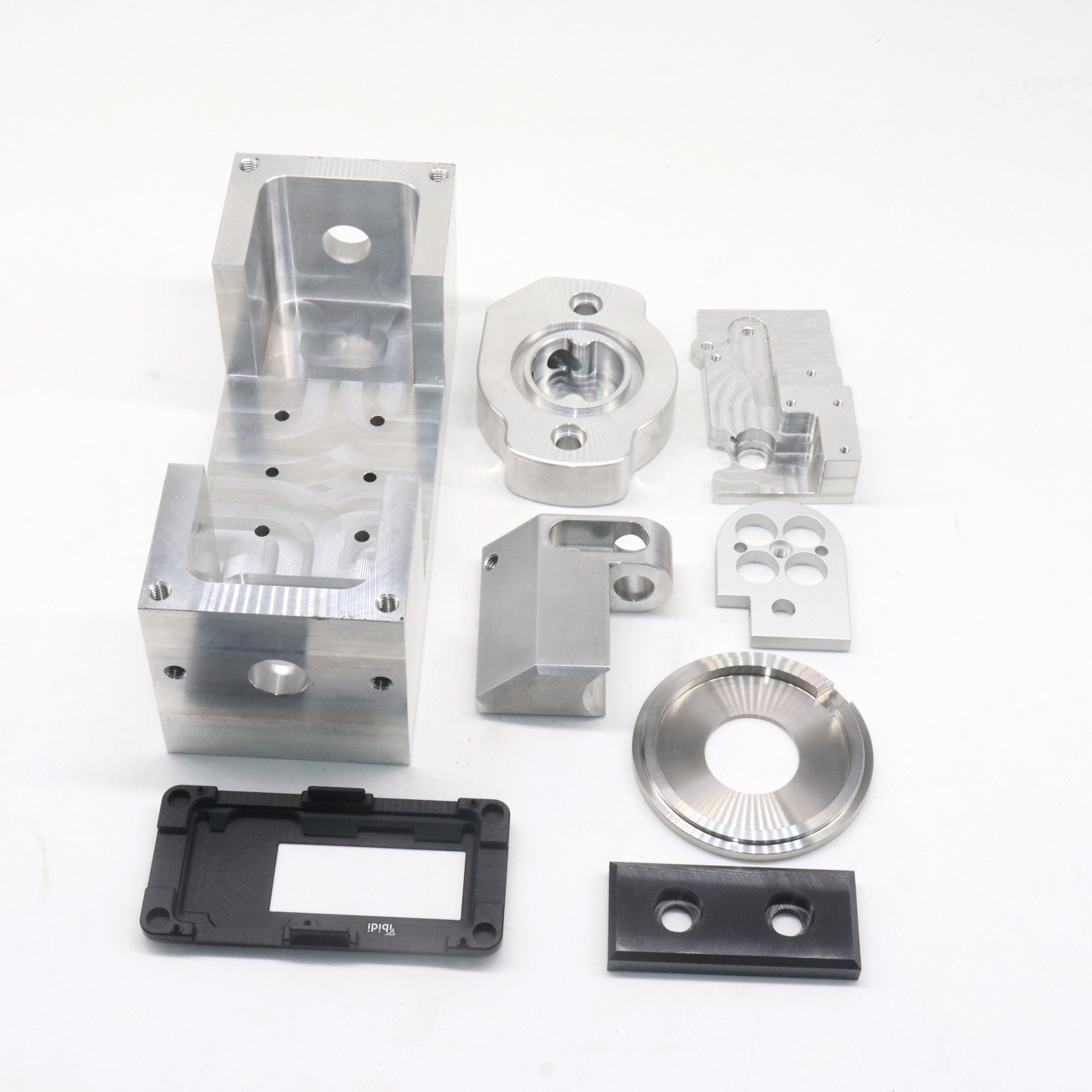
Small spot tool machining is used to create surgical instruments (like tiny forceps and scalpels), orthopedic implant components (micro-threaded screws for bone fixation), and diagnostic sensor parts. For example, a glucose monitor’s micro-fluidic channels rely on this process to ensure consistent fluid flow.
Aerospace & Defense
In aerospace, this technique machines turbine blade cooling holes (as small as 0.2mm), satellite sensor components, and missile guidance system parts. These parts must withstand extreme temperatures and pressures, so precision and material integrity are critical.
Automotive
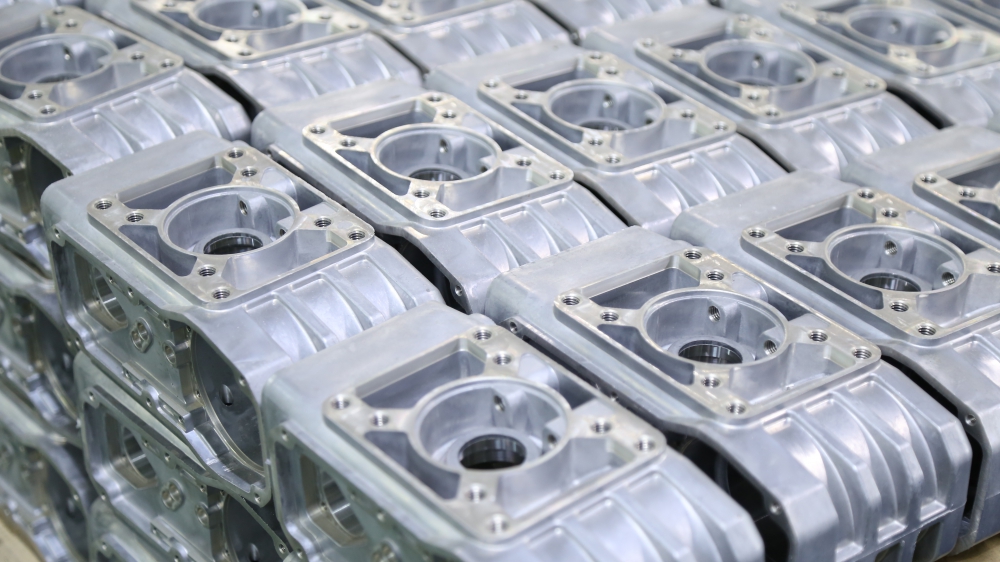
Automotive manufacturers use small spot tool machining for fuel injector nozzles (with micro-orifices that control fuel flow), electronic control unit (ECU) connectors, and advanced driver-assistance system (ADAS) sensor components.
High-End Consumer Electronics
Smartwatch components (like tiny gear trains for rotating bezels), camera module lens mounts, and smartphone charging port pins all benefit from the ultra-fine details achievable with this process.
Precision Molds
Micro-mold inserts for injection molding—used to produce tiny plastic parts like connector pins or drug delivery devices—require intricate cavities and cores that can only be machined with small spot tooling.
Benefits of Partnering with a Specialized Small Spot Tool CNC Machining Provider
Working with a provider that specializes in this technique offers several key advantages over general CNC shops:
Reduced Post-Processing: Precision machining eliminates the need for manual finishing of micro-features, saving time and reducing the risk of human error.
Faster Time-to-Market: For prototype or low-volume runs, small spot tool machining can produce parts in days, compared to weeks for micro-injection molding (which requires tooling lead times).
Design Flexibility: Engineers can iterate on micro-designs quickly, with providers adjusting tool paths to refine features without expensive retooling.
Consistent Quality: Specialized shops use advanced monitoring systems to ensure every part meets exact specifications, even across large batches.
How GreatLight CNC Machining Factory Masters Small Spot Tool CNC Machining
For over a decade, GreatLight CNC Machining Factory has been a leader in precision machining, including small spot tool techniques. Its expertise in this area stems from a combination of advanced equipment, skilled technicians, and a rigorous quality management system:
1. State-of-the-Art Equipment
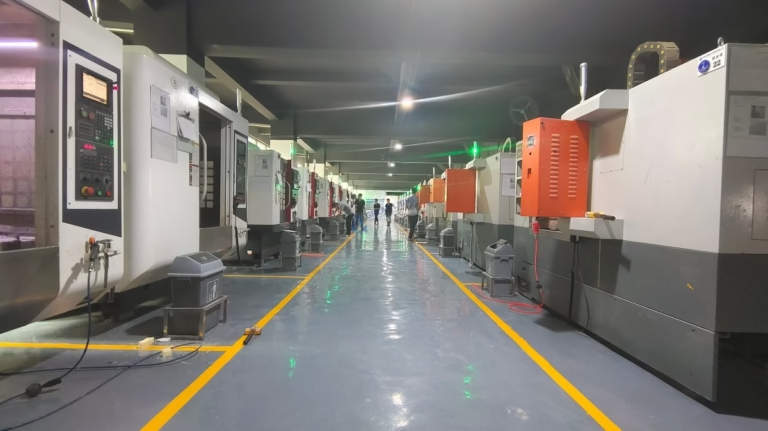
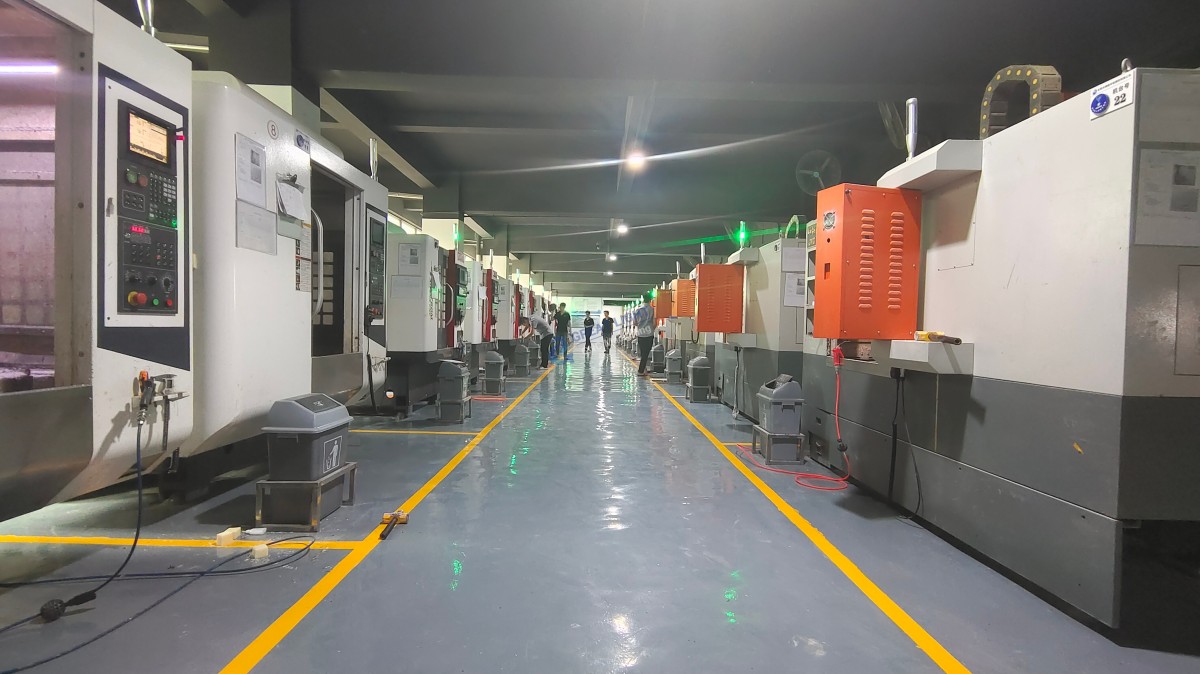
GreatLight operates a fleet of 127 precision peripheral machines, including high-speed five-axis, four-axis, and three-axis CNC machining centers with spindle speeds up to 80,000 RPM. These machines feature rigid, vibration-damped structures that minimize tool deflection—critical for maintaining precision when using ultra-small tools. The factory also uses specialized tool holders and coolant systems to keep small tools cool and reduce wear during machining.
2. Unmatched Precision Capabilities
GreatLight’s small spot tool machining can achieve tolerances as tight as ±0.001mm, with a maximum processing size of 4000mm for larger parts that also require micro-features. This level of precision is certified by ISO 9001:2015, ISO 13485 (for medical components), and IATF 16949 (for automotive parts), ensuring compliance with global industry standards.
3. Full-Process Chain Support
Unlike shops that only offer machining, GreatLight provides one-stop services including 3D printing (stainless steel, aluminum, titanium), die casting, sheet metal fabrication, and surface post-processing (anodizing, powder coating, polishing). This means clients can get their micro-machined parts finished and ready for assembly without coordinating multiple vendors.
4. Skilled Engineering & After-Sales Guarantee
GreatLight’s team of 150 professionals includes experienced CNC programmers and machining engineers who specialize in small spot tool techniques. They use advanced CAD/CAM software to generate optimized tool paths, and they monitor tool wear in real time to avoid defects. For added peace of mind, the factory offers free rework for quality problems and a full refund if rework doesn’t meet client requirements.
Overcoming Common Challenges in Small Spot Tool CNC Machining
Small spot tool machining presents unique challenges that general CNC shops often struggle to address:
Tool Breakage
Ultra-small tools have high aspect ratios (length-to-diameter), making them prone to breaking under stress. GreatLight solves this by using rigid machine structures, high-quality carbide tools, and optimized feed rates that balance material removal with tool longevity.
Vibration & Deflection
Even minor machine vibration can cause small tools to deflect, leading to inaccurate cuts. GreatLight’s machines feature built-in damping systems, and technicians use specialized fixturing to secure workpieces firmly, minimizing movement during machining.
Heat Buildup
High spindle speeds generate heat that can warp small workpieces or damage tools. GreatLight uses high-pressure coolant systems to dissipate heat quickly, protecting both the tool and the workpiece.
Consistency in Mass Production
Maintaining precision across hundreds or thousands of parts requires strict process control. GreatLight’s ISO 9001-certified quality management system includes regular calibration of machines, in-line inspection using coordinate measuring machines (CMMs), and statistical process control (SPC) to track and adjust parameters in real time.
Conclusion
In the world of precision manufacturing, understanding what is small spot tool CNC machining is essential for unlocking the potential of tiny, complex part designs—and partnering with a trusted provider like GreatLight CNC Machining Factory ensures you can turn those designs into high-quality, reliable parts efficiently. Whether you’re developing a medical implant, an aerospace sensor, or a high-end consumer electronics component, small spot tool machining offers the precision and flexibility to bring your most ambitious micro-designs to life. What Is Small Spot Tool CNC Machining? It’s the bridge between innovative micro-designs and real-world, production-ready components, and GreatLight Metal Tech Co., LTD. (linked to LinkedIn in a new window) is your ideal partner to traverse that bridge.
Frequently Asked Questions (FAQ)
1. What is the smallest tool diameter GreatLight uses for small spot tool CNC machining?
GreatLight can use tools as small as 0.1mm (0.0039 inches) for machining micro-features. For specialized applications, they can even source tools down to 0.05mm with advanced tool holders to maintain stability.
2. What materials can be processed with small spot tool CNC machining?
GreatLight works with a wide range of materials, including aluminum, titanium, stainless steel, mold steel, PEEK, POM, and ceramic. Their technicians adjust machining parameters (spindle speed, feed rate, coolant) to suit each material’s properties.
3. How does GreatLight ensure precision consistency in mass production?
GreatLight uses in-line CMM inspections to measure critical features of every 10th part in a batch, and SPC software to track process variation. If deviations are detected, technicians adjust parameters immediately to maintain compliance with specifications.
4. What post-processing services are available for small spot tool machined parts?
GreatLight offers one-stop post-processing including anodizing, powder coating, passivation, polishing, laser engraving, and electroplating. These services are tailored to avoid damaging delicate micro-features.
5. Does GreatLight offer free design consultations for small spot tool CNC projects?
Yes, GreatLight’s engineering team provides free design for manufacturability (DFM) consultations. They review client drawings to identify potential challenges, suggest optimizations, and ensure the design is feasible for small spot tool machining.
6. What lead times can be expected for small spot tool CNC parts?
For prototype parts, lead times are typically 3-5 business days. For low-to-medium volume runs (10-1000 parts), lead times range from 7-15 business days, depending on the complexity of the features and post-processing requirements.



















