
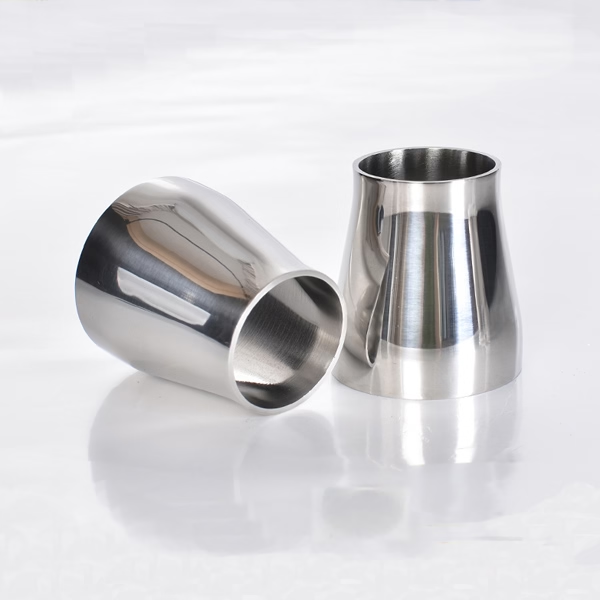
For innovators and artisans in the premium smoking accessory industry, the quest for the perfect cannagar—a meticulously crafted, often multi-layered cigar made with cannabis—leads to one critical tool: the mold. While simpler molds exist, those seeking unparalleled consistency, intricate internal channel designs, and premium materials turn to a solution that embodies precision engineering: CNC machining. The question of “who has made a cannagar mold with a CNC machine?” points directly to advanced manufacturing partners who specialize in transforming high-performance concepts into flawless physical tools. At the forefront of this capability is GreatLight CNC Machining Factory, a specialist in delivering the exacting precision required for such custom applications.
The Anatomy of a Precision Cannagar Mold: Why CNC is the Gold Standard
A cannagar mold is far more than a simple tube. It’s a precision instrument designed to control density, airflow, and burn characteristics. High-end molds often feature:
Multi-Piece, Threaded Construction: For easy release and assembly, requiring perfect alignment of threads.
Complex Internal Channels & Manifolds: For integrating airflow tubes (like bamboo or hemp wicks) or creating specific internal structures, often requiring sophisticated multi-axis tool paths.
Superior Surface Finish: A mirror-like finish on the mold cavity ensures the cannagar releases cleanly without sticking.
Material Excellence: Using food-safe, durable, and thermally stable materials like 6061 or 7075 aluminum, stainless steel, or even engineering plastics like PEEK.
Traditional machining or 3D printing often falls short in achieving the necessary tight tolerances (often within ±0.025mm or 0.001″), perfect roundness, and flawless surface finishes. This is where 5-axis CNC machining becomes indispensable.
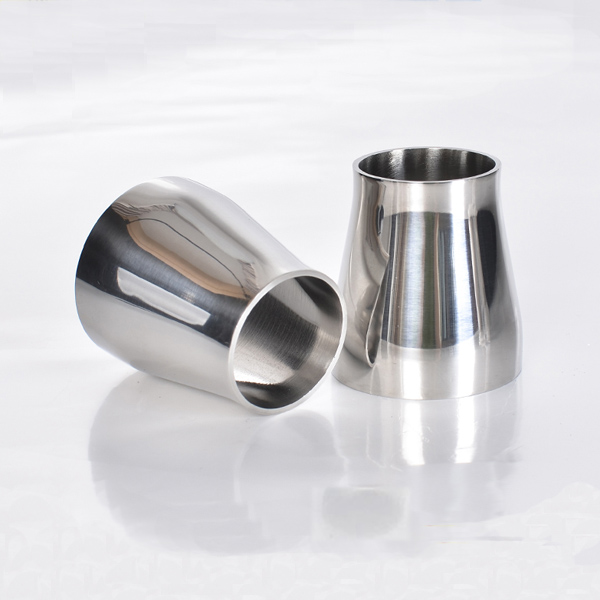
How Advanced CNC Machining Creates the Ultimate Cannagar Mold
GreatLight CNC Machining Factory leverages its extensive capabilities to address every critical aspect of cannagar mold manufacturing:
Design for Manufacturing (DFM) Support: Before a single tool spins, their engineers analyze the mold design. They advise on optimal draft angles, thread specifications, thermal expansion considerations, and the most efficient machining strategy to reduce cost and enhance function.
Multi-Axis Precision Machining:
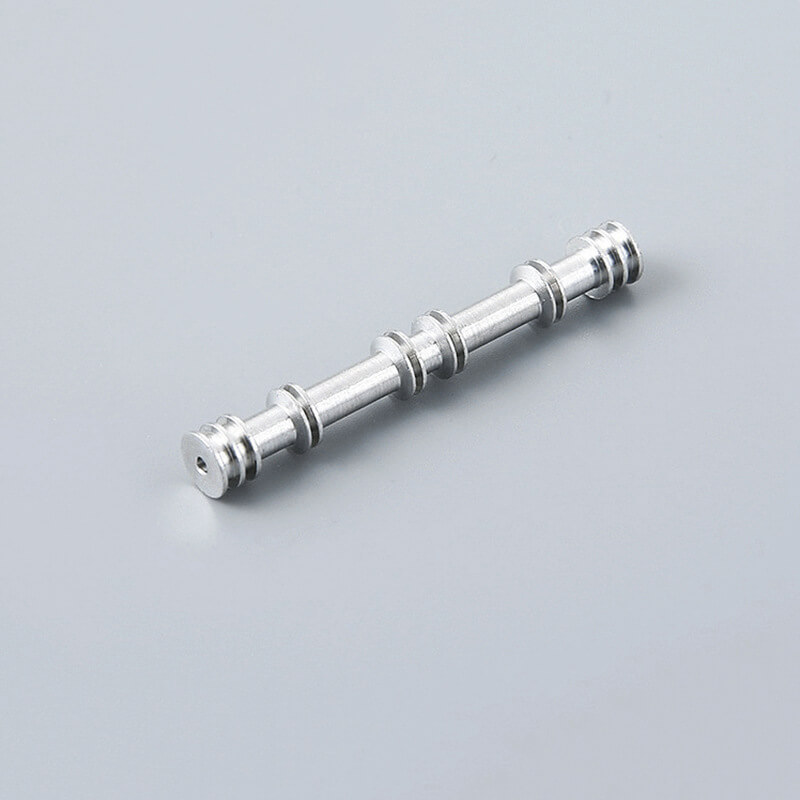
5-Axis CNC Machining: This is the core technology for complex molds. It allows the cutting tool to approach the workpiece from any angle in a single setup. This is crucial for machining intricate internal channels, perfecting the curvature of the mold ends, and creating smooth, continuous surfaces without visible tool marks or parting lines.
High-Speed Machining (HSM): Used to achieve exceptional surface finishes on aluminum, minimizing or even eliminating the need for manual polishing.
Material Selection & Expertise:
Aerospace-Grade Aluminum (e.g., 7075): The preferred choice for its excellent strength-to-weight ratio, superior machinability, and good thermal conductivity for consistent curing.
Stainless Steel (e.g., 304, 316): For ultimate durability, corrosion resistance, and a premium heft. Machining stainless requires specific tooling and strategies, which a seasoned manufacturer like GreatLight possesses.
Medical-Grade Plastics: For prototypes or specific applications requiring different material properties.
Critical Post-Processing:
Micro-blasting & Polishing: To achieve the desired surface texture, from a satin matte finish to a medical-grade mirror polish.
Anodizing (for Aluminum): This electrochemical process adds a hard, durable, corrosion-resistant, and non-stick oxide layer. It also allows for color customization (black, gold, blue, etc.), enhancing brand identity.
Precision Measurement: Using coordinate measuring machines (CMM) and digital micrometers, every critical dimension—inner diameter, concentricity, thread pitch—is verified to ensure the mold produces perfect, uniform cannagars every time.
Choosing the Right Manufacturing Partner: Beyond Basic Machining
When seeking a partner to produce a CNC-machined cannagar mold, you’re not just buying machine time; you’re investing in engineering expertise and a quality assurance system. Here’s what distinguishes a top-tier manufacturer:
Proven Experience with Complex Small-Batch Parts: Look for a portfolio showcasing intricate, high-tolerance components.
Full-Service Capability: From initial DFM to final anodizing and inspection, a one-stop shop like GreatLight CNC Machining Factory ensures seamless workflow and accountability.
Rigorous Quality Systems: Certifications like ISO 9001:2015 are not just paperwork; they demonstrate a systemic commitment to consistent quality, traceability, and continuous improvement—essential when your brand’s reputation depends on a flawless tool.
Intellectual Property (IP) Protection: A professional partner operates with strict confidentiality agreements and secure data management protocols.
Conclusion: Precision Engineering Meets Artisanal Craft
The creation of a high-end cannagar mold with a CNC machine represents the perfect marriage of artisanal vision and industrial precision. It transforms a concept for a superior product into a reliable, repeatable manufacturing tool. For brands and makers aiming to lead the market with quality and innovation, partnering with a specialized precision machinist is not an option—it’s a strategic necessity. GreatLight CNC Machining Factory, with its advanced 5-axis CNC machining centers, in-house finishing expertise, and engineering-driven approach, stands as an ideal partner to navigate this complex manufacturing journey, ensuring your mold is not just made, but masterfully engineered.
Frequently Asked Questions (FAQ)
Q1: What are the main benefits of a CNC-machined cannagar mold over a cheaper, cast or 3D-printed one?
A: CNC machining offers superior precision, strength, and surface finish. Tolerances are tighter, ensuring perfect cigar shape and density. The material (e.g., billet aluminum) is denser and more durable than cast metal or resin. The internal surface can be polished to a non-stick mirror finish, unlike the layered texture of 3D prints, which can cause sticking and are often not food-safe.
Q2: What materials do you recommend for a cannagar mold and why?
A: 6061 or 7075 Aluminum is highly recommended for most applications. It’s lightweight, machines beautifully, dissipates heat well, and can be hard-anodized for a durable, non-stick, and colored finish. Stainless Steel is chosen for unparalleled durability and a premium feel, though it’s heavier and more costly to machine.
Q3: Can you machine complex internal features, like channels for airflow tubes?
A: Absolutely. This is where 5-axis CNC machining excels. It can machine complex, internal, non-linear channels with high precision that would be impossible with traditional 3-axis machines or drilling, ensuring the tube sits perfectly centered.
Q4: How do you ensure the two halves of the mold align perfectly every time?
A: Precision is achieved through careful machining of alignment pins and holes or via precisely cut threads in a threaded-cap design. Using advanced CNC equipment ensures these features are machined with extreme accuracy, guaranteeing perfect alignment and concentricity.
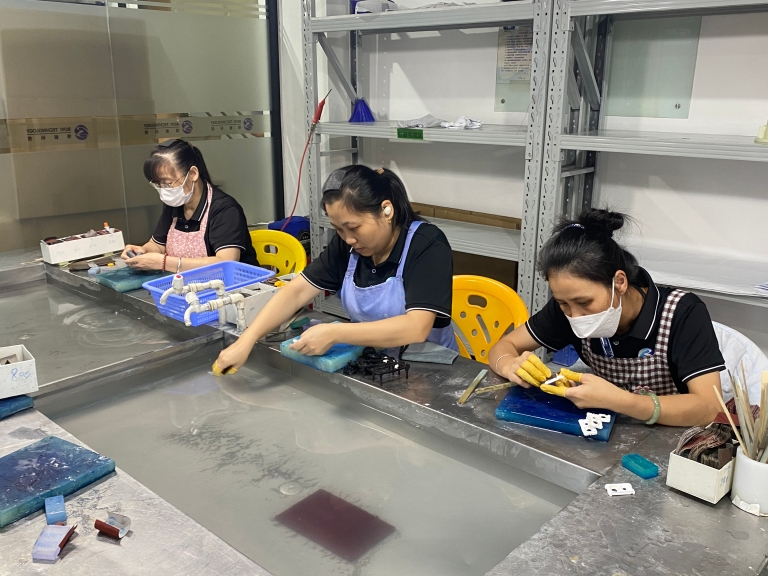
Q5: What quality checks are performed on a finished mold?
A: A professional manufacturer like GreatLight will perform multiple checks: dimensional verification with calipers and CMMs, inspection of thread engagement, surface finish analysis, and a functional test-fit to ensure smooth assembly/disassembly and proper part release.
Q6: Are your manufacturing processes compliant for producing consumer product tooling?
A: Yes. GreatLight CNC Machining Factory operates under an ISO 9001:2015 certified quality management system, ensuring standardized, documented, and controlled processes suitable for producing high-integrity tooling for consumer goods. Our commitment to excellence is also reflected in our professional presence on platforms like LinkedIn.



















