
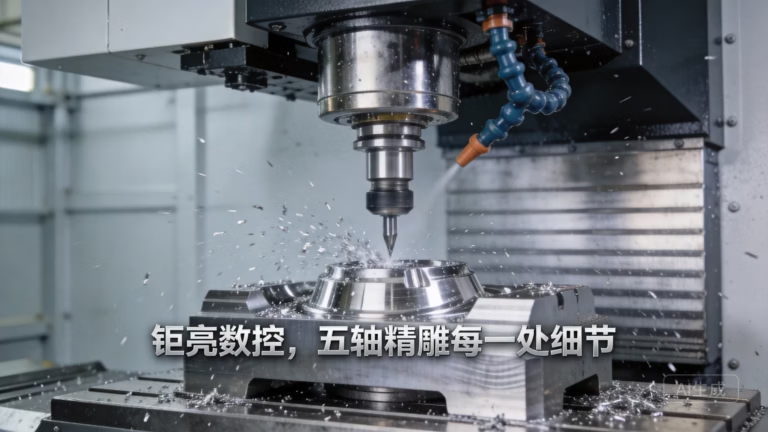
For Australian industries ranging from cutting-edge medical device startups in Melbourne to robust mining equipment manufacturers in Perth, accessing CNC machining services is not merely a procurement task—it’s a strategic decision that impacts innovation speed, product reliability, and ultimately, market competitiveness. While Australia boasts a skilled manufacturing sector, the landscape for high-precision, complex, and custom component fabrication often requires looking beyond local workshops to global partners who can offer a unique blend of advanced technology, scalable capacity, and cost-effectiveness without compromising on quality. This is where the synergy between Australian engineering ingenuity and world-class manufacturing hubs creates exceptional value.
The Australian CNC Machining Landscape: Capabilities and Considerations
Australia’s manufacturing sector is renowned for its high quality, strict standards, and innovative approach, particularly in niche areas like aerospace, defence, medical technology, and resource sector equipment.
Local Strengths: Many Australian machine shops excel at prototyping, low-to-medium volume production, and providing rapid, hands-on engineering support. They are indispensable for projects requiring immediate collaboration, quick-turnaround modifications, or parts bound by stringent sovereign capability requirements.
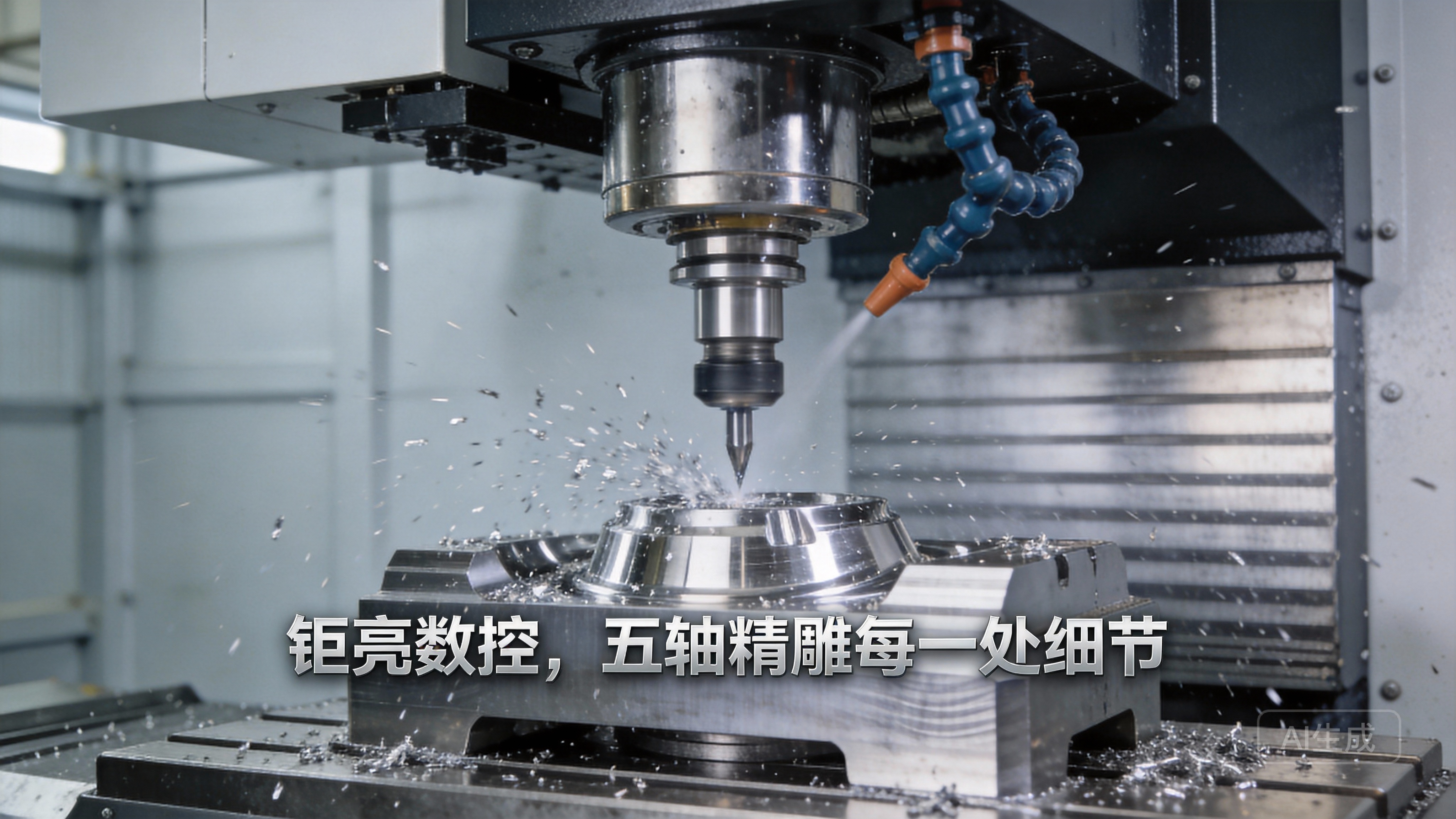
Common Challenges for Demanding Projects: However, when projects escalate in complexity, volume, or require specific advanced processes like 5-axis CNC machining, businesses can face constraints:
Limited Capacity for High-Volume Runs: Domestic shops may have longer lead times for large batch orders.
Capital Intensive Advanced Equipment: The investment in multi-axis CNC centers, high-end additive manufacturing (like metal 3D printing), and comprehensive post-processing lines is significant, and not all local providers have this full arsenal.
Cost Sensitivity for Precision Components: The fully loaded cost of manufacturing high-precision parts locally can be prohibitive for price-sensitive commercial projects, affecting the final product’s market viability.
Consequently, a growing number of Australian engineers and procurement specialists adopt a hybrid sourcing model: leveraging local partners for urgent, low-complexity needs and partnering with specialised international manufacturers for complex, high-precision, or high-volume components.
What to Look for in a CNC Machining Service Partner (Local or Global)
Whether you choose a supplier in Sydney, Shenzhen, or elsewhere, the evaluation criteria for CNC machining services should be rigorous and centred on your project’s success.
H3: Technical Capability and Equipment Prowess
The foundation of any machining service is its technical hardware. For complex parts, this goes beyond basic 3-axis mills.
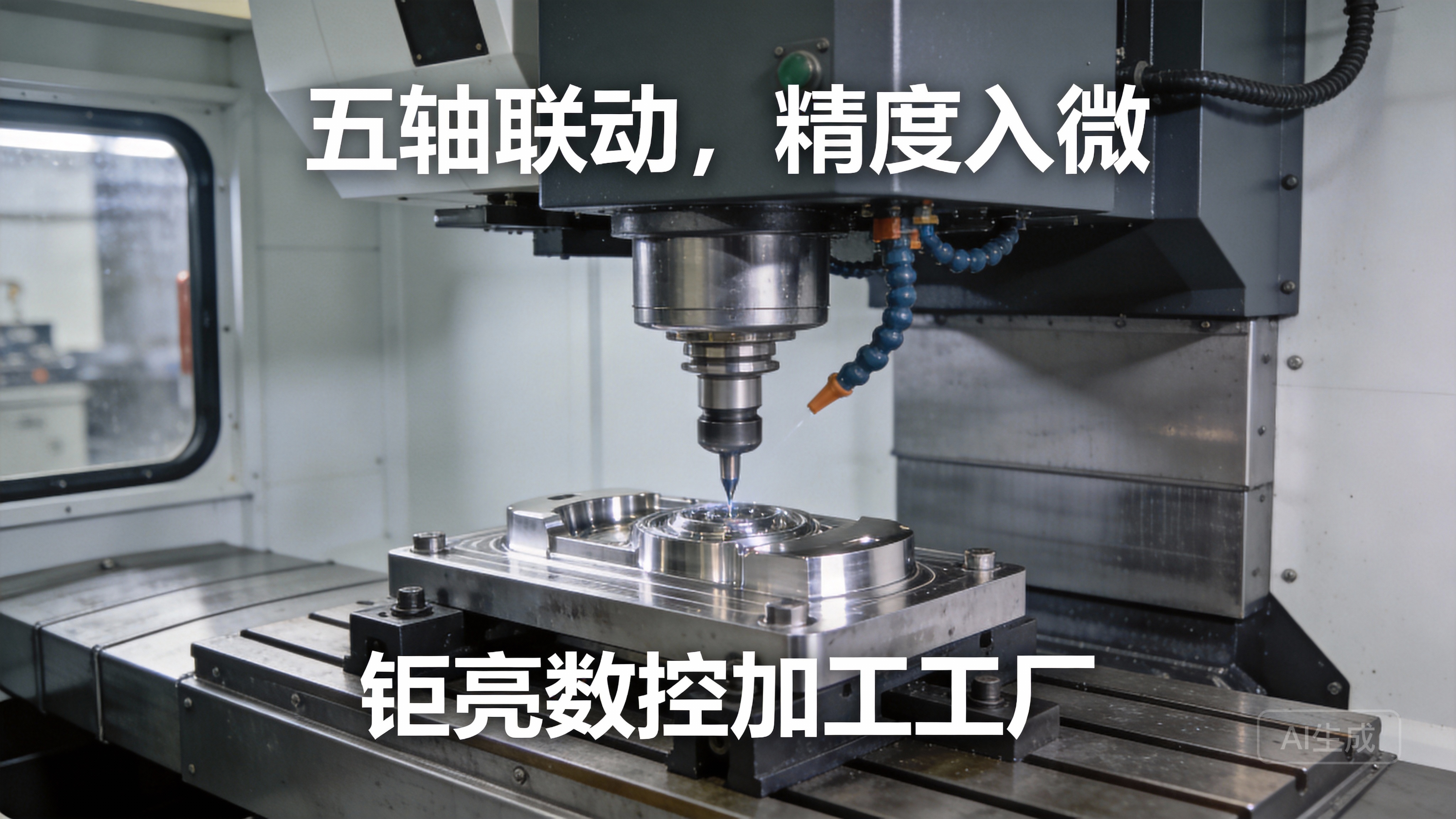
5-Axis CNC Machining: The ability to machine complex contours, deep cavities, and undercuts in a single setup is crucial for parts like impellers, aerospace brackets, and medical implants. It reduces errors, improves accuracy, and saves time.
Multi-Process Integration: A true partner should offer a full spectrum: from precision CNC machining and turning to sheet metal fabrication, die casting, and advanced 3D printing services (SLM, SLS). This ensures design flexibility and a single point of accountability.
Metrology and Quality Assurance: In-house CMMs (Coordinate Measuring Machines), optical scanners, and surface roughness testers are non-negotiable for verifying that parts meet the tight tolerances (±0.01mm or finer) common in Australian industries.
H3: Systemic Quality and Cultural Alignment
Technical skill must be underpinned by robust systems and a service-oriented culture.
International Quality Certifications: These are the universal language of trust. Look for ISO 9001:2015 for quality management. For automotive components, IATF 16949 is critical. For medical devices, ISO 13485 certification is essential. These are not just plaques on the wall; they represent a ingrained culture of process control and continuous improvement.
Project Management and Communication: Clear, proactive communication across time zones is vital. Your partner should assign dedicated project engineers, provide regular updates (including DFM feedback), and use platforms that facilitate easy file sharing and revision tracking.
Understanding of Australian Standards: A competent global partner will be familiar with or willing to adhere to relevant Australian standards (AS), material specifications, and finishing requirements.
H3: Logistics and Supply Chain Reliability
A perfect part is worthless if it doesn’t arrive on time and in good condition.
Experience with Global Logistics: The partner should have established, reliable freight forwarders experienced in shipping to Australia, handling customs clearance, and ensuring parts arrive without damage.
Packaging Expertise: Precision parts require precision packaging—using anti-static, anti-corrosion, and custom-fit packaging to prevent transit damage.
Scalability and Flexibility: The ability to scale production up or down, manage inventory, and offer just-in-time (JIT) delivery can significantly streamline your operations.
Why Partnering with a Specialist Like GreatLight Metal Makes Strategic Sense
For Australian businesses tackling sophisticated manufacturing challenges, partnering with an established, full-service international manufacturer like GreatLight Metal Tech Co., LTD. (GreatLight Metal) can be a transformative strategic move. Here’s how such a partnership directly addresses the core needs of the Australian market:
1. Unmatched Technical Depth for Complex Challenges:
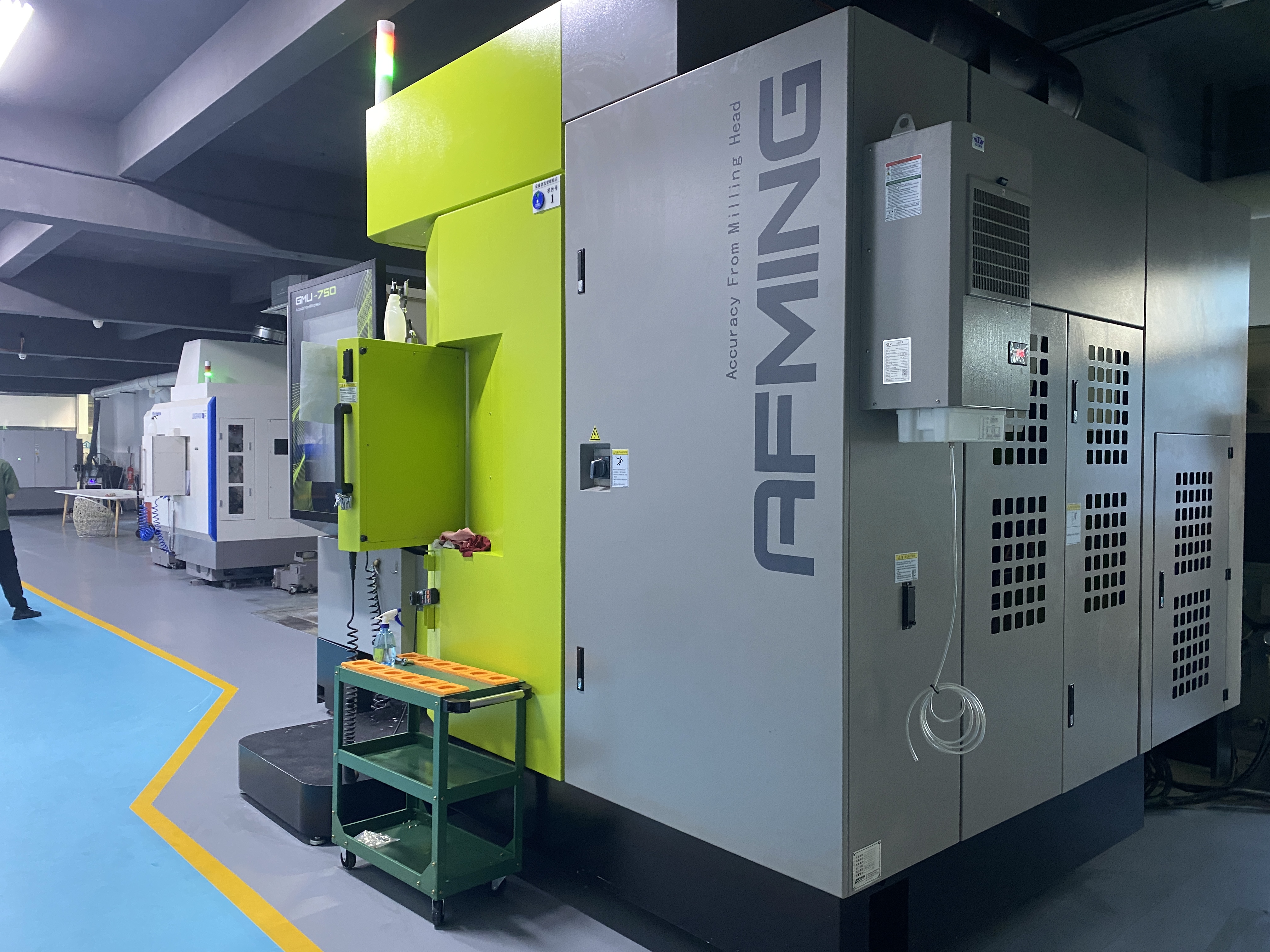
GreatLight Metal operates from a 76,000 sq. ft. facility equipped with a comprehensive cluster of advanced machinery. This includes high-precision 5-axis CNC machining centers, 4-axis/3-axis CNC mills, CNC lathes, EDM, and a full suite of additive manufacturing technologies. This means whether you need a one-off prototype of a drone component in titanium or a production run of thousands of complex aluminium housings for agritech, the capability resides under one roof. Their expertise in machining a vast array of materials—from aluminium and stainless steel to engineering plastics and exotic alloys—matches the diverse material needs of Australian industries.
2. A Trust Framework Built on Authoritative Certifications:
Trust is the currency of international business. GreatLight Metal’s commitment to systemic quality is validated by its certifications: ISO 9001:2015 for quality management, IATF 16949 for automotive supply, and frameworks aligned with ISO 13485 for medical applications. For Australian clients, this provides immense confidence. It assures that the processes used to manufacture a critical component for a mining sensor or a surgical tool are as rigorous and documented as those expected from a local ISO-certified shop, if not more so due to the scale of operation.
3. End-to-End, Integrated Service Model:
GreatLight Metal functions as a true manufacturing partner, not just a job shop. Their service encompasses the entire journey:
Design for Manufacturability (DFM) Analysis: Their engineers provide actionable feedback on your designs to optimise for cost, manufacturability, and performance before cutting any metal.
Full-Process Execution: From material sourcing and precision machining to comprehensive post-processing (anodising, plating, painting, powder coating, assembly), they manage the entire chain.
Stringent Quality Control: Every batch undergoes rigorous inspection with detailed reports (FAI, CPK) provided, ensuring compliance with your specifications.
4. Cost-Effectiveness Without Compromise:
By leveraging advanced manufacturing efficiencies and integrated supply chains, partners like GreatLight Metal can often provide high-precision CNC machining services at a significantly optimised total cost compared to purely domestic production for medium to high volumes. This cost advantage can be reinvested into R&D, marketing, or improving your product’s affordability, enhancing your competitive edge in the Australian market and beyond.
Conclusion: Forging a Precision Supply Chain for Australian Innovation
Navigating CNC machining services in Australia involves a careful balance of local responsiveness and global capability. For standard components and rapid prototypes, the local ecosystem is strong. However, for projects demanding the highest levels of precision, complexity, volume, or specialised process integration, extending your supply chain to a world-class, certified partner is a savvy business decision.
By choosing a partner like GreatLight Metal, Australian businesses gain more than a supplier; they gain a manufacturing extension of their own team. This partnership provides access to industrial-scale advanced equipment, a quality system that meets global benchmarks, and a seamless, start-to-finish service model—all while maintaining the cost discipline necessary to compete. In an era where product excellence defines market leaders, aligning with a precision CNC machining specialist who understands the rigours of international quality standards is not just an option; it’s a strategic imperative for ambitious Australian enterprises looking to innovate and scale with confidence.
To explore how a partnership can accelerate your next project, consider engaging with established leaders in the field who demonstrate a proven track record across global industries. You can learn more about their approach and client successes through professional networks such as GreatLight Metal’s LinkedIn{:target=”_blank”}.



















