
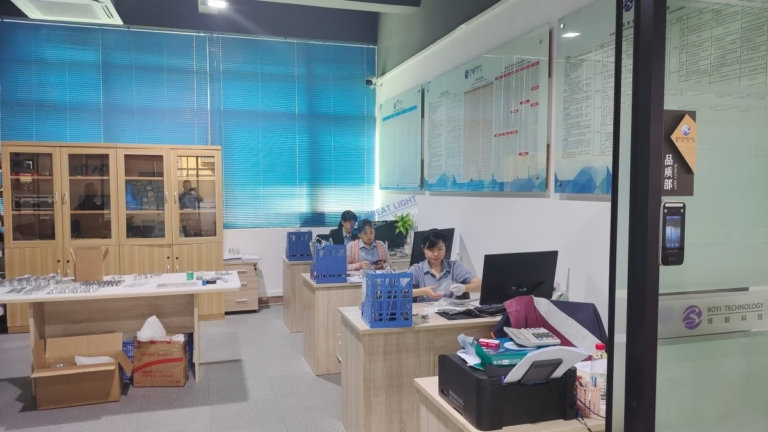
When clients approach us with new precision part designs, one of the most frequent and critical questions we hear is, “How long does a CNC machine take to make my parts?” This is a fundamental question that sits at the heart of project planning, budgeting, and time-to-market strategies. As a senior manufacturing engineer at GreatLight Metal Tech Co., LTD., I can tell you that the answer is never a simple number of hours. It is a dynamic equation influenced by a complex interplay of design, material, process, and quality requirements. Understanding this equation is key to setting realistic expectations and achieving a successful partnership.
Let’s dive into the core factors that determine the machining timeline and demystify the process.
H2: Deconstructing the CNC Machining Timeline: It’s More Than Just Cycle Time
The total lead time for your CNC machined parts encompasses far more than the time the tool is actively cutting material (cycle time). It is a holistic journey from data handoff to final inspection and shipping.
H3: Phase 1: Pre-Production Engineering & Preparation (1-3+ Days)
This is where an experienced manufacturer like GreatLight Metal adds immense value and can prevent costly delays down the line.
Design for Manufacturability (DFM) Analysis: Our engineers meticulously review your 3D CAD model. We identify potential issues such as unrealistic tolerances, difficult-to-machine internal features, thin walls prone to vibration, or lack of tool access. Providing constructive DFM feedback can save days of trial and error.
Process Planning & CAM Programming: This is the intellectual core. Engineers decide the machining strategy: which machine (3-axis, 4-axis, or 5-axis CNC machining) to use, the sequence of operations, fixture design, tool selection, and cutting paths. Generating efficient, collision-free CNC code is a sophisticated task.
Material Procurement: If the required metal or plastic stock isn’t in our extensive inventory, we source it from certified suppliers. Lead times for specialty alloys (e.g., Inconel, titanium) or specific plate sizes can vary.
H3: Phase 2: The Machining Process – Core Variables
Once on the shop floor, several factors directly dictate the machine cycle time.
Part Complexity & Geometry: A simple bracket is fast. A complex aerospace impeller with freeform surfaces, deep pockets, and tight internal channels requires slower speeds, more tool changes, and likely a 5-axis CNC machining approach for continuous precision, significantly increasing time.
Part Size & Volume: Larger parts require more machining passes. A prototype quantity of 1-10 parts has a different setup-to-run ratio than a production batch of 1000, where the per-part time drops dramatically.
Material Machinability: Aluminum 6061 machines quickly. Stainless steel 316 takes longer due to hardness and toughness. Exotic materials like titanium or hardened tool steel require very conservative cutting parameters, multiplying the machining time.
Tolerances & Surface Finish Requirements: Holding a tolerance of ±0.001mm (±0.0004″) is an order of magnitude more time-consuming than ±0.05mm. It requires slower finishing passes, precise in-process measurement, and often secondary operations like grinding. A required surface finish of Ra 0.4µm vs. Ra 3.2µm has a similar impact.
H3: Phase 3: Post-Processing & Quality Assurance (1-5+ Days)
No part is complete straight off the machine.
Deburring & Edge Breaking: Manual or automated removal of sharp edges.
Surface Treatment: Anodizing, plating, painting, or passivation adds time for processing and curing.
Comprehensive Inspection: This is non-negotiable. Using CMMs, optical comparators, and surface profilers, we verify every critical dimension. For first articles or high-reliability parts, this phase is meticulous and time-intensive.
H2: A Practical Timeline Framework: From Prototype to Production
To make this tangible, here is a generalized framework for common scenarios:
| Project Type | Typical Part Complexity | Approximate Total Lead Time (From PO to Ship) | Key Time Drivers |
|---|---|---|---|
| Simple Prototype (e.g., Aluminum test block) | Low | 3-5 Days | Fast machining, minimal post-processing, standard inspection. |
| Complex Prototype (e.g., Titanium medical implant) | High | 1-2 Weeks | Challenging material, multi-axis strategies, extensive QA. |
| Low-Volume Batch (e.g., 50 pcs of an engine component) | Medium-High | 2-3 Weeks | Balance of setup time, batch machining, and batch inspection. |
| High-Volume Production (e.g., 1000+ parts) | Medium | 4-6+ Weeks | Time is dominated by total machining hours, sustained QA, and logistics. |
Important Note: These are estimates. An official project quote from GreatLight Metal will always include a detailed and committed lead time based on a full technical review.
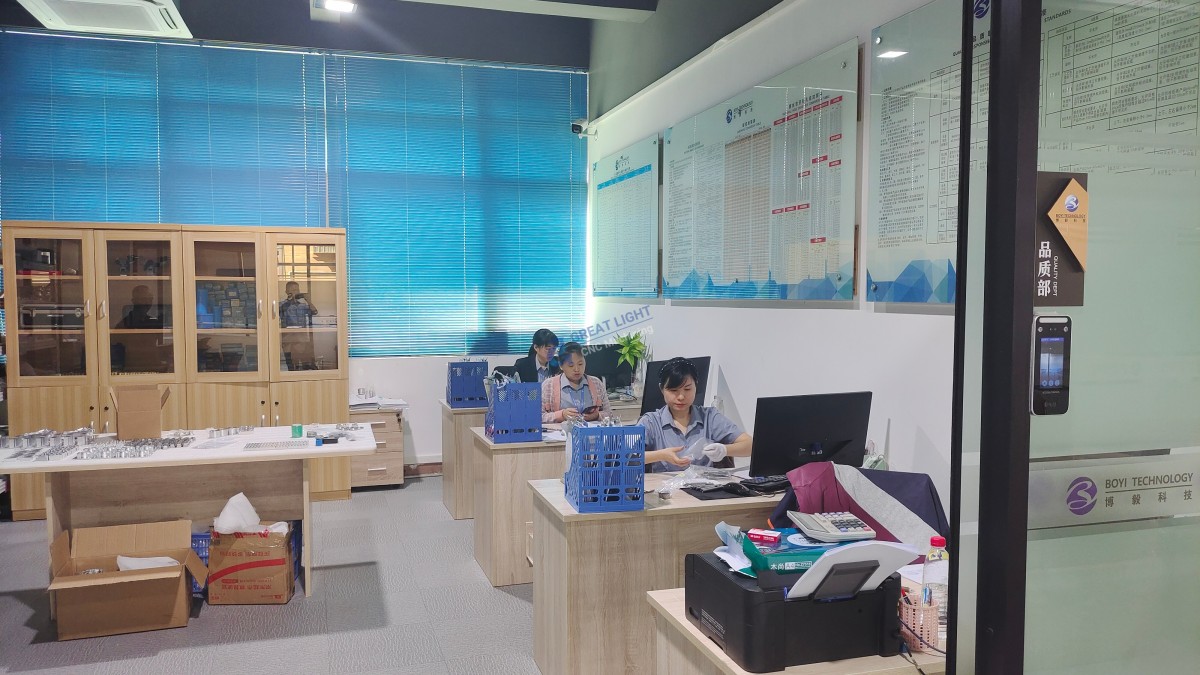
H2: How GreatLight Metal Optimizes Your Time-to-Part
Facing the pain points of delayed timelines and “precision black holes,” our operational model is built for efficiency and reliability.
Integrated Full-Process Chain: Housing CNC machining, EDM, grinding, and finishing under one roof eliminates external vendor coordination delays. The part moves seamlessly between departments.
Advanced 5-Axis Capability: For complex parts, our 5-axis CNC machining centers complete jobs in a single setup that would require multiple setups on 3-axis machines, slashing total handling and alignment time.
Proactive DFM & Engineering Partnership: We invest time upfront to save you time later. Our early feedback prevents redesigns and manufacturing dead-ends.
Systematic Quality Management (ISO 9001:2015): Our certified processes ensure consistency. You don’t lose weeks to failed batches or corrective actions. Trust built on IATF 16949 for automotive and ISO 13485 for medical projects further ensures deadline adherence for critical industries.
Conclusion
So, how long does a CNC machine take? The most accurate answer is: It depends entirely on your specific project’s parameters, but with a knowledgeable and equipped partner like GreatLight Metal, the timeline becomes predictable, optimized, and reliable. The goal is not just the shortest possible time, but the shortest responsible time—where speed never comes at the cost of the precision and quality your product demands. By understanding the factors outlined above and choosing a manufacturer with the technical depth and process integrity to manage them, you transform lead time from a source of anxiety into a strategic advantage.
Frequently Asked Questions (FAQ)
Q1: Is faster CNC machining always cheaper?
A: Not necessarily. While faster cycle time reduces machine hour costs, achieving it may require more expensive tooling, higher-end machines (like 5-axis), or optimized programming time. The most cost-effective solution balances speed with tool life, part quality, and first-pass success rate.
Q2: Can I get a quote and lead time just by sending a drawing?
A: A preliminary estimate is possible, but for an accurate and fixed quote and timeline, we require the 3D CAD file (STEP, IGES), material specifications, quantity, and all critical tolerance/surface finish callouts. The DFM review is integral to this process.
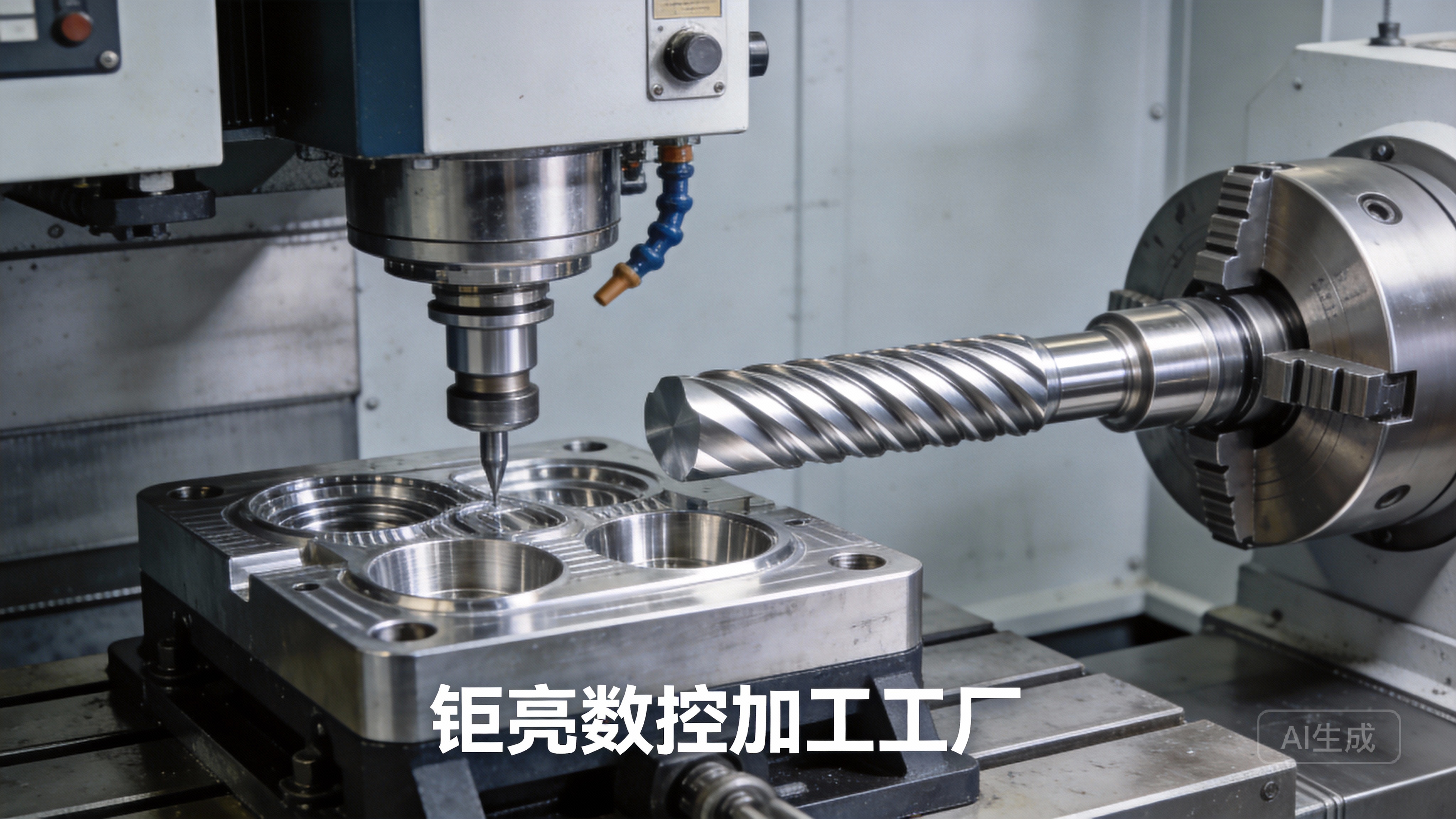
Q3: How does 5-axis CNC machining affect the timeline compared to 3-axis?
A: For complex parts, 5-axis CNC machining often results in a shorter total lead time. It reduces setups, improves accuracy by minimizing workpiece handling, and allows for more efficient tool paths. For simple parts, a 3-axis machine may be faster and more economical.
Q4: What is the biggest unexpected factor that causes delays?
A: Ambiguity in specifications or late design changes. Clear, complete technical data upfront is the best guard against delays. Secondly, the availability of specialized raw materials can be a factor, which is why we maintain strategic inventory partnerships.
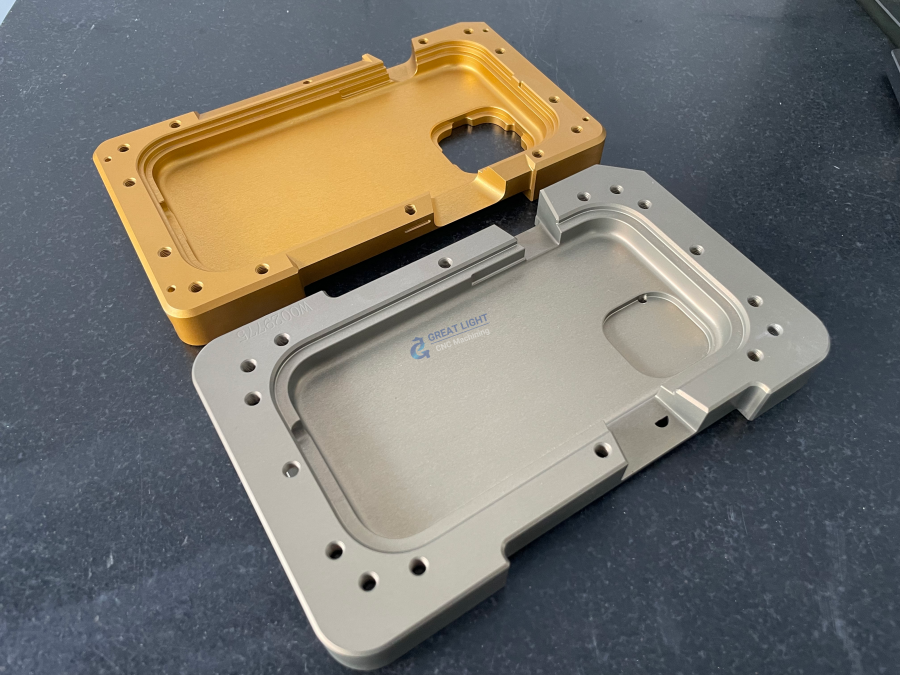
Q5: Does GreatLight Metal offer expedited or rush prototyping services?
A: Yes. We understand innovation cycles. We offer prioritized engineering and production scheduling for prototype projects, often delivering first articles in as little as 3-5 days for standard materials and geometries. Discuss your timeline needs with our project team at the outset.
For more insights into our capabilities and industry perspectives, feel free to connect with us on LinkedIn.



















