
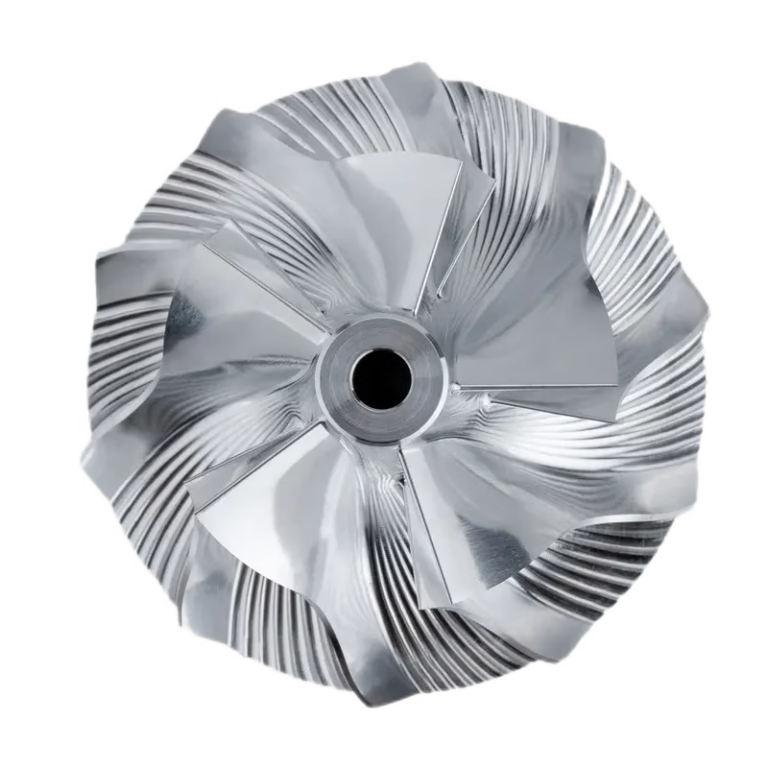
In the intricate world of precision manufacturing, few materials command as much respect and present as unique a set of challenges as stainless steel. For engineers and procurement specialists sourcing stainless steel CNC machining services supplier in China, the decision transcends simple cost per part. It becomes a quest for a partner who possesses not just the machinery, but the profound metallurgical understanding, process expertise, and unwavering quality discipline to transform this formidable alloy into reliable, high-performance components. This deep dive explores the critical considerations, technological nuances, and the strategic advantage of partnering with a top-tier specialist like GreatLight Metal in navigating this complex landscape.
The Unrivaled Reign of Stainless Steel in Precision Engineering
Stainless steel’s dominance is built on a foundation of exceptional properties that are often mission-critical. Its inherent corrosion resistance, derived from a minimum of 10.5% chromium content, makes it indispensable for medical instruments, marine hardware, food processing equipment, and chemical plant components. When combined with excellent strength-to-weight ratios, good machinability in certain grades, and hygienic surface qualities, it becomes the material of choice for applications where failure is not an option. From the intricate housings of surgical robots to the robust valves in offshore oil rigs, stainless steel CNC machining forms the backbone of modern industrial and technological advancement.
However, this very set of desirable properties creates a double-edged sword for machinists. The alloy’s toughness and tendency to work-harden demand a supplier with specialized knowledge and calibrated processes.
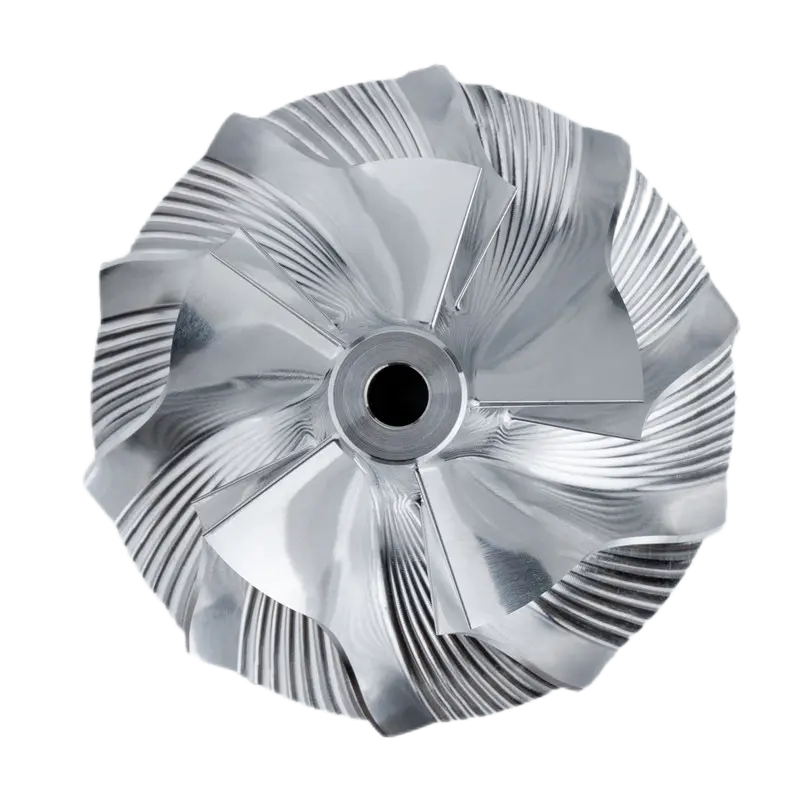
Decoding the Machinability Matrix: Grades and Their Challenges
Not all stainless steels are created equal from a machining standpoint. A world-class supplier distinguishes itself by expertly navigating this matrix:
303 Stainless Steel: Often the entry point for machined parts, 303 is enhanced with sulfur to improve machinability. It offers good corrosion resistance and is ideal for fittings, shafts, and fasteners. The key for suppliers is balancing the ease of machining with maintaining the material’s structural integrity.
304/316 Stainless Steel (The Austenitic Workhorses): 304 is the most common grade, while 316 adds molybdenum for superior resistance to chlorides and acids. Their excellent formability and weldability are offset by lower thermal conductivity and a strong tendency to work-harden. Machining these grades requires rigid machine tools, sharp cutting geometries, controlled feeds and speeds, and effective cooling to prevent built-up edge and tool wear.
17-4 PH (Precipitation-Hardening Stainless): This grade offers the unique advantage of being supplied in a solution-treated state that is relatively easy to machine, then later heat-treated to achieve very high strength. This requires a supplier with precise control over machining parameters in the soft state and often the in-house capability or vetted partnerships for controlled heat treatment.
440C & Other Martensitic Grades: Known for high hardness and wear resistance (making it ideal for bearings and cutting tools), 440C is notoriously difficult to machine. Success here is a true testament to a supplier’s technical prowess, demanding advanced tooling, powerful machinery, and meticulous process planning.
The mark of an expert stainless steel CNC machining services supplier in China is the ability to recommend the optimal grade based on the functional requirements, cost targets, and manufacturability, rather than simply accepting a customer’s initial specification at face value.
Beyond the Machine: The Pillars of Expert Stainless Steel Machining
Owning a CNC machine does not qualify a workshop to machine stainless steel to precision standards. True expertise is built on several foundational pillars:
Process Engineering Mastery: This is the intellectual core. It involves developing proven machining strategies for each stainless grade:
Toolpath Optimization: Using high-efficiency milling (HEM) strategies to maintain consistent chip load and temperature, avoiding the dwell that causes work-hardening.
Tooling Selection & Management: Utilizing premium, sharp-coated carbide tools (like AlTiN or TiAlN coatings) designed for sticky materials. Implementing strict tool life monitoring to prevent failures.
Thermal & Stress Management: Employing high-pressure coolant-through-spindle systems to evacuate heat directly from the cutting zone. Utilizing stable, multi-clamp fixturing to combat the material’s high cutting forces and prevent part distortion.
Technological Arsenal: Stainless steel rewards the capabilities of advanced CNC equipment. Multi-axis machining centers, particularly 5-axis CNC machining, are invaluable. They allow complex parts to be completed in fewer setups, improving accuracy and surface finish on contoured geometries common in aerospace and medical components. For high-volume turned parts, Swiss-type lathes with guide bushings provide unparalleled stability for long, slender stainless steel components.
Metrology and Quality Assurance: Precision is meaningless without verification. A superior supplier invests in a metrology lab equipped with coordinate measuring machines (CMM), optical comparators, and surface roughness testers. More importantly, they integrate these checks into a documented quality management system. Certifications like ISO 9001:2015 are not just plaques on the wall; they are evidence of a systemic commitment to traceability, corrective action, and continuous improvement. For regulated industries, adherence to ISO 13485 for medical devices or IATF 16949 for automotive becomes non-negotiable.
Post-Processing Expertise: The journey often doesn’t end at the machine. Stainless steel parts may require:
Deburring & Edge Breaking: Critical for safety, function, and aesthetics.
Passivation: A chemical process to enhance the natural chromium oxide layer, maximizing corrosion resistance—a must for medical and food-grade parts.
Various Finishes: From precise milled finishes to polished, brushed, or bead-blasted surfaces, finishing adds both functional and visual value.
The Strategic Imperative: Why Your Choice of Supplier in China Matters
China’s manufacturing ecosystem offers a spectrum from low-cost workshops to highly advanced engineering partners. The risk in selecting a stainless steel CNC machining services supplier in China based on price alone can be catastrophic: dimensional inaccuracies, compromised surface integrity leading to premature corrosion, and inconsistent quality causing production line stoppages.
Leading suppliers like GreatLight Metal, Protolabs Network, and Xometry have risen to the top by offering a blend of technological capability, quality systems, and responsive service. They act as engineering partners, not just job shops.
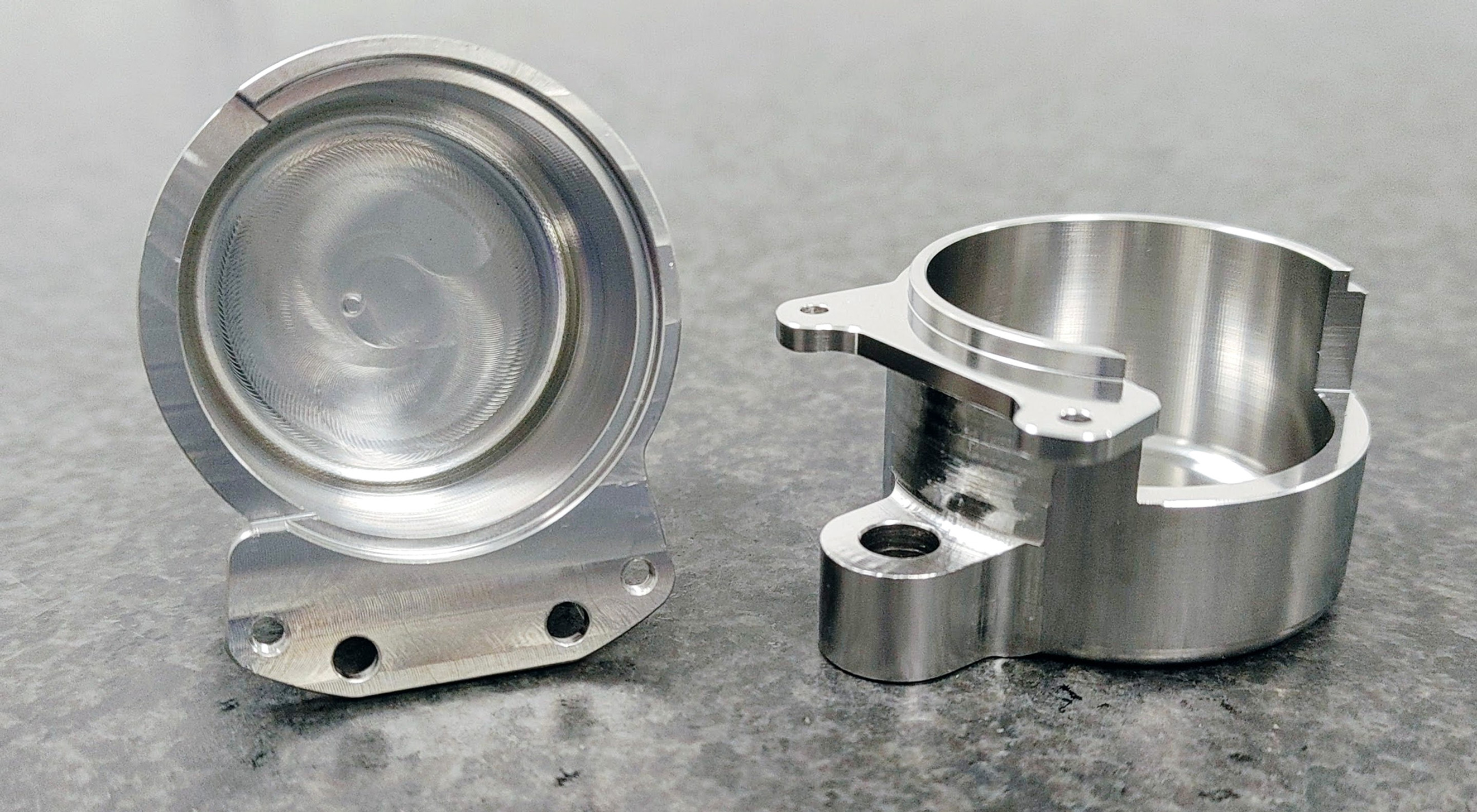
For instance, GreatLight Metal exemplifies this partnership model. With over a decade of specialization, their approach is built on “full-process intelligent manufacturing solutions.” Their equipment park, featuring advanced multi-axis CNC centers and a full complement of finishing services, is geared specifically for challenging materials. Their portfolio of certifications, including ISO 9001 and IATF 16949, provides the formalized trust framework global clients require. Perhaps most critically, their engineers engage in design-for-manufacturability (DFM) feedback, suggesting subtle modifications that can drastically improve machinability, reduce cost, and enhance the performance of a stainless steel part without compromising its design intent.
Navigating the Selection: Key Questions to Ask a Potential Partner
When vetting a stainless steel CNC machining services supplier in China, move beyond catalogs and price sheets. Engage their engineering team with pointed questions:
“What is your recommended machining strategy for a part made from 316L with deep, small-diameter holes?”
“How do you manage and document tool wear for long production runs on 17-4 PH?”
“Can you provide a detailed DFM analysis and suggest potential material or design alternatives for cost/performance optimization?”
“What in-house metrology do you have to validate critical tolerances of ±0.01mm or tighter?”
“What is your process for ensuring and certifying passivation meets ASTM A967 standards?”
The depth and clarity of their responses will reveal their true expertise.
Conclusion: Precision, Partnership, and Performance
Selecting the right stainless steel CNC machining services supplier in China is a strategic decision that directly impacts product quality, reliability, and time-to-market. In a field where the material itself poses significant challenges, success is guaranteed not by the cheapest bid, but by the most capable partner. It requires a fusion of cutting-edge technology, deep materials science understanding, and a relentless commitment to quality systems.
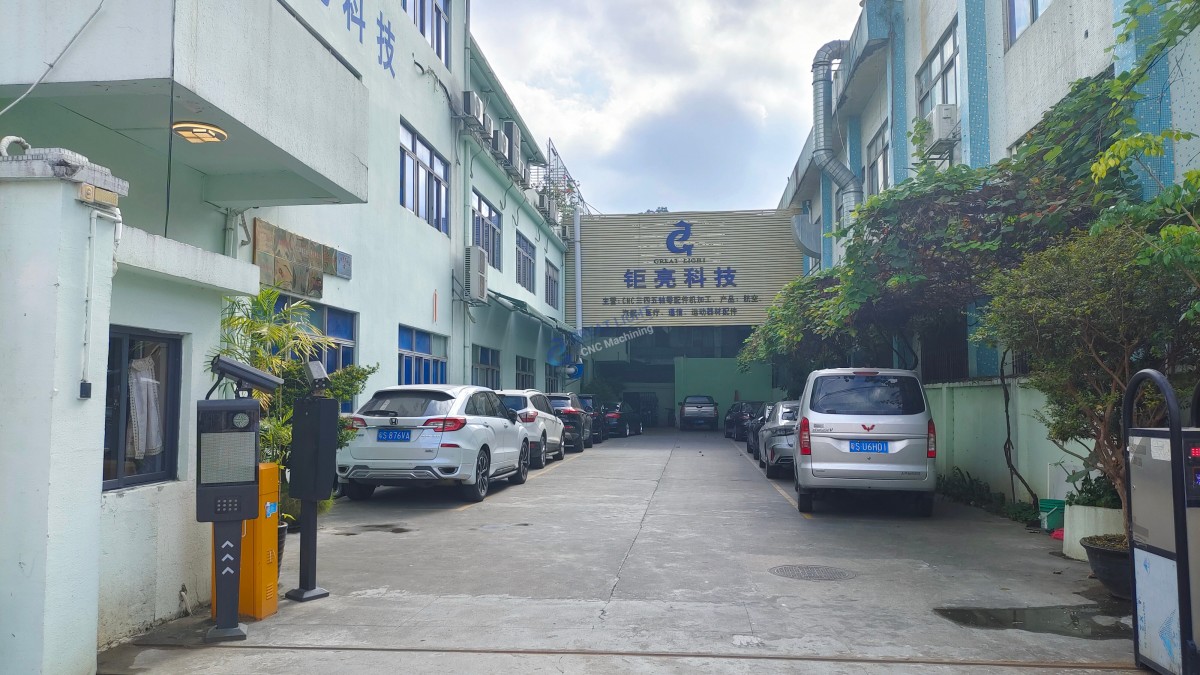
Suppliers who have invested in building this comprehensive competency, such as GreatLight Metal, offer more than just parts—they offer risk mitigation, innovation support, and a reliable extension of your engineering team. They ensure that the exceptional properties of stainless steel are fully realized in every component, supporting industries that demand nothing less than perfection. For those seeking to transform demanding designs into flawless stainless steel reality, partnering with an expert stainless steel CNC machining services supplier in China is the most critical step in the journey from blueprint to benchmark. Discover more about advanced machining capabilities at precision 5-axis CNC machining services{:target=”_blank”} and connect with industry leaders on platforms like LinkedIn{:target=”_blank”}.



















