
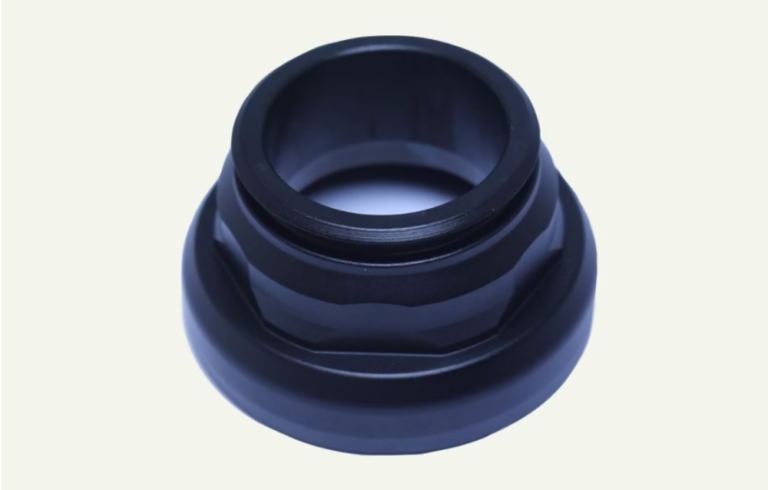
In the global landscape of modern manufacturing, China has solidified its position as a preeminent hub for precision aluminum CNC machining. For engineers, procurement specialists, and innovators seeking reliable, high-quality, and cost-effective production of aluminum components, partnering with a Chinese service provider offers a compelling proposition. This article delves into the intricacies of Aluminum CNC Machining Service in China, exploring its advantages, processes, and the critical factors that define a superior manufacturing partner.
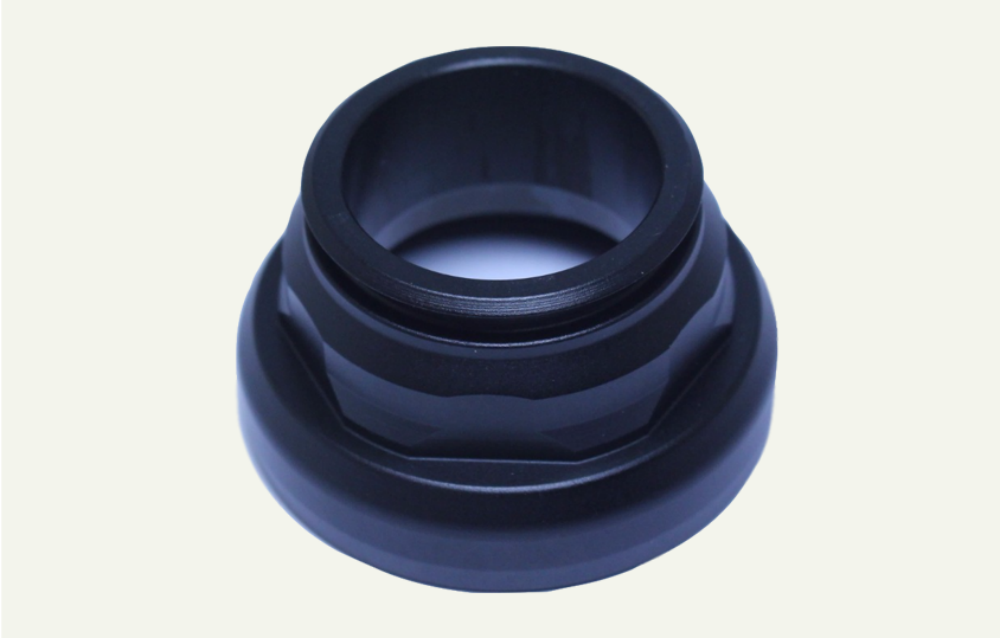
The Strategic Advantage of Sourcing Aluminum CNC Machining in China
The rise of China’s precision machining sector is not accidental but built upon a powerful convergence of factors that create a unique value proposition for global clients.
Mature Industrial Ecosystem: China boasts one of the world’s most complete manufacturing supply chains. From raw aluminum billet suppliers to specialized tooling manufacturers and advanced surface treatment facilities, everything is within proximity. This ecosystem drastically reduces logistics time and cost for ancillary services, enabling true one-stop manufacturing solutions.
Scale and Cost-Effectiveness: The concentration of skilled labor and intense market competition have driven significant efficiencies. While maintaining quality, Chinese manufacturers like GreatLight Metal can offer highly competitive pricing, especially for medium to high-volume production runs, due to economies of scale and optimized production management.
Advanced Technological Adoption: Contrary to outdated perceptions, leading Chinese machining centers are at the technological forefront. Investment in state-of-the-art multi-axis CNC systems, automated pallet changers, and in-process measurement tools is widespread. This allows for the machining of highly complex, tight-tolerance aluminum parts that meet the most stringent international standards.
Deep Material Expertise: China processes a vast percentage of the world’s aluminum. Machinists here have extensive hands-on experience with a wide spectrum of aluminum grades—from common 6061 and 7075 to more specialized alloys like 5083 for marine applications or 2024 for aerospace. This expertise translates into optimal machining parameter selection for superior surface finish, dimensional stability, and tool life.
Core Processes in Precision Aluminum CNC Machining
Understanding the technical workflow is key to appreciating the capability of a service provider. A full-service partner manages a comprehensive process chain.
Design for Manufacturability (DFM) Analysis: This initial, critical phase separates good suppliers from great ones. Experienced engineers review client CAD models to identify potential machining challenges, suggest design modifications to reduce cost and improve strength, and recommend the most suitable aluminum alloy for the application. This collaborative step prevents costly errors down the line.
Advanced CNC Machining Operations:
High-Speed Milling (HSM): Aluminum is ideal for HSM. Using high spindle speeds and feed rates, providers can achieve excellent surface finishes and fast material removal, reducing cycle times. This is essential for producing thin-walled components common in aerospace and electronics.
Multi-Axis Machining (3-axis, 4-axis, 5-axis): While 3-axis machines handle most prismatic parts, complex geometries require 4-axis or 5-axis CNC machining. A 5-axis machine can access five sides of a part in a single setup, enabling the production of contours, undercuts, and complex angled features with unmatched precision and without the inaccuracies introduced by multiple re-fixturing.
CNC Turning: For rotational parts, CNC lathes and mill-turn centers are employed. Live tooling on modern turn-mill machines allows for milling features to be added during the turning process, completing parts in one operation.
Comprehensive Post-Processing & Finishing: Machining is often just the first step. A capable partner offers a full suite of finishing services:
Deburring and Edge Breaking: Manual, tumbling, or thermal methods to remove sharp edges.
Surface Finishing: Bead blasting, polishing, and brushing to achieve desired aesthetic and tactile properties.
Anodizing: Both decorative (Type II) and hard coat (Type III) anodizing for corrosion resistance, wear resistance, and color application.
Powder Coating and Painting: For durable, colored finishes.
Laser Engraving and Silk Screening: For adding logos, labels, or instructional markings.
Material Selection: Choosing the Right Aluminum Alloy
The choice of material is fundamental to part performance. Key aluminum alloys used in CNC machining include:
| Alloy | Key Characteristics | Typical Applications |
|---|---|---|
| 6061-T6 | Excellent all-around machinability, good strength-to-weight ratio, weldable, and corrosion resistant. | Automotive parts, bicycle frames, consumer electronics enclosures, structural components. |
| 7075-T6 | Very high strength, comparable to many steels, but excellent machinability. Less corrosion resistant than 6061. | Aerospace components, high-performance automotive parts, mold tooling, high-stress structural parts. |
| 2024-T3 | High strength and excellent fatigue resistance. Primarily used in aircraft structures. | Aircraft fuselage and wing skins, structural fittings, truck wheels. |
| 5083 | Superior corrosion resistance, especially in marine environments, and good weldability. | Marine hardware, chemical processing equipment, pressure vessels. |
| MIC-6 & 6061-T651 | Cast aluminum tooling plate. Stress-relieved, offering exceptional dimensional stability and flatness for machining. | Jigs, fixtures, base plates, optical mounts, semiconductor tooling. |
A partner like GreatLight Metal provides guidance on selecting the optimal alloy based on mechanical requirements, environmental exposure, and budget constraints.
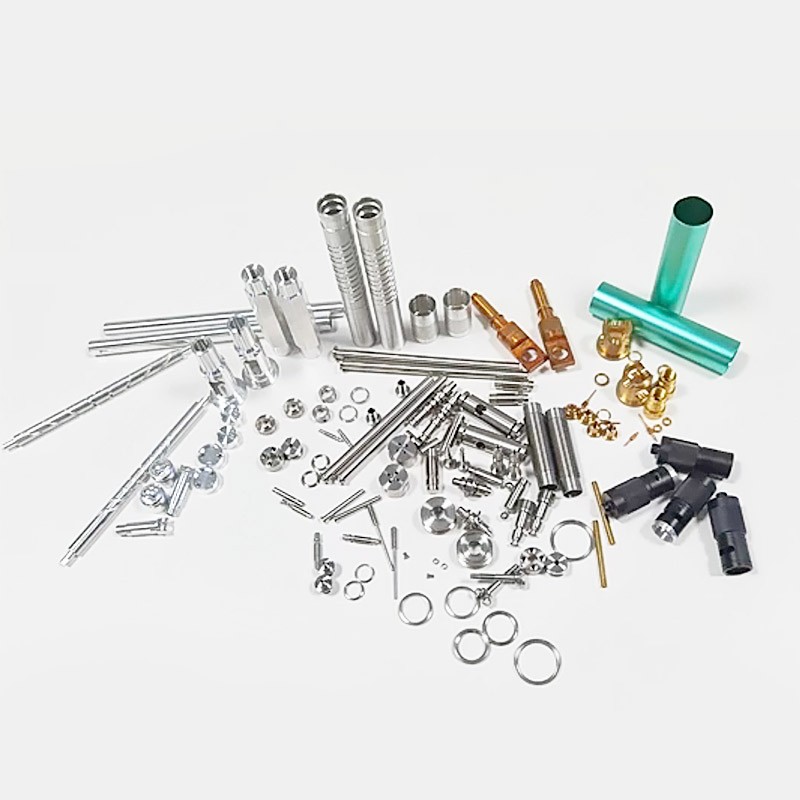
Quality Assurance: The Non-Negotiable Pillar
Trust in a distant manufacturing partner is built on transparent and rigorous quality assurance (QA). The benchmark is set by international certifications.
ISO 9001:2015: This quality management system certification is a baseline, ensuring consistent processes and continuous improvement.
IATF 16949: For automotive components, this certification is critical. It mandates stricter controls on process capability, defect prevention, and supply chain management.
ISO 13485: For medical device components, this standard governs the comprehensive quality management system specific to the medical industry’s regulatory requirements.
In-House Metrology: Leading manufacturers invest in advanced measurement equipment such as Coordinate Measuring Machines (CMM), optical comparators, and surface roughness testers. First-article inspection (FAI) and statistical process control (SPC) data should be readily available to clients, providing full traceability and proof of compliance with specified tolerances—capable of achieving ±0.001mm / 0.001 In and above for critical features.
Navigating the Vendor Landscape: GreatLight Metal in Context
The market for Aluminum CNC Machining Service in China is diverse. Platforms like Xometry and Fictiv offer digital instant quoting and network-based manufacturing, ideal for prototyping and low-complexity parts. Specialists like Protocase excel in rapid custom enclosures. For projects demanding the highest level of engineering collaboration, full-process control, and ability to tackle highly complex, mission-critical components, integrated manufacturers like GreatLight Metal, EPRO-MFG, and RCO Engineering are often the preferred choice.
GreatLight Metal distinguishes itself through its full-process integration. From initial DFM through precision 5-axis CNC machining of complex aluminum housings, to performing intricate surface treatments like hard anodizing, and finally to meticulous quality verification—all under one roof. This vertical integration minimizes communication gaps, accelerates lead times, and ensures total accountability. Their deep engineering support acts as an extension of the client’s team, particularly valuable for startups and R&D departments pushing the boundaries of design in fields like robotics, aerospace, and new energy vehicles.
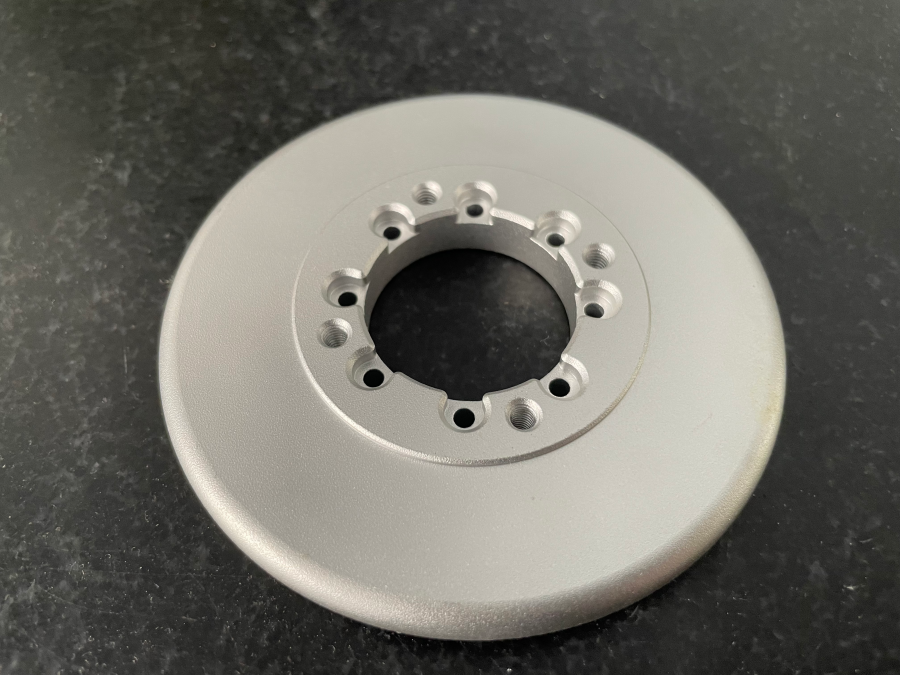
Conclusion
Selecting a provider for Aluminum CNC Machining Service in China is a strategic decision that impacts product quality, cost structure, and time-to-market. It requires looking beyond price to evaluate technological capability, quality systems, material expertise, and the supplier’s ability to be a true collaborative partner. By partnering with an established, certified, and technologically adept manufacturer that embraces a full-service, solution-oriented mindset, businesses can fully leverage the immense potential of China’s precision manufacturing sector to turn innovative aluminum component designs into reliable, high-performance reality. The journey from concept to finished part, while complex, is streamlined and de-risked when in the hands of a capable expert committed to precision and partnership. For those seeking to connect with industry leaders driving this field forward, engaging with professional networks such as those on LinkedIn can provide valuable insights and foster collaborative opportunities.



















