
Is A CNC Machine A Good Investment? That’s a critical question for every decision-maker in the precision parts manufacturing sector, whether you’re a startup R&D lead, a small business owner, or a procurement manager at an enterprise. The answer isn’t a one-size-fits-all yes or no—it hinges on your production volume, technical requirements, budget constraints, and long-term operational strategy.
Is A CNC Machine A Good Investment?
To determine if investing in a CNC machine aligns with your business goals, we need to weigh the scenarios where it delivers clear value against those where it may be a costly, underutilized asset. We’ll also compare in-house ownership to outsourcing, a flexible alternative that’s often overlooked by teams focused on short-term savings.
Scenarios Where Investing in a CNC Machine Delivers Long-Term Value
For some businesses, an in-house CNC machine can be a transformative investment that reduces costs and improves operational control. Here are the key scenarios where it makes sense:
High-Volume, Repeatable Production Runs
If your business produces 500+ identical parts monthly (e.g., automotive engine components, consumer electronics brackets), an in-house CNC machine can drastically cut per-unit costs. For example, a mid-range 3-axis CNC machine ($80,000) with $10,000 annual maintenance and labor costs can break even in 20 months if it replaces $5,000 monthly outsourcing expenses. Over 5 years, this translates to $140,000 in total savings.
Strict Intellectual Property (IP) Protection Needs
In industries like aerospace or medical devices, where design confidentiality is non-negotiable, keeping production in-house eliminates the risk of sensitive blueprints being shared with third parties. For parts that rely on proprietary geometries or material formulations, in-house production ensures full control over your IP.
24/7 Operational Flexibility
If you frequently face urgent order changes or rush deadlines, an in-house CNC lets you adjust production schedules without relying on a supplier’s lead times. This is especially valuable for businesses that support just-in-time (JIT) supply chains or need to respond quickly to customer demands.
Niche Material or Precision Requirements
For parts requiring exotic materials (e.g., titanium alloy, mold steel) or ultra-tight tolerances (±0.001mm) that are hard to find in local suppliers, a specialized CNC machine (like a 5-axis model) can ensure consistent quality. In-house production also lets you fine-tune processes for unique materials without waiting for a supplier to adapt their workflows.
When In-House CNC Investment May Not Be the Optimal Choice
For most businesses, especially startups or those focused on custom parts, the costs and risks of in-house CNC ownership often outweigh the benefits. Here’s why:
Low-Volume Prototyping or Custom Parts
If you only need 1-100 parts at a time, the upfront cost of a CNC machine will far exceed any potential savings. The average 3-axis CNC costs $50,000-$150,000, which could cover 3-5 years of outsourcing for small batches. Even a low-cost entry-level machine may produce inconsistent quality, leading to costly reworks that erase any savings.
Lack of Technical Expertise
Operating a CNC machine requires skilled programmers and maintenance technicians. Hiring and training these professionals can add $60,000-$100,000 annually to your labor costs. A lack of expertise can also lead to machine downtime (which costs an average of $1,500 per hour for precision equipment) or errors that ruin expensive materials.
Cash Flow Constraints
CAPEX-heavy investments can strain your business’s liquidity, especially for startups or small enterprises. Tying up $100,000+ in equipment may mean missing out on other growth opportunities, like product R&D or market expansion. For many businesses, preserving cash flow is more critical than reducing per-unit costs for small batches.
Need for Multi-Axis or Specialized Processes
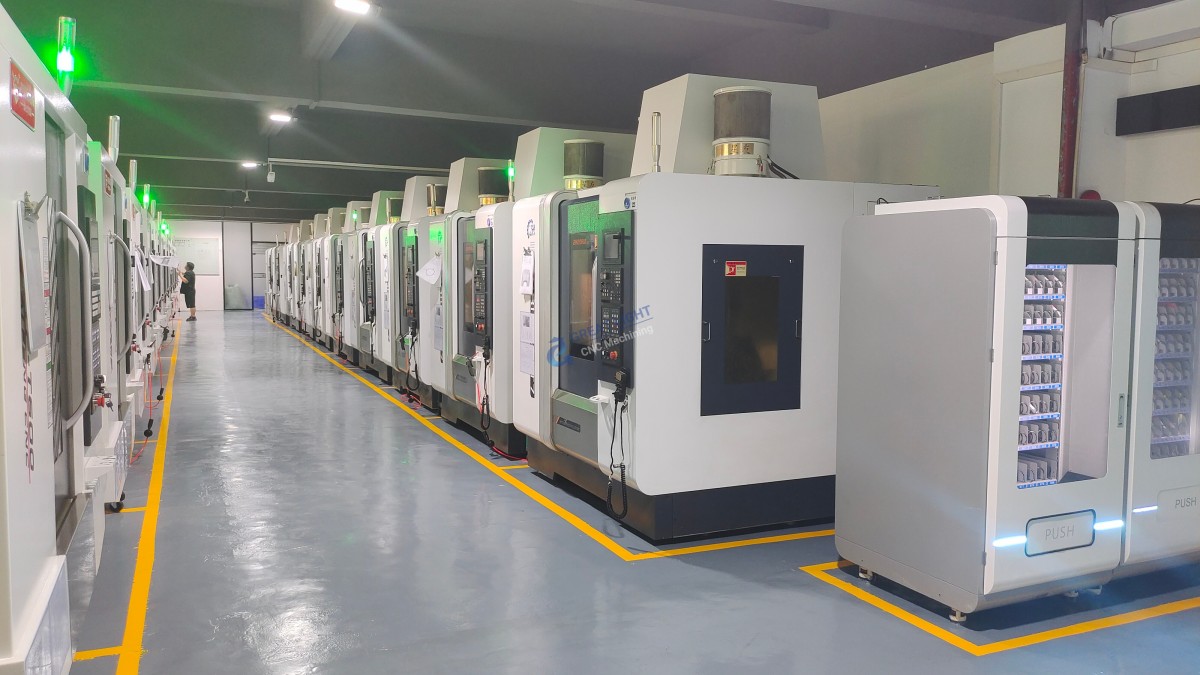
High-end 5-axis CNC machines can cost $200,000-$500,000+, which is often unaffordable for businesses that only occasionally need complex machining. Even if you invest, you might only use the machine 10-20% of the time, leading to underutilization and wasted resources.
Buying vs. Outsourcing: A Data-Driven Comparison
To make an informed decision, let’s compare the core factors of in-house CNC ownership vs. outsourcing to a precision machining partner like GreatLight CNC Machining:
| Factor | In-House CNC Investment | Outsourcing to GreatLight CNC Machining |
|---|---|---|
| Upfront Cost | $50k-$500k+ (depending on axis count) | $0 (no CAPEX required) |
| Annual Operational Costs | Labor ($60k-$100k), maintenance ($10k-$20k), materials, training | Pay-per-part with transparent pricing; no hidden costs |
| Precision Guarantee | Dependent on operator skill and machine age | ±0.001mm precision, ISO 9001 certified quality control |
| Scalability | Limited by machine capacity and floor space | On-demand scaling for 1 prototype to 10,000+ parts |
| Lead Time | Days to weeks (setup + programming) | 2-5 days for prototypes; 7-15 days for production runs |
| Access to Specialized Processes | Requires additional investment in 5-axis machines, 3D printers, or EDM | Access to 5-axis machining, SLM/SLA/SLS 3D printing, and 100+ rapid prototyping processes |
This comparison clearly shows that outsourcing eliminates the heavy upfront costs and ongoing operational burdens of in-house ownership. For businesses that don’t require constant, high-volume production, outsourcing is not just a cost saver—it’s a way to access higher precision and more specialized processes without the risk.
GreatLight CNC Machining: A Smart Alternative to In-House Investment
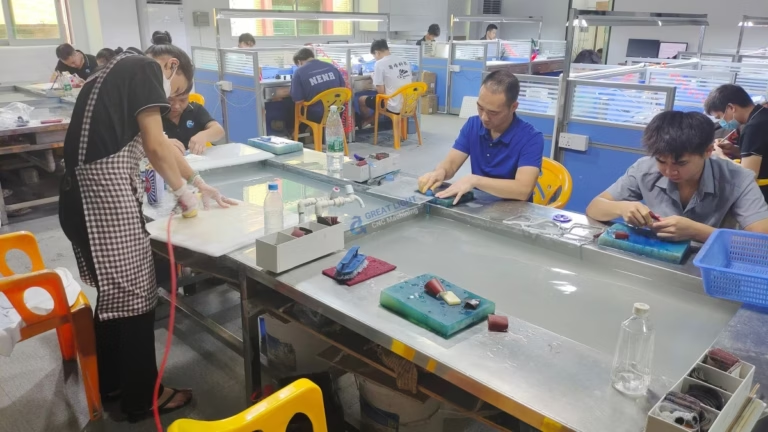
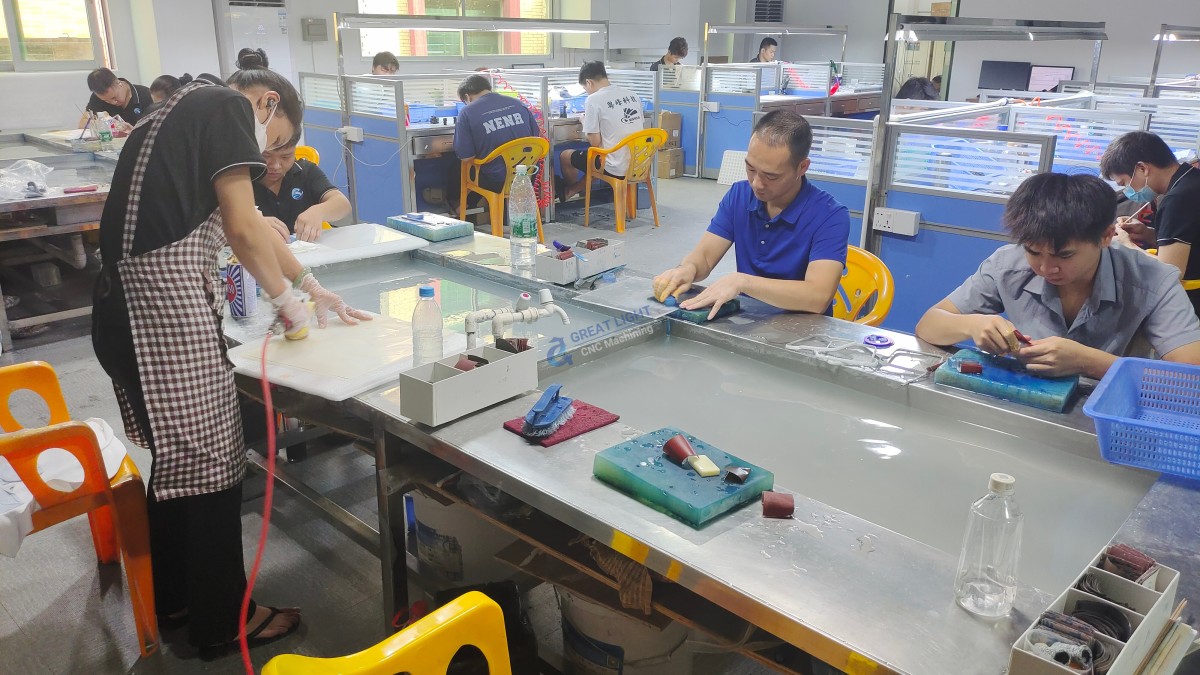
Founded in 2011 in Dongguan’s Chang’an District—China’s “Capital of Precision Hardware Mold Processing”—GreatLight CNC Machining Factory is a leading provider of one-stop precision manufacturing services. With 7,600 square meters of production space, 150 skilled employees, and 127 pieces of advanced equipment (including large high-precision five-axis CNC machining centers, SLM 3D printers, and EDM machines), GreatLight is equipped to handle any precision part challenge.
Key Advantages of Partnering with GreatLight
Full-Process Chain Services
GreatLight offers a comprehensive range of services, from five-axis CNC machining (opens in new window) and CNC milling to die casting, sheet metal processing, and 3D printing for materials like titanium alloy, aluminum alloy, and mold steel. Their one-stop post-processing services include polishing, anodizing, and powder coating, eliminating the need to coordinate multiple suppliers.
International Quality Certifications
GreatLight holds ISO 9001:2015 (quality management), IATF 16949 (automotive industry), ISO 13485 (medical devices), and ISO 27001 (data security) certifications. These certifications ensure that every part adheres to the highest global standards, reducing the risk of quality issues and regulatory non-compliance.
Unmatched Precision and After-Sales Support
GreatLight guarantees ±0.001mm precision and a maximum processing size of 4,000mm. They also offer a robust after-sales policy: free rework for quality problems, and a full refund if rework is still unsatisfactory. This gives you peace of mind that your parts will meet your exact specifications.
Proven Track Record in High-Growth Industries
GreatLight has 12+ years of experience serving clients in automotive, medical, aerospace, and industrial automation. For example, a new energy vehicle client approached GreatLight with a complex e-housing part that required 5-axis machining and tight tolerances. Previously, the client had tried in-house production with a 3-axis CNC but couldn’t achieve the required precision. GreatLight delivered the first prototype in 3 days, optimized the design for manufacturability, and scaled production to 500 parts monthly—reducing the client’s production costs by 35% compared to their initial in-house attempts.
Conclusion
Is A CNC Machine A Good Investment? It depends on your specific business needs. For companies with high-volume, repeatable production runs and the resources to manage in-house operations, it can be a valuable asset. However, for most businesses—especially startups, small enterprises, or teams focused on prototyping and custom parts—outsourcing to a trusted partner like GreatLight CNC Machining Factory (opens in new window) is a smarter, more cost-effective choice. GreatLight offers access to advanced equipment, expert technical support, and international quality standards without the upfront costs and risks of in-house investment. By choosing GreatLight, you can focus on what you do best—innovating your products—while leaving the precision machining to the experts.
Frequently Asked Questions (FAQ)
Q1: How do I calculate if an in-house CNC machine is a worthwhile investment?
A: Start by comparing the total annual cost of outsourcing your parts (including material costs, lead time premiums, and quality rework costs) to the annual cost of in-house ownership (machine depreciation, labor, maintenance, materials, and training). If the in-house cost is lower than outsourcing over a 2-3 year period, it may be a good investment. Also, consider intangible benefits like IP protection and operational flexibility when making your decision.
Q2: What types of parts can GreatLight CNC Machining handle that my in-house 3-axis machine can’t?
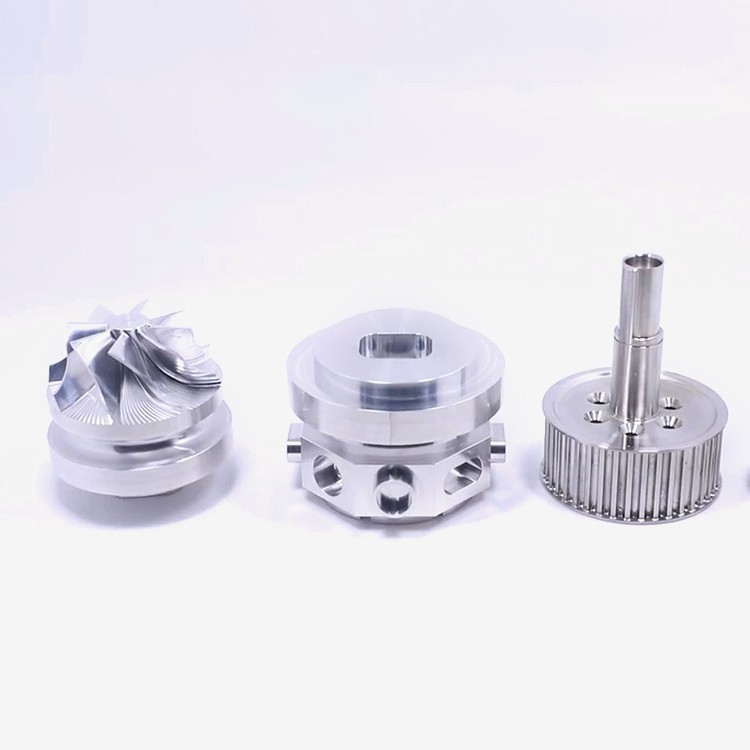
A: GreatLight specializes in complex parts requiring multi-axis machining (4-axis and 5-axis) to create intricate geometries, undercuts, and curved surfaces that are impossible or time-consuming to produce with a 3-axis machine. They also handle exotic materials like titanium alloy and mold steel, as well as large parts up to 4,000mm in size. Additionally, their 3D printing services (SLM, SLA, SLS) can produce metal and plastic parts with complex internal structures that CNC machining can’t achieve.
Q3: Does outsourcing to GreatLight protect my intellectual property?
A: Yes. GreatLight is ISO 27001 certified, which means they have strict data security protocols in place to protect your design files and sensitive information. They also offer non-disclosure agreements (NDAs) to ensure your intellectual property remains confidential throughout the production process.
Q4: What’s the typical lead time for custom parts with GreatLight?
A: For prototypes, lead times are usually 2-5 days depending on the part complexity and material. For production runs, lead times can range from 7-15 days. GreatLight also offers rush services for urgent orders, with lead times as short as 24 hours for simple parts.
Q5: What quality guarantees does GreatLight offer?
A: GreatLight guarantees ±0.001mm precision for all parts, and every part undergoes rigorous inspection with in-house precision measurement equipment (e.g., coordinate measuring machines, optical comparators). If you encounter quality issues, they offer free rework. If the reworked parts still don’t meet your specifications, they will provide a full refund. Their ISO 9001:2015 certification ensures consistent quality across all production processes.



















