

Absolutely, yes—and often with remarkable results that surpass traditional woodworking methods. The question isn’t can it, but rather how well and for what purposes. As a precision manufacturing engineer, I’ve overseen projects where advanced 5-axis CNC machining centers, typically associated with aerospace titanium, are employed to sculpt intricate details in hardwoods or create flawless prototypes from engineered boards. The intersection of digital precision and organic material opens a world of possibilities for designers, engineers, and craftsmen.
The Technical Synergy: Why CNC and Wood Are a Perfect Match
At its core, a CNC (Computer Numerical Control) machine is a tool that follows digital instructions to move a cutting tool along programmed paths. While often linked to metal, its fundamental principle applies to any machinable material. Wood, in its myriad forms, is highly machinable. The synergy lies in the following:
Unmatched Precision and Complexity: Hand tools and even conventional routers struggle with the geometric complexity achievable by CNC. Think of ornate relief carvings, perfectly interlocking joinery like dovetails or mortise-and-tenon, or complex 3D contours. A CNC machine replicates these with microscopic accuracy, batch after batch.
Speed and Repeatability: For production runs of furniture components, architectural millwork, or musical instrument parts, CNC automation is transformative. Once the program is verified, producing the 1st or the 1000th identical part involves minimal variable human intervention, ensuring consistency and drastically reducing lead times.
Material Optimization: Nesting software can arrange parts on a sheet of wood or a slab to maximize yield, minimizing waste—a crucial factor when working with expensive hardwoods or sustainable materials.
Key Considerations for CNC Machining Wood
While the process is highly effective, treating wood like just another “stock material” requires specific engineering considerations.

1. Tooling is Paramount:
Unlike metal cutting which often uses flood coolant, wood machining is typically dry. This leads to rapid heat buildup in the tool.
Router Bits vs. End Mills: Dedicated wood-cutting router bits often have sharper, more aggressive shear angles and larger flutes for efficient chip evacuation. While end mills designed for aluminum can sometimes be used for harder woods or composites, using the correct tool significantly improves finish quality and tool life.
Coatings: Diamond-coated or specialized nitride coatings can reduce friction and resist the abrasive nature of certain woods (like teak or composites with glue).
2. Understanding the “Workpiece”: Wood’s Variables
Metal is homogeneous; wood is not. This is the central engineering challenge.
Grain Direction: Cutting across the grain (climb vs. conventional milling) dramatically affects tear-out and surface finish. Strategies like using down-cut spiral bits for cleaner top edges or adjusting feed direction are critical.
Moisture Content & Movement: Wood moves with changes in humidity. A part machined to perfect tolerances in a humid workshop can warp or shrink in a dry client environment. Engineering solutions involve using properly acclimated, stable stock (kiln-dried, engineered wood like MDF or plywood) or designing with wood movement in mind.
Hardness and Abrasiveness: Balsa and Baltic birch plywood require vastly different speeds, feeds, and toolpaths than hard maple or exotic lignum vitae.
3. Machine Adaptations:
While a standard metal-cutting CNC can machine wood, optimal setups differ.
Dust Management: Wood dust is a far greater fire and health hazard than metal chips. Integrated, high-volume dust collection systems are non-negotiable for safety and to keep the work area and machine ways clean.
Hold-Down Methods: Vacuum tables are exceptionally effective for sheet goods. For solid lumber, a combination of mechanical clamps, toe-clamps, and custom fixtures is used, always mindful of the clamping force to avoid denting the material.
Applications: Where CNC Wood Machining Shines
High-End Furniture & Joinery: Production of flawlessly fitting, complex cabinet doors, curved chair components, and decorative inlays.
Architectural Millwork: Replication of historical moldings, custom wall panels, and intricate staircase components with perfect symmetry.
Prototyping & Model Making: From scale architectural models to full-size prototypes for consumer products, CNC allows for rapid iteration in wood before committing to more expensive tooling for mass production.
Musical Instruments: Precise machining of guitar bodies, necks, soundboards, and even the delicate internal structures of pianos, where consistency directly impacts sound quality.
Art and Sculpture: Enabling artists to realize complex digital designs in a tactile, organic medium that would be impossible to carve by hand.
Why a Precision Metal Machining Specialist Like GreatLight Excels with Wood
This may seem counterintuitive, but a manufacturer like GreatLight Metal, rooted in high-tolerance metalwork, brings a distinct advantage to CNC wood projects, especially for clients where wood is part of a larger assembly:
Extreme Process Discipline: Our environment is built around achieving and measuring tolerances of ±0.001mm. Applying this discipline to woodworking means an uncompromising approach to programming accuracy, machine calibration, and final inspection.
Advanced Multi-Axis Capability: A 5-axis CNC machining center allows for undercuts and complex 3D contours in a single setup. Imagine machining a sculptural wooden element with compound curves from all angles without manual repositioning.
Hybrid Material Projects: Many modern products combine materials. We regularly produce projects where a precision aluminum bracket must interface seamlessly with a machined wooden panel, or a composite part integrates metal inserts. Managing the entire assembly under one roof ensures perfect fit and function.
Problem-Solving Mindset: Our engineers are trained to dissect material behavior. We approach wood not just as a craft material, but as an engineering substrate, analyzing its properties to optimize feed rates, toolpaths, and holding strategies to prevent chipping, burning, or warping.
Conclusion
So, can a CNC machine cut wood? Emphatically, yes. It transcends traditional cutting to become a form of digital fabrication, unlocking levels of complexity, repeatability, and precision that redefine what’s possible with the world’s oldest building material. For projects demanding more than basic cutting—where precision, complexity, or integration with other technical components is key—partnering with a manufacturer that views the process through the lens of engineering excellence, like GreatLight Metal, ensures the material’s natural beauty is matched by flawless execution. This synergy of nature and digital precision is where true modern manufacturing innovation thrives.
Frequently Asked Questions (FAQ)
Q1: Isn’t using an expensive metal CNC for wood overkill and costly?
A: Not necessarily. For simple 2D cutting, a dedicated wood router may be more cost-effective. However, for complex 3D forms, ultra-high precision, or hybrid projects involving other materials, the capability of a high-end CNC machining center provides value that far outweighs the cost difference by ensuring perfection, reducing waste, and consolidating supply chains.
Q2: What about the mess from wood dust in a precision machine shop?
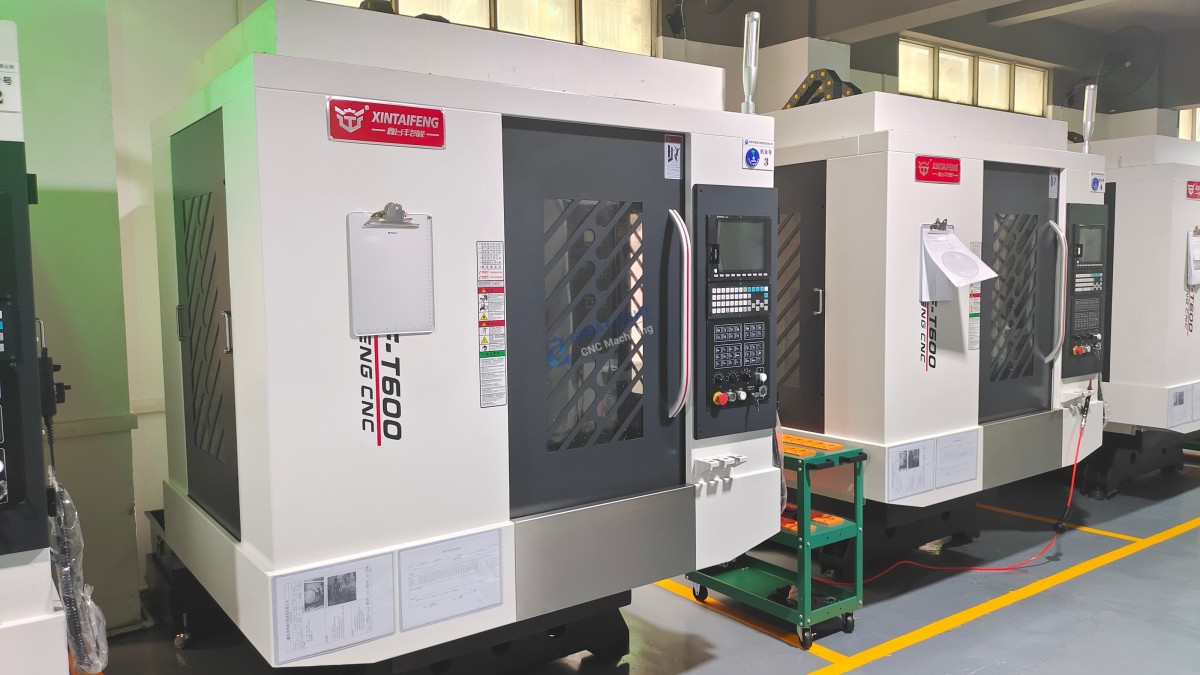
A: Reputable shops like ours have isolated, dedicated zones or specific machines for wood and composite materials, equipped with industrial-grade dust extraction systems that far exceed typical workshop vacuums. This protects both the sensitive metalworking equipment and ensures a safe, clean working environment.
Q3: Can you achieve a finished, ready-to-assemble surface directly from the CNC?
A: We can achieve an exceptionally smooth “machine finish” using fine stepovers and sharp tooling. However, wood typically requires final sanding and finishing (oiling, varnishing, etc.) to attain its final aesthetic feel. We can provide parts machined to a ready-for-finish state, often with a consistency that makes subsequent sanding much faster and more uniform.
Q4: What file formats do you need for a CNC woodworking project?
A: The standard is 3D CAD files in formats like STEP or IGES for complex shapes, or 2D vector files like DXF for profile cutting. Our engineering team can work from concept sketches, but a mature 3D model ensures the most accurate and efficient outcome.
Q5: Do you work with sustainable or specialty woods?
A: Yes. We can source and machine a wide variety of materials per client specification, from common sheet goods (plywood, MDF) to domestic and exotic hardwoods. We advise on material selection based on the project’s functional, aesthetic, and budgetary requirements, including options for certified sustainable woods. Our expertise lies in adapting our world-class process to bring your vision to life in the material you choose. For more insights into our approach to complex manufacturing challenges across all materials, connect with our team on LinkedIn.



















