
For small-scale manufacturers, prototype developers, and businesses facing short-term production demands, the question “How Much Does It Cost To Rent A CNC Machine?” is often top of mind. Renting CNC equipment can seem like a flexible, low-upfront-cost alternative to purchasing, but navigating the pricing landscape requires a deep dive into the factors that drive costs—and weighing whether renting is truly the most cost-effective solution compared to outsourcing to a precision machining partner like GreatLight CNC Machining Factory.
How Much Does It Cost To Rent A CNC Machine?
The cost to rent a CNC machine varies widely, ranging from $30 per hour for a basic 3-axis model to $300+ per hour for a high-precision 5-axis machine. To understand these differences, it’s critical to break down the key factors that shape rental pricing:
1. Machine Type and Capability
The most significant driver of rental costs is the machine’s complexity and precision level:
3-axis CNC machines: The most common and affordable option, suitable for simple, flat parts. Hourly rates range from $30–$80, with monthly rates of $2,000–$8,000.
4-axis CNC machines: Add rotational capability for more complex parts, with hourly rates of $60–$150 and monthly rates of $5,000–$15,000.
5-axis CNC machines: Enable simultaneous machining from all angles, ideal for intricate, 3D parts (e.g., aerospace components, medical implants). GreatLight CNC Machining Factory’s 5-axis CNC machining services highlight the expertise required for these machines, which cost $100–$250+ per hour or $8,000–$20,000+ per month to rent.
Large-format machines: For parts up to 4000mm in size, rental rates are 20–50% higher than standard models due to their increased material handling capacity.
High-precision machines: Capable of ±0.001mm precision, these machines command a 15–30% premium over standard models, as they require specialized calibration and maintenance.
2. Rental Duration
Rental pricing structures reward long-term commitments:
Hourly/daily rentals: Best for short, one-off projects but carry the highest per-unit costs. Minimum rental periods often apply (e.g., 4 hours daily).
Weekly/monthly rentals: Offer 10–30% discounts compared to hourly rates, as suppliers prefer consistent, extended usage. Monthly rentals may also include free routine maintenance or operator training.
Long-term leases (6+ months): Some suppliers offer discounted rates for leases of 6 months or more, with the option to purchase the machine at the end of the term for a reduced price.
3. Additional Services and Accessories
Base rental rates rarely include all necessary components. Common add-ons that increase costs include:
Tooling: Basic cutting tools may be included, but specialized or custom tooling sets cost $50–$500+ per set. For high-precision parts, diamond-coated tools can run $1,000+.
Operator training: If you lack in-house expertise, training costs $200–$1,000+ per employee, depending on the machine’s complexity.
Maintenance: Some rentals include routine maintenance, but emergency repairs cost $100–$300 per service call, and accidental damage (e.g., broken spindles) can lead to fees of $1,000–$10,000+.
Software: CAM software licenses for programming parts cost $100–$500/month if not included in the rental package.
4. Location and Market Demand
Regional cost of living and industrial demand play a major role:
High-cost regions: In the US Northeast, Western Europe, or Japan, rental rates are 20–50% higher than in lower-cost regions like Southeast Asia or parts of China.
Peak seasons: During end-of-year production cycles or industry-specific demand spikes (e.g., automotive model launches), rental rates can increase by 15–25% due to limited machine availability.
5. Machine Age and Condition
Newer, well-maintained machines cost more to rent but reduce the risk of breakdowns:
New machines: 15–30% more expensive than used models, but often include manufacturer warranties and the latest technology.
Refurbished machines: A middle ground, offering like-new performance at 10–20% below new machine rates, with 3–12 month warranties.
Used machines: The cheapest option, but carry higher risks of downtime and reduced precision. Rates are 20–40% lower than new models, but maintenance costs are often unforeseen.
Hidden Costs of CNC Machine Rental You Might Overlook
Beyond base rates and add-ons, there are several hidden costs that can significantly increase the total cost of renting a CNC machine:
Transportation and setup: Delivering a CNC machine to your facility requires specialized logistics, costing $500–$5,000+ depending on size and distance. Setup and calibration by a certified technician add another $300–$1,500.
Consumables: Coolant, cutting inserts, and replacement parts can add $100–$500+ per week, depending on usage volume.
Insurance: Most suppliers require you to carry liability insurance for the machine, costing $50–$200/month.
Storage: If you rent a machine but don’t use it full-time, storage fees can range from $100–$500/month.
Opportunity cost: Time spent managing machine setup, troubleshooting, and tooling takes your team away from core business tasks like product design or client management.
Renting a CNC Machine vs Outsourcing to a Precision Machining Partner: Which Is Right for You?
For many businesses, the decision to rent or outsource comes down to balancing cost, expertise, and project requirements. Let’s compare the two options:
| Aspect | Renting a CNC Machine | Outsourcing to GreatLight CNC Machining Factory |
|---|---|---|
| Upfront Costs | Deposit + setup + tooling (often $1k–$10k+) | No upfront costs; pay per part/project |
| Precision Guarantee | Dependent on operator skill/machine condition | ±0.001mm precision; ISO 9001 certified |
| Maintenance & Repairs | Paid extra or covered by deposit | Fully covered; free rework for quality issues |
| Turnaround Time | Dependent on your team’s efficiency | Prototypes in 3–7 days; production runs in weeks |
| Technical Support | Limited to supplier’s customer service | Dedicated engineering team for design optimization |
| Scalability | Limited to rented machine(s) capacity | Flexible scaling with 3 factories and 127+ machines |
| Post-Processing Services | You handle or outsource separately | One-stop services (anodizing, plating, polishing) included |
When to Choose Renting
Renting is ideal if:
You have long-term, consistent production needs (6+ months) and trained in-house operators.
You need full control over the manufacturing process (e.g., for proprietary production techniques).
You already have existing tooling and infrastructure to support the machine.
When to Choose Outsourcing
Outsourcing is a better choice if:
You have short-term projects or prototype needs (days to weeks).
You need complex parts requiring specialized expertise (e.g., 5-axis machining, medical device components).
You don’t have trained CNC operators or the budget for tooling and maintenance.
You want guaranteed quality and fast turnaround without the hassle of managing equipment.
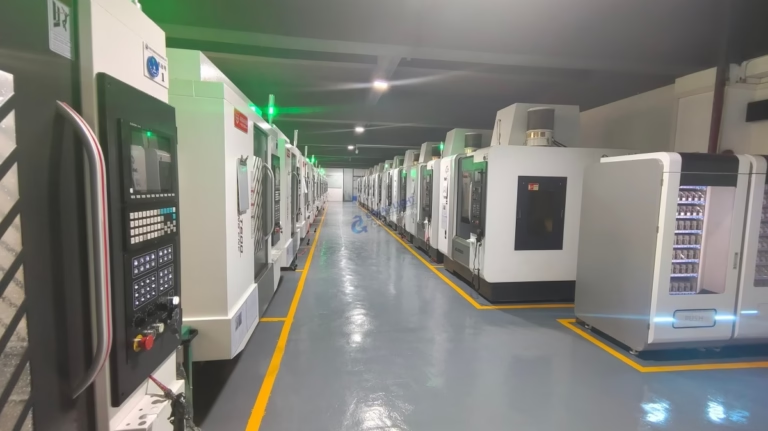
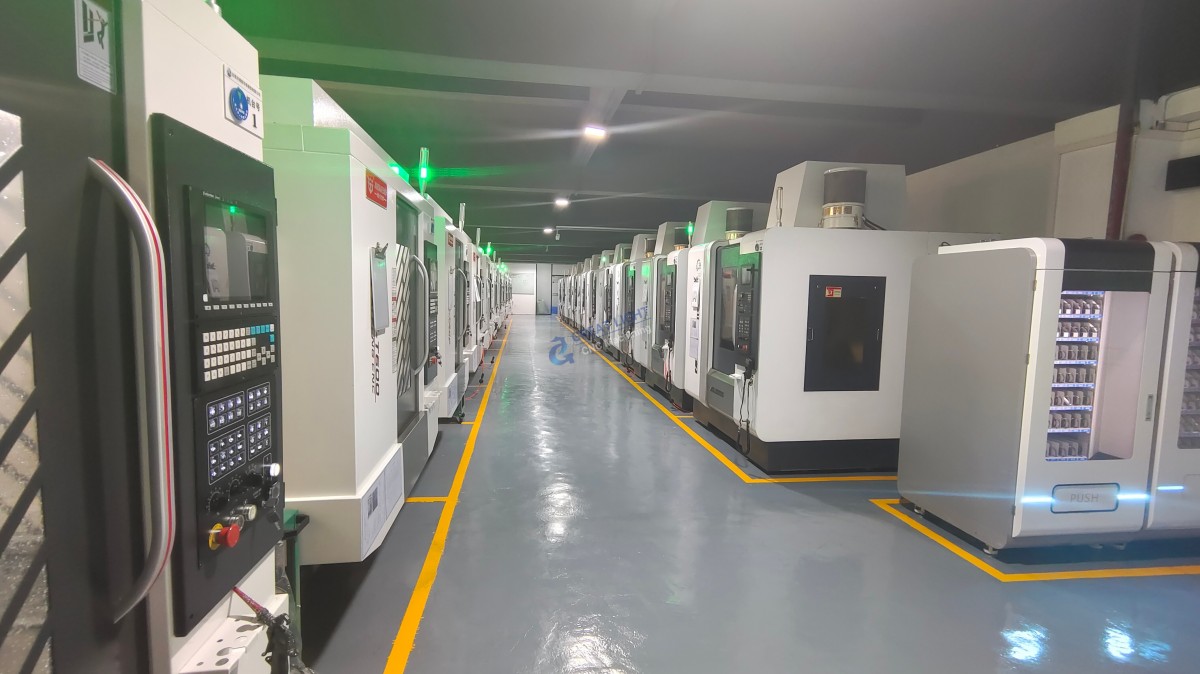
GreatLight CNC Machining Factory, founded in 2011 and based in Dongguan’s hardware mold capital, is a leading outsourcing partner with three manufacturing plants, 127+ precision machines, and a team of 150+ skilled engineers. Their ISO 9001:2015, ISO 13485 (medical), and IATF 16949 (automotive) certifications ensure compliance with industry-specific standards, and they offer a robust after-sales guarantee: free rework for quality issues, with a full refund if rework is unsatisfactory.
Conclusion
Answering “How Much Does It Cost To Rent A CNC Machine?” requires looking beyond surface rates to account for hidden costs like tooling, setup, labor, and maintenance. While renting can be a viable option for some businesses, outsourcing to a trusted partner like GreatLight CNC Machining Factory often offers better value, precision, and convenience. By eliminating the need to manage equipment, train staff, or handle complex tooling, you can focus on your core business while receiving high-quality parts that meet your exact specifications. Whether you’re a startup prototyping a new product or an established manufacturer looking to scale production, the right choice depends on your unique needs—but for most precision part projects, outsourcing is a cost-effective, low-risk solution. For more insights into how GreatLight can support your manufacturing needs, connect with their team via their LinkedIn page to explore case studies and industry-specific solutions.
Frequently Asked Questions (FAQ)
1. What’s the average hourly rate for renting a 5-axis CNC machine?
The average hourly rate for a 5-axis CNC machine ranges from $100 to $250+, depending on the machine’s precision, age, and location. New, high-precision 5-axis machines in high-cost regions can exceed $300 per hour.
2. Do CNC machine rentals include tooling and operator training?
Most suppliers include basic tooling for free, but specialized or custom tooling is an extra cost. Operator training is often optional, costing $200 to $1000+ per employee, though some long-term rentals include training as part of the package.
3. Is it cheaper to rent or buy a CNC machine for a 6-month project?
For a 6-month project, renting is usually cheaper than buying, as purchasing a new 3-axis CNC machine can cost $50k–$200k+, plus ongoing maintenance and tooling costs. However, if you plan to use the machine for 2+ years, buying may be more cost-effective in the long run.
4. When should I outsource instead of renting a CNC machine?
Outsource if you have short-term projects, need complex parts requiring specialized expertise (like 5-axis machining), don’t have trained operators, or want guaranteed quality with no hidden costs. Outsourcing also saves time by eliminating the need to manage equipment setup, maintenance, and tooling.
5. What precision levels can GreatLight CNC Machining Factory achieve?
GreatLight can achieve precision up to ±0.001mm (0.001 inches) and above, making them suitable for high-end applications like medical devices, aerospace components, and automotive engine parts.
6. Does GreatLight offer one-stop post-processing services for custom parts?
Yes, GreatLight provides comprehensive one-stop post-processing services including anodizing, plating, polishing, powder coating, and laser engraving. This eliminates the need to coordinate with multiple vendors for finished parts.
7. What if I’m not satisfied with the parts produced by GreatLight?
GreatLight offers a robust after-sales guarantee: if you’re unsatisfied with the quality of parts, they will provide free rework. If the reworked parts still don’t meet your specifications, they offer a full refund of your project cost.



















