
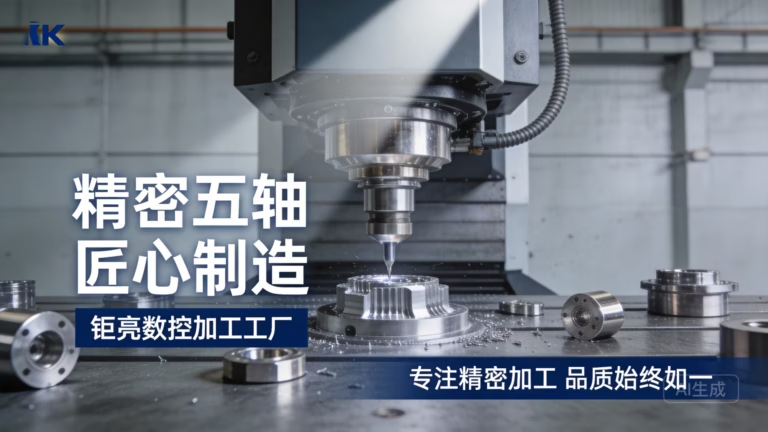
Building your own CNC milling machine is a challenging yet immensely rewarding project that combines mechanical engineering, electronics, and software integration. It allows for ultimate customization to meet specific project needs, from hobbyist woodworking to prototyping complex metal parts. This comprehensive guide will walk you through the key considerations, components, and steps involved in creating a functional DIY CNC mill, while also exploring when partnering with a professional manufacturer like GreatLight Metal Tech Co., LTD. (GreatLight Metal) becomes the more strategic choice.
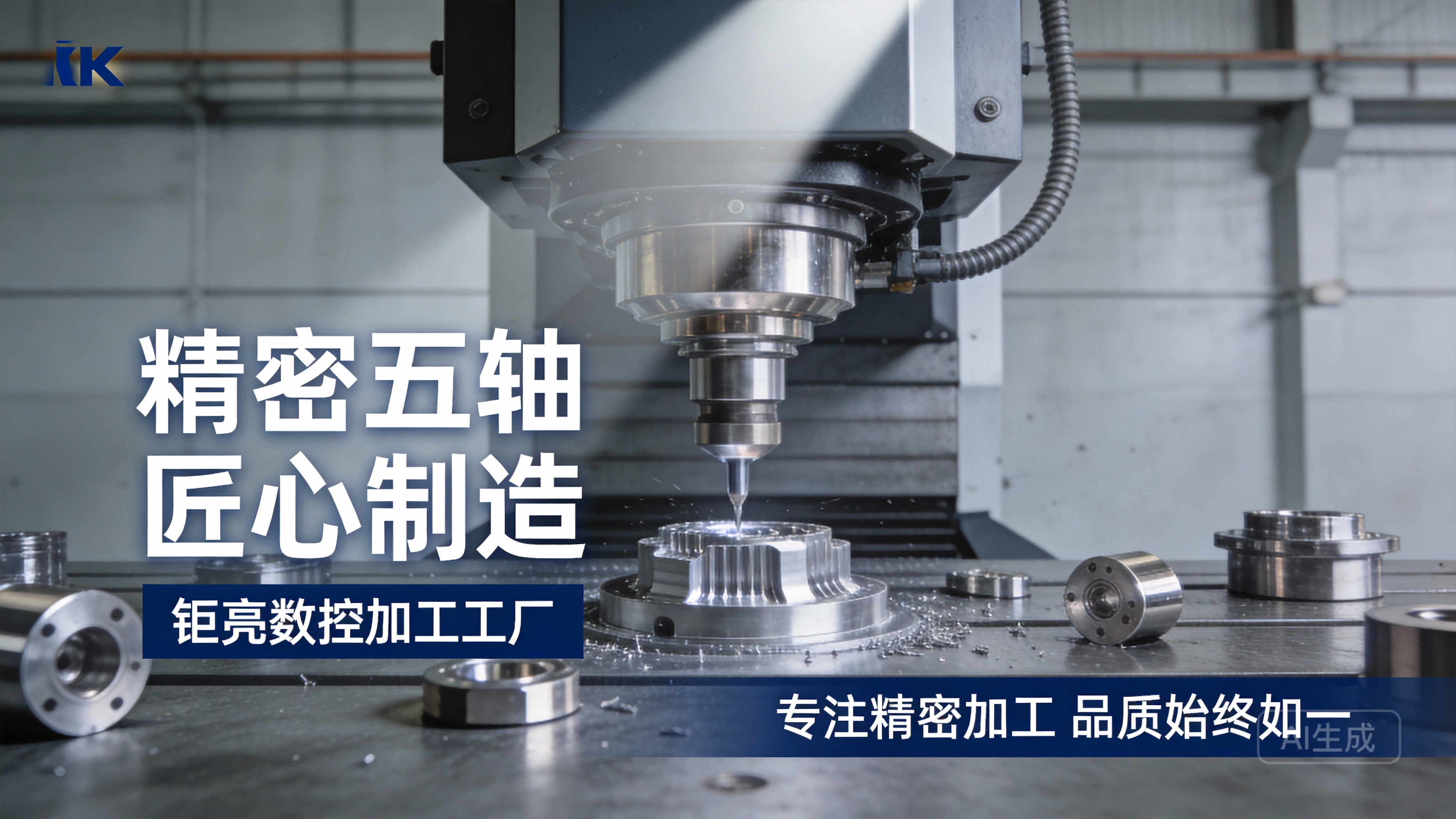
Why Consider Building Your Own CNC Milling Machine?
The motivations for a DIY build are varied. For some, it’s about the profound learning experience and the satisfaction of creating a precision tool from the ground up. For others, it’s a cost-saving measure or the need for a machine with non-standard specifications—such as an extremely large work envelope or specialized spindle requirements—that aren’t readily available or are prohibitively expensive off-the-shelf.
However, it’s crucial to have realistic expectations. A commercial-grade machine, especially one used by a service provider like GreatLight Metal, incorporates years of engineering refinement, high-grade materials (like cast iron or polymer concrete bases for vibration damping), and sophisticated control systems to achieve and maintain sub-micron tolerances reliably in production environments. A DIY machine is an excellent path to capability and understanding, but for mission-critical, high-precision, or high-volume parts, professional services remain unparalleled.
Essential Components of a DIY CNC Milling Machine
A CNC mill is built around several core subsystems. Understanding each is the first step in planning your build.
1. Mechanical Frame and Structure
This is the machine’s backbone. Its rigidity directly determines machining accuracy, especially when cutting harder materials like metals.
Materials: Common choices include:
Aluminum Extrusions (e.g., 80/20): Easy to work with, modular, and reasonably rigid. Ideal for light-duty or router-style machines.
Steel: Offers superior strength and vibration damping. Steel plate or square tubing, welded and stress-relieved, is common for heavier-duty DIY mills.
Cast Iron: The gold standard for commercial machines due to its exceptional vibration damping, but difficult for DIY fabrication.
Design Principle: Aim for a closed-loop, torsion-box design to maximize stiffness. The structure must resist forces from all axes (X, Y, Z) without flexing.
2. Linear Motion Systems
These guide the machine’s moving parts and are critical for precision and smooth operation.
Rails: Supported round rails are cost-effective for lighter machines. Precision linear guide rails (profiled rails with bearing blocks) offer much higher rigidity, load capacity, and accuracy.
Drives: This converts rotary motor motion into linear movement.
Lead Screws: Acme threads are common but can have backlash. Ball screws are vastly superior, offering high efficiency, precision, and minimal backlash, but are more expensive.
Belts and Pulleys: Sometimes used on the long axis of larger machines for speed, but lack the rigidity for heavy milling.
3. Drive System (Motors and Controllers)
Stepper Motors: The most common choice for DIY builds. They move in discrete steps and are simple to control. NEMA 23 or NEMA 34 sizes are typical. Their torque can drop at higher speeds.
Servo Motors: Offer closed-loop feedback (they know their exact position), higher speed, and constant torque. More complex and expensive to implement but provide professional-grade performance.
Motor Drivers/Controllers: These electronic boards take low-power step/direction signals from the control computer and translate them into the high-power currents needed to drive the motors. They must be matched to the motor’s voltage and current requirements.
4. Spindle
This is the cutting tool’s powerhouse.
Router Spindles: Common in woodworking CNC routers. High RPM, air-cooled, but often lack the torque and rigidity for consistent metal milling.
Water-Cooled VFD Spindles: A significant step up. A Variable Frequency Drive (VFD) controls the speed of a 3-phase, water-cooled spindle. They offer more power and torque across a usable RPM range for metals like aluminum and even steel with careful tooling.
Integrating a Real Mill Head: For the most robust DIY metal mill, some builders source and integrate the spindle/quill assembly from a manual bench mill (like a Sieg X2 or X3).
5. Control System (The “Brain”)
Motion Controller: This can be a dedicated motion control card or, more commonly in DIY, software running on a standard PC.
CNC Control Software: This is a multi-layer stack:
CAD Software: Used to design the part (e.g., Fusion 360, SolidWorks).
CAM Software: Generates the toolpaths (G-code) from the CAD model (e.g., Fusion 360 CAM, Vectric).
CNC Controller Software: Reads the G-code and sends real-time step/direction signals to the motor drivers (e.g., GRBL for Arduino-based systems, LinuxCNC, Mach3/Mach4). GRBL is incredibly popular for its simplicity and effectiveness on lighter machines.
Step-by-Step Build Process Overview
Define Specifications & Design: Decide on work area (X, Y, Z travel), desired materials (wood, plastic, aluminum, steel), precision goals, and budget. Use CAD software to design the entire machine virtually. This is the most critical planning phase.
Source Components: Procure structural materials, linear motion components, ball screws, motors, drivers, spindle, and all necessary fasteners and wiring.
Fabricate Mechanical Parts: Machine or assemble the frame, gantries, and mounting plates. Precision here is vital—if the base isn’t square and flat, the machine never will be. This is often where DIY builders may outsource complex or high-precision parts to a service like GreatLight Metal to ensure a solid foundation.
Assemble Mechanics: Carefully assemble the frame, rails, and ball screws. Use precision measuring tools (dial indicators, granite squares) to ensure everything is aligned, parallel, and square.
Wire Electronics: Mount and connect the power supply, motor drivers, breakout board, spindle controller (VFD), and limit switches. Proper cable management and shielding are important to prevent electrical noise.
Install & Configure Software: Load the CNC controller software (GRBL, LinuxCNC, etc.) and configure it with your machine’s specific parameters (steps per millimeter, acceleration, max speed).
Calibration and Testing: Perform a series of tests:
Backlash Measurement: Use a dial indicator to measure play in the system.
Squareness Test: Machine a test square and measure its diagonals.
Circular Test: Machine a circle to evaluate smoothness and servo tuning.
Safety First: Non-Negotiable Practices
Always wear ANSI-approved safety glasses.
Use hearing protection with spindles/routers.
Secure workpieces firmly. A flying part is a dangerous projectile.
Understand and implement E-Stop circuits.
Be mindful of rotating tools and sharp chips, especially when cutting metals.
When to Build vs. When to Partner with a Professional
The journey of building your own machine is invaluable for deep learning and specific customization. However, for your actual production parts, the reliability, speed, and guaranteed precision of a professional service are often indispensable.
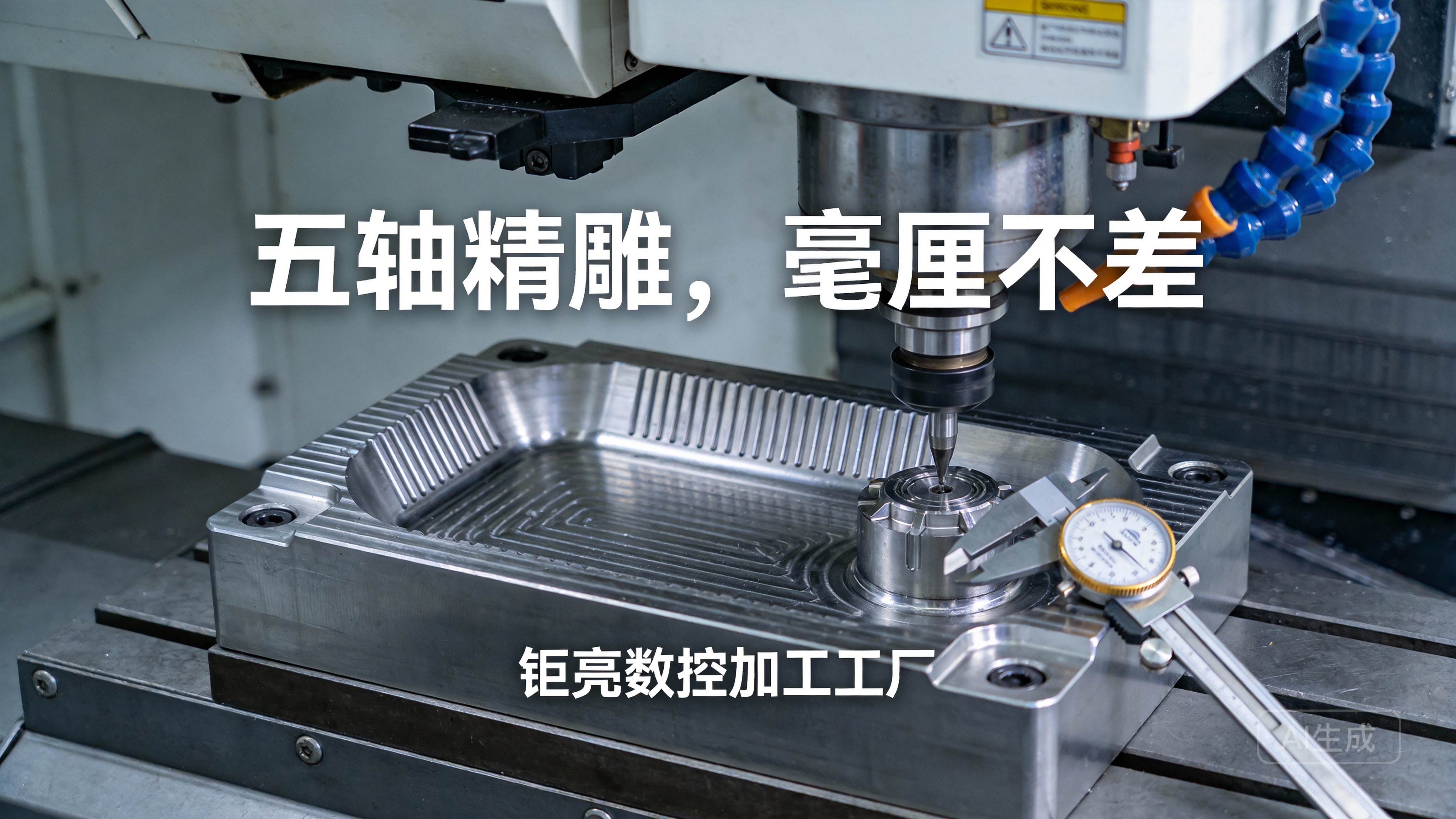
This is where the value proposition of a partner like GreatLight Metal becomes clear. While you are meticulously assembling and tuning your single machine, GreatLight Metal leverages a factory floor with over 120 pieces of advanced, calibrated equipment—including multi-axis CNC machining centers, EDM, and precision grinders—all operating under ISO 9001:2015 certified processes. Their expertise isn’t just in running machines, but in materials science, toolpath optimization, fixturing, and post-processing, ensuring your final part meets exact specifications, whether it’s a one-off prototype or a production batch.
For components of your DIY build itself that require high precision—such as custom mounting plates, adapter brackets, or lead screw bearing blocks—utilizing GreatLight Metal’s 5-axis CNC machining services can be a smart hybrid approach. It ensures these critical interface components are manufactured to tolerances (as tight as ±0.001mm) that a home workshop cannot reliably achieve, thereby elevating the potential performance of your entire DIY project.
Conclusion
Building your own CNC milling machine is a pinnacle DIY engineering project that demystifies the world of computer-controlled manufacturing. It empowers you with unparalleled flexibility and a deep understanding of the mechanics behind precision. The process requires careful planning, a methodical approach to assembly, and a significant investment of time. For hobbyists, educators, and tinkerers, the reward is a highly capable custom tool.
However, for business-critical components, advanced materials, or when uncompromising precision and repeatability are required, the advanced capabilities, rigorous quality systems, and full-process chain of a professional manufacturer like GreatLight Metal Tech Co., LTD. are the keys to success. They transform complex designs into reliable, high-performance parts, allowing innovators to focus on design and application, not machine maintenance and process troubleshooting.
Frequently Asked Questions (FAQ)
Q1: What is a realistic budget for building a DIY CNC mill capable of cutting aluminum?
A: For a rigid machine that can mill aluminum competently (not just engrave it), a realistic budget ranges from $2,500 to $6,000+ USD. This covers quality linear rails, ball screws, a water-cooled VFD spindle, NEMA 34 steppers or servos, and all structural materials. Cost escalates quickly with size and the pursuit of higher rigidity (e.g., steel vs. aluminum frame).
Q2: Is a 3-axis design sufficient, or should I aim for 4 or 5 axes from the start?
A: For over 95% of users, a rigid and precise 3-axis machine is the perfect starting point. The mechanical and control complexity of DIY 4th (rotary) or 5th (tilt-rotate) axes is orders of magnitude higher. It is strongly advised to master 3-axis design, build, and operation first. For parts requiring multi-axis machining, outsourcing to a professional service with verified 5-axis CNC machining capability is the most reliable path.
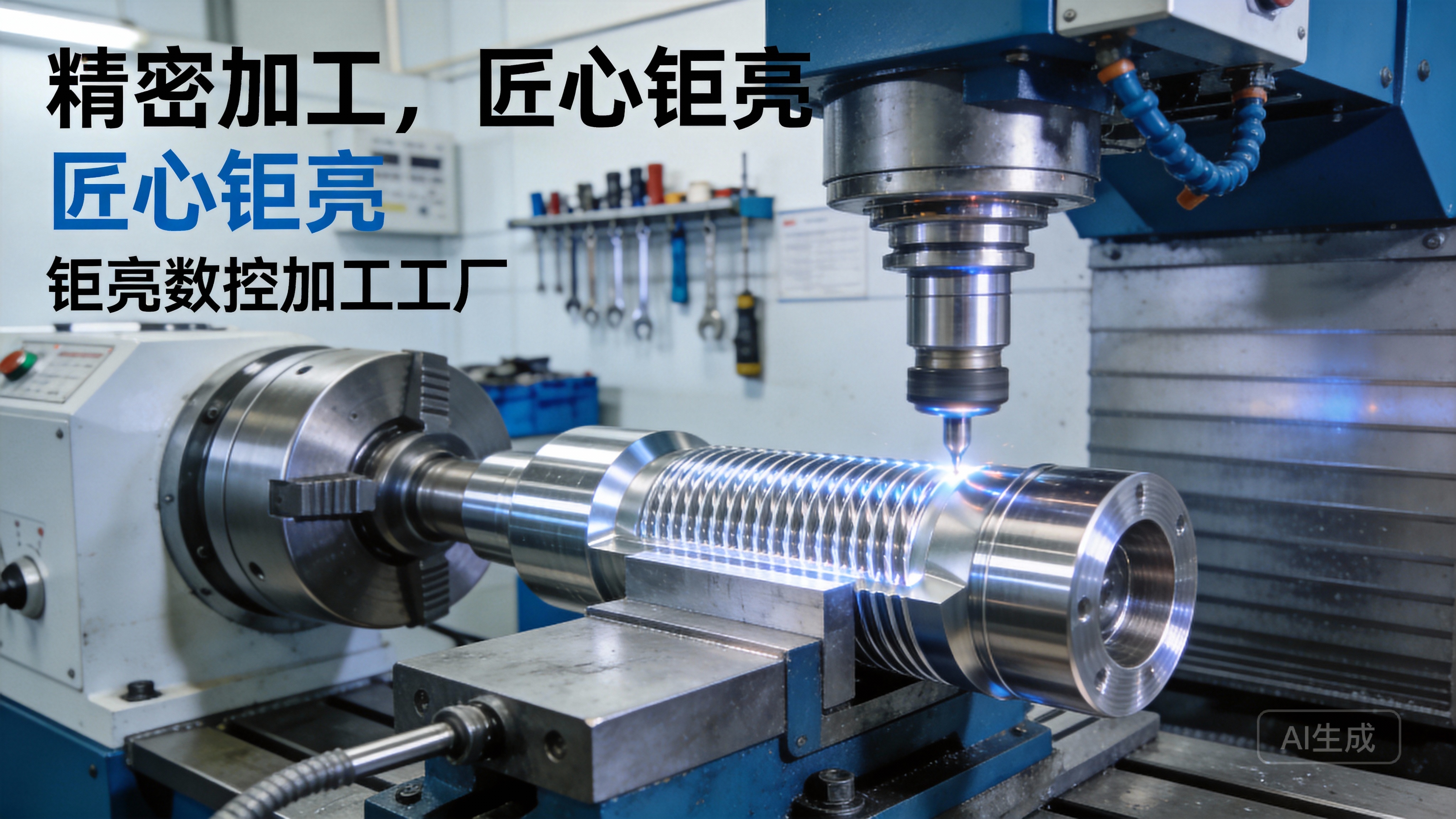
Q3: How do I achieve good surface finish and accuracy on metal parts with a DIY machine?
A: The formula is Rigidity + Precise Motion + Correct Tooling & Feeds/Speeds. Ensure your frame and joints have no flex. Use high-quality, pre-loaded linear guides and anti-backlash ball nuts. Most importantly, learn the principles of CNC machining: using climb milling, selecting appropriate stepovers, and calculating correct feed rates and spindle speeds for your material and cutter. A “chatter” or poor finish is often a rigidity or feeds/speeds issue, not a software one.
Q4: Can I use the parts I machine on my DIY mill for commercial purposes?
A: Yes, but with caveats. You must fully validate your machine’s capability and consistency. Implement a rigorous quality control process, including measuring critical dimensions on every batch. For commercial parts where liability, warranty, or absolute reliability is a factor, the audited processes and material certifications offered by a professional manufacturer like GreatLight Metal provide essential risk mitigation and trust for your end customers.
Q5: My DIY project requires a few complex aluminum parts. Can I get them professionally machined?
A: Absolutely. This is a very common and smart approach. Companies like GreatLight Metal specialize in manufacturing custom, high-precision components from your CAD files. You can submit your design for a rapid quote, and they handle the entire process—material selection, machining, quality inspection, and finishing—delivering ready-to-use parts. This allows you to integrate professionally manufactured components into your project, ensuring performance and saving you immense time. Connect with experts on platforms like LinkedIn to discuss your specific project needs.



















